REVIEW · OSLO
Myth and Legends Oslo Walking Tour
Book on GetYourGuide →Operated by Nordiva Tours AS · Bookable on GetYourGuide
Oslo has ghosts in the architecture. This 2-hour walk turns central landmarks into storyboards, linking Norse mythology to the city’s buildings and public spaces. I like the way the route stays focused on classic sights, but you hear them from a darker angle. I also like that you get expert storytelling in a small, private-group format with a guide who can make legends feel tied to the streets around you, like the Marija/Maria style praised in bookings. The main drawback to consider is that this is not a kid-friendly walk; it’s not suitable for children under 12.
You’ll cover the city center at an easy walking pace, starting at the Swan fountain by Oslo City Hall and finishing on Karl Johan, with big stops along the way like Akershus Fortress and major cultural institutions. Bring comfortable shoes and come ready for spooky-adjacent stories (think trolls, ghost horses, and Norse god myths), not a jump-scare hunt for actual phantoms.
In This Review
- Key highlights you’ll feel on the walk
- Why a myth-and-legends walk fits Oslo’s city center
- Price and what $304 per group really means
- The 2-hour route: City Hall to Karl Johan without the shuffle
- Oslo City Hall start: Swan fountain meeting point and first impressions
- Akershus Fortress: the hidden-feeling part you’ll remember
- Kvadraturen’s 17th-century streets: old Oslo in walking form
- Hearing Norse myths through architecture, not just trivia
- Karl Johan finish: Parliament, National Theatre, University, Royal Palace, Grand Café
- Pacing, group size, and how the private format changes the experience
- Who should book this myth-and-legends walk
- Practical tips to get the most from the walk
- Should you book the Myth and Legends Oslo Walking Tour?
- FAQ
- Where does the tour meet?
- How long is the walk?
- What language is the guide?
- Is it a group tour or private?
- How many people can be in a group?
- Is the tour wheelchair accessible?
- Is it suitable for children?
Key highlights you’ll feel on the walk
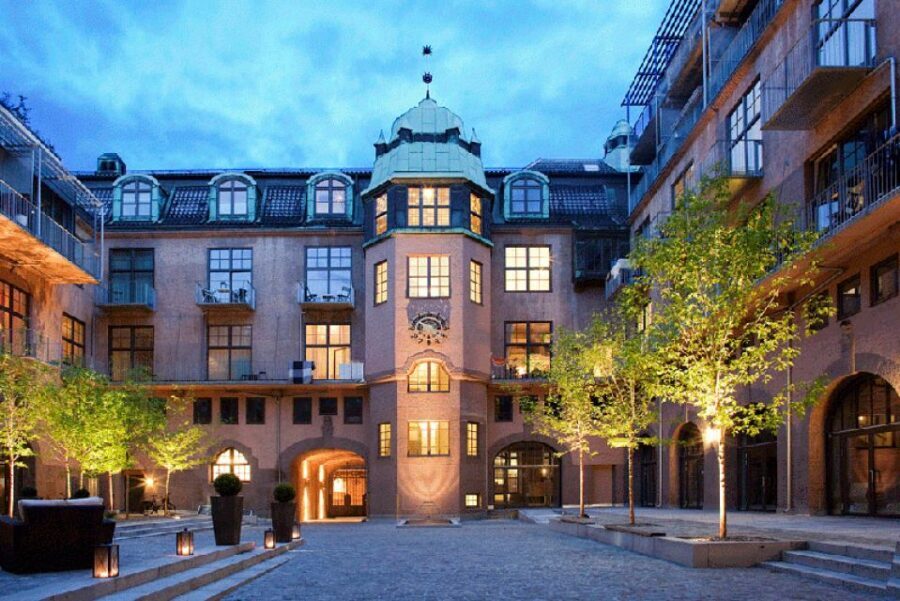
- Hidden-feeling Akershus Fortress: you see corners that most people miss, not just the postcard views
- Kvadraturen’s oldest 17th-century streets: history you can walk through, not just read about
- Norse gods mapped onto city design: legends explained in practical, architectural terms
- Landmark finish on Karl Johan: Parliament, National Theatre, University, Royal Palace, and Grand Café in one ending sweep
- Private group pacing: you can actually hear the story without the tour turning into noise
- English guide storytelling: designed for understanding, not speed-reading monuments
Why a myth-and-legends walk fits Oslo’s city center
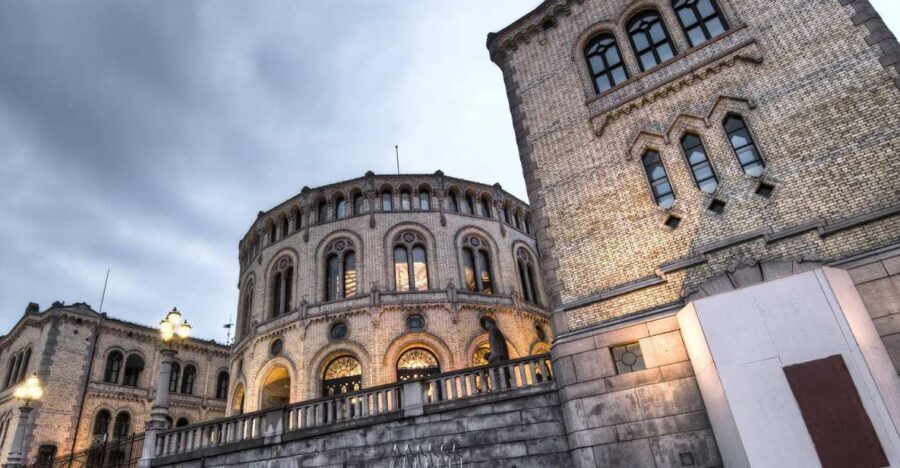
Oslo’s center isn’t just pretty. It’s packed with layers—Viking-era echoes, royal power, and later battles shaping the streets you see today. What makes this tour interesting is that it doesn’t treat myths like random campfire stories. Instead, the guide connects Norse gods and goddesses to how the city’s architects and public spaces took shape.
That matters because it changes what you notice. After a walk like this, you won’t just see a fortress wall or a ceremonial square—you’ll start noticing the logic of placement and symbolism. I like that the storytelling stays tied to the real buildings and squares you’re standing in, so the legends don’t float off into fantasy-land.
There’s also an intentional mood shift. The tour promises you won’t be chasing ghosts, but it also doesn’t pretend you won’t get a little spooky feeling along the way. It’s the kind of atmosphere that turns a normal city stroll into something you’ll remember.
You can also read our reviews of more walking tours in Oslo



Price and what $304 per group really means
The price is $304 per group up to 16 people for a 2-hour private walk. That’s not a “per person bargain” model. It’s a group-rate setup, so the value comes from splitting the cost across people.
Here’s how to think about it:
- If you’re traveling as a couple or small group, you’ll pay a higher effective cost per person.
- If you have a fuller group (up to the cap), you spread the cost and the story-focused guide time becomes much better value.
What you’re paying for is the guide’s time plus a route that hits several major landmarks in one go—City Hall, Akershus Fortress, Kvadraturen, and the Karl Johan corridor of institutions. You also get pickup from any downtown hotel, which can save hassle if you’re based centrally.
So this is best viewed as a “high-quality city-center guide hour” rather than a cheap overview. And because it’s a private group, the guide can pace to your group’s questions, not just herd people through photos.
The 2-hour route: City Hall to Karl Johan without the shuffle
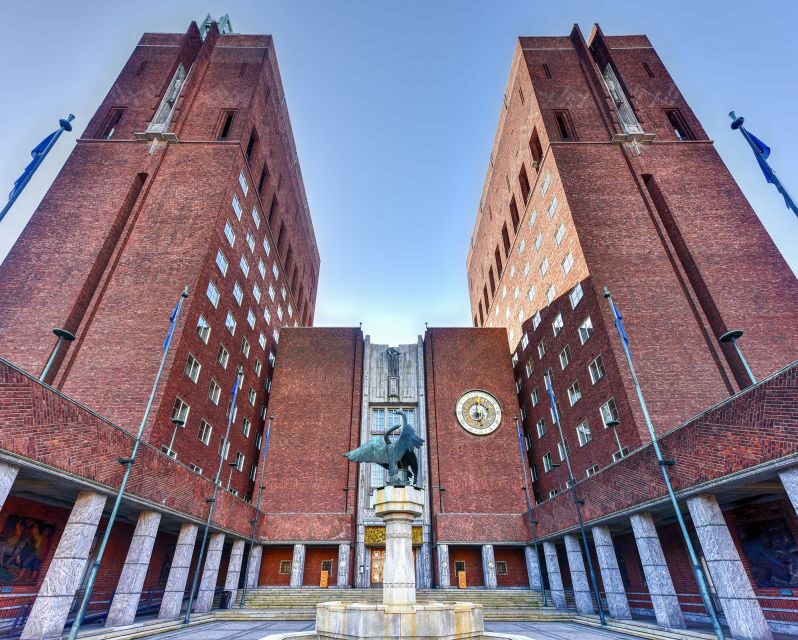
The walk is designed as a tight loop through Oslo’s core, with enough time at each spot to make the stories feel relevant. You start at the City Hall area, move into fortress territory, then head through Kvadraturen’s older streets, and finish on Karl Johan.
You’ll also get a “full center” feel: major institutions show up at the end like Parliament, the National Theatre, the University, and the Royal Palace—all while the guide keeps weaving mythology and history into what you’re seeing. The payoff is simple: in just two hours, you get a mental map of where the city’s power and identity are concentrated.
The only watch-out is physical stamina for a solid walk. This isn’t a sit-and-watch audio tour. You need to be comfortable moving for the duration, even if the pace feels manageable.
Oslo City Hall start: Swan fountain meeting point and first impressions
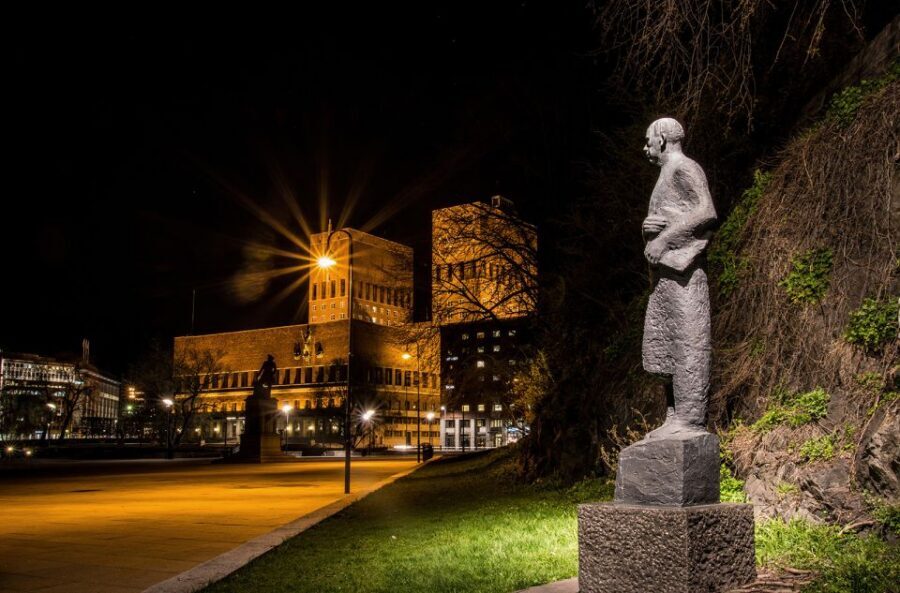
Your meeting point is the Swan fountain at the entrance of Oslo City Hall. This is a good start location because it instantly grounds you in the government-and-ceremony side of the city.
When you arrive, I suggest you take one quick look around before the guide starts speaking. City Hall’s surroundings can help you “read” what the guide explains next—public power, civic identity, and the kinds of symbolism that later show up in fortress spaces and royal sites.
If you’re doing pickup, the tour includes pickup from any downtown hotel. That’s a real quality-of-life perk: less scrambling to find the start, more time actually listening.
Akershus Fortress: the hidden-feeling part you’ll remember
The fortress stop is one of the biggest reasons to choose this tour. You’ll see the hidden part of Akershus Fortress, meaning you’re not limited to the most obvious photo zones. Fortress walls and corridors can feel repetitive at a glance, but with a good storyteller, you start noticing what’s been protected, what’s been built to control movement, and why certain areas matter.
Akershus is where the “darker side” of Oslo becomes physical. The guide talks about buildings and squares in rich detail—how the setting shaped actions, fears, and power plays over time. If you like history that has bite, this is where it tends to click.
One more thing I appreciate: fortress tours can sometimes be too factual and dry. Here, mythology and the mood of the place are part of the effect. You’re not just learning dates; you’re learning how people might have experienced the space—especially when the guide links stories and symbolism to the way the architecture communicates control and threat.






Kvadraturen’s 17th-century streets: old Oslo in walking form
After the fortress, the route moves into Kvadraturen, described as the oldest part of the 17th-century city. Kvadraturen is the kind of neighborhood where you can feel the city’s planning logic without needing a museum ticket.
This part of the walk is valuable for a simple reason: it breaks up the “big monument” rhythm. Instead of only talking about palaces and forts, you’re walking through streets that help you understand how a capital city expands and organizes itself.
You’ll hear how Norse gods and goddesses influenced city architects. That theme becomes easier to grasp in an area like Kvadraturen, because you’re surrounded by the kind of urban pattern-making that architects shape—street alignment, civic orientation, and how the city presents itself.
The only drawback here is weather. Like most walking tours in Oslo, this section works best when conditions are decent. If it’s slushy or icy, keep your attention on footing so you don’t miss the story beats.
Hearing Norse myths through architecture, not just trivia
A big promise of the tour is that you’ll hear how Norse gods and goddesses influenced city architects. This is the difference between a legend tour that rattles off names and one that helps you see the city differently.
I like this approach because it turns mythology into a lens. You start looking for patterns: why certain spaces feel ceremonial, why some buildings feel tied to authority, and how a city may reference older beliefs when designing a modern-looking public identity.
You may also pick up specific types of folklore mentioned in past bookings, including stories involving trolls and ghost horses. Even if you’ve heard bits of Norse mythology before, it’s often the city-specific framing that makes it stick.
The tone is also worth noting. The tour isn’t trying to sell a horror show. It’s more like: history with a spooky soundtrack, where the guide uses legend to explain meaning.
Karl Johan finish: Parliament, National Theatre, University, Royal Palace, Grand Café
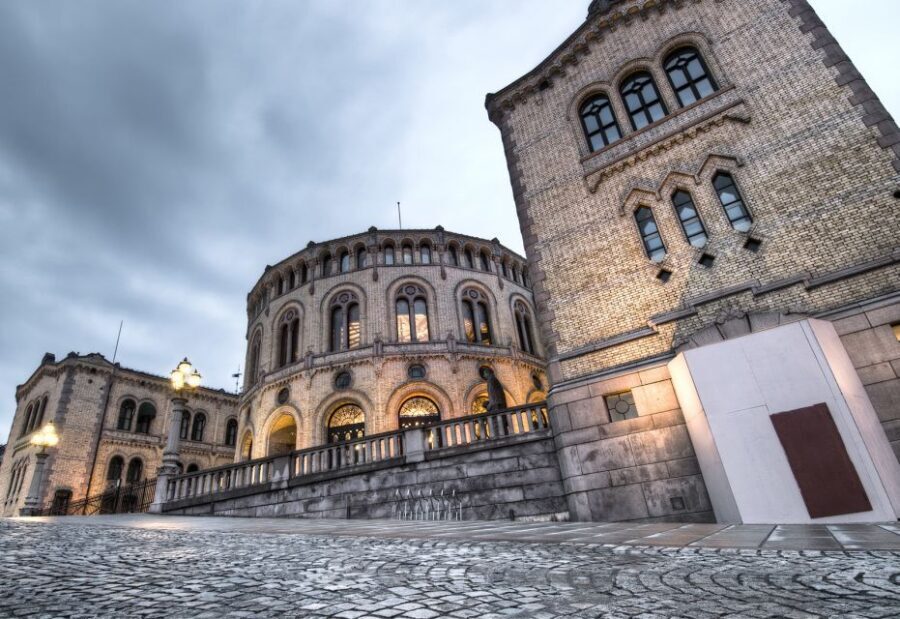
The ending stretches along Karl Johan, and it’s a smart way to close the tour. You’ll see major landmarks in the same corridor of attention—Parliament, the National Theatre, the University, and the Royal Palace—plus the Grand Café.
This is where you get that “I understand the city center now” feeling. Karl Johan is one of Oslo’s recognizable axes, so placing the finish here helps you connect earlier stops (fortress and old district) with the present-day civic and cultural core.
I especially like the Royal Palace element because the tour describes the old royal palace as becoming a recognizable symbol of the city. That framing helps you see the palace not just as a building, but as part of how Oslo tells its own story.
If you want to keep the day going, Karl Johan is also practical: it’s where you can branch to museums, casual cafés, or shopping without needing more navigation.
Pacing, group size, and how the private format changes the experience
This is a private group walk, up to 16 people. That size matters. When your group isn’t huge, the guide can adjust pace, explain details clearly, and keep you engaged without constantly repeating themselves.
Past bookings have praised the guide’s personality and know-how in a way that usually translates to good pacing—someone who can make history and myths feel like connected ideas rather than separate lessons. One booking specifically highlights a guide named Marija, described as personable and strong with myths plus current cultural points. Another names Maria. Either way, the consistent takeaway is clear: the tour runs on story delivery, not just facts.
You also get wheelchair accessibility. The walking route is still a walking route, but accessibility matters because it signals the provider thinks about who can participate.
The tour also runs for 2 hours, which is a sweet spot for city-center storytelling. It’s long enough for meaningful narrative, short enough that you still have energy for the rest of your Oslo plans.
Who should book this myth-and-legends walk
This tour fits best if you want:
- A city-center orientation that mixes history and Norse mythology
- A guided walk with a strong narrative tone, not just monument spotting
- A route that takes you from City Hall to the fortress and then straight into the Karl Johan landmark cluster
It’s also a good match if you enjoy dark stories with context. The tour explicitly frames the city’s past as involving tough themes—Viking-era horror stories and bloody conflicts between neighboring countries—so it’s not a soft “everything is charming” walk.
I’d skip it if you’re traveling with kids under 12. The tour isn’t suitable for that age group, likely because the content and tone are aimed at older participants.
If you’re short on time in Oslo, this is a smart choice because it covers a lot of the center in one session. If you prefer long museum stays over walking and storytelling, you might want a different type of tour instead.
Practical tips to get the most from the walk
Start by wearing comfortable shoes. Oslo’s center can be uneven, and a two-hour narrative walk only works if your feet feel fine. Dress for weather too, since you’ll be outside the whole time.
Because you’ll hear stories tied to specific buildings and squares, don’t wander off to take photos at the wrong moment. I’d keep your camera ready, but follow the guide’s rhythm. You’ll understand more if you’re close enough to see what the guide points out.
If you’re staying downtown, pickup helps a lot. It’s included from any downtown hotel, so you can keep your morning simple.
And if you care about language comfort, you’re covered: the guide is English speaking.
Should you book the Myth and Legends Oslo Walking Tour?
I think you should book this tour if you want a guided walk that makes Oslo feel like a living story. The value is strongest when you have a group (because of the $304 per group price), and the experience quality is built around narrative: Norse gods explained through architecture, a fortress that feels darker and more personal, and a Karl Johan finish packed with major landmarks.
Book it if you enjoy walking, myths, and real places with meaning. Don’t book it if you’re traveling with small kids under 12 or if you hate spooky-tinged history vibes. This isn’t about chasing ghosts; it’s about seeing the city’s past and mythology as something you can walk through.
If you want one ticket that helps you connect the dots between Oslo’s power, old districts, fortress territory, and modern civic identity, this is a solid pick.
FAQ
Where does the tour meet?
You meet at the Swan fountain at the entrance of Oslo City Hall.
How long is the walk?
The tour lasts 2 hours.
What language is the guide?
The tour is guided in English.
Is it a group tour or private?
It’s a private group.
How many people can be in a group?
The price is for up to 16 people per group.
Is the tour wheelchair accessible?
Yes, it’s wheelchair accessible.
Is it suitable for children?
It’s not suitable for children under 12.