REVIEW · HENNINGSVAER
Midnight sun safari
Book on GetYourGuide →Operated by Lofoten Opplevelser · Bookable on GetYourGuide
The midnight sun here is real, not a brochure claim. This 2–3 hour midnight sun safari takes you out from Henningsvær on fast RIB boats, through narrow straits, and toward the outer ocean in the soft glow when the sun stays low at night. You’re in Nordland County, about 200 km north of the Arctic Circle, so the light is different and special.
I especially like two things: the included cold-weather kit (you get a dry suit, life vest, and gloves), and the chance to spot wildlife like sea eagles, seals, puffins, with whales as a maybe. One practical consideration: wildlife sightings aren’t guaranteed, and on some nights the route can feel more coastal than you might expect.
If you want a calm, cozy evening watching the sea from shore, this isn’t that. It’s an active RIB ride, and you’ll want to dress warm even with the gear—because sea spray and wind are part of the Arctic experience.
In This Review
- Key points that matter before you go
- Henningsvær at 9 p.m.: midnight sun in a real fishing town
- RIB boat ride through narrow straits toward open ocean
- Wildlife spotting game plan: sea eagles, seals, puffins, and whales if lucky
- Included gear makes or breaks cold-water comfort
- Timing and what the trip feels like in Arctic light
- Price and value: what $152 buys you in the Arctic
- Who should book this midnight sun safari?
- Should you book Midnight Sun Safari?
- FAQ
- Is the midnight sun safari actually in the evening?
- How long is the safari?
- What wildlife are you looking for?
- What gear is included?
- Where do I meet the tour?
- What should I bring?
Key points that matter before you go
- 9 p.m. departure from Henningsvær pier: you’re chasing the low, golden light after sunset, not mid-day brightness.
- RIB boat style: faster, open-boat feel on the water, perfect for moving through straits toward more open sea.
- Included dry suit and gloves: makes a big difference when the air is cool and the water throws spray.
- Wildlife targets are specific: sea eagles, puffins, seals, and sometimes whales if conditions line up.
- Live guide in English and Norwegian: you’ll get local context about Lofoten and what you’re likely seeing.
- World-famous football stadium in town: Henningsvær isn’t just a pier stop; it’s a real Lofoten fishing place.
Henningsvær at 9 p.m.: midnight sun in a real fishing town
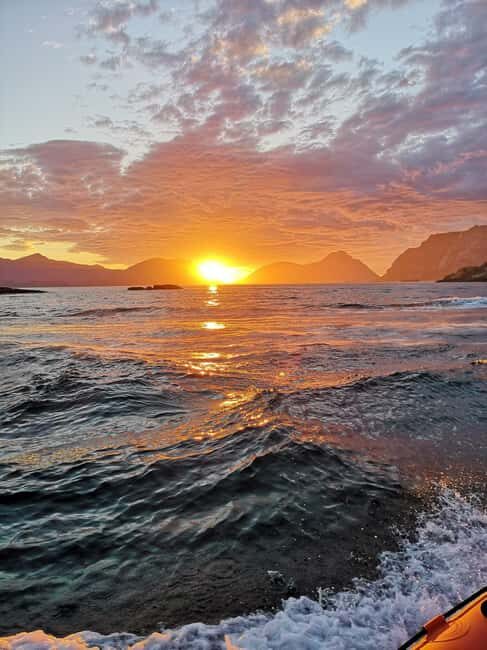
The town you start in matters. Henningsvær is a working fishing village north of the Arctic Circle, and it keeps its personality even in summer when the light draws crowds. The area is known for its dramatic setting and the world-famous football stadium, which is the kind of landmark you can’t miss once you’re there. If you have a little time before departure, walking around the waterfront helps you get oriented fast.
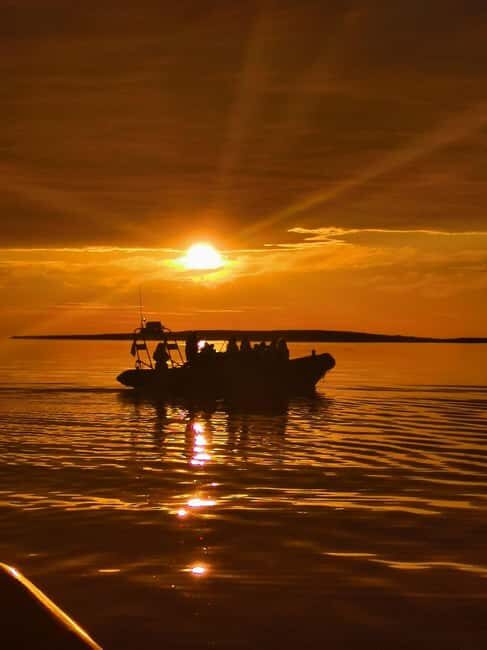
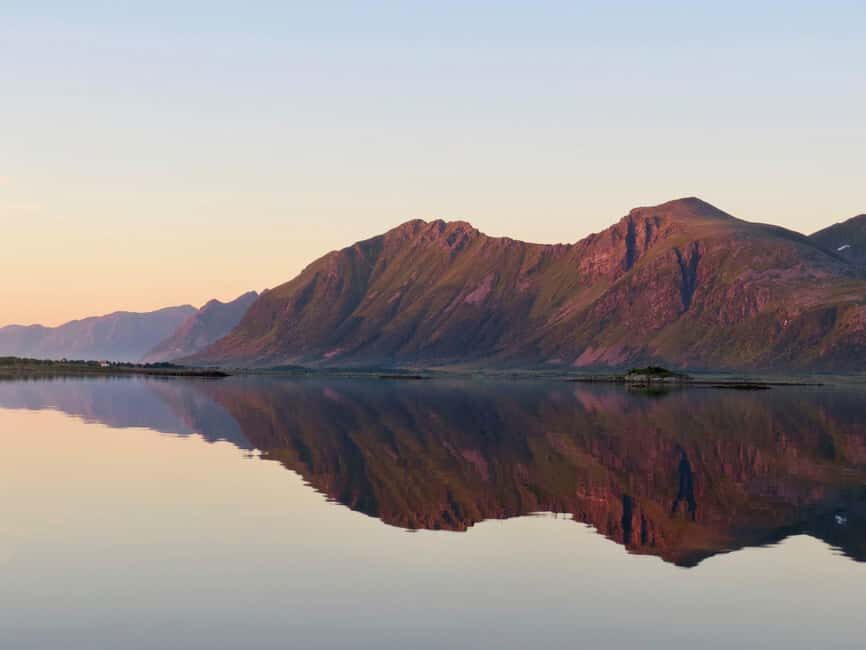
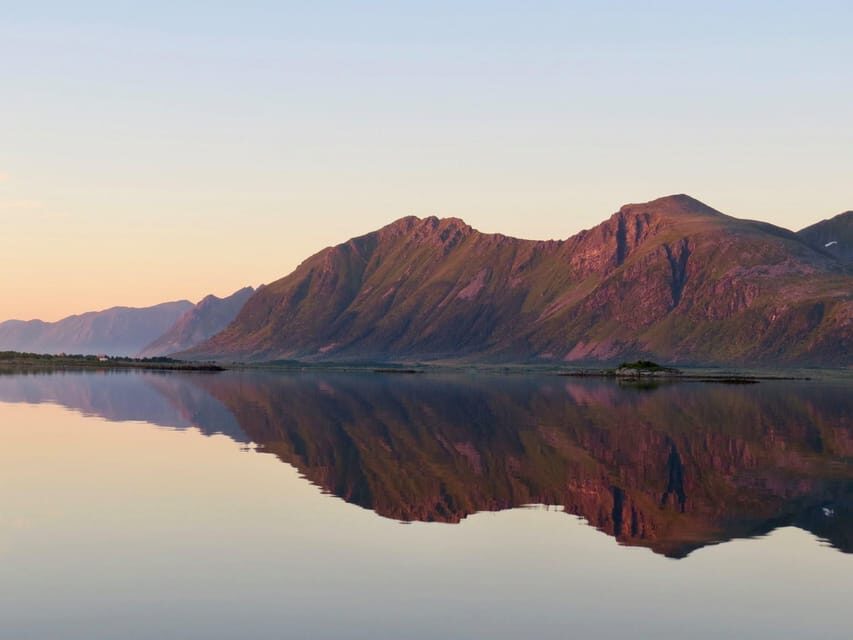
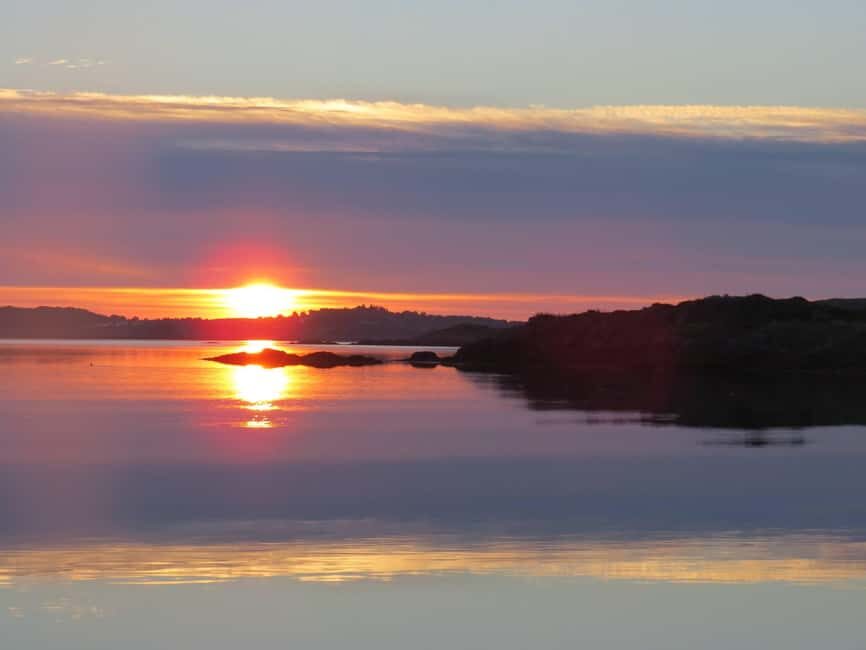
From late May, the sun stays up around the clock. By the time you’re out at 9 p.m., the sky doesn’t flip into night the way it does farther south. Instead, the sun sits low and the light turns painterly—cool, long, and textured. That’s what makes this safari feel like more than a boat trip. You’re not just leaving at night; you’re traveling in the middle of the Arctic “day” glow.
The guide adds context so you’re not staring at wildlife guesses. You’re learning how Lofoten works as a living system: where birds and marine life tend to appear, and why straits and outer water change what you see. That local framing makes the trip feel less random, even though nature always keeps the final say.
This is also a good reminder for your expectations. You’re doing a moving boat safari, not a museum-style wildlife viewing platform. The goal is to be out there when the light and conditions give you a chance.
A few more Henningsvaer tours and experiences worth a look
RIB boat ride through narrow straits toward open ocean
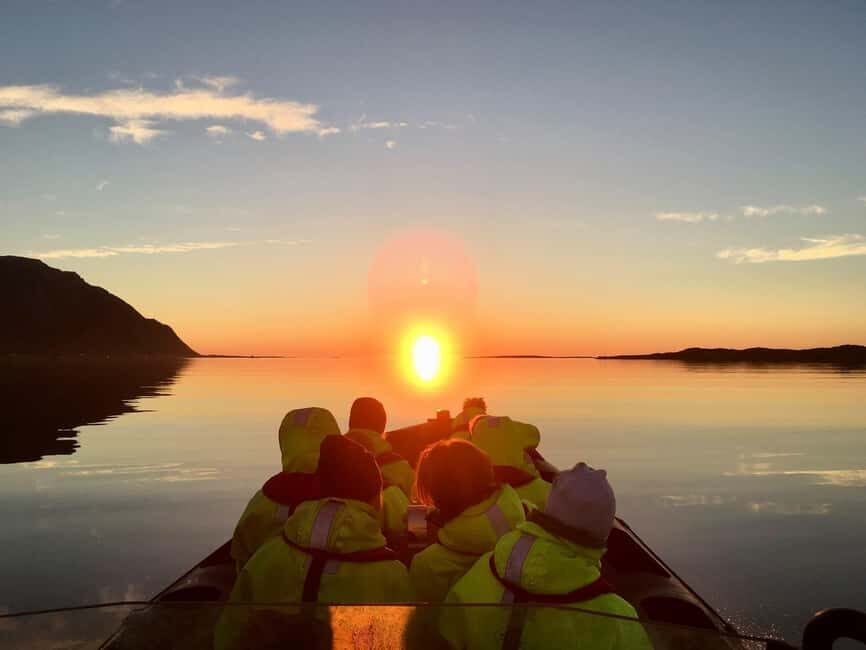
This safari uses large RIB boats, the kind built for speed and rougher water than you’d get on a slower sightseeing vessel. That matters because you’re not just cruising a harbor loop. You head west through narrow straits and then out toward the ocean on the outer side.
Those narrow stretches are where a lot of the action can happen. Straits tend to funnel winds and currents and often create natural “routes” for seabirds. They also change visibility as you move—one moment the horizon is tight and defined, the next it opens up, and suddenly the sea looks bigger and wilder.
Then comes the outer ocean side, where you’re trying to widen the viewing chances. Even if you don’t see whales, moving out increases the odds of seeing sea birds hunting over the water and seals using the coastlines and skerries in nearby areas.
A practical note: you’ll feel the motion. This is the trade-off for getting out to where the wildlife is more likely. If you’re prone to motion sickness, bring what you normally use and keep your eyes on the horizon when possible.
One more thing to consider from the “route” side of the experience. Some nights may spend more time along coastlines and areas you can already see from land. If you’re the type who wants the feeling of getting somewhere truly remote, it’s worth paying attention once you’re on board—watch for signs you’re heading outward to more open water rather than mostly hugging familiar shoreline views.
Wildlife spotting game plan: sea eagles, seals, puffins, and whales if lucky
The best part of this safari is also the hardest part to promise: wildlife. The tour’s focus is clear—sea eagles, puffins, and seals—and whales are the possible bonus if conditions line up.
Here’s how I’d think about your odds. Sea eagles are big and visible when they’re in the air or riding thermals above coastal water. Puffins are usually about finding the right mix of habitat and activity; they can pop into view quickly, so you’ll want your camera ready without rushing the moment. Seals tend to be more about timing—when they surface and when you’re in the right place to see them.
And then there’s the whale possibility. It’s not guaranteed, and that’s the honest reality of whale watching anywhere. Still, the experience is structured to maximize chances: you’re out for a couple of hours, you’re moving from straits to the outer ocean, and you’re being guided by someone local who knows where the action tends to be.
What makes the wildlife search feel worthwhile isn’t only the final sightings. It’s the way the guide connects what you’re seeing—or not seeing—to Lofoten’s patterns. That guidance turns random spotting into a guided search.
Some nights may be seal-heavy, others bird-heavy. If you only care about one type of animal, you might feel the tension of unmet expectations. But if you enjoy the full “Arctic at work” feel—birds cutting across the light, seals floating like commas in the sea, and the possibility of something huge in the distance—you’re in the right mindset.
Included gear makes or breaks cold-water comfort
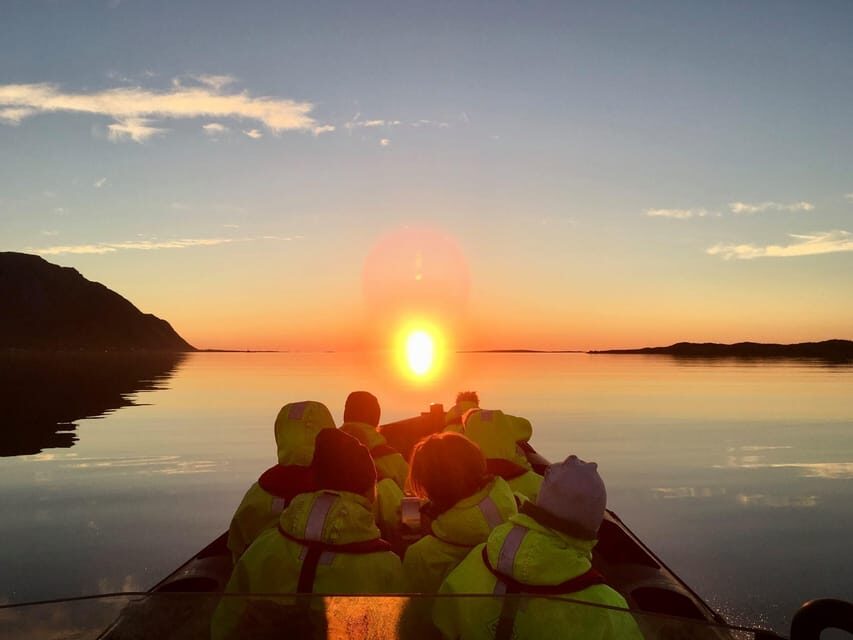
This is one of the smartest parts of the safari: you don’t show up and figure out cold weather on the fly. You’re provided with a dry suit, life vest, and gloves. That’s huge value, because it reduces the mental load of packing and it improves comfort once the boat is moving.
What to bring is still important:
- Warm clothing under the gear (you’ll be in cool air and wind)
- A camera if you want to catch the low-sun glow and fast wildlife moments
The dry suit doesn’t mean you’ll feel warm all on its own. Wind can still cut across your face, and spray plus speed keeps things chilly. But with a dry suit and gloves, you’re far more likely to enjoy the ride rather than just endure it.
A life vest is there for safety, and the gloves help you manage the cold without needing to expose skin to the elements. This matters because your hands are the first thing to get uncomfortable when you’re trying to film or photograph.
If you’re wondering what it feels like: expect to be active in the elements. You’ll dress for wind and water, not for a quiet evening on a patio. The upside is that the gear turns that Arctic setting into something you can actually enjoy for two-plus hours.
Timing and what the trip feels like in Arctic light
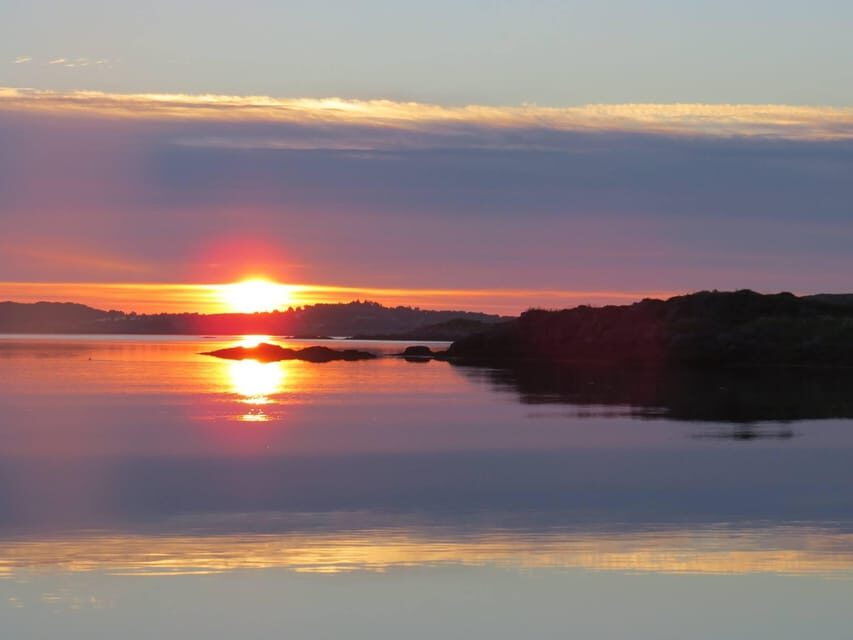
The safari is listed as 2 hours, and in practice it typically runs 2–3 hours. Departure is daily at 9 p.m. from Dreyers gate 15, 8312 Henningsvær. The meeting point is the yellow building on the pier, with the entrance around the corner.
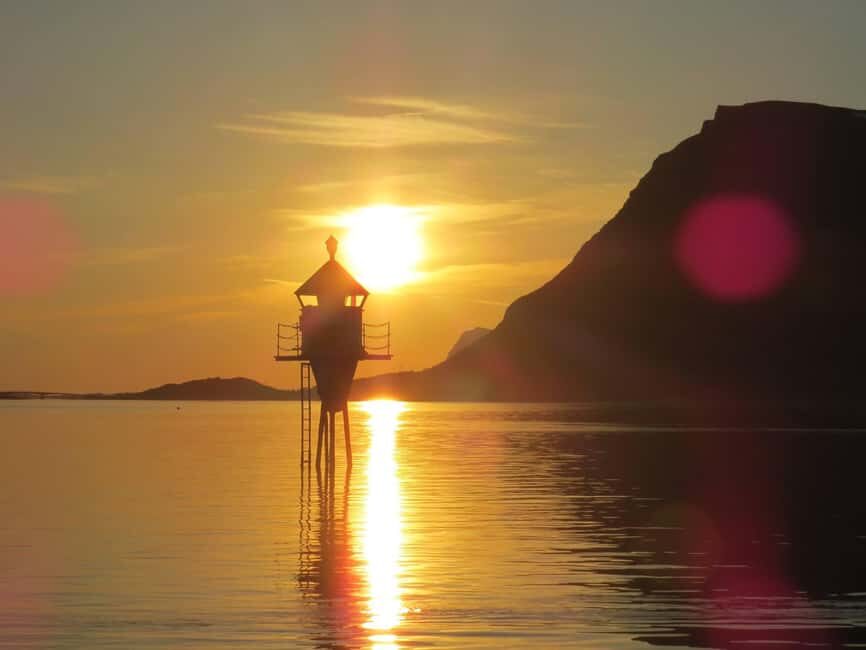
That timing is not random. Late evening in Lofoten during the midnight sun window has a special look: the light is low, shadows stretch, and everything looks sharper. You’re watching nature while the world is still “lit,” which changes how birds fly and how the sea surface catches color.
The boat route also affects pacing. The straits segment feels more enclosed and focused; the outer ocean segment feels open and expansive. As you switch environments, the wildlife search changes too. A sea eagle spot might happen quickly near a suitable vantage, while puffins and seals can involve waiting a bit longer for the right surface appearances.
Two hours is long enough to feel like you did something meaningful, but short enough that the whole thing doesn’t turn into a marathon. It’s a good length for most people who want Arctic scenery without using up an entire evening.
One more practical detail: since you’re going at night, treat it like a night trip even when the sky is still bright. Bring the same care you would on any evening excursion—get to the meeting point with time to settle in and get geared up before the boat heads out.
Price and value: what $152 buys you in the Arctic
At $152 per person, you’re paying for more than a boat ride. You’re paying for:
- a guide who can explain Lofoten and help you search for specific wildlife
- a RIB-boat format that can reach the outer ocean side
- provided cold-weather gear (dry suit, life vest, gloves)
- a set time window that’s designed around the midnight-sun light
Is it “cheap”? No. But it can be good value if you consider what you’re not paying for: you’re not renting gear, and you’re not arranging a private boat to chase the same conditions. If you’ve ever tried to do cold-water experiences without proper clothing, you know how fast comfort becomes the limiting factor.
Your biggest “value variable” is also nature’s unpredictability. You might see several sea eagles and seals, or you might walk away with fewer wildlife sightings than you hoped. That’s not a fault of the operator; it’s how these trips work.
One concern to keep in mind: if you’re paying a premium price, you’ll naturally want the ride to feel like it’s going somewhere you couldn’t experience with a simple drive and a pull-off. On some nights, people may feel the coastal stretches repeat views they’ve already seen from roads. If that would bother you, aim to stay flexible in your expectations and focus on the parts you can’t easily replicate—open-ocean searching, wildlife appearances, and the midnight-sun lighting.
In short: the price is easiest to justify when you want guided wildlife-spotting in the right season and conditions—and when you’re glad to have gear included.
Who should book this midnight sun safari?
Book this if you want a night-sky feel without winter darkness, and you love the idea of going beyond viewpoints into actual waters where wildlife feeds and rests. It’s a great fit for:
- couples and small groups who want an active evening activity
- photography lovers chasing the low-sun glow and quick animal moments
- people who enjoy local explanations and want to understand what they’re seeing
It’s also a smart pick if you’re traveling light. The provided dry suit and gloves take some of the pressure off your packing plan.
Skip it—or at least think twice—if you dislike boat motion or if you’re the type who needs a specific animal to feel satisfied. Whales and certain bird sightings can’t be forced. This is a wildlife search experience, not a promise of a checklist outcome.
Should you book Midnight Sun Safari?
Yes, if you can handle a cold-water ride and you’re in the right season for the midnight sun. The combination of low-night light, a guided search, and provided cold-weather gear makes this feel like a practical Arctic adventure rather than a risky weather bet you have to dress for yourself.
Before you commit, decide what you want most. If your top goal is the wildlife list, keep expectations flexible and focus on the whole show: birds, seals, and the changing horizon under midnight sun. If your top goal is simply the views, you may still enjoy it, but you’ll want to appreciate that the route can be more coastal than some people imagine.
FAQ
Is the midnight sun safari actually in the evening?
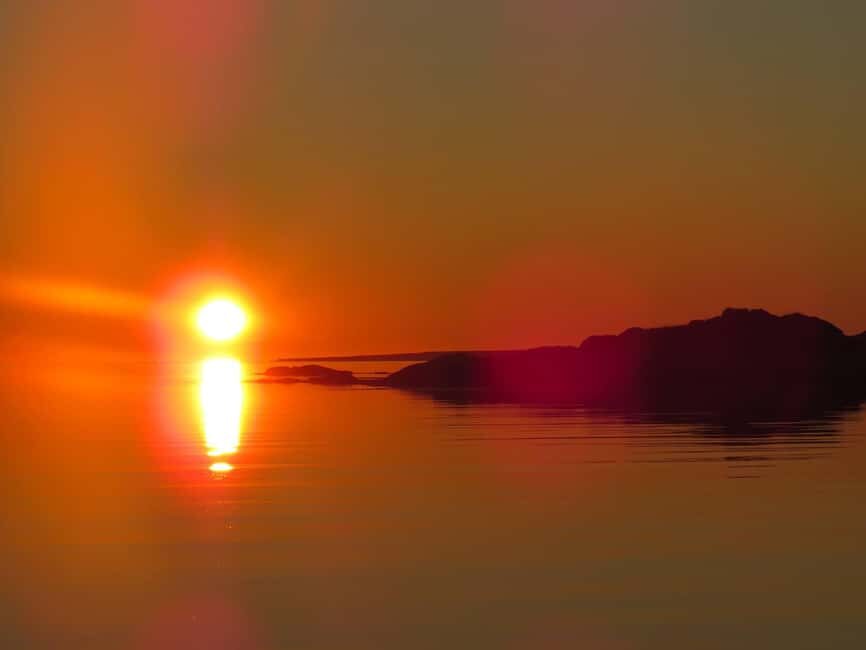
Yes. The tour departs daily at 9 p.m. from Henningsvær, and you ride while the sun is still up and low on the horizon during the midnight sun period.
How long is the safari?
It’s listed at 2 hours, and the tour typically takes 2–3 hours.
What wildlife are you looking for?
The safari focuses on spotting sea eagles, puffins, and seals, and whales may be spotted if you’re lucky.
What gear is included?
You get a dry suit, life vest, and gloves.
Where do I meet the tour?
Meet at the yellow building on the pier. The entrance is around the corner.
What should I bring?
Bring warm clothing and a camera.