REVIEW · HENNINGSVAER
Summer Snorkeling with Grey Seals
Book on GetYourGuide →Operated by Lofoten Opplevelser · Bookable on GetYourGuide
Grey seals change the whole snorkel game. In Lofoten fjords, I like the way you’re kitted out for Arctic water with a dry suit and the chance to meet Grey Seals up close while the sea is clear enough to see a lot. More than just wildlife-watching, you get that rare feeling of hovering over the underwater world and spotting coalfish, cod, mackerel, starfish, sea urchins, jellyfish, and more.
The main consideration: seal encounters aren’t automatic. If conditions or seal activity lead the guide to adjust, you may spend less time in the water, so go with a flexible mindset and don’t assume every minute will be seal-close.
In This Review
- Key things that make this snorkel with grey seals work
- Grey seals in Lofoten fjords: why this experience feels different
- Getting ready in Arctic style: dry suits, gloves, and what you wear under them
- Dreyers gate 15 meeting and the Henningsvær safety briefing that sets the tone
- The snorkeling window: 1.5 hours in clear fjord water
- A note on seal sightings and time in the water
- What you’re actually seeing underwater: fish, jellyfish, and the “slow watching” style
- Pictures in cold water: gear habits that help you get the shot
- Price and value: what $209 buys you in real terms
- Who should book this seal snorkel (and who should skip)
- What can go sideways: current, conditions, and variable seal proximity
- Should you book Summer Snorkeling with Grey Seals?
- FAQ
- How long is the snorkeling experience?
- Where does the tour start and end?
- Where is the meeting point building?
- What gear is included?
- What should I wear under the dry suit?
- How cold is the water in summer?
- Is the tour suitable for children?
- What kinds of marine life might I see?
- What languages are the guides?
- Is the tour refundable if I cancel?
Key things that make this snorkel with grey seals work
- Dry-suit comfort in 10–16°C water: you’re warm enough to actually snorkel, not just survive.
- Visibility around 20 meters in summer: you’ll have the clarity to spot fish and sea life, not just shapes.
- A real safety briefing before entering: you get guidance on how to move and behave in the water.
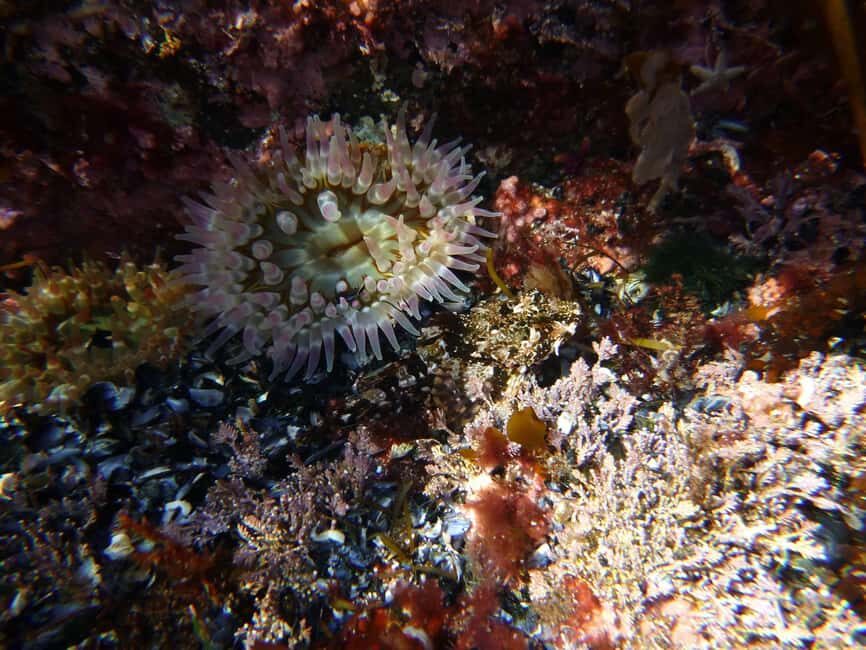
- Kelp forests and crawling sea life: you’re likely to see crabs, sea urchins, and kelp edges up close.
- Playful seal behavior: the grey seals can be curious rather than merely distant.
Grey seals in Lofoten fjords: why this experience feels different
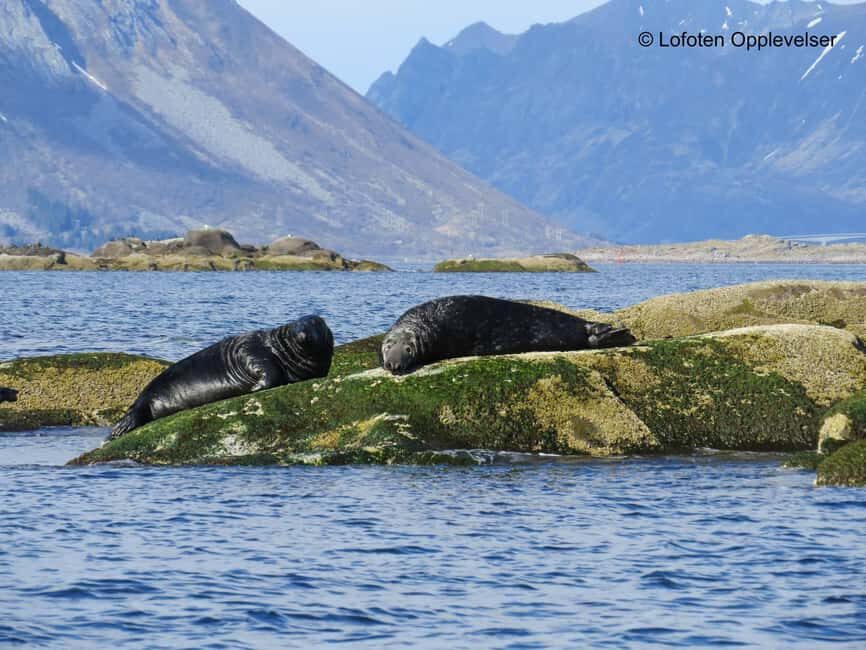
There are plenty of ways to see wildlife in Norway. This one is different because you’re not just looking from a boat. You’re in the water, slow and quiet, with your body supported and your head protected by gear made for the cold. That small switch changes everything.
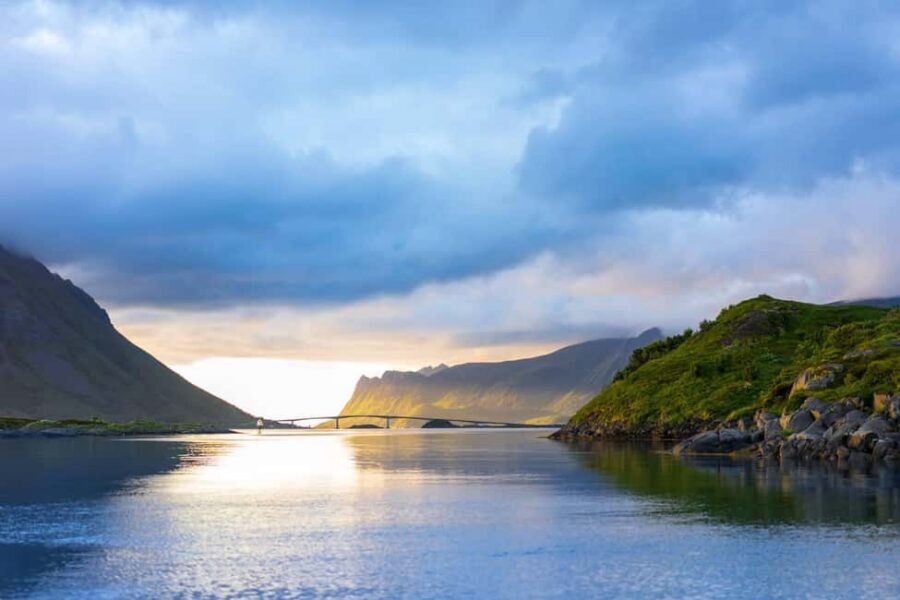
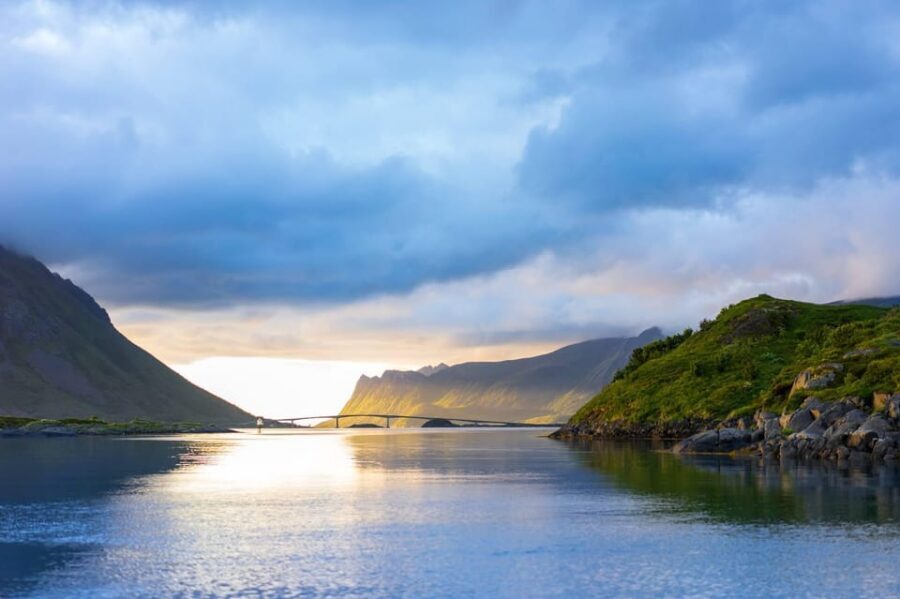
The Lofoten fjords in summer tend to deliver calm, clear conditions for snorkeling. When visibility is strong (you’re told it can be over 20 meters), you can actually read the underwater scene. Fish don’t just drift past; you can track them. Kelp doesn’t look like a dark blur; you can see where it starts, how it hangs, and where smaller life gathers around it. For me, that’s the heart of the trip: the seals are the headline, but the underwater world is the full story.
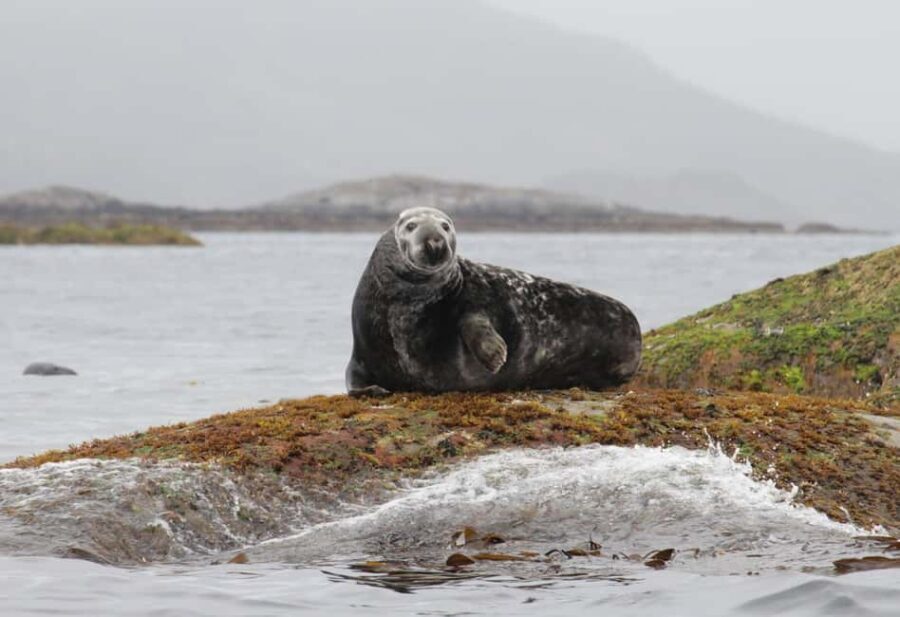
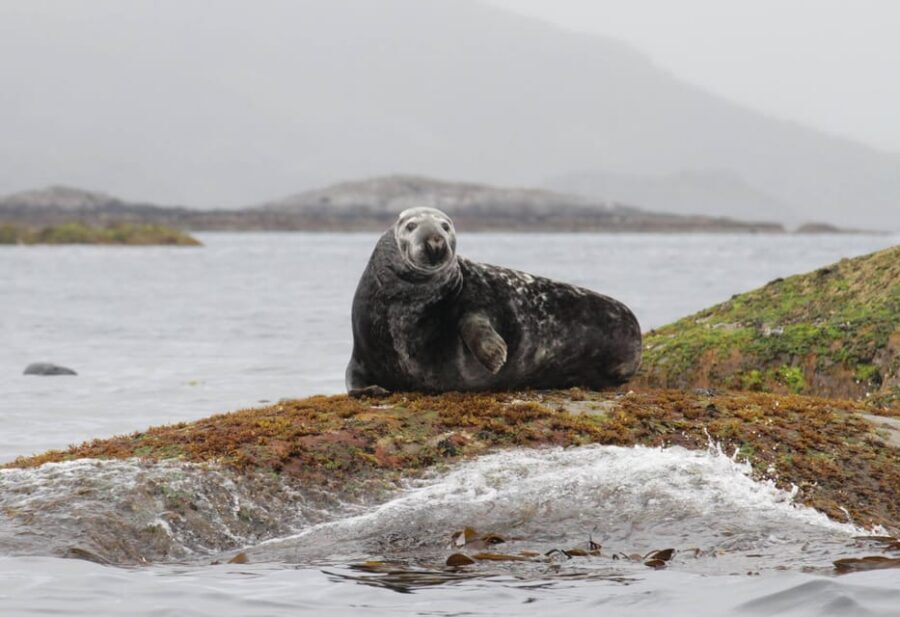
And grey seals bring a special kind of energy. They’re curious animals, and you’re in the part of the food chain where they naturally investigate. If you keep your movements steady and your attention calm, you’re more likely to get that eye-level moment—seal watching becomes seal meeting.
You can also read our reviews of more tours and experiences in Henningsvaer.
Getting ready in Arctic style: dry suits, gloves, and what you wear under them
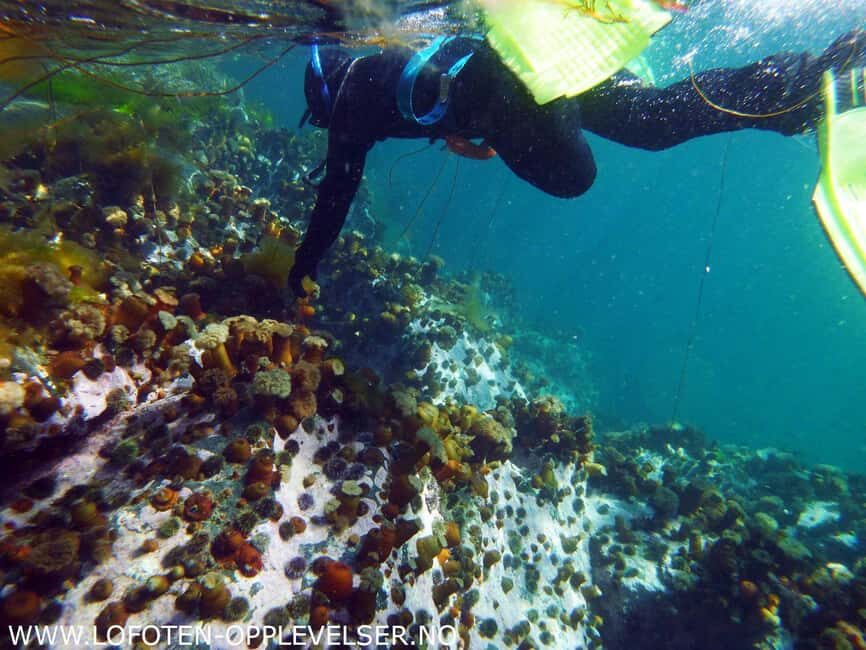
This tour gives you the big cold-weather tools: a dry suit, plus a hat and gloves. That matters because snorkeling in Nordland County can be about more than temperature. Cold water drains attention fast, and it makes you want to rush. With proper dry gear, you can focus on breathing, watching, and moving slowly.
Still, the suit isn’t magic by itself. You need the right layer underneath. The tour specifically says you should wear underwear (ideally wool), or comfortable clothes and warm socks, under the dry suit. That helps you stay warm and comfortable inside the suit rather than feeling clammy or chilled when you’re floating still.
Here’s my practical advice: pack a small change kit. You’ll want extra clothes in case you get wet, even with dry suits in play. And bring a camera you can control one-handed or with gloves—because when you’re in the water, you’ll want to aim fast and keep your balance steady.
Also, water temperature is given as about 10–16°C. That means you should dress as if you’ll be out there long enough to feel cold if you underdress. The good news is the gear is designed for this, so you’re not expected to be a polar athlete.
Dreyers gate 15 meeting and the Henningsvær safety briefing that sets the tone
You start and end at Dreyers gate 15, with a clear meeting setup: a yellow building with the Lofoten Opplevelser sign. If you’re arriving early, give yourself time to find the entrance comfortably—this kind of tour benefits from arriving relaxed, because the cold gear preparation moves quickly.
Before you get into the snorkeling portion, you have a safety briefing in Henningsvær. It lasts about 30 minutes, which is a big deal. In this activity, the difference between a fun swim and a stressful scramble is usually how well everyone understands the rules before getting wet.
What I like about this approach is that it signals the guide is managing the real risks: cold water, staying calm near wildlife, and moving in a way that doesn’t fight the current or create chaos. A seal snorkel is not a free-for-all. You’re there to observe and float, not to chase.
From the experience setup, you can also expect the staff to help with outfitting—at least in the way the tour is described, people are assisted with getting into suits. That kind of help is valuable because a dry suit that isn’t seated properly can make you colder or less mobile. The better your fit, the more enjoyable the water time becomes.
The snorkeling window: 1.5 hours in clear fjord water
Your snorkeling time is about 1.5 hours in the Lofoten Islands area. The tour is built around that block, so it’s worth thinking about how you’ll use it.
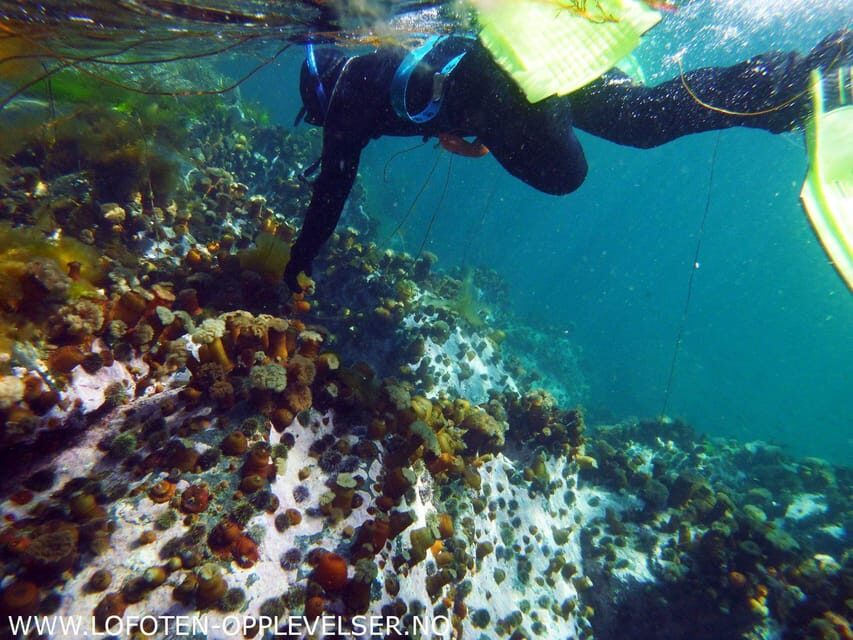
In summer, the sea can be packed with life. You’re told you may see coalfish, cod, mackerel, starfish, sea urchins, sea anemones, jellyfish, sea mice, crabs, and more. Even if you don’t see every species listed, the point is the water tends to support a full ecosystem. You’re not just searching a barren seabed.
And then there’s the kelp factor. One of the strongest themes from participant feedback is the beauty of the kelp forests. Kelp is where underwater life likes to hang around—fish shelter there, smaller creatures cling or graze along it, and it creates those branching visual textures that look great in photos. If you want to photograph something “more than fish,” kelp is where you’ll often get it.
Movement matters. Snorkeling in a dry suit can feel different than a regular swim, so you’ll want to keep your body steady and your kicks gentle. That helps you avoid spooking wildlife and also helps you conserve energy. You’re there to watch seals and sea life at eye-level, not to sprint through the water.
A note on seal sightings and time in the water
Seal encounters can be the reason people book, and they can also be the reason expectations need a reality check. One participant example reported not seeing seals and spending more time searching by boat, which cut snorkel time down near the end of the outing. That doesn’t mean the tour is unreliable; it means nature decides what happens minute to minute.
So I’d suggest you treat the seals as a bonus that could be spectacular, and the underwater ecosystem as the main event you’ll still enjoy. If you go in with that mindset, you’re less likely to feel let down.
What you’re actually seeing underwater: fish, jellyfish, and the “slow watching” style
When visibility is high, snorkeling turns into a kind of underwater reading. You notice layers: open water where fish cruise, then the nearer zone where kelp thickens and small creatures show up.
You’re likely to spot:
- Fish such as coalfish, cod, and mackerel, depending on where the group drifts.
- Starfish and sea urchins along areas where the seabed is reachable through the viewing angle.
- Jellyfish and sea anemones, which can add that soft, moving texture to your footage.
- Crabs and other small life that often appear when you look a little longer.
I like how the tour description treats snorkeling as an “inside view” of the fjords rather than a quick surface swim. That’s important because your success here isn’t just about being in water; it’s about being patient long enough to notice what’s already in front of you.
Also, if you bring a camera, don’t plan on constant perfect shots. Plan on short bursts. In cold water, with gloves on, your hands will get tired. The best photos tend to come when you’re calm, your breathing is steady, and you point the camera at the same patch of water while it’s full of action.
Pictures in cold water: gear habits that help you get the shot
This tour strongly encourages bringing your camera, and that makes sense. Clear water plus kelp plus animals can produce photos that look like you hired a marine biologist with a drone. The reality is: you still need to handle cold and buoyancy.
Here are habits that help:
- Use your camera strap so you’re not juggling it while settling into the suit.
- Keep your settings simple before entering the water, because gloves make fine adjustments slower.
- Shoot short sequences instead of long recording when seals pop in. Curious grey seals can show up and move on quickly.
- Don’t chase. If the seal changes direction, follow the guide’s pacing and keep your body aligned.
One participant mentioned that it was a shame the seals didn’t get as close as hoped. That’s a normal wildlife rule. With seals, you get proximity when they choose it. Your job is to give them space and stay smooth.
And for photos, kelp forests can be your best friend. Even without an extreme seal moment, kelp edges and fish activity can keep your lens busy throughout the snorkel.
Price and value: what $209 buys you in real terms
At $209 per person for a roughly 2-hour outing, you’re paying for more than the idea of seeing grey seals. You’re paying for cold-water readiness, guide time, and a setup that takes the experience beyond “random snorkeling.”
Here’s the value breakdown I see:
- Gear included: dry suit, hat, gloves. In Arctic conditions, that’s not a small perk. It’s the difference between enjoying 1.5 hours in water and feeling miserable quickly.
- Time structure: a 30-minute briefing plus a focused snorkel window. You’re not spending the whole time in transit.
- Guided safety and support: assistance with outfitting and an emphasis on briefing helps you move correctly and stay warm.
- High-summer visibility potential: when the water is clear, the trip becomes about seeing. That’s when the cost feels justified.
If you’re already an experienced snorkeler with your own dry gear and local knowledge, you might compare it to self-booking. But most visitors don’t have that gear or that local setup. For them, the price can look very fair because it buys comfort, safety, and an organized wildlife interaction.
Who should book this seal snorkel (and who should skip)
This isn’t aimed at toddlers. It’s listed as not suitable for children under 15. That makes sense since cold-water comfort, gear handling, and swimming ability matter.
You’ll have the best time if you:
- Can swim comfortably (one review specifically suggested you should be a good swimmer and have snorkeling experience).
- Don’t mind cold for short stretches and trust the dry suit system.
- Like wildlife encounters where you’re quiet and observant rather than loud and hands-on.
- Want clear-water snorkeling and a chance at kelp-forest viewing.
Skip it if you want a guaranteed seal moment. Even with a well-run tour, wildlife behavior controls much of the experience. And if you’re not ready to be flexible about conditions, consider other activities where the main outcome is less weather-dependent.
What can go sideways: current, conditions, and variable seal proximity
Nature can be moody, even in summer. One participant noted that on the return trip, current was stronger than expected and the boat leader had to try multiple times to get everyone back on board. That’s not something you can “manage” as a passenger—but it’s a reminder that fjord conditions change.
Also, seal sightings can affect the flow. If seals aren’t where the guide expects them, the team may spend time searching by boat, which can reduce your snorkel time at the end. That’s the trade for this kind of wildlife outing.
The best way to protect your enjoyment is mental prep. Go in knowing this is a nature-first activity. Your goal isn’t to force an encounter; it’s to enjoy the water, the life, and the moments when seals choose to check you out.
Should you book Summer Snorkeling with Grey Seals?
I’d book it if your dream is clear fjord snorkeling with a serious chance at grey seal curiosity, and you’re happy to prioritize the underwater ecosystem as much as the animal encounter. The warm dry-suit setup in 10–16°C water is the big reason this is worth it, plus the visibility potential and the variety of sea life you may see.
I’d think twice if your expectation is a predictable, close-up seal encounter every time. Since sightings can vary, treat seals like a highlight, not a guarantee. And if you’re not a confident swimmer or you hate cold gear prep, choose a less demanding option.
If you want an Arctic-water experience where the water is clear, the kelp forests feel alive, and grey seals can pop in for a curious look, this one fits the bill.
FAQ
How long is the snorkeling experience?
The total duration is about 2 hours, with around 1.5 hours spent snorkeling.
Where does the tour start and end?
You meet at Dreyers gate 15, and you return there at the end.
Where is the meeting point building?
It’s the yellow building with the sign of Lofoten Opplevelser on it.
What gear is included?
The tour provides a dry suit, a hat, and gloves.
What should I wear under the dry suit?
You need underwear (preferably woolen), or comfortable clothes, and warm socks to wear under the dry suit.
How cold is the water in summer?
The water temperature is about 10–16 degrees.
Is the tour suitable for children?
No. It is not suitable for children under 15.
What kinds of marine life might I see?
You may see coalfish, cod, mackerel, starfish, sea urchins, sea anemones, jellyfish, sea mice, crabs, and more.
What languages are the guides?
The live guide speaks English and Norwegian.
Is the tour refundable if I cancel?
Yes. You can cancel up to 24 hours in advance for a full refund.