REVIEW · OSLO
Art and Museum Tour of Oslo
Book on Viator →Operated by Quality Tours · Bookable on Viator
Oslo art has more than one superstar. This walking tour links Norwegian art to the streets that shaped it, with an art historian guide and smart museum choices—so you do more than tick off names. I like that you get a city-center orientation first, then spend focused time inside major collections.
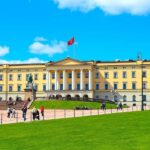
I especially like how the guide connects what you see in galleries with what you’re looking at outside: Akers Brygge, the Royal Palace area, Parliament, and the historic feel of the medieval Fortress Akershus. The second big win for me is the museum flexibility, from the National Gallery’s E Munch to modern works at Astrup Fearnley, and the ship museums on the Bygdøy peninsula.
One consideration: your museum mix is adjustable, but that also means you might not automatically land on the National Museum unless you choose it. Also, museum entry can add cost (the info cites 100 kr per person), so be ready for that when you plan your budget.
In This Review
- Key highlights at a glance
- Why an art historian guide changes Oslo museums
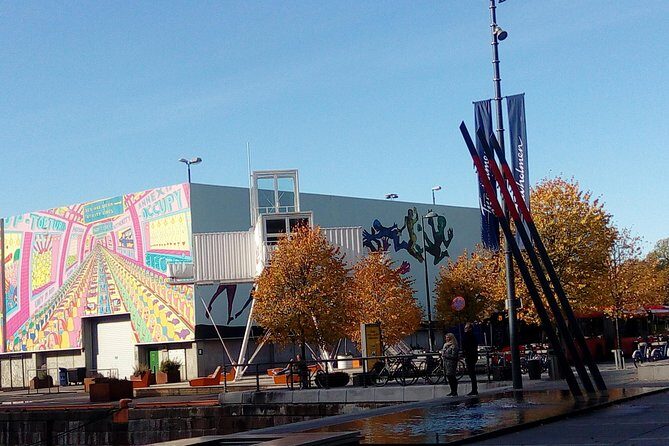
- Getting your bearings: Aker Brygge, Royal Palace, and Parliament
- Akershus Fortress and Kvadratura: medieval + 17th-century Oslo
- Museum time: how to choose between Munch, modern art, and Bygdøy
- The National Gallery for Munch and French Impressionists
- Astrup Fearnley Museum of Modern Art for a contemporary swing
- Bygdøy peninsula museums for deep variety (and big name artifacts)
- How the optional Opera House and Vigeland Park add a unique Oslo angle
- 4 hours is the rule: pacing, walking, and smart priorities
- Pickup, mobile ticket, and the private-group advantage
- Price and value: what $445.68 per group really means
- The guide experience: energy, pacing, and careful meeting points
- Who should book this Oslo art and museum tour
- Should you book this Art and Museum Tour of Oslo?
- FAQ
- How long is the Oslo art and museum tour?
- What does the tour cost?
- Can you choose which museums to visit?
- Are museum entrance fees included?
- Is pickup offered, and do I get a ticket on my phone?
- What if my plans change?
Key highlights at a glance
- Art historian-led walk: you get context, not just a checklist of artworks
- Museum choices that match your mood: National Gallery, Astrup Fearnley, or Bygdøy peninsula museums
- Akers Brygge to Kvadratura: city landmarks plus 17th-century streets
- Akershus Fortress included: medieval stop breaks up museum time nicely
- Optional additions: tram time can cover the National Opera House and Vigeland Park
- Private group format: up to 10 people, with pickup offered and a mobile ticket
Why an art historian guide changes Oslo museums
Oslo can feel like a city with one headline act—E Munch—and that’s not wrong. But this tour is built for the moment after you’ve seen The Scream. The guide’s job is to help you understand what Norwegian artists were responding to, and why different collections in Oslo feel like they’re telling separate chapters of the same story.
You’ll also notice the difference between random museum time and guided museum time. Here, you’re not wandering with a vague plan. You’re walking in the right order and seeing key works with someone who can explain themes and art movements in plain terms.
And it’s not only inside museums. You start with a foot-and-street city tour, which makes the art stops land better. When you’ve seen the Royal Palace area and Parliament surroundings, then step into art collections, the city stops feel more grounded.
You can also read our reviews of more museum experiences in Oslo

Getting your bearings: Aker Brygge, Royal Palace, and Parliament
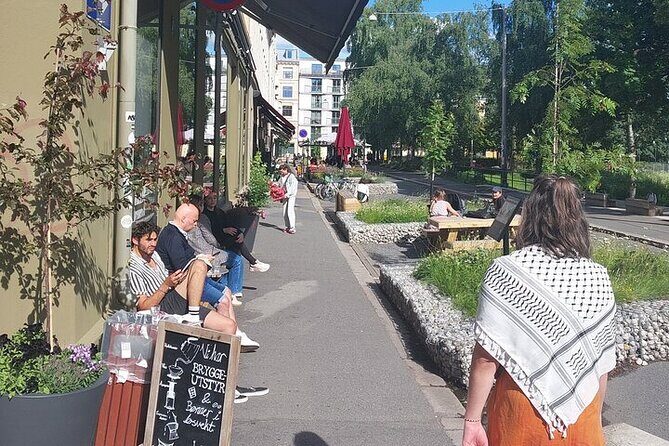
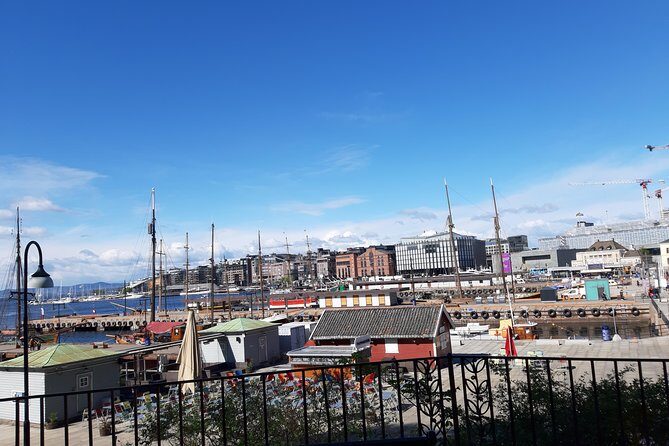
The tour begins with a city-center walk that acts like your visual map. You’ll pass through areas many first-timers recognize, including Aker Brygge, and then move toward the Royal Palace zone and the Parliament area. If you’re in Oslo for only a short stay, this kind of orientation is helpful. Even if you end up returning later, you’ll know where things sit and why the streets feel the way they do.
This portion is also a good warm-up. It gets you walking right away, helps you spot public spaces and landmarks, and sets up the historical stops that follow. Dress smart casual is a safe bet here, because you’ll be on foot for part of the experience.
A practical note: the city-center walking is only part of the total 4 hours. The rest of your time is meant for museum visits, so don’t plan to cram in extra stops on your own unless your chosen museum schedule has room.
Akershus Fortress and Kvadratura: medieval + 17th-century Oslo
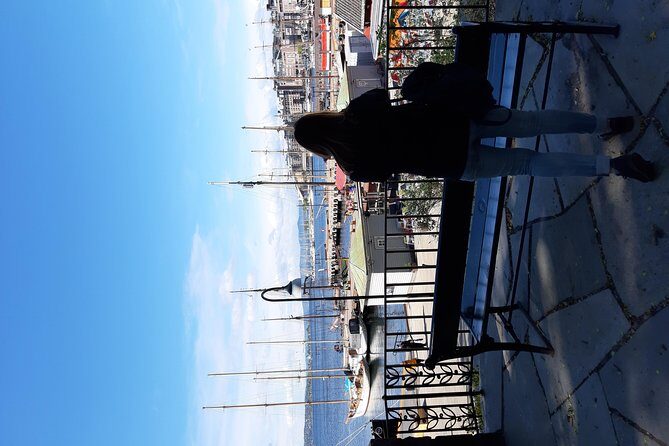
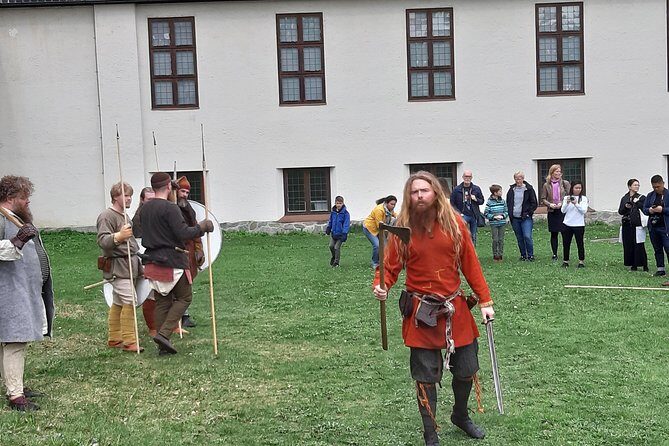
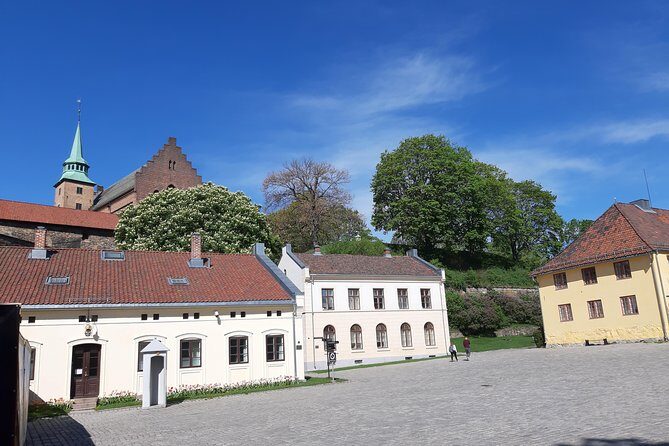
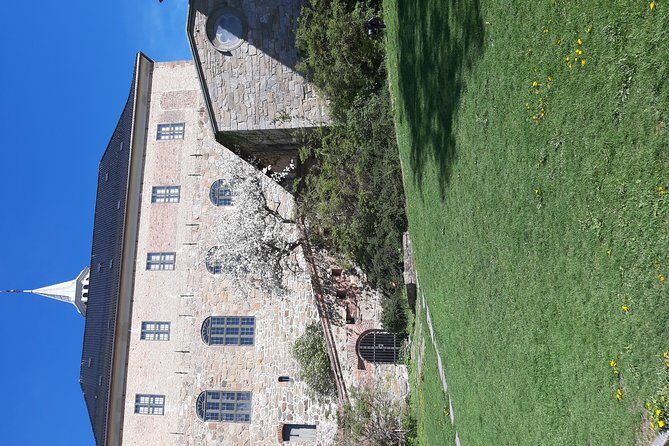
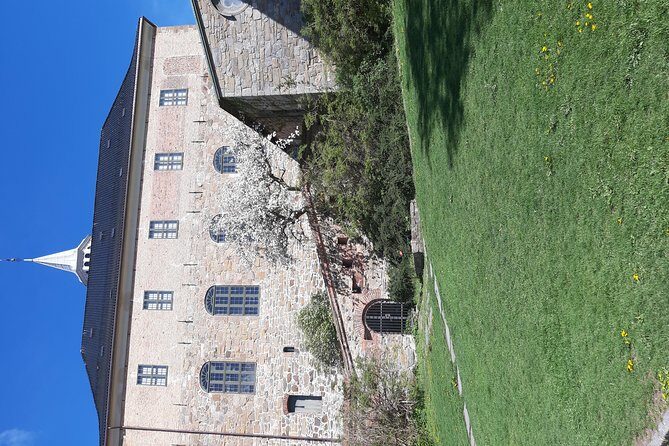
After the central streets, you’ll visit Akershus Fortress, a medieval stronghold that brings a different texture to the day. It’s the kind of stop that’s worth it even if you’re not a fortress person. Why? Because it explains how Oslo’s story isn’t just modern art and design. The city has older layers you can still feel in the walls and layout.
Then you move to Kvadratura, the 17th-century city-center grid. This is one of those places that can look plain on a first pass, but the guide’s commentary helps you read the city like a plan. Kvadratura gives you a sense of order and structure—useful context when you later see how museums organize collections and how artists fit into broader movements.
This pairing is smart: it breaks up museum time with outdoor history, and it also helps you see Oslo as a place that developed over centuries, not a single-era destination.
Museum time: how to choose between Munch, modern art, and Bygdøy
Your big decision on this tour is which museum(s) you want to prioritize. The experience is designed so you can choose one or two museums during the walking tour day. That flexibility is a real advantage—especially if your group has mixed interests.
Here are the main options you can select, and what each one tends to deliver:
The National Gallery for Munch and French Impressionists
If you want the most direct path from Oslo to the famous works, the National Gallery is the obvious anchor. You’ll be able to see E Munch, including The Scream, along with other Munch paintings. The museum also includes French impressionists, which is handy if you want a wider view of what European artists were doing around the same time.
This is the best pick when you want one museum to do heavy lifting. It’s also a good way to satisfy the classic Oslo art bucket list without losing time to multiple small stops.



Astrup Fearnley Museum of Modern Art for a contemporary swing
If your group prefers more modern work, Astrup Fearnley is the choice. It’s a private museum focused on modern art, which means the vibe and pacing can feel different from older national collections.
Choose this when you want Oslo art today as much as art from the past. It’s especially appealing if your group already knows the basics of Munch and wants to see how Norwegian art dialogue continues in modern forms.
Bygdøy peninsula museums for deep variety (and big name artifacts)
If you choose the Bygdøy peninsula route, you’re trading classic city museums for a cluster of museums on the water’s edge. This is a great area if your idea of art history includes how Norway tells its story through culture, ships, and objects.
You may be able to choose from major sites such as:
- Viking Ship Museum
- Kon-Tiki
- Fram (Polar Ship)
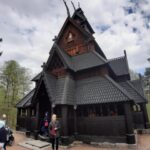
- Museum of Wooden Architecture
This option can be a strong fit if your group likes museums that feel like time machines. You’ll often get a bigger “wow” factor than a single-room gallery experience. The only drawback is simple: these museums can be content-heavy, so choosing just one of them within the 4-hour framework is sometimes easier than trying to do too much.
How the optional Opera House and Vigeland Park add a unique Oslo angle
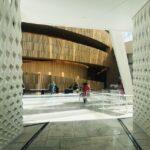
The tour can also include the new National Opera House and Vigeland Park, using about 10 minutes of tram time to get there. This is an interesting add-on because it broadens the day beyond museums into architecture and sculpture.
Vigeland Park is especially useful for anyone who wants an outdoor art experience without paying for another indoor museum. The Opera House brings a different kind of cultural landmark—more about design and setting than a single collection.
One thing to plan for: since the main museum component is the core of the tour, these optional stops work best when you keep your museum choices tight. If you pick two museums already, the optional time slots may feel compressed.
4 hours is the rule: pacing, walking, and smart priorities
The total duration is about 4 hours. That number matters because it shapes what you can realistically cover without rushing.
Here’s how I’d plan it if you want the day to feel satisfying:
- Pick one museum if you’re aiming for deep attention.
- Pick two museums only if they’re complementary (for example, pairing a classic museum with a modern one, or keeping Bygdøy selection to one anchor site).
- Decide early whether you want the Opera House and Vigeland Park add-on. They’re great, but they compete for time.
Also, the tour includes walking city-center segments, plus outdoor history stops. That means the museum portions need to be efficient. The guide’s job is to help you focus on what’s most worth your time, but your best results come from selecting a museum mix that matches your interests rather than trying to do everything.
Pickup, mobile ticket, and the private-group advantage
This is a private tour/activity, with only your group participating. Up to 10 people can join, and pickup is offered. That private setup is more comfortable than joining a large group—especially when you want to ask questions about artworks and themes without speaking over a crowd.
You also get a mobile ticket, which is convenient if you’re using your phone for everything else while traveling. And the tour runs near public transportation, which matters if your day in Oslo includes other plans before or after.
If you’re traveling with friends and want one guide to coordinate the whole arc—from streets to museums—that private group format is a real quality-of-life upgrade.
Price and value: what $445.68 per group really means
The price is $445.68 per group (up to 10) for the ~4-hour experience. That sounds like a lot until you think in group terms. If you fill the group size, it can work out to roughly $44.57 per person at the top end—before museum entry costs.
What makes it feel like value is the combination:
- a professional guide for the city flow,
- plus an art historian guide for the art context,
- plus museum flexibility so you’re not stuck with a predetermined set of galleries.
Museum costs are the main variable. The info notes 100 kr per person for museum entrances, and it also lists Admission Ticket Free. Since those details can conflict, I’d treat it as a prompt to confirm what’s actually covered for your chosen museum stops. In Oslo, entrance fees vary by museum, and it’s worth knowing which ones apply to your plan.
Either way, you’re paying for guidance and time structure as much as you’re paying for museum access.
The guide experience: energy, pacing, and careful meeting points
The most repeated praise for this tour is the guide approach. You’ll want an art historian who can explain art without turning it into a lecture. Here, the guide is described as enthusiastic and takes time to show things properly.
One useful detail from a past participant’s experience: a guide named Tanya coordinated meet-up by messaging and giving exact directions, even meeting at a place like Hotel Continental. That’s the kind of practical care that prevents the annoying start-of-tour scramble.
If your day in Oslo includes a busy schedule—hotel changes, cruise timing, or just trying to get organized—this kind of communication matters.
Who should book this Oslo art and museum tour
This tour is a strong fit if:
- you know Munch and want the bigger picture of Norwegian art,
- you like learning from context as you walk,
- your group includes different art tastes (classic works, modern art, or Bygdøy-style cultural museums),
- you want a guided plan in a short window.
It may be less ideal if:
- you want to spend most of your day in one museum only,
- you care only about one specific collection and don’t want any other stops,
- your group expects the tour to automatically include the National Museum without choosing it.
If you fall into the sweet spot, you’ll get a day that feels like Oslo’s art scene is connected rather than chopped into separate trips.
Should you book this Art and Museum Tour of Oslo?
I’d book it if you want an art-focused day that still gives you real Oslo context—Aker Brygge, the Royal Palace area, Akershus Fortress, Kvadratura, and then museum time guided by an art historian. The price works best when your group size is near the maximum, and the museum flexibility is a big advantage for matching your interests.
Before you book, decide your museum priorities and whether you want the optional Opera House and Vigeland Park add-on. Then confirm what museum entrance fees apply for your chosen stops, especially given the note about 100 kr per person alongside Admission Ticket Free.
If you do those two things, this tour has the right formula: art history with legs, not just a museum ticket.
FAQ
How long is the Oslo art and museum tour?
It’s approximately 4 hours.
What does the tour cost?
The price is $445.68 per group, up to 10 people.
Can you choose which museums to visit?
Yes. You can choose one or two museums, with options such as the National Gallery, Astrup Fearnley, or museums on the Bygdøy peninsula.
Are museum entrance fees included?
The info says museum entrance fees are 100 kr per person, and it also lists Admission Ticket Free. It’s worth confirming which museum entries are covered for your chosen stops.
Is pickup offered, and do I get a ticket on my phone?
Pickup is offered, and you’ll receive a mobile ticket.
What if my plans change?
You can cancel for free up to 24 hours in advance for a full refund.