Oslo, tailored for your questions, starts here. I love that this tour can include hotel pickup in central Oslo, so you don’t lose time figuring out where to meet. I also love the pre-tour questionnaire, because it turns the day from a preset route into something that actually fits what you care about.
The big catch is that it’s mainly a walking tour, and your comfort level (pace, weather, and how much you want to stop) will shape the experience. If you prefer lots of explanation without having to ask, plan to speak up and ask follow-ups when you want more detail.
In This Review
- Key highlights you’ll feel right away
- Entering Oslo your own way: private, personal, and flexible
- Before you meet: the questionnaire that changes what you see
- From TigerJernbanetorget to Vigeland’s park: sculpture first, then the boulevard
- Karl Johans gate and the Royal Palace: making the classic route make sense
- A small gallery detour: the kind of stop most people miss
- Pastel streets, boutiques, and coffee stops: the Oslo you actually walk through
- Akershus fortress edges to the harbor: where old walls meet modern lines
- Walking logistics that matter in real life
- Price and value: $103.58 per person, and what you’re really paying for
- Who should book this private Oslo walk
- Should you book this tour
- FAQ
- How long is the private Oslo walking tour?
- Where does the tour start?
- Is hotel pickup available?
- Is this a private tour or a group tour?
- Is transportation included?
- Are food, drinks, or attraction tickets included?
- Can I communicate with the guide before the tour?
- Is the tour offered in English?
- Is free cancellation available?
Key highlights you’ll feel right away
- A local co-planned itinerary starting with a short questionnaire before you meet
- Vigeland Sculpture Park with more than 200 works by Gustav Vigeland
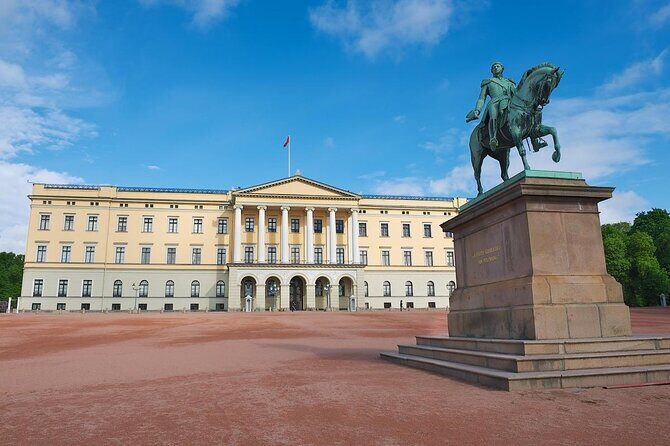
- Karl Johans gate and the Royal Palace area, plus a shot at the 13:30 changing of the guard
- A quirky, less-visited gallery stop with an offbeat collection many people miss
- Pastel-hued side streets for boutiques, coffee, and a more everyday Oslo vibe
- Akershus fortress area into the harbor, where medieval walls meet modern design
Entering Oslo your own way: private, personal, and flexible
This isn’t a large-group “walk and hope” kind of tour. It’s private, so the guide can match your questions, your interests, and even your pace. You’ll choose a length from 2 to 8 hours, which is a big deal in Oslo, where sights are spread out and the weather can change fast.
Before you go, you’ll get a short questionnaire. Think of it as a quick way for your guide to learn what you want most: history, architecture, culture, photo stops, shopping advice, or just a smooth overview that helps you feel oriented on day one. Then your host reaches out with direct communication to shape the route around your answers. That co-creation is the heart of the experience.
And yes, you can ask plenty of questions. If you’re the type who wants context (why Oslo looks the way it does, how people live, what locals argue about), you’re in the right format. Guides you might meet—like Mary, Neil, Sheenam/Sheena, Maria, or Marianne—are repeatedly praised for handling questions well and adjusting on the fly, including for slower paces.
You can also read our reviews of more private tours in Oslo



Before you meet: the questionnaire that changes what you see
Most walking tours give you a route and hope you’re into all of it. Here, the start is different. You’ll answer a short questionnaire and share must-sees and preferences, then your guide personally contacts you to craft a day that fits your style.
That matters because Oslo has strong “icon” sights—like Vigeland and the central palace area—but it also has everyday neighborhoods where small details make the city feel real. A good customization turns those quieter sections into something you actually notice: the kind of street life you care about, architecture you want to understand, and local routines you can spot while walking.
You’ll also be able to steer decisions mid-tour. For example, one guide adjusted the plan to a slower, senior-friendly pace, while still covering the key points. Another built choices around what the group wanted most in a short window. The point: you’re not trapped in someone else’s agenda.
From TigerJernbanetorget to Vigeland’s park: sculpture first, then the boulevard
Your tour meets at TigerJernbanetorget (0154 Oslo). If you select hotel pickup, your guide meets you at your central hotel and you start on foot. Either way, you’ll begin with that early “Oslo mood set” feeling—walkable city center first, then sights that give you instant context.
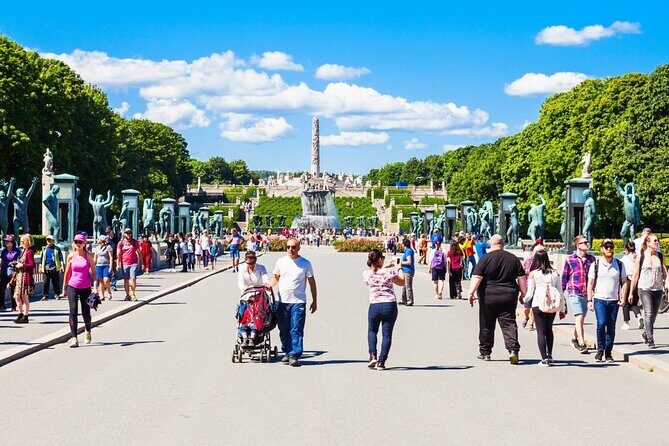
One of the first stops is Vigeland Sculpture Park, a lush, tree-lined place filled with more than 200 works by Gustav Vigeland. The park is a smart opener. It’s iconic enough that you won’t feel lost, but it’s also relaxed enough that you can absorb the city’s style without rushing straight into a checklist.
What makes this stop work on a guided day is that the guide can explain what you’re looking at while you’re still fresh—symbols, themes, and why the park is such a big part of Oslo identity. You also get a nice visual “pause” before moving to the city’s main boulevard.
Karl Johans gate and the Royal Palace: making the classic route make sense
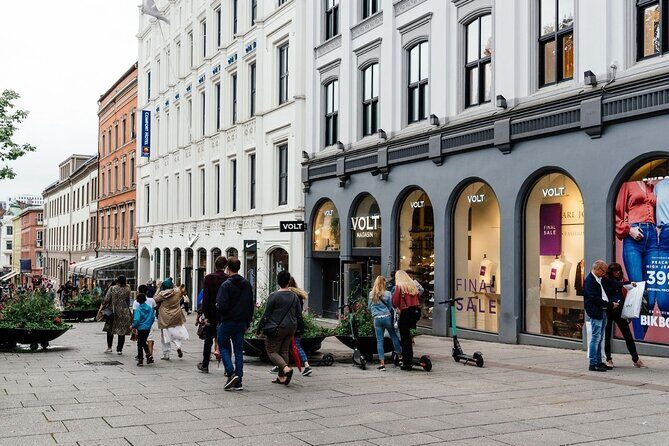
After the park, you’ll head down Karl Johans gate, Oslo’s main boulevard—cafés, street life, and the steady pull toward the grand palace area. This is one of those streets where it’s easy to just walk, take a photo, and move on. With a guide, you’ll slow down enough to notice what the architecture and street layout are telling you about Oslo’s priorities.
From there, you may reach the Royal Palace area. Timing matters here. If your schedule lines up, you might see the ceremonial changing of the guard at 13:30. Even if you don’t catch it, being in the correct area at the right moment is part of the payoff, because the palace zone is built for watch-your-step arrivals and clear sight lines.
Practical note: the changing of the guard is a specific moment, so dress for it and plan to stand comfortably. If you get stuck with cold legs (Oslo in winter can be no joke), ask your guide for a better spot to watch.
A small gallery detour: the kind of stop most people miss

Not every Oslo tour spends time on the oddball stuff. This one may include a lesser-known gallery featuring one of the world’s most curious collections. The vibe is intentionally different from a big-ticket museum: you’re in a smaller setting, and the guide can talk about why the collection matters and what makes it feel so local.
This stop is valuable because it breaks the “big sights only” habit. It gives you a story to take home beyond postcard views—something that sparks conversation later. It’s also a great option if you want a little indoor time, especially when weather makes the street less pleasant.
One thing to keep in mind: since this kind of gallery is not a universal name, you’ll get more out of it if you ask your guide what to look for. If you’re the type who likes a strong narration at every step, use your questions early.






Pastel streets, boutiques, and coffee stops: the Oslo you actually walk through
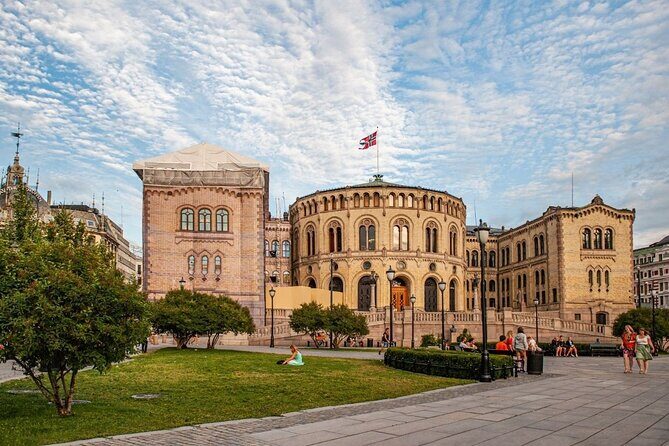
Next comes a street that feels a bit eccentric and very Oslo in detail: pastel-colored buildings, quirky boutiques, and inviting coffee spots. This part of the day is where you stop feeling like you’re just moving between landmarks and start picking up the city’s everyday texture.
Even if you don’t plan to shop, this walk helps you understand how Oslo blends official grandeur with personal, casual spaces. It’s also a natural time to ask for practical advice: where locals go for coffee, how to handle souvenir shopping, and what’s worth spending on versus skipping.
You might get shopping tips that go beyond the obvious. In one example, a guide helped with ideas ranging from souvenirs to items you didn’t expect to buy while traveling. That kind of advice turns a casual stroll into a useful city-awareness tool.
If you want a quick break, bring it up. Coffee is usually the easiest “temperature reset” in Oslo, and a private guide can shape the timing so you’re not running on fumes.
Akershus fortress edges to the harbor: where old walls meet modern lines
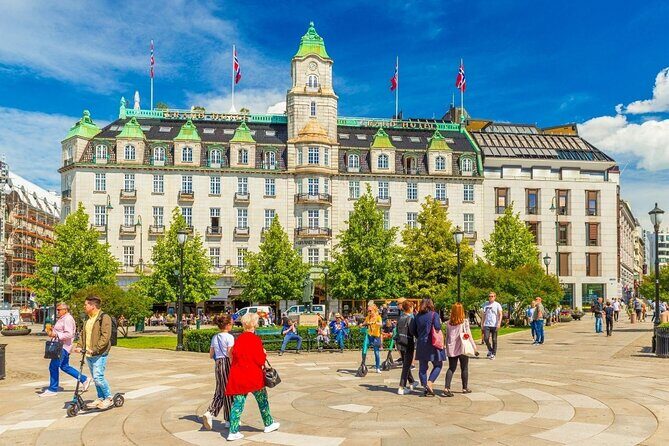
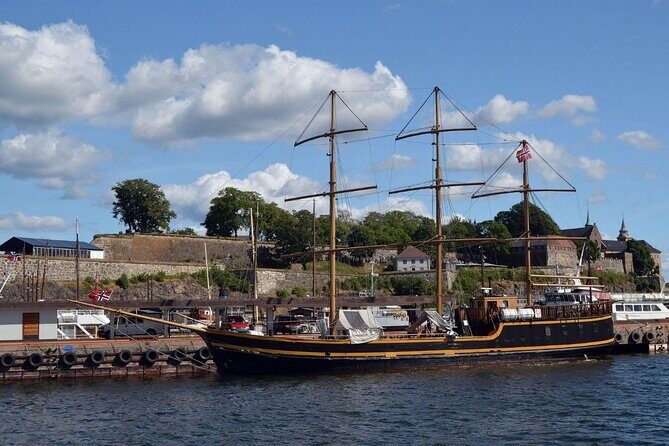
In the later part of your walk, you’ll move around the edges of a medieval stronghold, and then toward the harbor, where older history and modern design share the same horizon. This is a great section for photos and big-picture understanding.
A fortress-to-harbor transition works because it shows Oslo’s dual identity. You can see how the city guarded itself historically, then watch how it presents itself today—clean lines, contemporary buildings, and a waterfront that feels planned rather than accidental.
What you should expect here is less about a single museum moment and more about atmosphere. Your guide can point out why certain areas feel “new” while others still carry weight from the past. It’s also a good time to ask questions about daily life—how people use the waterfront, what the city prioritizes, and how Oslo thinks about design in public spaces.
Walking logistics that matter in real life
Since it’s mostly on foot, logistics are the story. The tour is flexible in length and start time, but the walking amount will vary based on your chosen duration and the route your guide builds from your interests.
Pickup helps. If your hotel is in the central area list, you can start directly from there. If your hotel isn’t listed, you can choose the central landmark meeting option. Either way, the tour begins on foot and ends back at the meeting point.
For longer transfers (if needed), your guide may suggest using public transport. Exact costs can be settled on the day. That’s normal in Oslo because it’s very walkable, but not every link is ideal when you’re tired, cold, or short on time.
Pace can also change. If you have walking difficulty, mention it early. There’s evidence that guides can adjust the itinerary without skipping the core highlights—one guide successfully handled a slower rhythm while still hitting key stops.
Price and value: $103.58 per person, and what you’re really paying for
At $103.58 per person, this is not a budget group walk. You’re paying for privacy, planning, and a guide who can tailor your day instead of forcing you into someone else’s template.
Here’s where the value really shows:
- The questionnaire and pre-planning. You’re not starting from scratch when you meet the guide.
- The flexibility of duration (2–8 hours). If you’re short on time, you can compress. If you want depth, you can stretch it.
- Hotel pickup option in central Oslo, which can save real friction on day one.
- Direct Q&A during the walk. If you like context, a private format is often worth it.
What isn’t included matters for budgeting:
- Food, drinks, and attraction tickets are not included. If you want a snack or lunch, you’ll pay.
- Transportation is primarily walking, with public transport possibly used for transfers.
- Gratuities are optional.
So when is it a smart buy? If you have limited time in Oslo and want to see the major highlights plus quieter areas, or if you want someone to turn your questions into meaningful context. If you’re the type who likes to wander independently and you don’t care about explanation, you may get similar sights faster on your own.
Who should book this private Oslo walk
This tour fits best if you want:
- A first visit to Oslo and you want a guide to help you get oriented fast
- A mix of landmark sights and less crowded streets
- A day built around your questions (architecture, history, daily life, culture)
- Flexible pacing, especially if you need a slower tempo
It’s less ideal if you strongly dislike walking or you want a mostly indoor, ticket-heavy schedule. Since tickets aren’t included and the format is walking-first, you’ll likely spend your energy on street time rather than museum time.
Should you book this tour
I think it’s a good booking if your goal is a smart, guided introduction where your guide can steer the day. The combination of hotel pickup option, pre-tour questionnaire, and the chance to hit major sights like Vigeland Sculpture Park and the Royal Palace area makes it a solid value for a private experience.
If you’re unsure, do this quick check:
- If you’ll ask questions and want context, book it.
- If you want a rigid script and lots of narration at every stop, ask your guide early how they structure commentary.
- If you need less walking, choose a shorter duration (closer to the 2-hour end) and tell your guide you want fewer long stretches.
This is one of those days that can turn Oslo from a set of photos into a place you understand.
FAQ
How long is the private Oslo walking tour?
You can choose a tour length from 2 to 8 hours.
Where does the tour start?
The tour starts at TigerJernbanetorget, 0154 Oslo, Norway.
Is hotel pickup available?
Yes. Hotel pickup from central Oslo is available. If you prefer, you can also choose a central meeting point option instead.
Is this a private tour or a group tour?
It’s a private tour, and only your group participates.
Is transportation included?
Primarily no. It’s a walking experience. For longer distances, your guide may suggest public transport, and any transport costs can be settled on the day.
Are food, drinks, or attraction tickets included?
No. Food, drinks, and tickets to attractions are not included.
Can I communicate with the guide before the tour?
Yes. After booking, you’ll receive a short questionnaire, and your guide will personally reach out for itinerary planning and local recommendations.
Is the tour offered in English?
Yes, it’s offered in English.
Is free cancellation available?
Yes. You can cancel for a full refund up to 24 hours before the experience start time.