REVIEW · OSLO
Oslo: Private Water Adventure and Flite Scooter Rental
Book on GetYourGuide →Operated by Oslo Efoil & activities · Bookable on GetYourGuide
Oslo Fjord turns into a runway for your water flight. You strap into an electric hydrofoil setup and learn how to hover above the waves, not just splash around. It is a mix of calm views and real adrenaline, powered by a quiet, eco-friendly electric motor.
I like two things a lot: the coaching makes it feel doable for first-timers, and the setting is pure Oslo Fjord scenery from the water. In at least one recent session, instructor Antoine was patient step by step with a beginner, and that same kind of calm guidance shows up again and again in feedback.
One consideration: you are suited up with a wetsuit and impact gear, and the activity is not designed for everyone (age limits and no wheelchair access are clear). If you hate cold water or tight-fitting gear, plan ahead so you are comfortable before you arrive.
In This Review
- Key highlights worth your attention
- Why Oslo Fjord foiling feels like real flight
- Getting there: Skinnerbakken and the Oslo Efoil pier meet-up
- The 1–2 hour flow: gear up, learn fast, then ride
- Learning the controls: speed, balance, and real coaching
- A smart tip for first-timers
- The electric board kit: what’s included and why it’s more than gear
- Views, wildlife, and the little moments while you’re flying low
- Price and value: is $103 per person worth it?
- Who this suits best (and who should skip it)
- Should you book Oslo: Private Water Adventure and Flite Scooter Rental?
- FAQ
- Where do I meet for Flite Scooting on Oslo Fjord?
- How long is the experience?
- What’s included in the price?
- What should I bring?
- What languages are the instructors?
- Is the activity suitable for children?
- Is alcohol allowed during the activity?
Key highlights worth your attention
- Hovering over Oslo Fjord on an electric hydrofoil board, not a motorboat ride
- Small-group, near-private feel, with one rider per session noted in the setup
- New-feeling gear and patient instruction, including help filming videos for memories
- Safety kit included: helmet, impact vest, and wetsuit
- A performance tracking app tied to the ride experience
- Quiet, eco-friendly electric power, so you hear water and surroundings better
Why Oslo Fjord foiling feels like real flight
The thrill here is not just speed. It is the moment your board lifts and you start gliding above the surface. Oslo Fjord gives you that extra wow factor because the water is right there, close to the shore, with islands and coastline in view as you move.
What makes this experience hit for most people is the mix of senses. You get the weightless feeling from the hydrofoil ride, while the electric motor keeps things calm and controlled. You are not fighting a loud engine. Instead, you get a smooth sensation as you accelerate, hit lift, and learn the little adjustments that keep you steady.
And yes, coaching matters. Several people highlight how quickly they picked up the basics. The shared theme is that instruction is clear and patient, even if you have never tried anything like this before.
You can also read our reviews of more private tours in Oslo
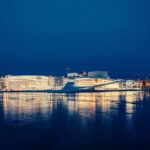


Getting there: Skinnerbakken and the Oslo Efoil pier meet-up
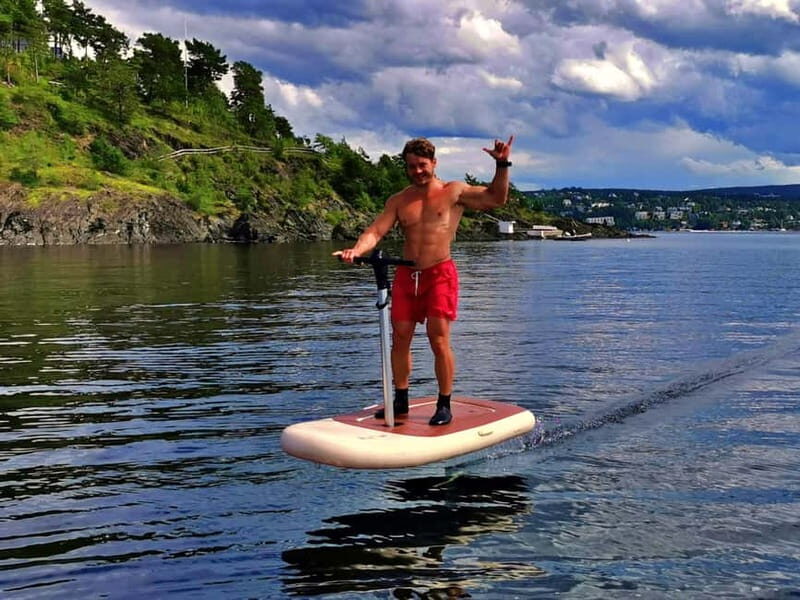
You start at Skinnerbakken, and the meeting point is on the pier. The easiest way to find it is to look for the Oslo Efoil beach flag at the beach, by the pier.
This matters because you want your prep done before you meet your instructor. You do not want to be guessing where to go when you are already thinking about getting suited up and out on the water.
In terms of logistics, the activity is scheduled for a 1 to 2 hour window. In that time, you will get instructions, gear on, and ride time. That pacing is important: it is enough time to learn, but not so long that you feel worn out before you get your best glides.
The 1–2 hour flow: gear up, learn fast, then ride
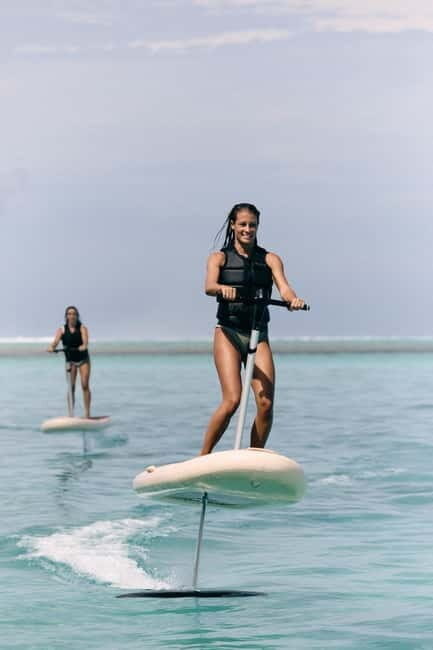
The actual itinerary is simple: start at Skinnerbakken, get on the water for the main session, then return back to Skinnerbakken.
Here is what the flow typically feels like once you arrive:
1) Meet your instructor and get geared up
You will be provided with safety equipment including a helmet and impact vest, plus a wetsuit. You’ll also use the board and controller, and you may see a performance tracking app connected with your ride.
2) A short on-water learning period
You will start with the basics of how to handle the board. The goal is to help you build confidence fast, so when you accelerate you know what you are trying to do.
3) Riding time on Oslo Fjord
Once you have the hang of control, you get the fun part: gliding over the water with the hydrofoil effect. This is where you get that lifted, effortless feeling people rave about.
4) Wrap-up and return to Skinnerbakken
When your time window ends, you head back to the starting point. The experience is designed to be a true activity, not an all-day expedition.
One detail I appreciate from the experience setup: everything is built around getting you moving quickly. People mention the kit is easy to use and quick to understand, yet still challenging enough to push yourself once you have control.
Learning the controls: speed, balance, and real coaching
Hydrofoiling looks simple on video. In real life, it is mostly about smooth control. The good news is that the structure is geared toward beginners as well as people who want a little challenge.
Your instructor guides you through:
- how to handle the board and controller
- how to accelerate safely toward lift-off
- how to maintain stability once you are gliding above the water
In feedback, the most praised ingredient is instruction that stays calm under pressure. One beginner experience mentions help on every step, which is exactly what you want if your first thought is, Wait, do I really get to fly today?
Also pay attention to the practical extras that make the session feel more complete. Some people note the instructor helped film videos of their ride. Another person mentioned the host provided videos after the session, which is a nice bonus if you want proof you were actually up there and not just holding on for dear life.
A smart tip for first-timers
Go in expecting a learning curve and you’ll enjoy the session more. You do not need to be athletic, but you do need patience for the moment where your body learns the balance and your hands learn the controller rhythm.




The electric board kit: what’s included and why it’s more than gear
This is a private water adventure using a Flite Scooter hydrofoil board powered by an electric motor. The kit includes:
- the board and engine system
- controller
- performance tracking app
- helmet, impact vest, and a wetsuit
That equipment list is not just paperwork. Each item affects your comfort and confidence.
Helmet and impact vest mean you can focus on skill instead of worry. Wetsuit matters because Oslo Fjord water temperatures can make you feel cold faster than you expect, especially once you are in and out of the water area. Even if the ride time is short, cold discomfort can ruin concentration.
The performance tracking app is a fun add-on because it turns the session into something you can remember in data form as well as video and photos. The exact metrics are not detailed here, but the key point is that your ride is tracked through the setup.
Views, wildlife, and the little moments while you’re flying low
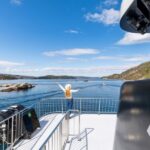
What makes Oslo Fjord special is how close you can ride to shorelines and islands. From above the water, the world looks different. You see coastline angles and water patterns you would miss from a walking path or a standard boat.
There is also a nature angle. With a quiet ride across the fjord, you may notice birds and wildlife activity. Swans and waterfowl are mentioned as possible sightings, and the environment is described as peaceful enough to feel like a break from the city.
In practical terms, keep your head up during safe moments. You’ll want to enjoy the view and not just watch the water under your feet. If you do want photos or video, consider asking your instructor for help filming. Several reviews mention that support.
Price and value: is $103 per person worth it?
At $103 per person for a 1 to 2 hour session, the price feels fair when you compare what you get: a guided experience with a hydrofoil board, full safety gear, wetsuit, and instruction geared toward both beginners and people who want challenge.
The value improves if you consider the whole package:
- You are not renting gear and improvising training. You have coaching built in.
- You do not need to source a wetsuit or impact gear yourself.
- You get a performance tracking app and potential video support, which increases your chance of leaving with something more than just a memory.
This is also priced like an activity, not a “transport and watch” tour. You are actively learning and riding for most of the time window. If that is your idea of a good day, it is good value.
If, however, you only want a low-effort scenic cruise, this might feel intense for what you want. The experience is about learning to fly above the water.
Who this suits best (and who should skip it)
This activity is designed for people who can follow safety instructions and enjoy hands-on sports. It is not listed as suitable for:
- children under 10 years old (and other younger age cutoffs are specified up through under 13)
- wheelchair users
- babies under 1 year
- people over 95 years
There is also a clear rule about substances: alcohol and drugs are not allowed.
In real life, the best fit usually comes down to comfort level:
- You should feel okay wearing a wetsuit and impact vest.
- You should be comfortable getting into the gear and handling controlled water movement.
- You should enjoy learning a new skill rather than just watching from the side.
If you’re the type who likes trying something different in Oslo beyond museums and city walks, this is a strong match. The near-private format also helps if you want attention and clear guidance.
Should you book Oslo: Private Water Adventure and Flite Scooter Rental?
Book it if you want a short, memorable activity that blends adrenaline with stunning fjord scenery. The biggest selling points are the ease of learning with patient coaching and the fact you are on the water doing real riding, not merely observing.
Think twice if any of these apply:
- you do not like putting on wetsuits and safety gear
- you want a very relaxed experience with no skill component
- you are outside the listed age limits or need wheelchair access
One last planning note: the setup allows free cancellation up to 24 hours in advance and the option to reserve now and pay later, which is handy if Oslo weather is a factor for your schedule.
If your goal is to say you actually flew over Oslo Fjord on an electric foil board, this is one of the most directly “you’ll remember this” activities in the city.
FAQ
Where do I meet for Flite Scooting on Oslo Fjord?
Meet at Skinnerbakken. Look for the Oslo Efoil beach flag on the pier at the beach, and that’s your meeting point.
How long is the experience?
The duration is listed as 1 to 2 hours. Check available starting times when you book.
What’s included in the price?
You get the Flite scooter/board setup with controller, a performance tracking app, and safety equipment: a helmet, impact vest, and a wetsuit.
What should I bring?
Bring a towel and beachwear. You will receive the wetsuit and safety gear as part of the activity.
What languages are the instructors?
Instructors offer English and French.
Is the activity suitable for children?
No. The information provided says it’s not suitable for children under 10 years, and it lists additional younger age cutoffs up through under 13 years.
Is alcohol allowed during the activity?
No. Alcohol and drugs are not allowed.