REVIEW · OSLO
Oslo City Walks: The City of Contrasts
Book on GetYourGuide →Operated by Oslo Guidebureau AS · Bookable on GetYourGuide
Oslo can feel like it changes overnight, in a good way. This city walk is built around that contrast, pairing new architecture with the story of how Oslo grew into a modern capital. I like that it’s led by an authorized Oslo guide, so the history of the city’s shift isn’t just facts—it’s explained as you move.
You’ll spend about two hours seeing the way Oslo blends industry, infrastructure, and bold design in one continuous route. The only real caution: it’s not a long, site-stacking tour, so if you’re hunting for a dense list of top sights, you may want to pair it with other stops on your own.
In This Review
- Key points before you go
- Oslo in two hours: what contrasts you’ll see
- Starting at Østbanehallen: the easy meet-up that gets you moving
- The modernization story: suburbs and industrial areas on foot
- Crossing the Acrobat pedestrian bridge into Bjørvika
- Bispevika and the Munch Museum area: modern landmarks on the route
- Traditional and contemporary together: what to notice as you move
- Deichman Library and the Opera House area: a strong finish point
- Price and value: is $52 worth a 2-hour walk?
- Group size and pacing: what to watch for
- Who should book this Oslo City Walk
- Should you book Oslo City Walks: The City of Contrasts?
- FAQ
- Where does the tour start?
- How long is the Oslo City Walk?
- What day does it typically run?
- What languages are offered?
- Is the guide authorized?
- What areas will the walk cover?
- Where does the tour end?
- What should I wear?
- Are there any items you can’t bring?
- Are high-heeled shoes allowed?
- What’s the price?
Key points before you go
- Authorized Oslo guide: you get commentary that connects the buildings to the city’s growth
- Modern waterfront emphasis: Bjørvika and the surrounding areas show Oslo’s new face
- Acrobat pedestrian bridge crossing: a clean, easy highlight that links neighborhoods fast
- Munch Museum area views: you’ll pass by a major contemporary landmark
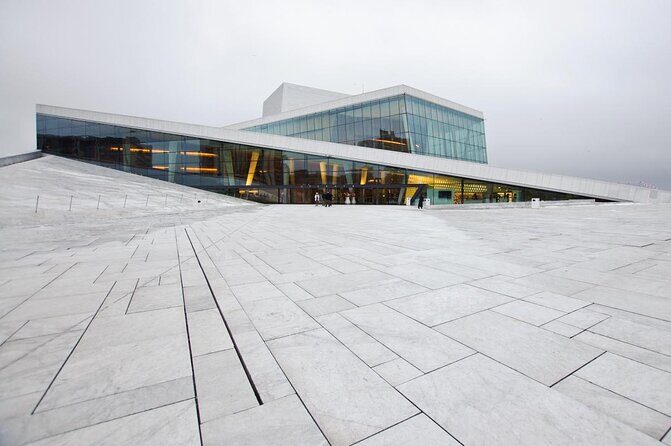
- Finish by Deichman Library and the Opera House: a strong ending point near central icons
- Designed as an evening walk: Monday evening timing helps you catch softer light and calmer streets
Oslo in two hours: what contrasts you’ll see
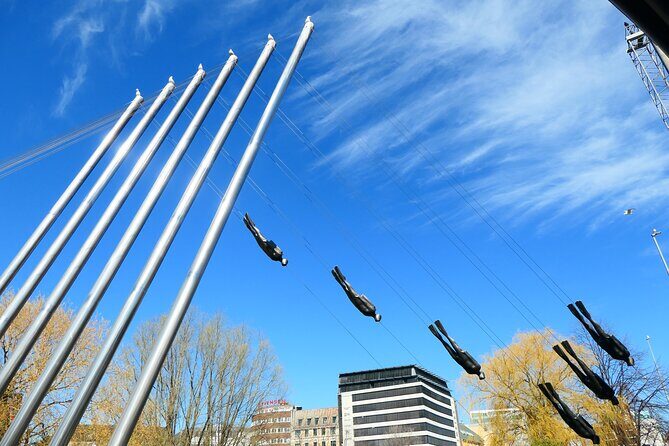
This walk is for people who like their city sightseeing with a theme. Instead of trying to tick off every famous museum and square, you focus on one idea: Oslo’s modernization. The route is built to show how new buildings work next to older structures, and how planning and transit shape everyday life.
I really like that the tour isn’t only about what looks impressive. You get the why behind it—how industrialization and city expansion pushed Oslo toward the future. That turns “nice architecture” into something you can actually read while you walk.
At the same time, it’s still a sightseeing walk. There are plenty of spots where you’ll want your camera out, especially around the central station area and the Bjørvika waterfront corridor.
You can also read our reviews of more city tours in Oslo



Starting at Østbanehallen: the easy meet-up that gets you moving
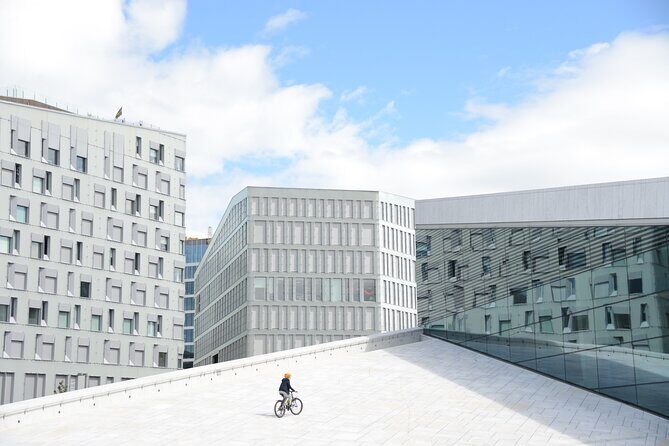
You meet your guide at the Oslo Visitor Centre, inside Østbanehallen, at Jernbanetorget 1. This is one of the smartest starting points in Oslo because it’s close to major transit. If you’re arriving from the airport or another part of town, you’ll likely have an easier time getting there.
Aim to arrive about 10 minutes early. That small buffer matters here because you’re starting from a busy rail hub—getting organized quickly keeps the walk relaxed rather than rushed.
And because this is typically a Monday evening, I think it’s a good choice for travelers who want an outdoors activity without spending their whole day inside. The walk format also keeps things simple: show up, put on your shoes, follow your guide, and ask questions as you go.
The modernization story: suburbs and industrial areas on foot
A big chunk of the experience is about Oslo’s transformation. You don’t just stay in the postcard zone. You’ll head out into suburbs and industrial areas to understand how the city expanded and how infrastructure helped the move.
This is the part that turns the title The City of Contrasts into something real. Oslo’s growth isn’t just a skyline upgrade. It’s also about land use, transport links, and how working zones connect to where people actually live and move around.
What I’d watch for as you walk: pay attention to how the city changes density and purpose block by block. You’ll get a clearer sense of how a modern capital still needs space to function—industry, logistics, and everyday movement don’t disappear just because the city gets nicer.
This section also tends to work well if you enjoy guided context. Without it, industrial or transitional neighborhoods can feel like you’re just passing through. With the explanation, it starts to make sense.
Crossing the Acrobat pedestrian bridge into Bjørvika
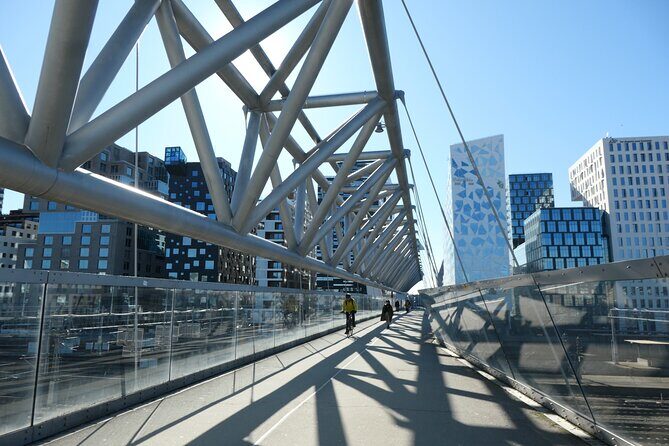
The tour includes a walk over the Acrobat pedestrian bridge at Oslo Central Station, then into Bjørvika. This is one of those “you’ll remember this moment” parts because it’s both practical and scenic. You’re not just walking—you’re transitioning between parts of the city that feel different in mood and design.
Why this stop matters: bridges like this are city lessons. They show how Oslo prioritizes pedestrian movement, and how central areas connect to the waterfront in a way that feels intentional. It’s an architectural moment, but it’s also a transport moment.
From here, the route shifts toward Bjørvika’s development zone. That’s where you really start seeing the modern Oslo identity. If you like photography, the bridge crossing usually gives you lines and angles that feel distinct from the street-level views.
Bispevika and the Munch Museum area: modern landmarks on the route
After the bridge, you’ll pass through Bispevika and go by the new Munch Museum. Even if you don’t enter a museum (the tour is a walk, not an admission-heavy program), going past a major cultural landmark helps anchor the story of modernization.
This stretch is where the city’s “new” becomes very visible. You’ll notice how contemporary architecture is not trying to look old. It’s doing its own thing, but it’s still part of an overall plan that links public spaces, transit, and cultural destinations.
A practical tip: if you want photos without feeling stuck, take a quick look at the building from different angles as you walk. You’ll be moving constantly, and that’s actually an advantage. In one or two minutes, the view can shift enough to feel like a totally different shot.
Also, don’t treat this as only a photo stop. The value is in your guide connecting what you see—materials, design choices, placement—to how Oslo is developing as a capital.






Traditional and contemporary together: what to notice as you move
The core of the tour is the blend—new buildings rising alongside older parts of the city fabric. That contrast is more than aesthetic. It’s about time. Oslo is showing you how layers of growth accumulate.
As you walk, I suggest you keep an eye on three things:
- How the city guides foot traffic: sidewalks, crossings, and pedestrian routes tell you what planners expected people to do.
- How buildings relate to the street: modern designs can feel more open, or more formal, depending on the block.
- How the waterfront and central districts connect: the city doesn’t treat them as separate worlds.
This is the kind of sightseeing that rewards attention. If you let it, the tour helps you read Oslo like a living document rather than just a collection of monuments.
Deichman Library and the Opera House area: a strong finish point
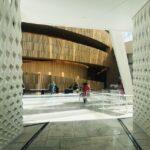
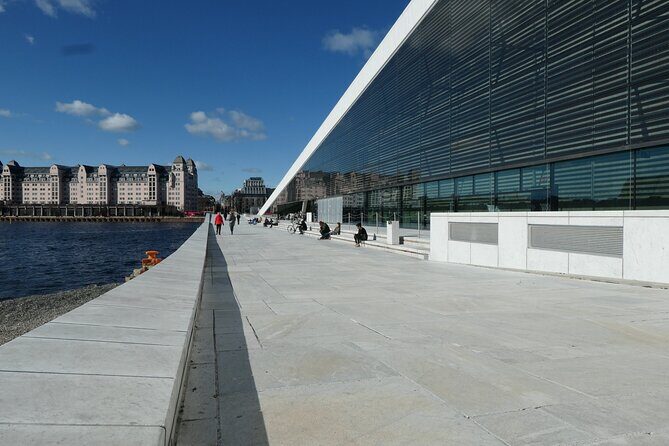
The walk concludes at Deichman Library, next to the Opera House. This is a smart ending location because it’s central and recognizable, so you can keep your momentum after the tour.
Why I like ending here: it’s a cultural hub zone. Deichman Library is a public place, and the Opera House is a major landmark. Finishing between them gives you an easy next step—whether that’s a coffee break, a self-guided photo walk, or another short outing in the area.
Also, ending near the Opera House reinforces the tour’s main theme. Oslo’s modern identity isn’t hidden in private buildings. It shows up in public architecture you can visit and look at from the outside.
If you’re planning your own evening right after, have a flexible plan. This finish spot is the kind of place where it’s easy to stay longer than you intended, because the area is designed for people to linger.
Price and value: is $52 worth a 2-hour walk?
At about $52 per person for a 2-hour tour, you’re paying for two things: an authorized guide and a structured route with interpretation. This isn’t a “watch me walk you to a bridge” experience. The guide is part of the value because the tour is designed around understanding Oslo’s modernization.
Here’s how I’d judge the value for you:
- If you like architecture and city planning context, the price feels fair. You’re getting explanation as you move between neighborhoods, instead of trying to piece it together on your own.
- If you mostly want a long list of classic sights, you may feel limited. The route focuses on contrasts and modern development, not a dense hit parade of major landmarks.
The sweet spot is travelers who want one strong, guided evening that helps them understand what they’re seeing. For everything else—museums, extra viewpoints, and deeper sightseeing—you can add on your own before or after.
Group size and pacing: what to watch for
This tour is short and walking-based, so the overall pace matters. Some groups can feel more crowded than others, and that can change how much you enjoy the stops—especially in the bridge and waterfront areas where people naturally slow down.
If you prefer a quieter experience, pick your departure with that in mind and be ready to move with the group. The good news: at two hours, you’re not committing to something that drags if you’re not feeling the vibe.
On pacing, the most important thing is whether your guide keeps things moving while still answering questions. This is the sort of tour where asking questions can turn a simple walk into an explanation you’ll remember later—so don’t be shy about talking to your guide at a stop where the group naturally pauses.
Who should book this Oslo City Walk
I think this works best for you if:
- You enjoy architecture and want to understand what planning choices mean in real life
- You’re visiting for a short time and want one guided evening that helps everything else make more sense
- You like walking tours where the guide’s commentary is the point, not just the route
It might be less satisfying if:
- You only want the most famous sights with lots of museum time
- You get annoyed by groups that move at a shared pace
Because the route ends near major landmarks, you can also use this as a kickoff. You’ll get a clearer mental map of central districts before you start adding other plans.
Should you book Oslo City Walks: The City of Contrasts?
My take: book it if you want an efficient, guided look at Oslo’s modern growth—especially if you’re curious why the city looks the way it does today. The value is in the authorized guide and the way the route ties together central station, the waterfront corridor, and the cultural finishing zone near the Opera.
Skip it or pair it carefully if you’re expecting a long catalog of classic sites. This is a focused walk with a theme. If your goal is contrast and context, it fits nicely. If your goal is ticking off every major attraction, you’ll probably want to add other activities on your own.
FAQ
Where does the tour start?
Meet your guide in front of the Oslo Visitor Center, located inside Østbanehallen at Jernbanetorget 1, 0154 Oslo.
How long is the Oslo City Walk?
The tour lasts about 2 hours.
What day does it typically run?
It starts on a typical Monday evening. Starting times depend on availability.
What languages are offered?
The live guide provides English and Norwegian.
Is the guide authorized?
Yes. It’s described as an authorized Oslo guide.
What areas will the walk cover?
You’ll explore Oslo’s suburbs and industrial areas, cross the Acrobat pedestrian bridge from Oslo Central Station into Bjørvika, pass through Bispevika, and go by the new Munch Museum.
Where does the tour end?
It ends at Deichman Library next to the Opera House.
What should I wear?
Wear good walking shoes and dress for the weather.
Are there any items you can’t bring?
Drones are not allowed.
Are high-heeled shoes allowed?
No, high-heeled shoes are not allowed.
What’s the price?
The price is listed as $52 per person.