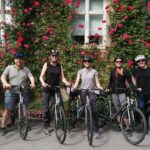
Oslo clicks into focus on two wheels. This private bike tour is built for getting a local-style route through the old city and downtown, with a small group size of up to 8. I love the English-speaking guide who connects stops to how Oslo works, and I love the private feel where you can tweak your timing and add a place if it fits.
One catch: you’ll ride through busy streets where bike lanes help but you may need to improvise between them, and weather in Oslo can shift fast. If you’re not comfortable mixing with city traffic, the ride can feel more demanding than the photos make it seem.
In This Review
- Key Highlights at a Glance
- Why This Private Oslo Bike Tour Feels Like a Real Local Day
- Price and Value: What You’re Really Paying For
- The Route in Plain English: What Each Stop Adds
- Stop 1: Mathallen Oslo
- Stop 2: Our Saviour’s Memorial Cemetery
- Stop 3: Damstredet
- Stop 4: Honse-Lovisas Hus
- Stop 5: Oslofjord
- Stop 6: Aker Brygge
- Stop 7: Oslo Opera House
- Stop 8: Akerselva River
- Cycling Reality Check: Skills, Helmets, and Busy Lanes
- Weather Planning in Oslo: Don’t Underpack
- Snacks, Water, and Keeping Energy Steady
- Where to Meet and How the Timing Works
- Who This Tour Fits Best (And Who Should Think Twice)
- Should You Book This Oslo Bike Tour?
- FAQ
- How long is the biking experience?
- Is this a private tour?
- How many people can be in the group?
- What language is the guide?
- What is included in the price?
- Are bottled drinks included?
- Where do we meet, and where does it end?
- What time is the tour available?
- Do I need any biking experience?
- What is the cancellation policy?
Key Highlights at a Glance
- Private small group (max 8) that you can steer around your own interests
- English-speaking guide focused on what you’re seeing, not just stop names
- Old town + downtown combo with water views along the way
- Helmet and bike included, plus Norwegian waffle snacks to keep energy up
- City cycling reality check: expect quick weather changes and some lane-switching
- Bring your own water bottle to refill at no cost stops along the route
Why This Private Oslo Bike Tour Feels Like a Real Local Day
Oslo is one of those cities where the best “first day” plan is movement: glide from neighborhood to neighborhood and let the map make sense. This tour is designed for that. You don’t just hit famous landmarks; you ride an intentional line through the old city and the downtown waterfront, with a guide explaining both what’s around you and why it matters.
The private setup is the secret sauce. With a group capped at 8, you get a calmer pace and more back-and-forth than a big group ride. You also have room to adjust. The biking itself follows the fixed route, but you can work together on starting times, and if there’s a stop you personally care about, the guide aims to fit it in when possible.
I also like the simple inclusion list. You show up, get a bicycle and helmet, and you’re not burning time hunting rentals. The snack helps too: a Norwegian waffle snack means you’re fueled before the ride starts stacking up.
You can also read our reviews of more cycling tours in Oslo
Price and Value: What You’re Really Paying For
At $302.05 per person for about 3 hours, this isn’t a “cheap and cheerful” city tour. But it can be good value because you’re paying for a few things that are hard to DIY in the right way.
You’re getting:
- A guide in English who walks the line between old-city streets and modern waterfront areas
- A bike plus helmet included, so you avoid rental logistics
- A small-group private format (max 8), which makes the experience feel less rushed
- Snacks: Norwegian waffle for a quick energy boost
- A route that stays focused on getting you oriented fast, instead of spreading you too thin
The big value test for you is this: do you want a curated cycling plan, or do you want to wander on your own? If you’re the wander-first type, you might feel this is pricey. If you want coherence—where you’re going, why you’re going there, and how the pieces connect—then the price starts to look more reasonable.
Also note what’s not included. Bottled water isn’t part of the package. That said, you can refill at multiple places along the way if you bring your own bottle. So the practical cost stays controlled if you plan a little.
The Route in Plain English: What Each Stop Adds
This tour is about balance. You start inland through historic-ish stops, then you swing toward water and major sights, and you finish along the river. The pattern makes the city easier to understand later when you’re walking around on your own.
Here’s how the stops work as a story:
Stop 1: Mathallen Oslo
Your ride begins at Mathallen Oslo, which works well as a warm-up point. Early in the tour, I think the best goal is orientation: you get settled on the bike, you feel traffic rhythms, and you start learning how your guide reads the city.
Even if you don’t treat this as a long photo stop, it’s a smart opening. You’re already in a lively part of town, so you can learn the local flow quickly.
Stop 2: Our Saviour’s Memorial Cemetery
Next is Our Saviour’s Memorial Cemetery. A cemetery is a quieter kind of sightseeing, and it helps break up the ride after the initial street bustle.
This is where the guide’s role matters. You’re not just passing by a location—you’re getting context and a sense of how parts of the city hold memory and meaning, side by side with everyday life.
Practical note: expect a calm pause, but don’t assume it’s fully sheltered. Bring layers and be ready for wind.
You can also read our reviews of more private tours in Oslo



Stop 3: Damstredet
Damstredet is one of the “old streets” style stops that helps you see how Oslo’s layout changes as you move around. Streets like this are where cycling turns into real interpretation: you learn what’s close, what’s built for pedestrians, and where the city encourages movement.
This also tends to be one of the spots where traffic dynamics feel real. Keep your focus on cycling first, photos second, especially if the road feels busy.
Stop 4: Honse-Lovisas Hus
Honse-Lovisas Hus is another built-heritage style stop. Think of it as a visual marker for the old city feel—something you can point to later when you’re trying to remember what part of town you were in.
This stop also gives you a chance to slow down your pace briefly. In a 3-hour tour, those small resets are what keep the ride from feeling like nonstop effort.
Stop 5: Oslofjord
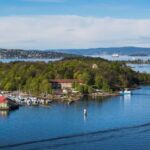
Then the tour shifts toward water: Oslofjord. This is where the entire route becomes more scenic and—honestly—more relaxing.
Water stops add a second kind of sightseeing. It’s not only about buildings now; it’s about lines of sight, bridges or waterfront edges, and the way Oslo breathes toward the bay.
If you’re sensitive to wind, this is where you’ll feel it. Wind protection and a hat or hood can make a big difference.
Stop 6: Aker Brygge
Aker Brygge follows the fjord moment. It’s a classic downtown waterfront type of area, and it’s a useful contrast to the older, calmer-feeling stops earlier in the ride.
This is also a good moment to reset mentally. After earlier stops, you may feel like you’re in history mode; waterfront areas pull you back into the present—how people actually use the city.
Stop 7: Oslo Opera House
The Oslo Opera House is your major landmark stop. Even if you don’t go deep into building specifics, it’s a high-recognition target that helps you anchor the rest of the ride.
From a cycling-plan perspective, landing on a big landmark works. It gives you a strong reference point for later days when you’re picking walking routes around downtown.
Stop 8: Akerselva River
You finish along Akerselva River. Ending with a river line is a smart close because it feels open and scenic, and it’s a natural way to think about the city’s geography after you’ve crossed multiple kinds of areas.
Finish routes matter. Ending back at the meeting point means there’s no confusion at the end, and you’re not figuring out how to get home while you’re tired.
Cycling Reality Check: Skills, Helmets, and Busy Lanes
This is not a “bike in a park” kind of tour. You should have a basic level of bicycling skills. You’ll be moving through a city environment where bike lanes exist, but they aren’t always continuous. That means you might have to adjust your line and timing as you ride between segments.
Here’s the practical way to prepare:
- Ride confidently at normal city pace before you come
- Stay alert at intersections and where lane markings change
- Don’t assume every stretch will feel the same
The good part is that you’re not doing it alone. You have a guide with an English-speaking plan, and the group size is small enough that you can keep an orderly flow.
Helmet use is included. That’s not a small detail in a city where you’ll be sharing space with traffic.
Weather Planning in Oslo: Don’t Underpack
One thing I’d take seriously: Oslo weather can change fast. You might start under decent skies and then get hit by wind, rain, or that mix of cool air and mist that makes you feel colder than the temperature suggests.
Your best strategy:
- Wear layers you can add or remove quickly
- Bring waterproof outerwear (or a light rain shell)
- Expect wind on water stretches like the Oslofjord area
Also, if you’re planning to bring your own water bottle, this is a win in bad weather. You can stay hydrated without needing bottled water.
Snacks, Water, and Keeping Energy Steady
Tour includes a Norwegian waffle snack, which is exactly what you want on a 3-hour ride. It’s easy to ignore hunger when you’re cycling, and then suddenly you feel shaky. A snack keeps the pace smooth.
Bottled water isn’t included. The practical fix is simple: bring your own bottle. The tour includes the chance to refill at several places along the way without cost. That saves you from paying for water mid-ride and helps you keep your hands free.
Where to Meet and How the Timing Works
The meeting point is Platous gate 33, 0190 Oslo, Norway. The activity ends back at the meeting point, so you don’t need a second plan for how to wrap up.
This runs on Monday through Thursday, 10:00 AM to 1:00 PM, within the listed operating window (from 04/13/2024 to 11/30/2026). Since you’re booking a time slot, pick one that matches your energy and your weather expectations.
The tour also notes it’s near public transportation. That matters if you’re hopping between stops by bus/tram before you arrive.
Who This Tour Fits Best (And Who Should Think Twice)
This tour is a great match if you want:
- A fast city overview that mixes old streets with downtown waterfront
- An English-speaking guide who helps you interpret what you’re seeing
- A private group size that stays friendly and manageable
- A plan that’s flexible at the edges, without turning into a free-for-all
It may be less ideal if:
- You’re not comfortable biking in city traffic conditions
- Your idea of a bike tour is slow, quiet, and fully protected
- You want a fully customized route where every stop is re-written (the biking route is fixed, even if timing and extra interest stops can sometimes be worked in)
If you’re traveling as a couple, a small family group, or a group of friends who want a shared plan without a crowd, the max 8 participant limit is a big plus.
One more practical note: the tour recommends having your own travel and health insurance since the provider isn’t responsible for accidents or damage you can create during the tour. It’s one of those details that’s easy to skip until you actually need it.
There’s also a babysit note: it’s not included, but there is babysitting for kids up to 4 years old with max 20 kilos. If that’s your situation, confirm the setup early when you book.
Should You Book This Oslo Bike Tour?
Book it if you want a smart, time-efficient way to get oriented in Oslo, especially if you like the idea of cycling with an English-speaking guide through both older streets and major waterfront areas. The included bike, helmet, and Norwegian waffle snack make it easy to start without logistics stress, and the small-group private format keeps it from feeling like a production line.
Skip it or think twice if weather and busy roads make you nervous, or if your cycling skills are limited to very calm routes. This ride can require some lane-to-lane improvisation in a city setting, and the weather can turn quickly.
If you want, I can also suggest a simple Oslo day plan around this 3-hour slot—so you’re not stuck choosing between biking and walking in the wrong order.
FAQ
How long is the biking experience?
It lasts about 3 hours.
Is this a private tour?
Yes. It’s private, and only your group participates.
How many people can be in the group?
Up to 8 participants.
What language is the guide?
The guide speaks English.
What is included in the price?
A bicycle, an English speaking guide, a helmet, and Norwegian waffel snacks are included.
Are bottled drinks included?
No. Bottled water isn’t included, but if you bring your own bottle, you can refill at several places without cost.
Where do we meet, and where does it end?
You start at Platous gate 33, 0190 Oslo, Norway. The tour ends back at the same meeting point.
What time is the tour available?
On Monday to Thursday, 10:00 AM to 1:00 PM.
Do I need any biking experience?
You’ll need a basic level of bicycling skills.
What is the cancellation policy?
You can cancel for a full refund if you cancel at least 24 hours before the experience’s start time.