REVIEW · OSLO
Oslo: Prison Island Adventure Escape Game
Book on GetYourGuide →Operated by Fangene på Fortet Oslo · Bookable on GetYourGuide
Prison break games are a fun change of pace in Oslo. Prison Island is a timed adventure escape game set up like a TV challenge, with you working through a “prison” full of different challenge rooms. The goal is simple: teamwork, quick thinking, and completing tasks so you score as many points as you can before time runs out.
I especially like the way the game keeps moving. Every room brings a new kind of puzzle and task, so you’re not stuck doing the same thing for the whole 90 minutes to 2 hours. The other big plus is that it’s built to work for lots of people, not just escape-room experts. One note to keep in mind: some rooms may switch languages, and busy groups can make it easier to lose your flow and track of what’s happening next.
In This Review
- Key things I’d circle on the map
- Prison Island’s Oslo vibe: TV-style challenge meets escape rooms
- Your real mission: teamwork and point scoring under time pressure
- Inside the challenge rooms: why variety is the secret sauce
- A practical drawback to plan around
- How long it takes and how teams of 2–5 change the experience
- What to wear: quick thinking needs comfortable shoes
- Language, communication, and the pace of the clues
- Who this suits best in Oslo: families, friends, and teams
- Price and value: is $33 per person a good deal?
- Tips that help you do better without killing the fun
- Booking reality checks (the parts that matter)
- Should you book Prison Island Adventure Escape Game in Oslo?
- FAQ
- How long does the Oslo Prison Island game take?
- How many people are in a team?
- What language is the game played in?
- Is there an English-speaking host or greeter?
- What do I need to wear?
- What time should I arrive before my booking?
- Is the attraction wheelchair accessible?
- What is the minimum age for participants?
- Is transportation included?
- What’s included in the ticket price?
Key things I’d circle on the map
- Timed scoring: You’re not just escaping; you’re chasing points while racing the clock
- New task each room: The variety keeps the game from feeling repetitive
- Team size 2–5: Small teams move faster and communicate better
- Built for different skill levels: You don’t need to be a puzzle wizard
- English gameplay with possible room-language swaps: Plan for mixed clarity in clues
- Comfort matters: You’ll do more than sit and read
Prison Island’s Oslo vibe: TV-style challenge meets escape rooms
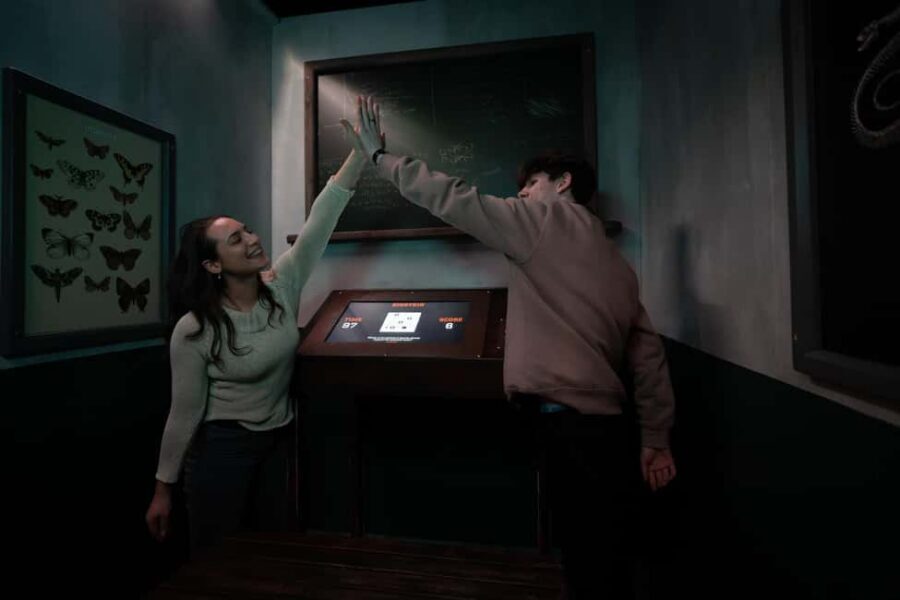
Oslo has plenty of quiet museums and scenic walks, but this is the kind of activity that turns a normal afternoon into something loud, focused, and a bit chaotic in the best way. Prison Island, run by Fangene på Fortet Oslo, is basically an escape-game mashup with the energy of a challenge show. You get a storyline setting, then you’re dropped into rooms that feel like puzzles built to be solved under pressure.
What I like most is the feel of momentum. Even if you’re not sure how a puzzle works at first, the game structure keeps pushing you forward room by room. Instead of one long room that soaks up the whole session, you jump from one challenge to the next, and that makes the experience less stressful for beginners and more entertaining for experienced groups.
You can also read our reviews of more tours and experiences in Oslo.



Your real mission: teamwork and point scoring under time pressure
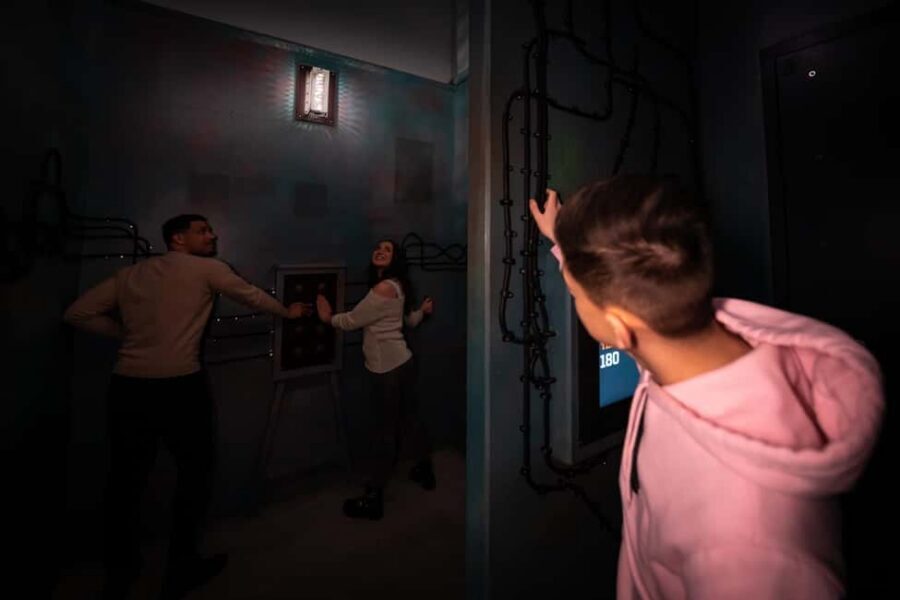
The game runs as a competition style challenge where you solve puzzles, overcome obstacles, and complete tasks within the set time. The setup is simple: your team works together, and there’s a team scorecard so you can track how you’re doing as you go.
This is where the experience becomes more than just entertainment. You’ll quickly learn how much better you perform when you split roles and keep communication tight. Someone watches for clues, someone tries combinations, and someone makes sure nobody gets stuck for too long. The game’s timed structure rewards that kind of organization.
And because the objective is point scoring, not just exiting, it’s okay if you don’t solve every single thing perfectly. You still have a chance to recover, pick up points in later rooms, and keep your energy up rather than spiraling into frustration.
Inside the challenge rooms: why variety is the secret sauce
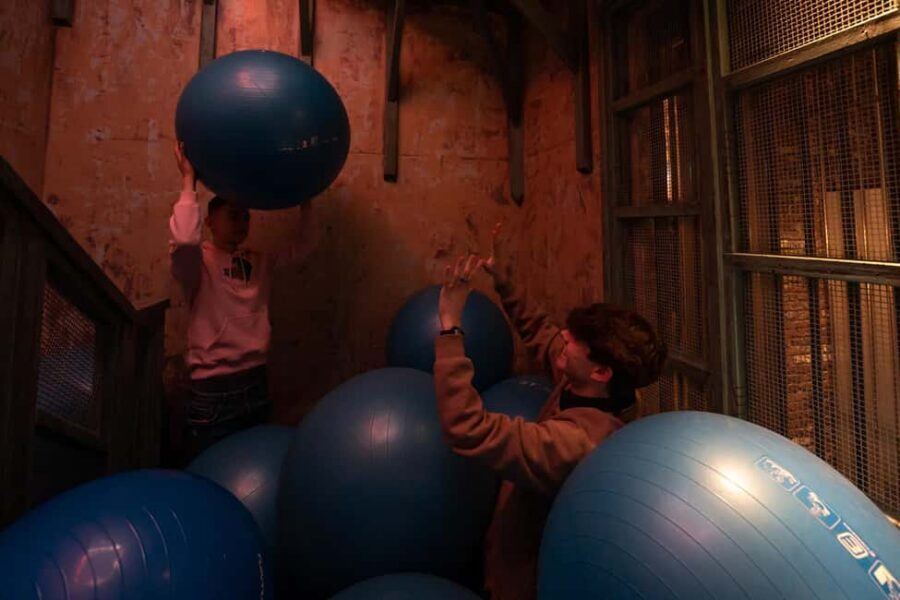
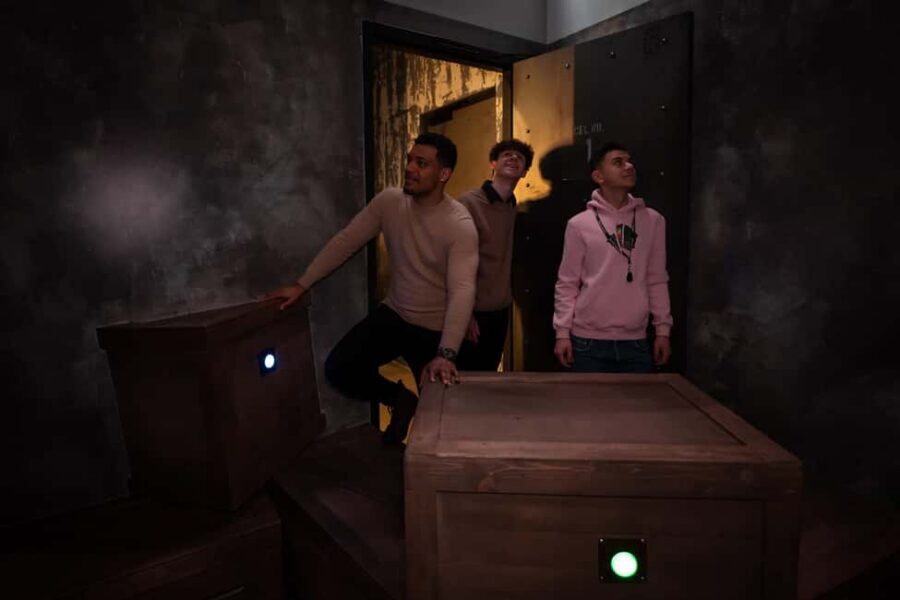
The prison theme is consistent, but the rooms are what do the heavy lifting. The biggest strength of Prison Island is that it’s designed as a sequence of tasks, not one single puzzle. That means you’re constantly switching gears: one room may feel like a logic challenge, another may demand faster physical coordination, and another may reward communication and observation.
One key detail you should know: there are a lot of rooms. The experience is commonly described as having around 50 rooms, and the difficulty varies. That matters for value and also for how you pace your group. If you plan to do only one session, you’ll want to keep your team moving with a strategy: try, read, solve, and only then slow down if you’re close.
Also, the “no two visits are the same” idea is real in spirit. Even if you repeat the game later, you’re likely to get a different mix of rooms and difficulty levels. That’s a big deal if you’re bringing the same group again or you’re looking for something that won’t feel like a one-and-done event.
A practical drawback to plan around
If your group is sensitive to not understanding a clue, keep this in mind: the game is played in English, but some rooms may switch language. That doesn’t automatically ruin the fun, but it can slow down your team if you rely on reading every word. If you want to maximize your success, have your team agree on a simple rule: if a clue text is unclear, treat it as a partial clue and keep testing ideas with the parts you can understand.
How long it takes and how teams of 2–5 change the experience
Prison Island is listed for 90 minutes to 2 hours, depending on starting time and how the session is run. You should arrive early enough for the briefing. The game asks you to be there about 15 minutes before your booking time, so you can get oriented and start smoothly.
Team size is 2 to 5 people. That’s perfect because it keeps the game dynamic. In a small team, you can actually talk in real time, test ideas together, and avoid the common group problem where half the people wait for instructions. If you’ve ever done an escape room where someone gets left behind, you’ll appreciate this structure.
Here’s what it feels like in practice: with a group of 2–3, you’ll move quickly but you may need to be extra organized so nobody gets stuck. With 4–5, you’ll have more hands for puzzles, but you also need to manage who is doing what so the conversation doesn’t turn into background noise.



What to wear: quick thinking needs comfortable shoes
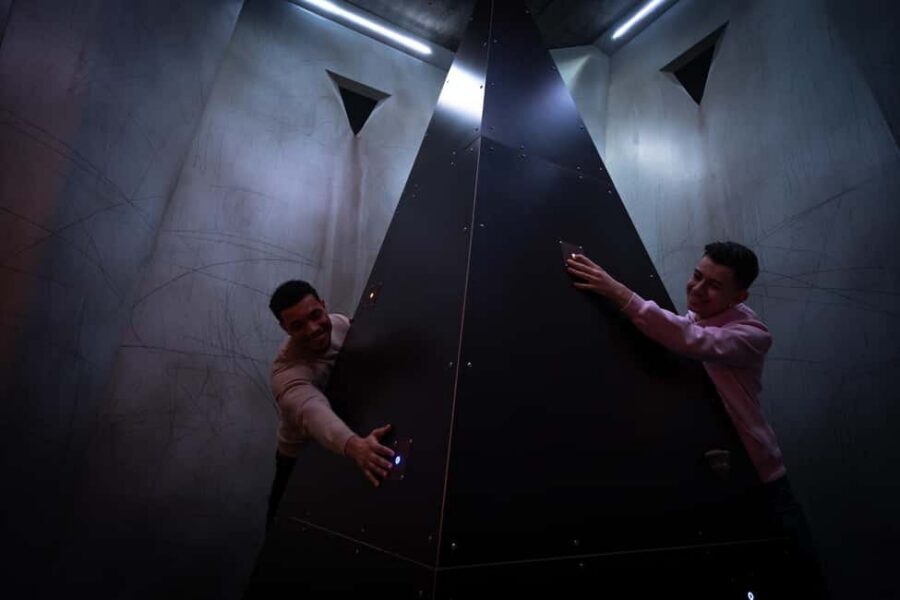
This is not a sit-and-solve activity. The game is physical enough that your outfit matters. Wear comfortable clothing and shoes that you can move in. You’ll feel a difference if you show up in anything too restrictive, too warm, or too slick.
I also suggest bringing a water bottle if you’re the type who gets thirsty during competitive activities. That said, don’t expect storage or a lot of extra amenities beyond what you need for the rooms. Plan like this is an active adventure first.
Language, communication, and the pace of the clues
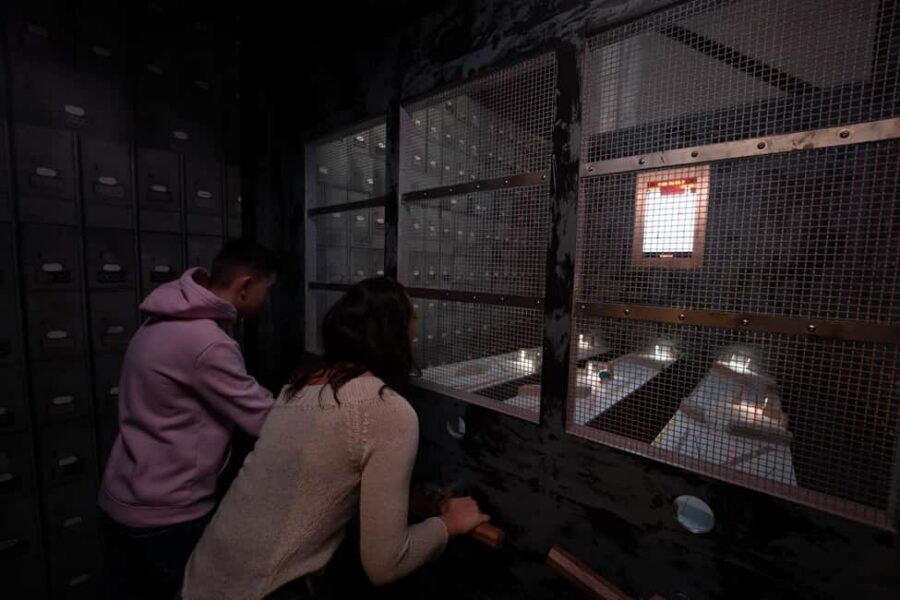
The game is played in English, and there’s an English and Norwegian host or greeter on hand. That’s helpful for briefing and any basic questions before you start.
But the pace is the real factor. The game is built so you’re moving through challenges in a set time window, and the best results come from communication that stays simple. Use quick role assignments like:
- One person reads and calls out what’s written or said
- One person tries combinations or physically checks mechanisms
- One person watches the timer and keeps the group from going too far down a dead end
If your group tends to argue during puzzles, give yourself a small reset. Decide the team will try for a short, fixed amount of time, then rotate roles or move on. That keeps you from losing the whole point total because of one stalled room.
Who this suits best in Oslo: families, friends, and teams
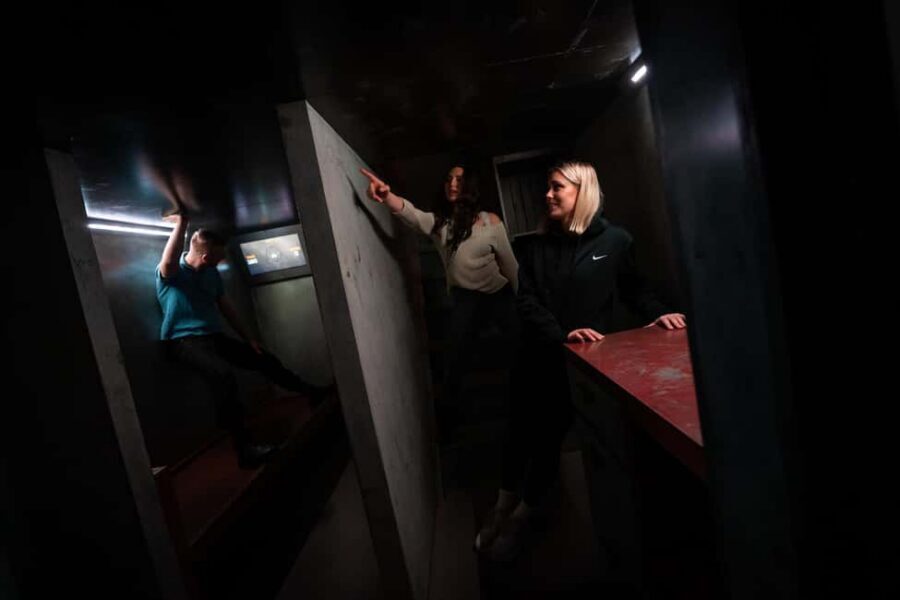
Prison Island is described as suitable for all ages and skill levels, with one exception: it’s not suitable for children under 9. That makes it a good family option for older kids who like games, problem solving, and a bit of suspense.
It also fits well for:
- Friends looking for something more active than a café crawl
- Colleagues doing a team outing where everyone has to collaborate
- School groups where teachers want an activity with structure and teamwork
One more useful detail: since teams are capped at 5, it’s easier to keep everyone engaged. You’re not watching from the sidelines. Everyone is participating, which is exactly what you want for group bonding.
Price and value: is $33 per person a good deal?
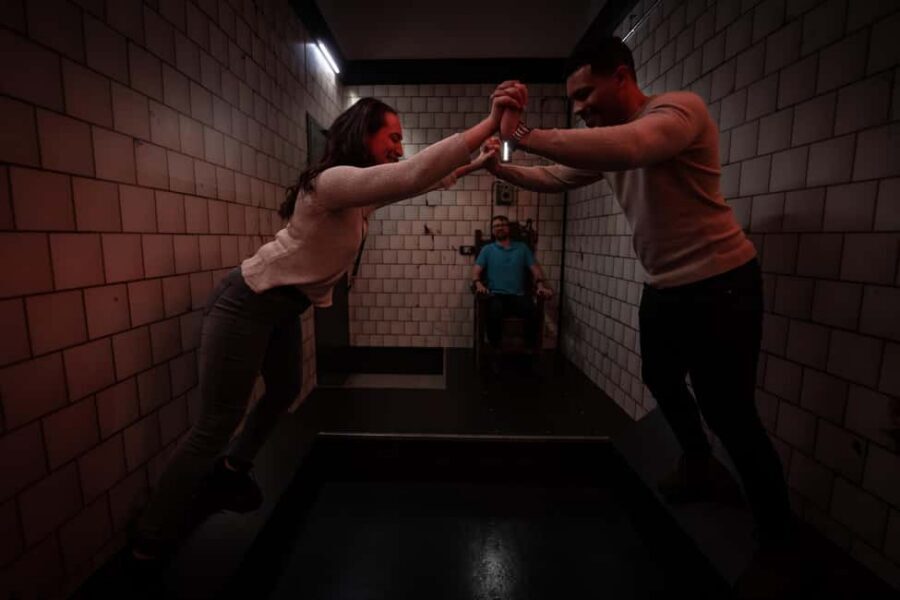
At $33 per person, Prison Island lands in the range of an experience you’ll remember, not just something you tick off. The value comes from how it’s built: multiple rooms, varied challenges, and a scoring format that keeps you mentally engaged until the clock ends.
You’re not just paying for one puzzle. You’re paying for:
- Entry into multiple challenge rooms
- A team scorecard that turns it into a mini competition
- A structured time box that makes it easier to plan around sightseeing
If you’re someone who enjoys problem-solving games or you want an activity that works even when people in your group have different interests, this is a strong match. If your group only likes very quiet, passive activities, then yes, you might find it too energetic. But for active groups, it’s a solid use of time in Oslo.
Tips that help you do better without killing the fun
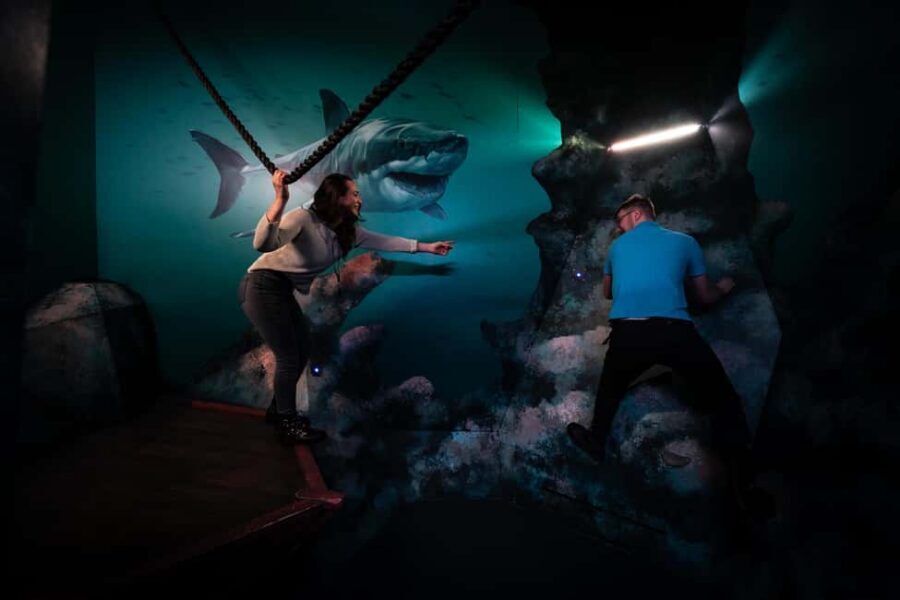
You don’t need to be the smartest person in the room. You just need a system.
1) Agree on roles fast
Don’t wait until you’re already stuck. As soon as you start, split tasks: reader, tester, and timer watcher.
2) Don’t get glued to one clue
If a section isn’t working after a few tries, treat it as incomplete and move. Later rooms often give you a different kind of logic or information that helps your overall approach.
3) Keep your communication short
Long debates waste time. Call out possible matches, then test. If it fails, pivot quickly.
4) Plan for language confusion
Because some rooms may switch language, avoid relying only on exact wording. Let the structure and objects in the room do more of the work. If you can’t interpret a sentence, look for patterns and try combinations anyway.
5) Treat it like a sprint, not a homework assignment
You’ll get more points by staying active and solving as many rooms as you can, even if you don’t nail everything.
Booking reality checks (the parts that matter)
You’ll want to check starting times for the 90 minutes to 2 hours window. The session has a timed structure, so don’t plan to arrive late and hope for flexibility.
Also, transportation isn’t included, and there’s no personal guide included. The host or greeter exists for English/Norwegian assistance around the start, but the game itself is self-directed as you work through rooms.
One more thing: the info around wheelchair use looks mixed. It’s listed as wheelchair accessible, but it also notes not suitable for wheelchair users. If mobility is a concern for your group, contact the provider before you book so you can confirm what the route and room access are like.
Should you book Prison Island Adventure Escape Game in Oslo?
Book it if you want an activity that’s social, active, and built for teamwork. Prison Island is especially worth it when your group includes different ages or different puzzle abilities, because the structure supports mixed skill levels and keeps you moving room to room.
Skip it if your group hates competition, hates timed events, or prefers fully guided experiences where every detail is explained. You’ll also want to reconsider if language clarity is a major issue for your group, since some rooms may not stay strictly in English.
If you’re deciding between this and a more traditional Oslo activity, my advice is simple: pick Prison Island when you want energy and collaboration. It’s a practical way to spend a chunk of your trip doing something interactive, with a clear goal and a satisfying end point.
FAQ
How long does the Oslo Prison Island game take?
The duration is listed as 90 minutes to 2 hours.
How many people are in a team?
Teams can be from 2 to 5 people.
What language is the game played in?
The game is played in English.
Is there an English-speaking host or greeter?
Yes. The host or greeter is listed as English and Norwegian.
What do I need to wear?
Wear comfortable clothing and shoes suitable for physical activity.
What time should I arrive before my booking?
Arrive 15 minutes before your booking time for the briefing.
Is the attraction wheelchair accessible?
The info provided includes both wheelchair accessibility and a note saying it is not suitable for wheelchair users. You should confirm directly with the provider before you go.
What is the minimum age for participants?
It is not suitable for children under 9 years.
Is transportation included?
Transportation to and from the venue is not included.
What’s included in the ticket price?
Your ticket includes entry to multiple challenge rooms and a team scorecard. A personal guide is not included.