REVIEW · OSLO
Oslo Nature Walks: Island hopping
Book on Viator →Operated by Viking Biking & Hiking · Bookable on Viator
Fjord islands feel like another world. This small-group walk stitches together two Oslo Fjord islands by public ferry, with a guide who turns ruins, nature, and cabin life into an easy mini-adventure. You get city views that look nothing like the skyline photos you’ll take from the waterfront.
I love that it’s practical and efficient: you cover two islands in about 3.5 hours, without the hassle of arranging your own ferry hopping. I also like the way the walking feels relaxed, especially when guides bring the story to life, like Giovanni (who’s known for enthusiastic, cold-day comfort with hot drinks) and Patrick (who ties what you see to everyday Norwegian life).
One thing to consider: this is still walking on small islands, and in winter you’ll want solid footwear and no fear of uneven paths and some climbing. The pace is usually easy-moderate, but if you want long stretches on boats or big hikes, you may find the time on each island a bit short.
In This Review
- Key things to know before you go
- Oslo Fjord island hopping without the planning headache
- Meeting at Rådhusbrygge 4 and using the ferry like locals
- Stop 1: Hovedøya monastery ruins and nature preserve time
- Stop 2: Oslofjord cabin island views and the shoreline lifestyle
- Guides who make the islands feel personal (Giovanni, Patrick, Shaf, Cath)
- What the 3.5 hours actually feels like on your feet
- Packing tips: what to wear for a fjord-wind day
- Price and value: what you get for $71.26
- Lunch and snack strategy (picnic stop seasons)
- Who should book this island hopping walk?
- Quick FAQ for choosing the right day
- FAQ
- How long is the Oslo Nature Walks: Island hopping tour?
- Which places do you visit?
- Is admission included for the sites?
- What’s included in the price?
- Do I need to bring lunch?
- Is this tour in English?
- Is it suitable for children?
- What should I know about the weather?
- Should you book Oslo Nature Walks: Island hopping?
Key things to know before you go
- Two island stops, timed to ferry connections for a smooth half-day feel
- Hovedøya monastery ruins on a nature preserve with free admission
- A cabin island in the Oslo Fjord where you’ll see how people relate to the water and shoreline
- Small group size (max 15) keeps questions easy and the route flexible
- Guide-led routes help you notice what you’d otherwise miss on unmarked paths
- Public ferry ticket included, so you’re not juggling extra tickets while you’re outside the city
Oslo Fjord island hopping without the planning headache
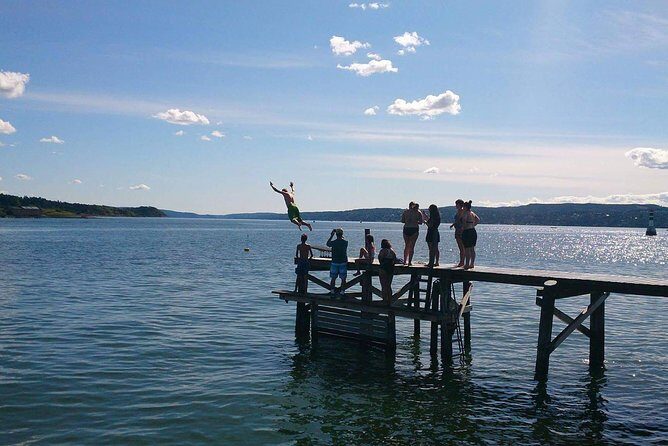
Oslo is great at being walkable, but the real payoff is getting out onto the water. This experience takes you to islands that feel quieter than the city streets, yet you’re still close enough that the day doesn’t balloon into a big expedition. The format is simple: meet, ferry, walk, ferry, walk, then back again.
What makes it especially appealing is the balance. You’re not doing a long, exhausting hike. And you’re not stuck in transit all day either. You’ll be mostly on the islands, taking in views of Oslo from angles that are hard to recreate any other way.
You can also read our reviews of more tours and experiences in Oslo.



Meeting at Rådhusbrygge 4 and using the ferry like locals
You’ll start at Rådhusbrygge 4, 0160 Oslo, and the activity ends back at the same meeting point. That round-trip structure matters. It keeps the plan easy if your Oslo day is already packed with museums or waterfront time.
The tour includes tickets for the public ferries, which is a real time-saver. It means you can focus on the island walks rather than figuring out which ferry to take and where to validate or scan anything. You’ll also get a mobile ticket, so you’re not hunting for paper.
Most people can participate, and the meeting spot is near public transportation—handy if you’re mixing this with other parts of your itinerary. Still, remember: this is an outdoor walking experience, so schedule it for a day when you expect decent weather.
Stop 1: Hovedøya monastery ruins and nature preserve time
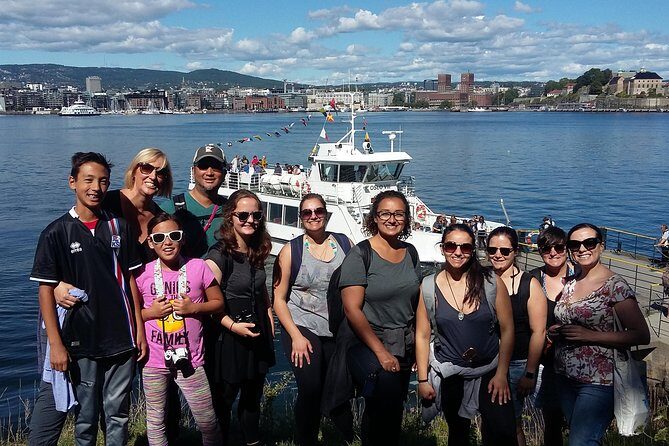
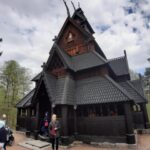
Your first stop is Hovedøya, known for its ancient monastery setting inside a nature preserve. You get about 1 hour here, and admission is free.
Why it works well in a half-day format: monastery ruins are the kind of sight that becomes more meaningful when someone points out details. Even if you’re not a hardcore history person, you’ll likely appreciate the contrast between stone leftovers and the living shoreline around them.
Practical note: Hovedøya includes some climbing, and one of the common themes is that winter or cold conditions make footwear matter more. If it’s icy or windy, take your time on the uneven sections. This stop is short enough that you can enjoy it without getting stuck in “we’ll just make it to the next viewpoint” mode.
Also, because this is a guide-led route, you’ll have less wandering and more “oh, that’s why it’s there” moments. If you’re the type who likes to look at plants and small features too, you may be surprised how much your guide can tie to the island’s story.
Stop 2: Oslofjord cabin island views and the shoreline lifestyle
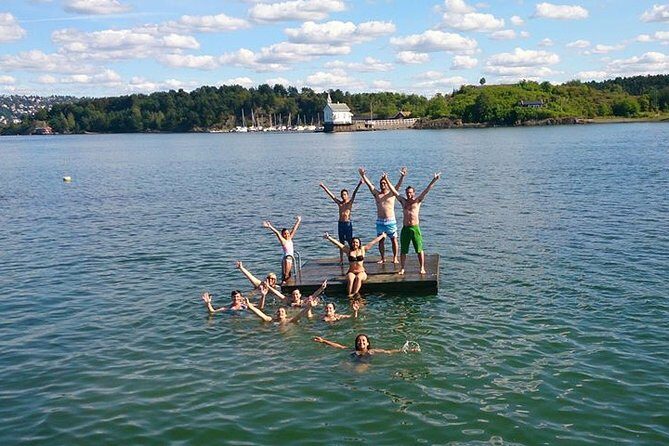
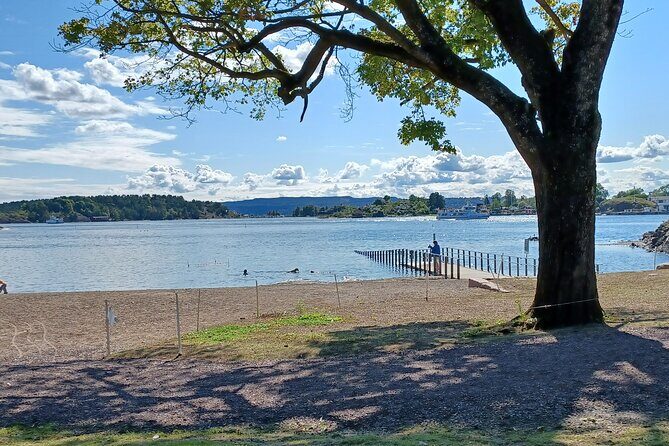
After Hovedøya, you’ll take a ferry hop to the second island: a cabin island in the Oslofjord. This part lasts about 1 hour 30 minutes, with free admission.
The cabin island isn’t just “pretty houses.” It’s about perspective—how Norwegians relate to nature when it’s right at the edge of the city. In many cases, these islands are where people can get out of the daily routine without needing to travel far. Guides often frame what you see as a mix of history and real shoreline living.
You’ll spend enough time to slow down and look—especially at water views and the way the islands sit against Oslo’s coastline. There’s also usually a short “between-islands” window (some guides and groups note it can be around minutes), so the day stays focused on walking rather than long boat stretches.
A possible drawback: some visitors want more boat time or longer island stays. If that’s you, this might feel more like an island walking loop than a scenery cruise.
Guides who make the islands feel personal (Giovanni, Patrick, Shaf, Cath)
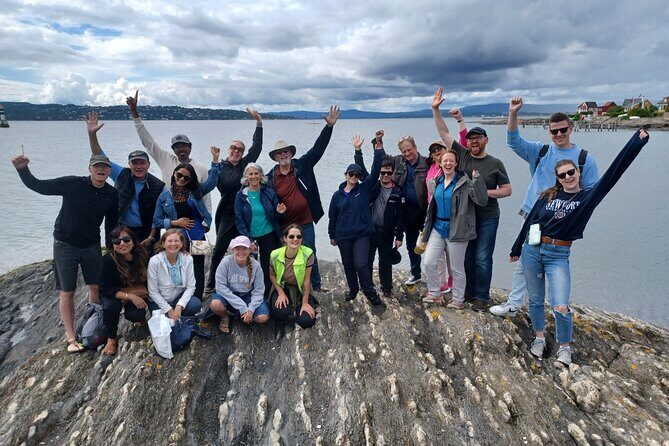
The guides are a major reason this tour earns a near-perfect rating. The standout pattern across experiences is storytelling that’s tied to what you’re standing on, not just a lecture from point A to point B.
Names you’ll see in the mix include Giovanni, Patrick, Shaf, Cath, Curtis, Isi, and Jon. Different guides, different styles—but a similar focus: history, everyday Norwegian relationships with nature, and small anecdotes that make it feel like a mini-adventure rather than a checklist.
One charming detail that comes up with cold weather days is that some guides have brought hot drinks and small snacks like cookies or biscuits. That’s not guaranteed for every run, but it’s a good sign that the guides pay attention to how the experience feels when temperatures drop.
Also, don’t underestimate the value of learning how to read the islands. Some paths aren’t marked like big national-park trails, and a guide can help you notice the right angles, structures, and natural features while you’re moving.



What the 3.5 hours actually feels like on your feet

Timing is tight in a good way: around 3 hours 30 minutes total, with about 1 hour on Hovedøya and 1 hour 30 minutes on the second island. The ferry hops keep you moving, and the short duration helps you fit this into a busy Oslo schedule.
The walking is manageable for most people, but it’s still walking on islands with uneven ground. In winter especially, you’ll want footwear with grip and you should plan for a slower pace than you’d use on flat city sidewalks. One review-style sentiment shows up repeatedly: you’ll want to walk confidently and not expect wheelchair-level smoothness.
A second consideration is the pace. Several people describe it as moderate. That’s usually perfect for a nature walk with historical stops, but if you love getting to quiet corners for a long wander, you may wish the tour ran a bit longer.
Packing tips: what to wear for a fjord-wind day
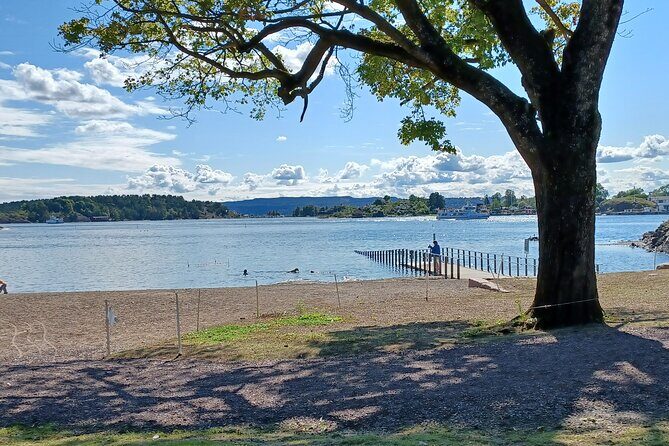
Oslo’s fjord weather can change fast, and these islands are exposed. Bring layers. Your day is partly outdoors, partly breezy, and partly on cool stone ruins.
If you’re going in winter, plan for cold and wind. People mention conditions around -8°C, so don’t assume you’ll be comfortable just because Oslo streets are busy and bright.
In general:
- Wear shoes you trust on uneven ground
- Bring a light rain shell if the forecast looks uncertain
- Consider gloves if it’s cold; even “short” walks can feel longer with wind
If you tend to get chilly easily, it’s worth dressing warm. Some guides have helped out with hot drinks, but you shouldn’t count on it as your only warmth strategy.
Price and value: what you get for $71.26

At $71.26 per person, the value comes from two places: you’re paying for a guided experience plus included ferry tickets. If you tried to recreate it on your own, you’d spend time coordinating ferries and lose the interpretive layer that makes these islands click.
A big reason the pricing feels fair is that key admission is free for the sites you visit. Your cost is mostly about the guide, the time, and the logistics of getting you between islands smoothly.
You also get the benefit of a max 15 travelers group. That often means less crowd pressure at viewpoints and fewer “we have to keep moving” bottlenecks.
The not-included piece that matters most: lunch. If you’re visiting April through September, there’s a picnic stop included, but you bring your own lunch. In winter, you’ll still want a snack plan for energy, even if a guide offers something warm.
Lunch and snack strategy (picnic stop seasons)
Lunch isn’t included, but the tour builds in a picnic-style break from April to September. Translation: you’ll have a chance to pause near the water and refuel.
So pack like you’re going out for a half-day on the fjord:
- Bring a lunch you can eat outdoors
- Add a snack if you get hungry between island stops
- Carry water, especially if it’s warmer than you expect
If it’s cold, you’ll likely feel better with warm drinks or at least a thermos on your side. Some groups have enjoyed hot drinks provided by the guide, but you shouldn’t rely on it.
Who should book this island hopping walk?
This tour is a great fit if you want:
- A half-day escape from the city
- Strong views with less planning work
- A guide who connects monastery ruins and cabin island life to what you’re seeing right now
It’s not ideal if:
- You want a long boat cruise or lots of time on the water
- You dislike walking on uneven island paths
- You’re traveling with a child under 10 (it’s not recommended for that age group)
It also suits first-timers who want an easy intro to Oslo beyond museums and city streets. The islands give you a different mental map of the city—more coastline than corridor.
Quick FAQ for choosing the right day
FAQ
How long is the Oslo Nature Walks: Island hopping tour?
It’s about 3 hours 30 minutes.
Which places do you visit?
You visit Hovedøya and a cabin island in the Oslofjord.
Is admission included for the sites?
Yes. The tour information lists admission as free for both stops.
What’s included in the price?
You get a guided tour plus a ticket for the public ferries.
Do I need to bring lunch?
Lunch is not included. From April to September, there’s a picnic stop, and you should bring your own lunch.
Is this tour in English?
Yes, it’s offered in English.
Is it suitable for children?
It’s not recommended for children under 10.
What should I know about the weather?
The experience requires good weather. If it’s canceled due to poor weather, you’ll be offered a different date or a full refund.
Should you book Oslo Nature Walks: Island hopping?
If you want a calm, story-driven way to see the Oslo Fjord up close, this is an easy yes. The included ferry tickets remove friction, the time on the islands is well paced for a half-day, and the guide-led approach helps you notice things you’d likely miss wandering on your own.
I’d skip it only if you’re chasing a longer walking marathon or a big boat cruise. Otherwise, grab your layers, wear grippy shoes, and spend a few hours learning how Oslo looks—and lives—when you move off the main shoreline.