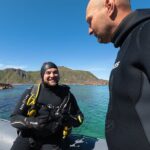
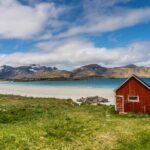
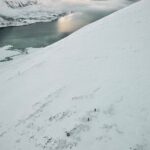
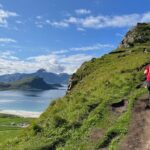
Ryten in winter looks unreal. I love that you start with hands-on gear coaching (snowshoes or microspikes, plus pole setup) and practical layering tips so you don’t overheat and then freeze. You’ll also get a slow, photo-friendly rhythm with frequent stops, which makes the climb feel doable even when it’s icy.
One thing to consider: this is a small group capped at 8, and the route pace adjusts to the slowest hiker. If you’re the type who wants faster cardio, you’ll want to book private or flag that with Ivar so he can match your energy.
In This Review
- Quick reasons to go
- Western Lofoten in winter: why Ryten is such a good target
- Pickup and trailhead logistics around Fredvang
- Snowshoes vs microspikes: you get ready before you climb
- The Ryten hike: what your 5 to 6 hours feels like
- The photo stops that actually make sense
- Equipment that helps you stay warm (and not overthink it)
- Lunch break in the snow: warm fuel with real comfort
- Guides and group size: what “up to 8” changes
- Price and value: what $258.91 buys you
- Who should book this winter hike to Ryten
- When this tour runs, and what the weather means for your plans
- Should you book this winter hike to Ryten?
- FAQ
- Where does this hike start?
- How long is the hike?
- Is pickup available?
- Can I drive myself instead of using pickup?
- What equipment do I need for snow and ice?
- How big is the group?
- What fitness level do I need?
- What language is the tour offered in?
- What happens if weather is bad?
Quick reasons to go
- Snow travel coaching first, not later: learn snowshoe fit and pole adjustment before you commit to the steep parts
- Weather-smart gear: use snowshoes, microspikes, or a combo based on snow conditions
- Small group, real pacing: the group slows down for comfort and safety
- Warm break culture: hot lunch and warm drinks, plus comfy seating for cold stops
- Safety and confidence: clear guidance on footing and what to do if conditions change
- Photos and Lofoten stories: viewpoint photo moments, plus culture and history woven into the walk
Western Lofoten in winter: why Ryten is such a good target
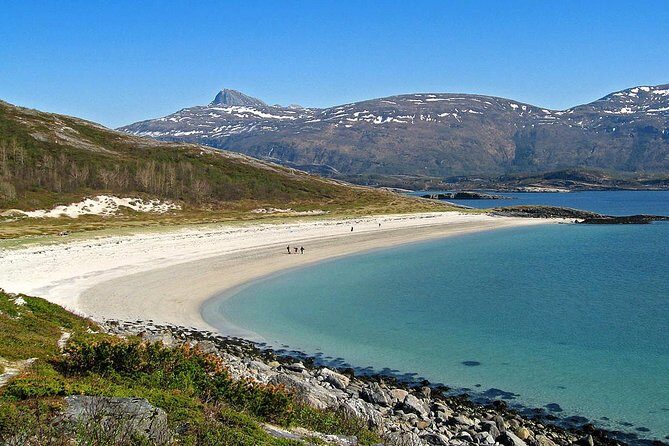
Ryten is the kind of hike that turns a cold winter day into a visual reward. The route gives you big views of ocean, beach, and the surrounding mountain shapes that define the Lofoten feeling. Even if you’ve only been in Norway for a short time, you’ll leave with the landscape totally understood.
This tour is built around that payoff without pretending winter hiking is easy. You’ll take it at a calm pace, catch your breath often, and get guidance on how to stay comfortable. That matters, because the biggest enemy on winter hikes is usually not distance. It’s getting sweaty, then shivering at the wrong time.
You can also read our reviews of more hiking tours in Lofoten
Pickup and trailhead logistics around Fredvang
The trip is designed to be simple to join. You can get pickup from your accommodation anywhere between Å and Ramberg. On the self-drive option, you meet at the trailhead parking for Ryten & Kvalvika near Fredvang, at Innersand.
Why this is a big deal for value: winter weather can mess with bus times and taxis, and that’s before you factor in daylight. Being picked up (or having a clear meeting point if you drive) keeps your day focused on the hike, not transport stress.
Two practical notes from the provided info:
- Pickup depends on you giving your lodging location during booking, and they confirm pickup details the day before the tour.
- If you drive yourself, there’s a 100 NOK parking fee at the trailhead.
Snowshoes vs microspikes: you get ready before you climb
This is not a show-up-and-figure-it-out outing. Before you start moving uphill, Ivar or another guide shows you how to use what you’ll be wearing that day—snowshoes, microspikes, or both—depending on snow conditions.
They also coach the small stuff that changes everything:
- Adjusting hiking poles so your stride feels stable, not awkward
- Layering guidance to avoid overheating (sweat in winter is how people get miserable fast)
- Break planning, so your body temperature stays even while you hike and while you pause
In the cold wind at the top, that layering lesson pays off. You’ll likely be taking pictures and sitting during breaks, so “warm enough to hike” is not the same as “warm enough to stop.”
The Ryten hike: what your 5 to 6 hours feels like
Plan for about 5 to 6 hours total, with the main hike time centered around Ryten. The group climbs with frequent breaks for photos and recovery. Some days are calm and sunny; other days bring steep, icy footing or even snowstorm conditions. The guide’s job is to adapt, and the itinerary is structured for that kind of day-to-day change.
Here’s what I like about how the climb is handled:
- Everyone can move at their own pace within the group
- The guide adjusts so nobody gets left behind
- You’re not forced into a long, nonstop grind
If you’re visiting during a winter spell and you’re worried about your ability on ice, that slow-but-steady approach is exactly what you want. It also explains why the hike can feel “challenging but controlled.” You’ll work, but you’re not throwing yourself into a test of endurance.
The photo stops that actually make sense
You’re not just chasing a summit. The route includes viewpoint pauses that let you take in the way Lofoten’s coastline folds into mountains. One of the best things about this setup is that breaks are planned rather than accidental. You get time to breathe, refocus, and then continue.
And yes, your guide may take photos along the way and later share them with you. If you’re the person who usually misses the best shots because you’re busy hiking, this is a nice fix.
A few more Lofoten tours and experiences worth a look

Equipment that helps you stay warm (and not overthink it)
Winter hiking works best when you stop managing gear in your head and start hiking. This tour helps by providing and/or guiding equipment such as trekking poles, gaiters, and a headlamp torch (helpful if you end up closer to dark than expected). You’ll also see the guide bring warmth-focused items for breaks.
From what’s been described, expect things like:
- Hot drinks during the hike
- Hot lunch with a selection of options
- Chairs placed carefully for stops, plus wool cushions for comfort in the snow
- Extra warm items in some situations, like hot water bottles, spare hats, socks, and other small warmth boosts
Do you need to bring everything yourself? You still need to wear the right layers and winter footwear you trust. But the big advantage here is that you’re not left cold and confused if something isn’t quite right. The guide checks clothing and helps you correct course early.
Lunch break in the snow: warm fuel with real comfort
The lunch setup is one of the strongest reasons this feels like a premium winter experience. You’re not eating a cold snack while standing. You’ll pause, warm up, and sit comfortably in the snow with chairs and wool cushions described in the experience.
They serve hot food and warm beverages, including coffee or tea. On windy or colder tops, that warm break is the difference between “I survived this” and “I enjoyed this.”
Also, the guide uses the time well. You’ll still get Lofoten stories and guidance, but the main goal is to reset your body. Then you continue down with better balance and less risk of over-exertion.
Guides and group size: what “up to 8” changes
This hike runs with a maximum group size of 8, and it shows in how the hike feels. In a small group, your guide can check footing, watch clothing comfort, and keep the pace thoughtful. Instead of everyone being dragged along, the route slows to support the slowest member, with others taking their time and waiting.
I like that this is explicit. It protects your energy and keeps the day from turning into stress. If you’re traveling with someone less confident on ice, this structure makes it far more likely you’ll all enjoy the experience together.
The guide names you might meet include Ivar and Radka, with past groups also mentioning Jitka, Jacob, and Jakub as guides for specific dates. Whoever leads, the consistent theme is clear: instruction, encouragement, and safety emphasized from start to finish.
Price and value: what $258.91 buys you
At $258.91 per person for roughly 5 to 6 hours, the price can look steep until you break down what’s included in the day’s real-world cost. In winter Lofoten, your biggest expenses usually come from access, time, and the “fear factor” of getting it wrong.
This price feels more reasonable because it bundles several costly-to-arrange pieces:
- A guide who brings the winter know-how and safety focus
- Winter hiking equipment like snow travel gear (snowshoes or microspikes, poles, and related items)
- A structured experience, including frequent breaks and pacing support
- Hot lunch and warm drinks
- In many cases, extra comfort gear for stopping and staying warm
If you’re comparing this to DIY, the DIY cost often looks cheap on paper. But then you add gear rental, transportation, and the risk of a miserable experience if your layering or footing isn’t dialed in. Here, you’re paying to avoid that learning curve under harsh winter conditions.
Who should book this winter hike to Ryten
This works best if you:
- Want a guided winter experience with clear instruction
- Like big scenery but don’t want a nonstop hard push
- Are okay hiking at a pace that may adjust to the full group
- Appreciate warm breaks and comfort details like hot lunch and seating
The tour asks for moderate physical fitness, so it’s not built for people who want an easy walk on flat ground. You will hike uphill, sometimes on icy or steep sections. But the guide supports you with training, break timing, and route pacing.
If you’re highly fit and you prefer not to slow down for others, book a private hike and tell Ivar in advance. That lets him add more cardio into the day’s rhythm.
When this tour runs, and what the weather means for your plans
This activity runs in winter season windows:
- 10/15/2025 to 04/05/2026
- 10/15/2026 to 04/05/2027
Operating hours listed are 9:00 AM to 4:00 PM, Monday through Sunday.
One practical reality: the experience requires good weather. If weather is too rough, you should expect date changes or a refund option rather than a forced hike. That’s actually a sign of good winter planning. Winter hiking isn’t a “just go anyway” situation.
Should you book this winter hike to Ryten?
I think you should book it if you want your first (or next) Lofoten winter hike to feel safe, supported, and genuinely comfortable in the cold. The combination of early gear instruction, small group pacing, and warm lunch breaks makes it a smart way to experience Ryten without spending your day worrying about whether you’re dressed right.
Skip it (or consider private) if your top priority is fast cardio on an aggressive schedule. Because the hike is paced around the whole group, it’s not the best match for people who want to race.
If you want Lofoten winter views with confidence, this is a strong pick.
FAQ
Where does this hike start?
The start point is Ryten/Kvalvika Beach Trail on Fv806 7, 8387 Fredvang, Norway.
How long is the hike?
It runs about 5 to 6 hours.
Is pickup available?
Yes. Pickup is offered from accommodations anywhere between Å and Ramberg.
Can I drive myself instead of using pickup?
Yes. If you self-drive, you meet at the trailhead parking for Ryten & Kvalvika in Innersand near Fredvang, and there is a 100 NOK parking fee.
What equipment do I need for snow and ice?
The guide provides winter hiking gear and you’ll use snowshoes, microspikes, or both depending on the snow conditions. You’ll also get instruction on snowshoe use and pole adjustment.
How big is the group?
The group maximum is 8 people.
What fitness level do I need?
You should have moderate physical fitness.
What language is the tour offered in?
The tour is offered in English.
What happens if weather is bad?
The experience requires good weather. If it’s canceled due to poor weather, you’ll be offered a different date or a full refund.