REVIEW · LOFOTEN
First Time Diver Scuba Experience
Book on Viator →Operated by Lofoten Diving · Bookable on Viator
There’s nothing like your first look below the surface. This beginner scuba session in Lofoten pairs a calm teaching pace with close 1:2–4 instructor support, so you’re not left guessing. I like that the plan is built for brand-new students: surface briefing, simple exercises, then an underwater experience capped at 6 meters with your instructor right there.
Two things I’d specifically flag as strong: first, the instructor stays with you the whole time, even offering hands-on help if you need it. Second, the trip includes the basics that usually cost you time and money elsewhere—equipment rental and transfer to the site—plus coffee and tea to warm you up afterward.
One thing to consider: the conditions and site choice can strongly affect what you see. In one account, the site felt close to the port with limited marine life, and an overweighting issue led to sand kicked up, hurting visibility.
In This Review
- Key highlights from this first-time scuba program
- First-time scuba in Lofoten: why this program fits beginners
- Your 3-hour flow: what happens before and during the underwater part
- What you might see around Lofoten Island (and how to set expectations)
- Gear rental, weighting, and why comfort controls visibility
- Group size, instructor ratio, and safety in plain English
- Price and value: is $213.82 reasonable for a first try?
- Who should book this, and who should think twice
- Practical tips before you go (so you get the fun part)
- Should you book this first-time scuba session in Ballstad?
- FAQ
- How long is the first-time scuba experience?
- Is it suitable for complete beginners?
- What is the maximum depth?
- How many people are in the group?
- What’s included in the price?
- Is food included?
- Where do I meet for the experience?
- Can I cancel for free?
Key highlights from this first-time scuba program
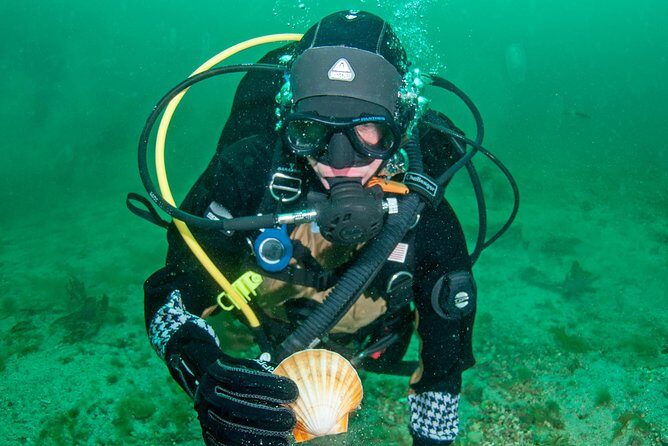
- Small-group coaching (max 6 travelers) means you get more attention than in big classes
- Instructor-student ratio of 1:2–4 keeps you supported during skills and buoyancy
- Maximum depth of 6 meters is a smart ceiling for beginners
- Surface briefing + simple exercises first helps you feel in control before you go down
- Equipment rental and transfers included cuts down planning stress
- Coffee and tea included makes the post-session wind-down easier in cool air
First-time scuba in Lofoten: why this program fits beginners
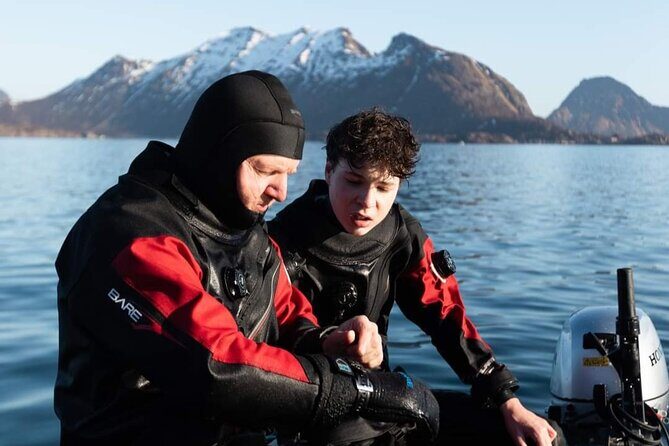
Lofoten is famous for its dramatic northern coastline and cold-water edge, and that’s exactly why a structured first-time course matters. The experience here is designed to remove the usual panic. You’re not expected to already know how to breathe underwater, control buoyancy, or read currents. Instead, the goal is to help you enjoy the aquatic world with steady guidance.
The teaching style is practical. The program starts with a surface briefing, then moves to basic exercises, and only then goes underwater. That order is a big deal for first-timers. It lets you learn the key skills on familiar ground before anything feels unfamiliar—so when you finally get into the water, you spend your energy watching what’s around you instead of panicking about what your gear is doing.
You’ll also notice the comfort focus. The instructor accompanies you closely throughout the underwater part, and the program is described as safe and fun, with extra help if you need it. For a first attempt, that one-on-one attention can turn scuba from intimidating to genuinely enjoyable.
You can also read our reviews of more scuba diving tours in Lofoten
Your 3-hour flow: what happens before and during the underwater part
This is an about-3-hour experience, and it runs in a clear sequence.
Start and setup (meeting point in Ballstad): You meet at Activities Lofoten on Øyaveien 31 in Ballstad. From there, the trip includes transfer to the dive site area. The whole setup is built to keep you from juggling logistics while you’re learning.
Surface briefing: Before you go down, you get a briefing on what you’ll do and how to handle the basics. This is where you learn what “relax and enjoy” actually looks like in scuba terms—how to breathe calmly, what to expect from the equipment, and how to communicate with your instructor.
Simple exercises: You then practice easy skills. The point isn’t to test you. It’s to help you get comfortable with the motions and gear so you can stay calm when you’re actually underwater. For first-timers, this section often becomes the difference between a smooth experience and a stressful one.
Underwater experience (up to 6 meters): The underwater part has a maximum depth of 6 meters. That limit is beginner-friendly because it keeps everything simpler: less time feeling “new,” easier control, and a more manageable environment while you learn to float and move safely.
Return: The activity ends back at the meeting point, with no long extra day attached.
If you’re nervous about time, keep in mind this is short by design. A first-time scuba session works best when you learn just enough to feel capable, then you stop before you get tired or frustrated.
What you might see around Lofoten Island (and how to set expectations)
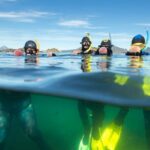
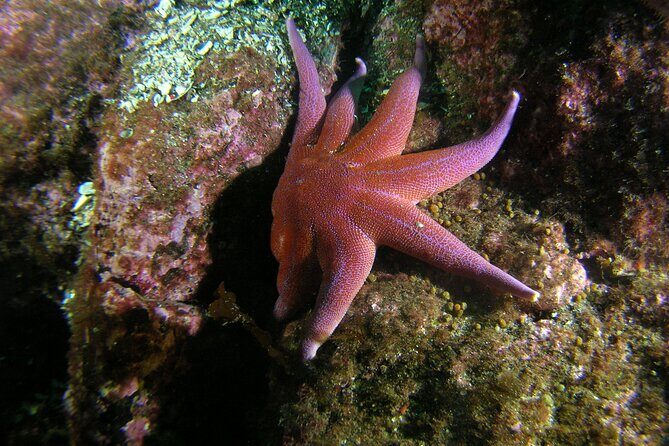
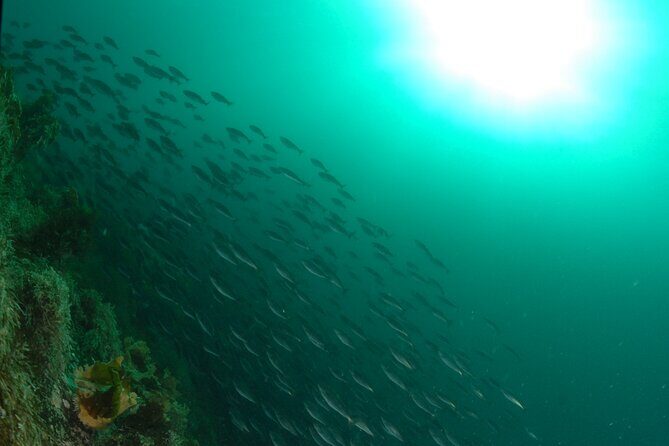
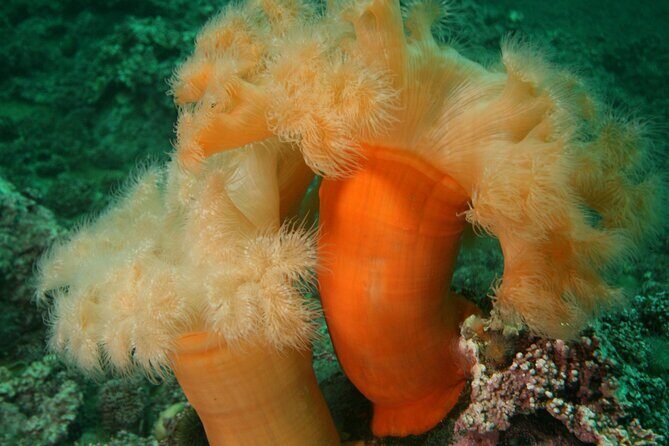
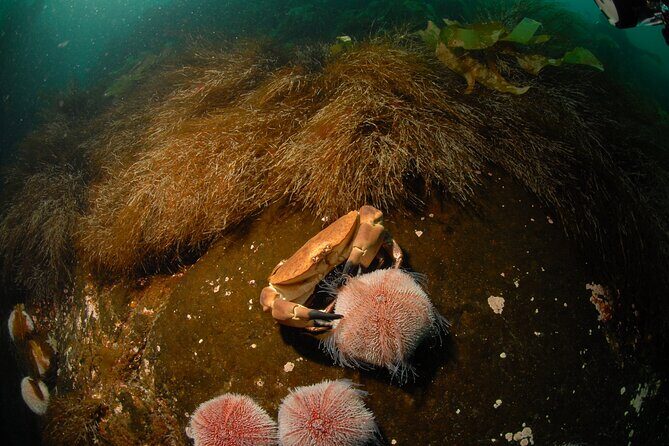
Lofoten’s underwater life is one reason people come north in the first place. This program is positioned around the Lofoten Island area, and the description emphasizes Arctic flora and fauna. You should expect an “I can’t believe this is real” feeling when you first see the water world clearly.
That said, set expectations carefully. One negative account described the location as close to the port, with marine life that felt limited, and the experience being harder to enjoy due to visibility issues. That doesn’t mean you’ll have the same outcome, but it does highlight something you should know: site conditions matter a lot.
Two practical factors can change what you see:
- Visibility: If sand gets kicked up, the water can go hazy fast.
- Wildlife presence: Some areas naturally have more to look at than others, especially near sheltered spots.
The upside is that the program is geared toward beginners. Even if the wildlife density isn’t huge, your first success is usually learning how to move underwater calmly and spot smaller details you’d never notice from shore.
Gear rental, weighting, and why comfort controls visibility
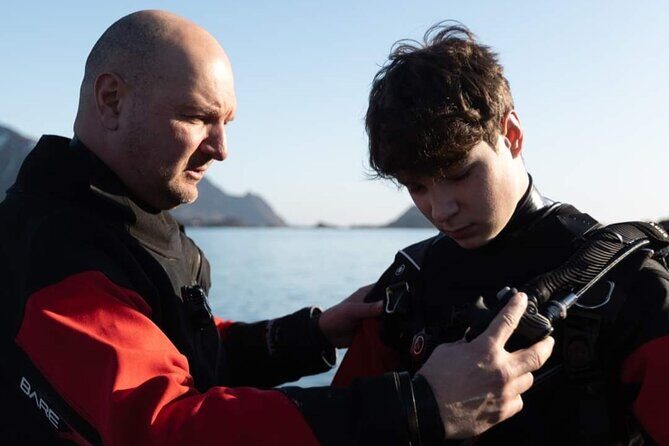
Equipment rental is included, which is great for value and simplicity. But the way your gear fits—especially your weight—can strongly affect your whole experience.
One disappointing review mentioned being given too much weight. The consequence was rough and immediate: they ended up walking on their knees, lifting sand and spoiling visibility. While that account is specific, the lesson is universal. If you’re weighted too heavily, you’ll struggle to stay where you want in the water, and you’re more likely to disturb the bottom and reduce what you can see.
Here’s what you can do to protect yourself on the day:
- Pay attention during fitting: If something feels off before you even go in, speak up.
- Watch how you float in the water: Your instructor should guide buoyancy. If it feels like you’re fighting the water, ask for adjustments.
- Move carefully near the bottom: As a beginner, you might not control every kick. Your job is to avoid stirring up sand, and your instructor’s job is to guide you.
Since the experience includes a personal instructor throughout, you have real support if something feels wrong. Use that. The goal is for you to leave thinking, I can actually do this—not, I spent the whole time struggling.
Also, remember this is a cool-water region. Even with gear rental, your body can feel the cold at the edges. Warm drinks (coffee and tea are included) are a nice touch that helps you recover after you’re out.
Group size, instructor ratio, and safety in plain English
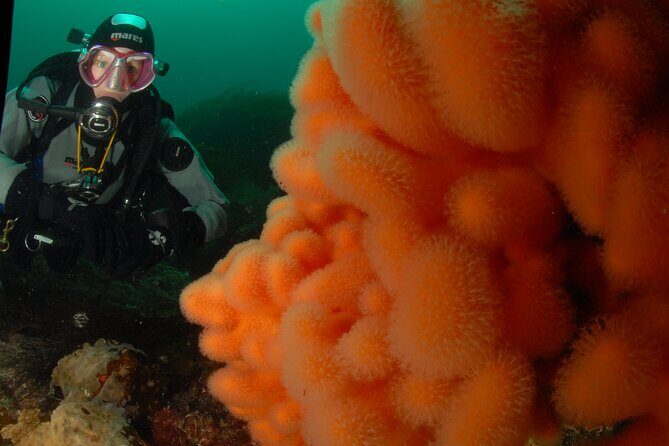
The big safety signal here is the small group size. The maximum is 6 travelers, and the instructor-student ratio is described as 1:2–4. That matters because scuba isn’t just about going under. It’s about managing breathing rhythm, staying calm, and handling basic equipment mechanics in real time.
In a larger group, you’d often wait while others get help. Here, you should get quicker coaching while you’re learning the steps. That reduces stress, and stress is the enemy of good buoyancy.
The program also describes a “by your side” approach. Your instructor is accompanying you the whole time, and they can hold your hand if you need it. That’s not something you should treat as a gimmick. For many first-timers, the biggest mental barrier is not knowing what to do next. When your instructor is close and proactive, your brain can relax and focus on the water world instead of gear anxiety.
One more beginner-friendly detail: the maximum depth is 6 meters. This keeps the experience within a range where new students can learn without being overwhelmed by depth factors.


Price and value: is $213.82 reasonable for a first try?
At $213.82 per person for about 3 hours, this isn’t a bargain-bin activity. It’s priced like what it is: guided, instructor-led training in cold-water conditions, with equipment provided and transfer included.
What makes the price easier to justify is what you’re getting:
- Expert instructor support for a learning environment
- Rental of the equipment, so you don’t have to buy or arrange gear
- Transfer to the site, so you’re not figuring out logistics while nervous
- Coffee and tea to warm up after
Also, the booking pace is telling. This kind of small-group beginner session is commonly booked around 45 days in advance. That suggests demand is real, not casual. If you wait too long, you might not get the day you want.
So here’s the value call: if you’ve never tried scuba and want a structured, supported first experience, this price is in the sensible range. If you’re already comfortable in water and just want an unguided sightseeing swim, then it would feel expensive. But for first-timers, you’re paying for teaching, safety, and guidance—not just for being underwater.
Who should book this, and who should think twice
This program is a good match if:
- You’re trying scuba for the first time and want a teaching-first approach
- You want close attention with a small group and a tight instructor ratio
- You can handle moderate physical fitness expectations (the activity notes moderate fitness level)
It may not be the best choice if you’re expecting guaranteed wildlife-rich sightseeing. This is a beginner-focused experience. You might see plenty, but the experience’s core value is learning and feeling comfortable, not chasing rare creatures.
Also, if you’re extremely sensitive to cold or discomfort, plan to be ready for a cool environment and rely on the gear and instructor guidance. The included coffee and tea help, but it’s still an Arctic setting.
Practical tips before you go (so you get the fun part)
A few small habits can improve your odds of having a great first session:
- Tell your instructor what you feel. If you’re anxious, say so. If buoyancy feels wrong, ask for help.
- Be flexible on the plan. You’re there to learn. The best underwater experiences often come from slowing down.
- Keep your hands and fins controlled. This is how you protect visibility, especially if the bottom is sandy.
- Eat beforehand if you can. Food is not included, and you’ll want energy for the full 3 hours.
One more mindset tip: your first success is staying calm, following instructions, and enjoying what you can see. You don’t need to be a natural. The program is designed so you can learn quickly.
Should you book this first-time scuba session in Ballstad?
I’d book it if you want a beginner-first scuba experience in Lofoten with close coaching, short time commitment, and a clear safety ceiling at 6 meters. The small group size and 1:2–4 support level are exactly what you want when you’re brand-new. Add equipment rental and transfer, plus coffee and tea, and the whole day becomes simpler.
I’d hesitate only if you’re booking with the mindset of a wildlife guarantee. In one account, the site near the port felt underwhelming, and weighting issues affected enjoyment. Those are not reasons to avoid the experience entirely, but they are reasons to take fitting and communication seriously on the day.
If you’re willing to learn, stay relaxed, and listen to your instructor, this looks like a strong first step.
FAQ
How long is the first-time scuba experience?
It runs for about 3 hours.
Is it suitable for complete beginners?
Yes. The program is intended for people who have never experienced scuba before.
What is the maximum depth?
The first underwater session is capped at a maximum depth of 6 meters.
How many people are in the group?
The tour has a maximum of 6 travelers, with an instructor-student ratio of 1:2–4.
What’s included in the price?
An expert instructor, equipment rental, transfer to the divesite, and coffee and tea are included.
Is food included?
No, food is not included.
Where do I meet for the experience?
The meeting point is Activities Lofoten at Øyaveien 31, 8373 Ballstad, Norway, and you end back at the same meeting point.
Can I cancel for free?
Yes. You can cancel up to 24 hours in advance for a full refund.