REVIEW · SVOLVAER
Lofoten: Sea Eagle Sunset Cruise
Book on GetYourGuide →Operated by Brim Explorer · Bookable on GetYourGuide
Eagles meet the fjord at golden hour, and white-tailed eagles feel like the main event. I like the hybrid-electric catamaran setup for a calmer ride and a more “listen to the coast” vibe, not a screechy engine show. One consideration: the tour is built for groups, so if you want maximum personal space for long viewing, you’ll want to pick a departure that feels less crowded.
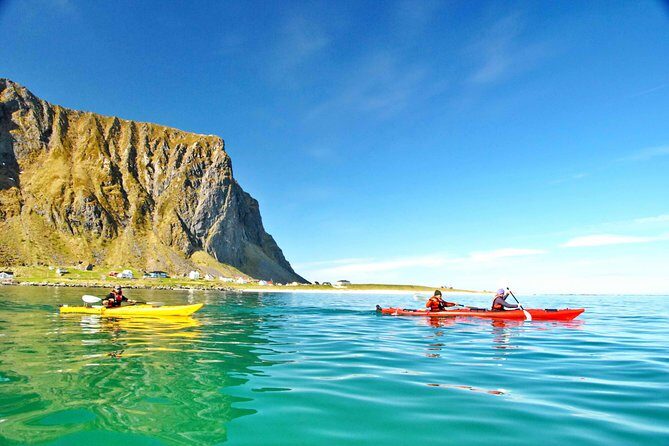
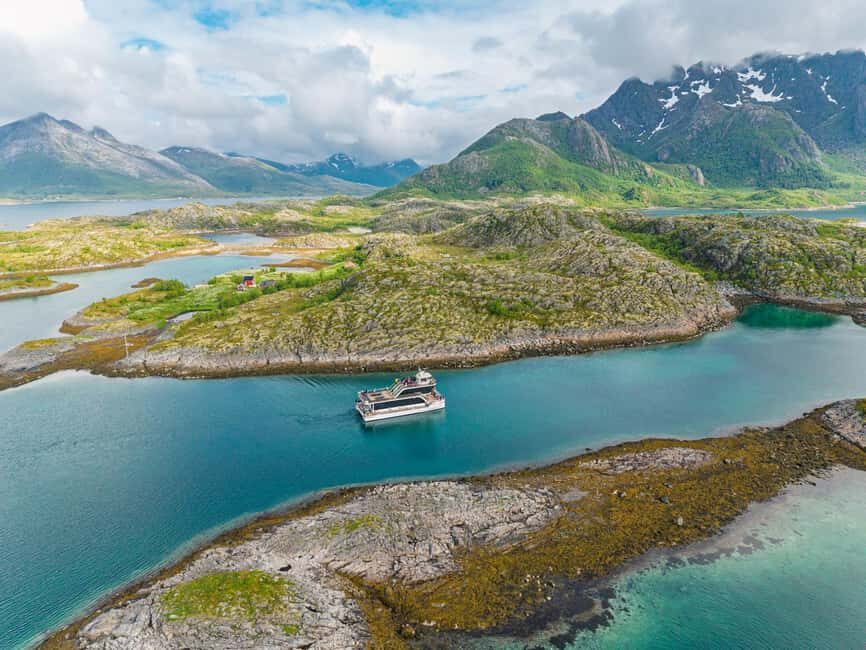
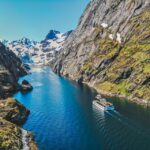
You’ll head out from Svolvær for about 90 minutes, cruise past the island of Skrova, and aim for evening light over rugged coastlines. The big idea is simple: get you in the right waters at the right time, with guides helping you track wildlife and plan your photos.
In This Review
- Key highlights worth planning around
- Hybrid-electric calm and a serious focus on sea eagles
- Price and value: is $82 worth it here?
- Meeting in Svolvær: finding Brim Explorer Lofoten at Torget 22
- The 90-minute route: Svolvær, Høla, Oddvaer, and back
- Svolvær to the first viewing zone
- Høla: guided tour and pass-by scenery
- Oddvaer: photo stop and wildlife viewing
- Back to Brim Explorer Lofoten
- Spotting white-tailed eagles in evening light: how to do better fast
- On-board feel: comfort, group size, and guide support
- Weather reality: sunset and wildlife are always nature-driven
- Who should book this sea eagle cruise?
- Should you book the Lofoten Sea Eagle Sunset Cruise?
- FAQ
- How long is the Lofoten Sea Eagle Sunset Cruise?
- Where do I meet for the tour?
- What’s the main wildlife you’re looking for?
- What boat will I be on?
- Is food included in the price?
- Is there a guide, and what language is it in?
- Is the sunset or midnight sun guaranteed?
- Does the itinerary include specific places like Skrova?
- What is the cancellation policy?
Key highlights worth planning around
- White-tailed (sea) eagles in their natural coastal routine
- Evening light for dramatic skies and better viewing conditions
- Hybrid-electric catamaran for a quieter, smoother feel on the water
- Guided spotting at key stops, with time for photos
- A short, focused 90 minutes that doesn’t eat your whole day
Hybrid-electric calm and a serious focus on sea eagles
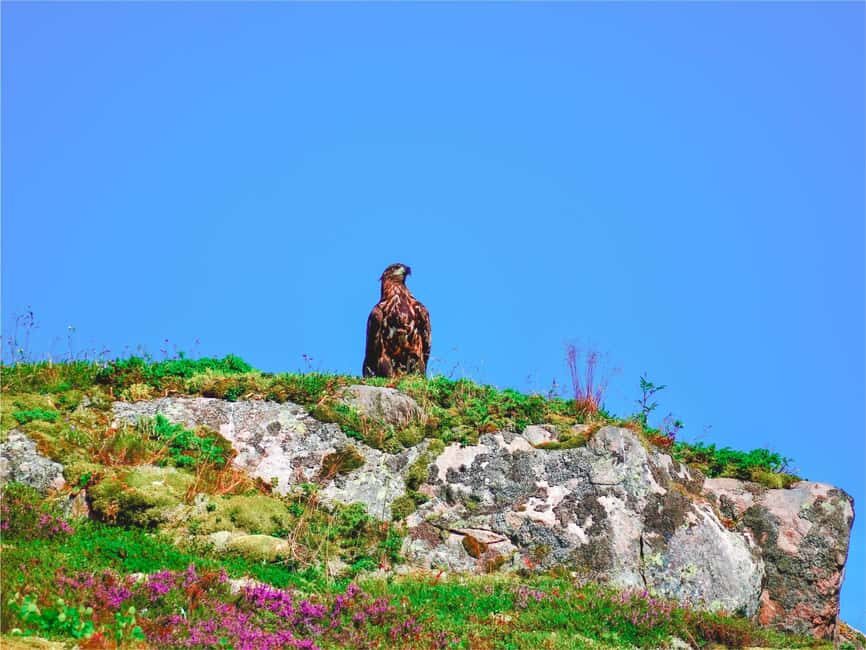
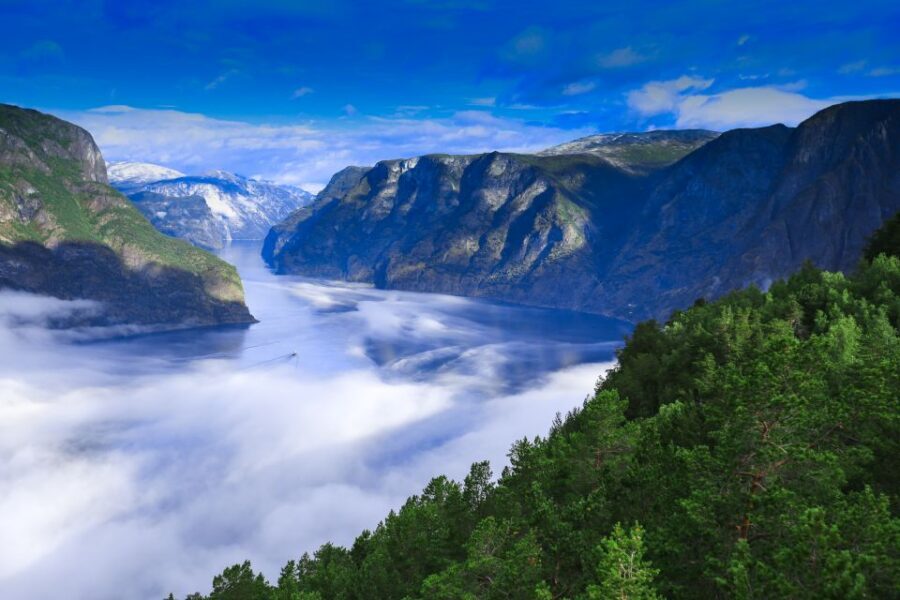
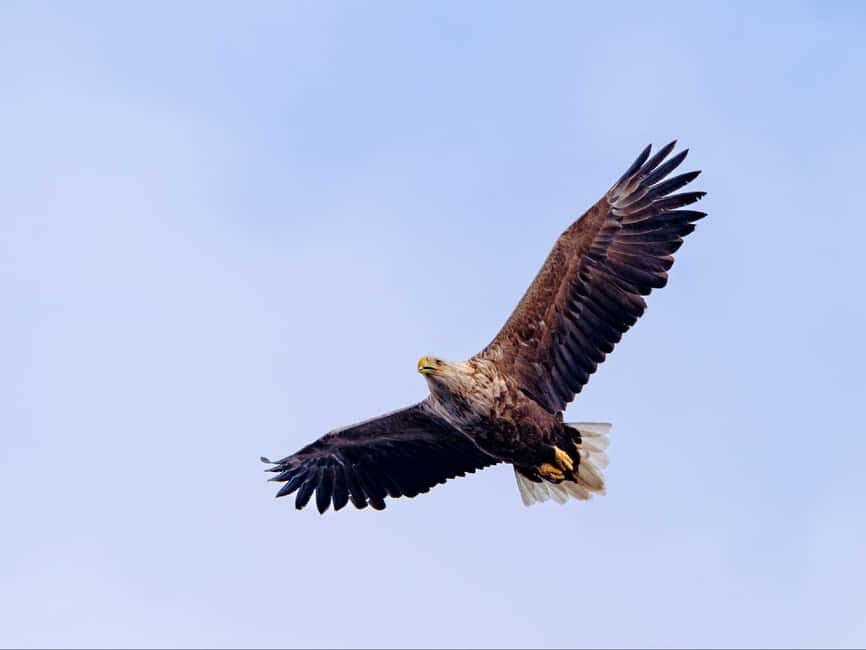
This cruise is designed around one goal: seeing white-tailed eagles (often called sea eagles) in the wild. Lofoten’s coastline is built for this kind of wildlife watching—steep shores, open water, and plenty of places for raptors to perch or hunt. When the birds are active, you get that “wait…there it is” moment, and then the coast starts moving in new ways.
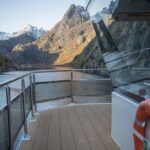
What I like most is the boat choice. A hybrid-electric catamaran generally means less vibration and a more relaxed ride than older, heavier-feeling vessels. That matters because you’re out there for long glances—not just a fast drive-by. On a calm-feeling boat, you can actually watch, compare distances, and follow the eagle’s flight path instead of bracing for noise and motion.
Also, this is not a long expedition. It’s short by design, which keeps the experience tight: you’re not stuck on board for hours with no wildlife action. You’re out for about 90 minutes, with sightseeing and photo chances built into the route.
You can also read our reviews of more boat tours in Svolvaer
Price and value: is $82 worth it here?
At $82 per person for a 90-minute guided cruise, you’re paying for three things: the boat, the guide support, and the timing. Lofoten cruises that target raptors aren’t just about transportation—they’re about being on the water when visibility and eagle behavior line up.
Here’s the value logic I’d use:
- If you care about wildlife viewing more than a generic sightseeing cruise, this price can feel fair because the tour is structured around eagle watching.
- The boat being hybrid-electric adds a practical layer. A smoother ride means less fatigue, which helps you stay focused on spotting.
- The duration is compact. You get a real experience without sacrificing an entire day, which is a big deal in Lofoten when weather can change fast.
One thing to keep your expectations grounded: eagle sightings and perfect sunset color are not guaranteed. The tour is dependable as an outing and a strong chance at seeing the birds, but nature decides the final score.
Meeting in Svolvær: finding Brim Explorer Lofoten at Torget 22
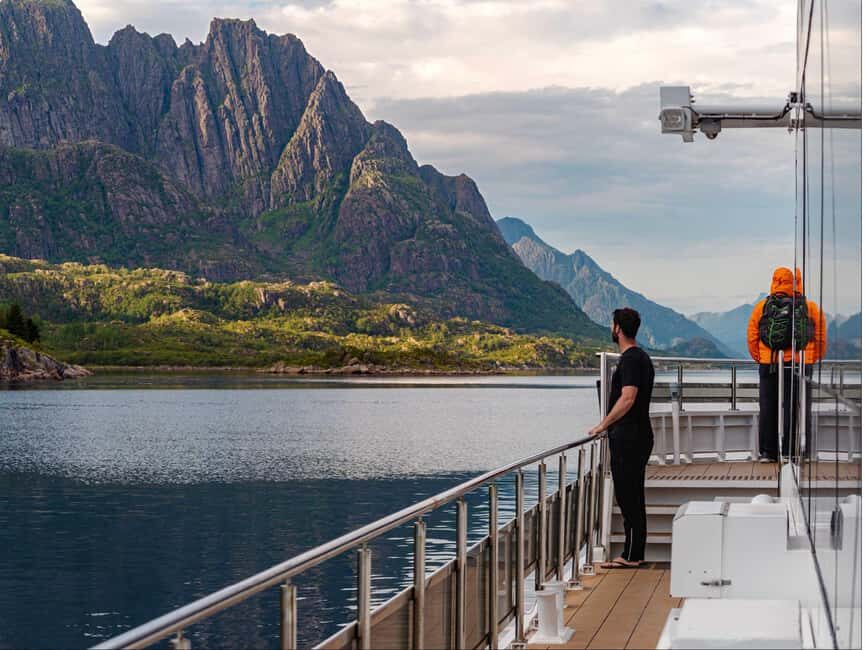
Your start point is simple and central: meet 15 minutes before departure at the pier on the main square in Svolvær, next to Paleo Arctic Restaurant (Torget 22). That “15 minutes early” buffer is worth respecting, because once you’re at the water, you want time to get oriented, use the deck comfortably, and settle in before the safety briefing.
From there, you’ll get a safety briefing in Svolvær. It’s quick, but it also helps you understand how the crew wants you to move around on deck while you’re watching for birds. If you’re bringing a camera, this is your moment to think about grip, lens length, and how you’ll brace yourself when the boat changes speed or direction.
Practical tip: plan for cold deck time. Even in summer, coastal winds can cut fast, and eagle viewing rewards slow, steady looking. You’ll enjoy the cruise more if you’re dressed for standing outside rather than running to warm up every few minutes.
The 90-minute route: Svolvær, Høla, Oddvaer, and back
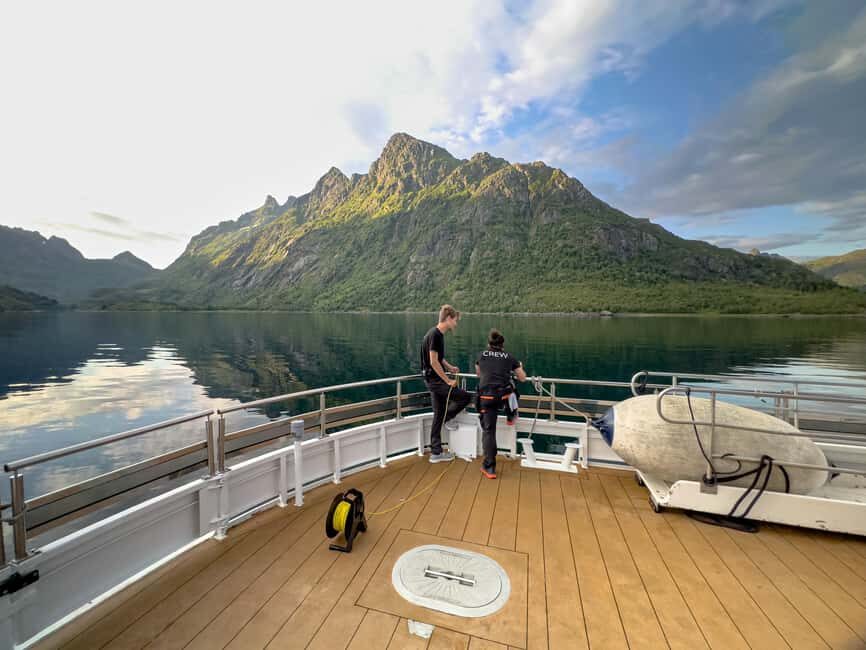
This isn’t a “see everything” route. It’s a targeted coastal loop with a clear rhythm: safety and departure, then guided sightseeing and wildlife time at two main stops.
Svolvær to the first viewing zone
After the safety briefing, the tour leaves from Svolvær and begins moving along the Lofoten coast. Early on, you’ll start building a mental map of the shoreline. That’s helpful later, because eagles often appear where cliffs, sheltered bays, or hunting lanes meet open water.
You’ll also pass the island of Skrova, which sets the coastal stage. Even if you don’t see an eagle immediately, the scenery is doing its job—getting you ready for what the guides will point out next.
You can also read our reviews of more evening experiences in Svolvaer
Høla: guided tour and pass-by scenery
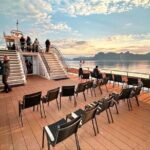
Next comes Høla, where you get a guided tour, plus sightseeing and a pass by experience. This is one of your “get your bearings” segments. The guides help connect what you’re seeing—coast shape, shorelines, and likely hunting spaces—with where wildlife tends to show up.
Why this stop matters: it sets you up for better eagle spotting at the next location. If you’ve ever watched raptors from a distance, you know it’s easy to miss the first birds because your eyes are still scanning randomly. A guided “here’s what to watch for” moment fixes that.
The potential drawback: if you’re hoping for instant action, pass-by stops can feel like setup. The trade-off is that the cruise is short, so the timing is about positioning you where the best chances are.
Oddvaer: photo stop and wildlife viewing
Then you reach Oddvaer, and this is where the cruise shifts from general sightseeing to more direct wildlife focus. You’ll have a photo stop, plus a guided component with wildlife viewing.
This is the stop you’ll want to treat like your main chapter. The goal is to catch eagles:
- soaring or banking over open water
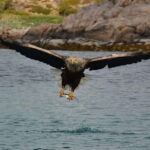
- skimming or dropping toward the surface
- perching along rugged coastal points
If the light is cooperating, Oddvaer is the kind of place where you can build a shot sequence: wide view for context, then tighter frames as a bird drops lower. Even if the birds don’t land close, you can still capture flight lines against the coastline.
From the field reality side: the number of sightings can vary a lot by day. On particularly good outings, sightings can stack up quickly, including multiple eagles visible during the same cruise period.
Back to Brim Explorer Lofoten
You return to Brim Explorer Lofoten – Meeting Point Tours at the end of the loop. The total time is about 90 minutes, so you’re not going to feel rushed, but you also won’t have time for a second plan if the weather is harsh. That’s another reason to dress for the deck and be ready when the good moments happen.
Spotting white-tailed eagles in evening light: how to do better fast
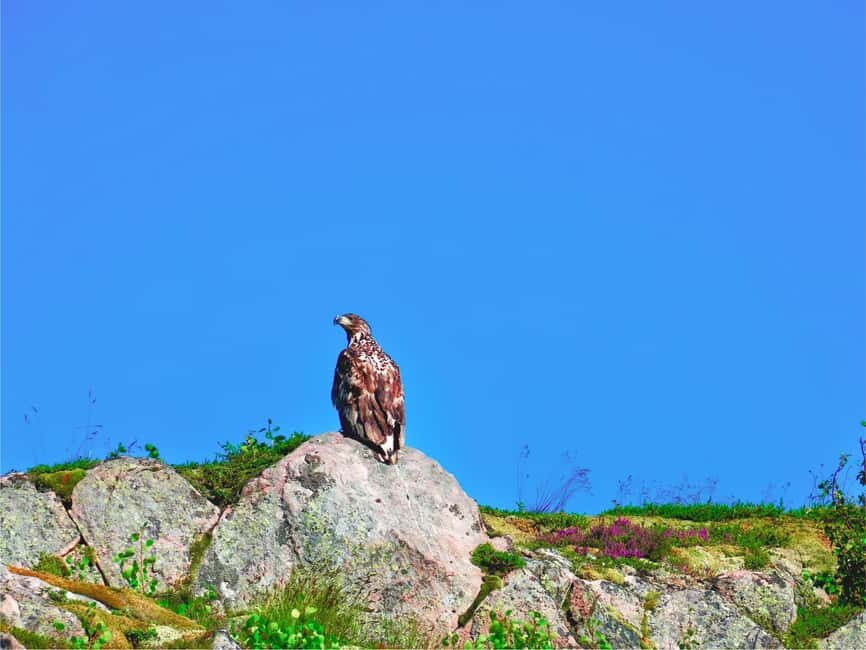
Eagles are not “always on schedule.” But you can improve your chances by watching like a local rather than like a tourist with one camera setting.
Here are the best viewing behaviors for this type of cruise:
- Scan the horizon first, then drop your gaze to where cliffs meet water. That’s often where perches and hunting zones appear.
- Watch for slow changes: a bird that suddenly angles its wings or moves closer to the shoreline is often setting up a hunt.
- Don’t only look for the biggest birds. Sometimes the first “eagle sign” is activity—birds shifting positions, flying patterns tightening, or a bird repeating a route over the same water line.
Evening light is a big part of the experience. It can turn the whole coast into a photo set, but it also changes how you see. In fading light, contrast matters more than color. If your eyes adjust slowly, you may miss the moment the bird switches from distant flight to a lower pass.
One helpful detail: the crew may support your viewing with tools like binoculars, and that can make a huge difference when birds are farther than you expect. If you want the best chance at identification and action shots, keep your gear ready at deck height and be ready to use any viewing help the crew offers.
On-board feel: comfort, group size, and guide support
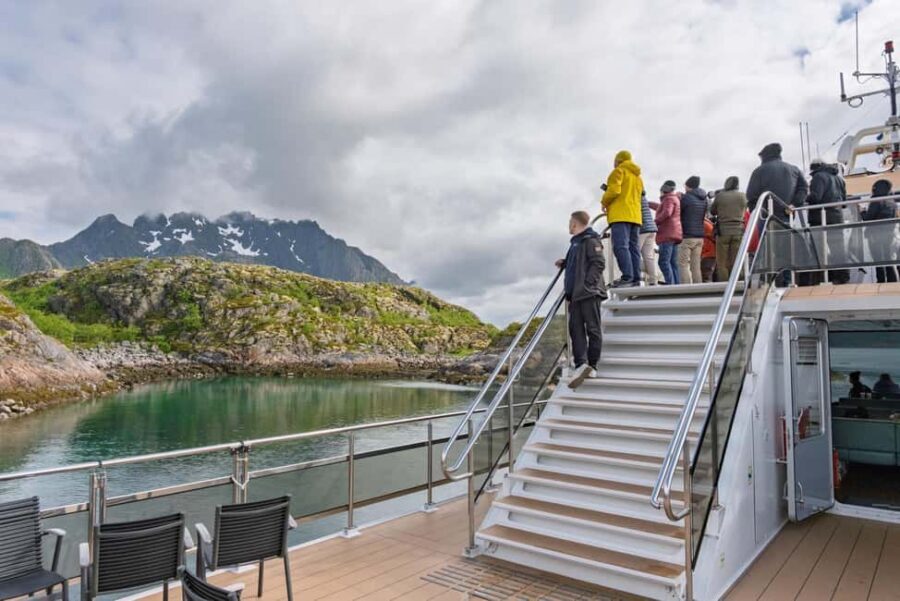
The vibe depends on the day, but the structure is consistent: a guided experience with time for sightseeing, photo pauses, and wildlife viewing.
Here’s what you can reasonably expect from the setup:
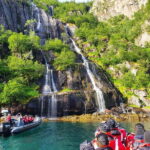
- A larger catamaran can feel more group-focused. That’s not necessarily bad, but it does mean you’ll share deck space and you may have less freedom to spread out.
- On calmer days or smaller groups, the boat can feel surprisingly comfortable, and you’ll likely enjoy the ride more because it’s easier to stay in your viewing zone.
- The guides are part of the value, not just “background narration.” Their job is to point you toward what matters and help you avoid the common mistake of watching randomly.
Comfort-wise, the hybrid-electric ride should help your body. Less vibration means you can stand, turn, and focus without feeling constantly off-balance.
If you’re serious about photos, treat the deck like a working platform:
- give your eyes a minute before you shoot
- take a wide frame first, then wait for movement
- plan for a burst style, then pause to confirm the bird’s behavior
That way, you’ll actually come home with keepers, not just a memory card full of near-misses.
Weather reality: sunset and wildlife are always nature-driven
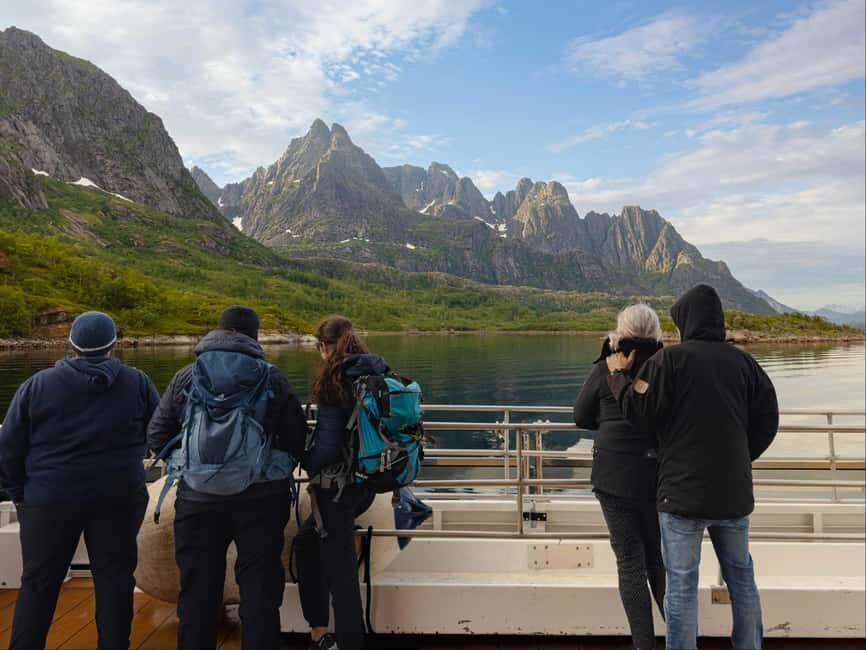
One key line to internalize: both wildlife and midnight sun can’t be guaranteed and it depends on nature and weather. That doesn’t mean you’ll be disappointed—it means you’re in a real outdoor system. Wind affects flight. Clouds affect visibility. Rougher water reduces the time you’ll want to stand still for long viewing.
So how do you manage that reality?
My approach is simple:
- If you’re chasing a classic sunset, plan to enjoy the light even if it arrives later or fades faster than expected.
- If your main goal is the eagles, focus on the sightings you get rather than the fantasy of “only eagles, all the time.”
- Keep your clothing and camera setup ready for quick changes. The best action often happens in short windows.
Also, remember this tour is short. If weather pushes it toward a less active wildlife day, you’ll still walk away with a guided cruise through Lofoten’s coast and a real attempt to see the birds where they live.
Who should book this sea eagle cruise?
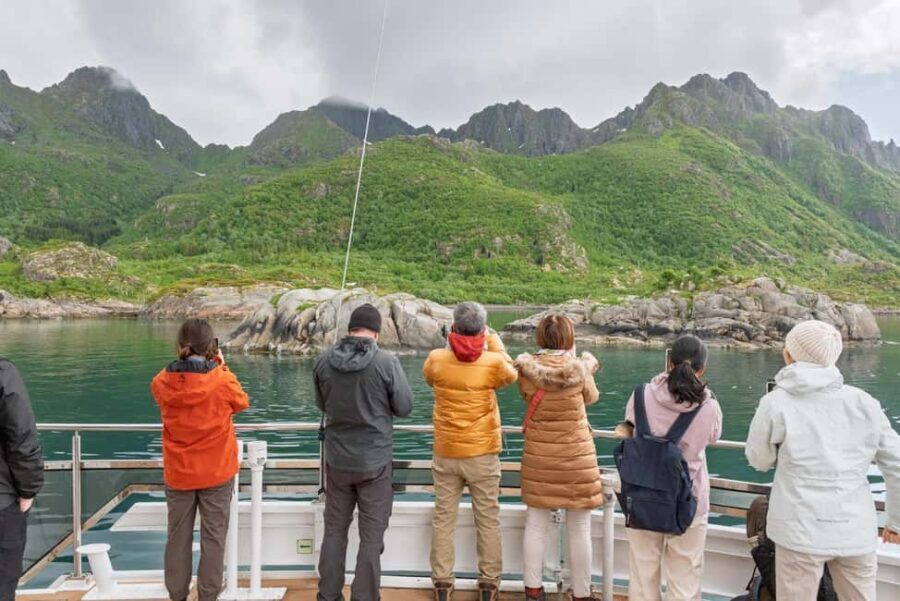
This tour fits best if you:
- want wildlife viewing in Lofoten rather than a long scenic drive
- like the idea of evening light for mood and photos
- prefer guided help for spotting rather than guessing on your own
- can handle cold deck time and enjoy standing and watching
It’s less ideal if you:
- want a super-private, slow, silent boat experience
- dislike group settings or shared viewing space
- need guarantees for a specific number of sightings or a perfect sunset display
The sweet spot is “I want a strong chance at sea eagles with expert guidance, and I’m okay with nature running the show.”
Should you book the Lofoten Sea Eagle Sunset Cruise?
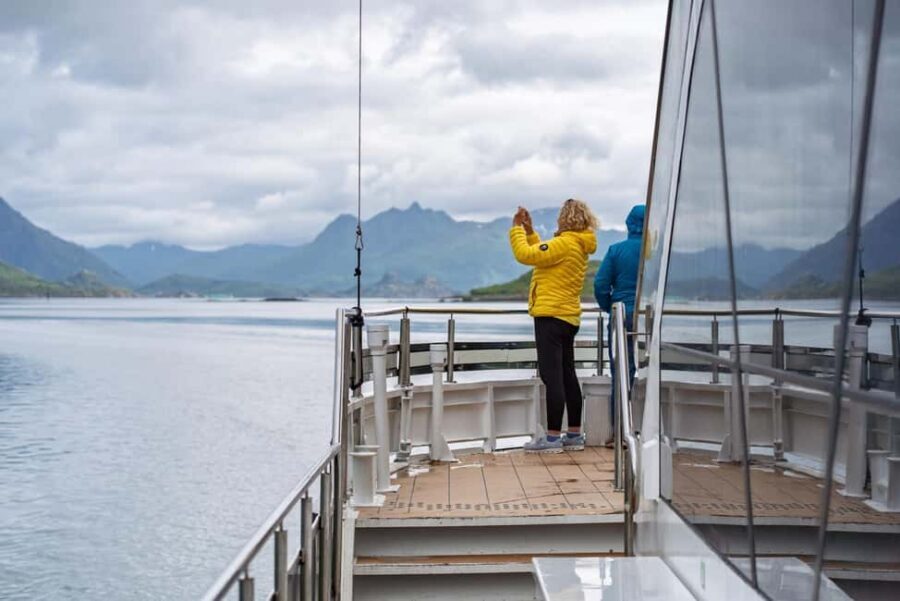
I think it’s a good booking when you want a compact, guided wildlife outing that actually uses Lofoten’s coastal geography. The hybrid-electric catamaran and the short 90-minute format add up to a practical experience that doesn’t drain your whole day. And when conditions are right, eagle viewing can be genuinely impressive—people have reported many sightings in a single cruise window.
If you’re flexible, you’re in a strong position. The tour offers free cancellation up to 24 hours in advance for a full refund, plus a reserve now & pay later option, which makes it easier to choose based on your weather-day instincts.
If your schedule is tight and you’d rather spend your time on something that has a clear purpose, this is one of the more focused ways to see Lofoten’s wildlife side.
FAQ
How long is the Lofoten Sea Eagle Sunset Cruise?
The cruise duration is 90 minutes.
Where do I meet for the tour?
Meet 15 minutes before departure at the pier on the main square in Svolvær, next to Paleo Arctic Restaurant (Torget 22).
What’s the main wildlife you’re looking for?
The tour focuses on seeing white-tailed eagles, also known as sea eagles.
What boat will I be on?
You’ll travel on a hybrid-electric catamaran.
Is food included in the price?
No. Food and drinks are available for purchase on board, but they’re not included.
Is there a guide, and what language is it in?
Yes, there is a live tour guide, and the tour language is English.
Is the sunset or midnight sun guaranteed?
No. Wildlife and midnight sun can’t be guaranteed because it depends on nature and weather.
Does the itinerary include specific places like Skrova?
The cruise includes passing the isle of Skrova, plus stops including Høla and Oddvaer.
What is the cancellation policy?
You can cancel up to 24 hours in advance for a full refund.