REVIEW · SVOLVAER
Svolvær: Ultimate Aurora Hunt
Book on GetYourGuide →Operated by Lofoten Insight · Bookable on GetYourGuide
The lights do not always show up on cue, but this tour is built to chase them. I like how the plan mixes northern-Draco-style pursuit energy with real practical guidance, from aurora science to night-photo basics. In Svolvær, where winter darkness can feel endless, that structure turns waiting into an active hunt.
I also like the professional photographer guide approach. You learn how to shoot the aurora in the dark, and guides like Magdalena, Christian, Dave, Erik, and Roberto show up in the experience with real patience and camera help. One clear drawback: the aurora is still nature, so if clouds win, your night may involve extra driving and repositioning for a chance at clear skies.
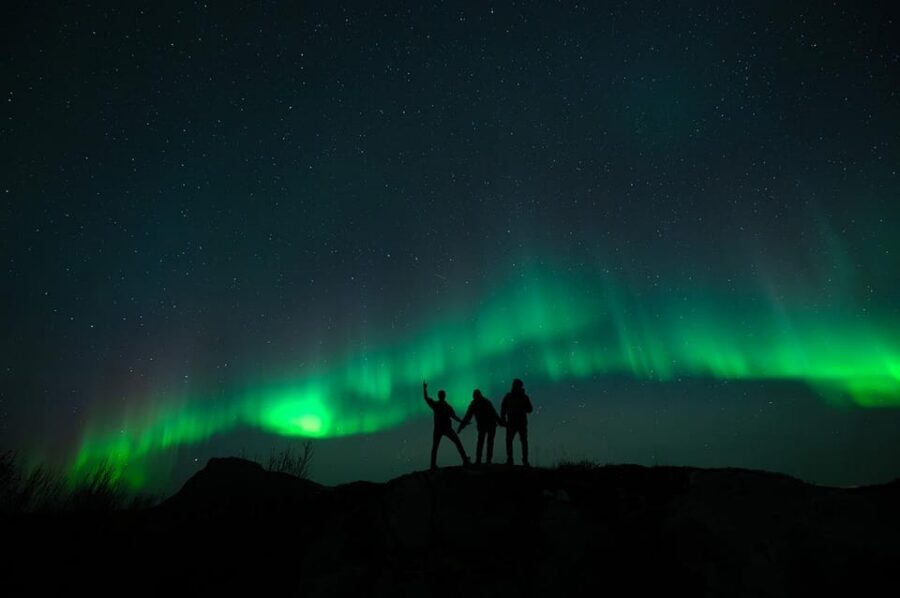
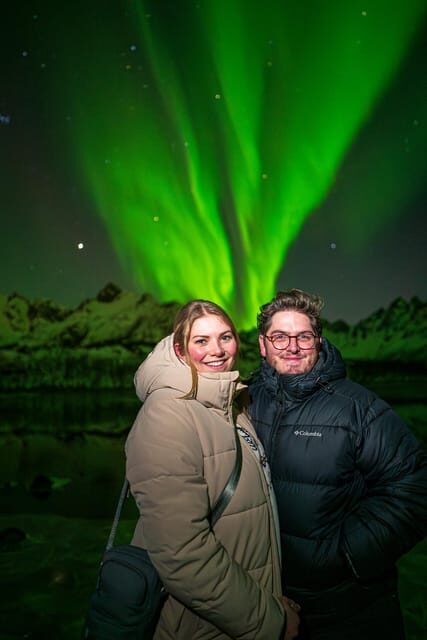
Best part for your future self: you’re not just hoping for a good photo. The guide takes souvenir photos under the lights and sends them digitally within 48 hours (often sooner), which matters when you’re cold, tired, and staring up for long stretches.
In This Review
- Key Points You’ll Care About Most
- Why Svolvær Makes Sense for Aurora Hunting
- The 4-Hour Flow: How the Hunt Plays Out
- Pro Photo Coaching: Getting Images That Don’t Feel Like Accidents
- Hot Drinks and the Minivan Strategy: Comfort Is Part of the Plan
- How Weather Tracking Changes Your Odds
- Aurora Science and Mythology: What You Learn While You Stare Up
- What a Small Group Really Means on an Aurora Night
- Price and Value: What $173 Buys You in the Real World
- Who This Tour Fits Best (And Who Might Not)
- If the Lights Don’t Cooperate
- Should You Book Svolvær Ultimate Aurora Hunt?
- FAQ
- How long is the Svolvær Ultimate Aurora Hunt?
- What does it cost?
- How large is the group?
- Is the tour guided in English?
- Where do I meet the tour?
- What is included in the price?
- What should I bring?
- When will I get the souvenir photos?
- Is it suitable for kids, and what about weather cancellations?
Key Points You’ll Care About Most
- Small group size (max 8) means more attention for camera questions and positioning
- A moving strategy to beat clouds instead of waiting at one lonely spot
- Night photography coaching plus guide-taken souvenir shots
- Hot drinks to keep you warm during short standouts and longer waits
- Aurora science and mythology storytelling while you watch the sky
- English-speaking guides with local weather awareness around Svolvær
Why Svolvær Makes Sense for Aurora Hunting
Svolvær sits in Norway’s Lofoten region, which gives you a familiar rhythm: dark evenings, cold air, and long stretches of sky that can turn dramatic quickly. What you’re really buying on an aurora night is not just darkness—it’s time in the right direction, with the right weather conditions, and without losing your hands to the cold.
This tour makes that easier by building the night around motion and flexibility. Instead of treating the aurora like a fixed event, you treat it like a moving target. That mindset is exactly what you want when you’re hunting for faint glow one hour and bold curtains of color the next.
You can also read our reviews of more tours and experiences in Svolvaer.
The 4-Hour Flow: How the Hunt Plays Out
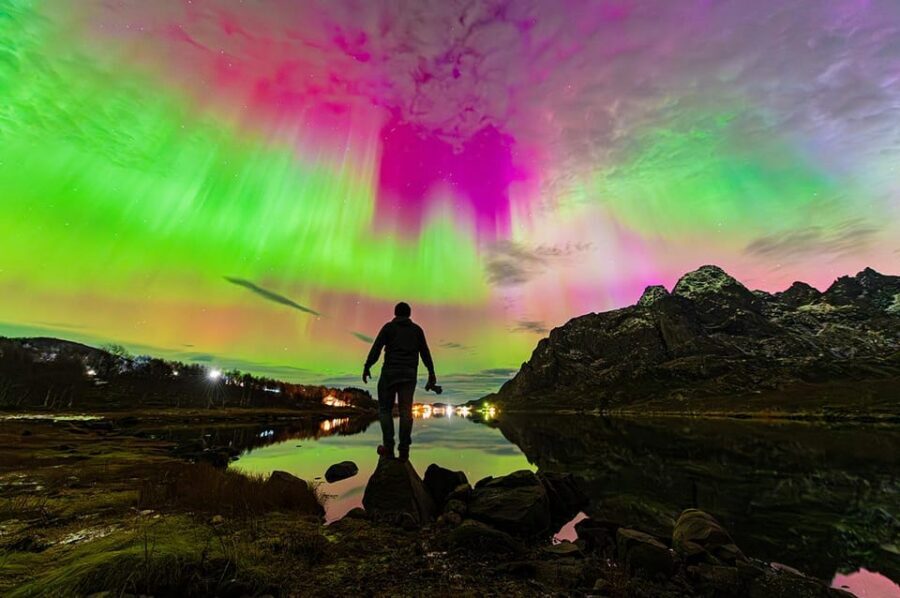
You’re out for about 4 hours, which is long enough to try a few spots but short enough that you won’t feel like you’ve surrendered your whole evening to winter weather. The evening starts at Svinøya Rorbuer in Svolvær, meeting outside the reception. If you’re staying elsewhere, pickup can be arranged from the Tourist Information Office in Svolvær, Lofoten Rorbuer, or the Marina Hotel—just message after booking.
From there, the tour is designed around a simple idea: stay close to the minivan, then go out when conditions look promising. That matters because clear skies are often cold skies. You’ll have hot drinks while you wait, and you can duck back into warmth when the sky is quiet.
The biggest operational detail is the chasing. The guides monitor conditions and reposition when needed. Some nights mean multiple locations; the point is to be ready where the aurora is most likely to show itself—rather than settling for a single view that may not work out.
Pro Photo Coaching: Getting Images That Don’t Feel Like Accidents
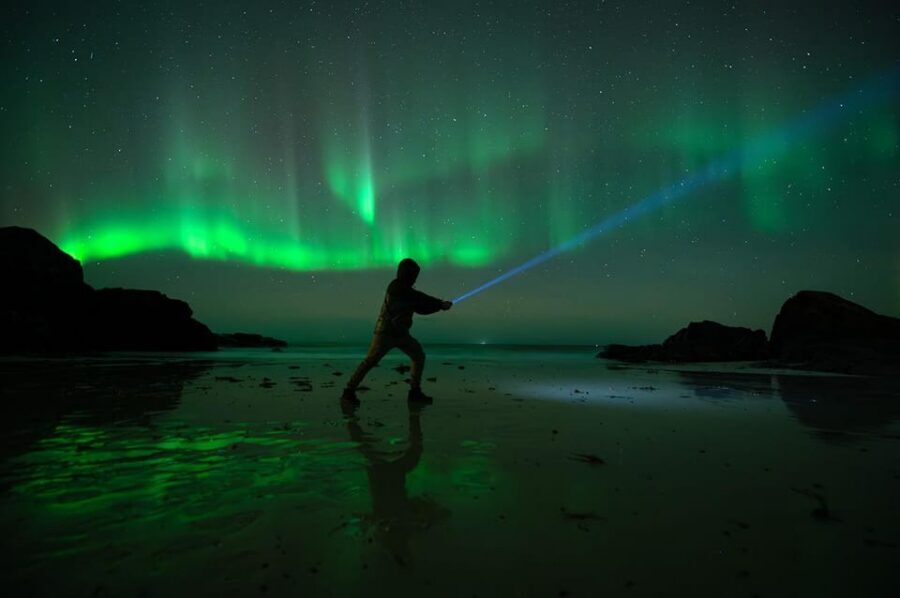
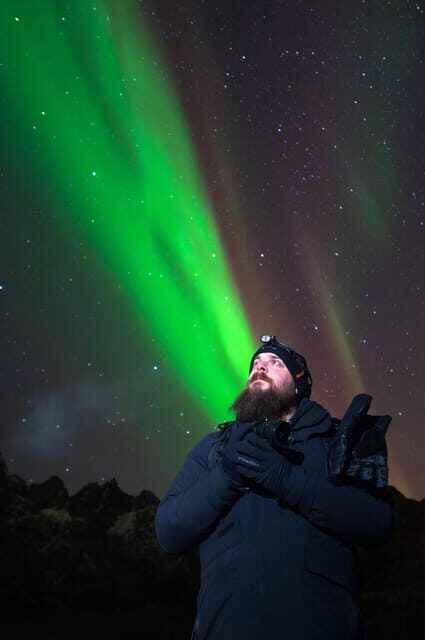
Aurora photos are one part luck, one part timing, and a big part of technique. This tour leans hard into the technique. The guide is not just pointing; they teach you how to shoot at night so you can capture the motion and color you’re seeing—or at least something close enough that you’ll remember the night correctly.
You’ll also get help choosing locations based on the type of image you want. That can affect everything: how wide the sky looks, whether you include dramatic foreground elements, and how much of the aurora you can frame without losing the stars.
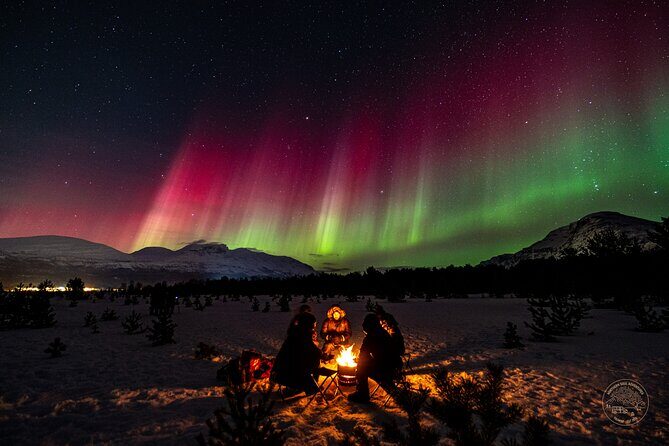
Even if you mess up your settings (winter + nerves can do that), you still have a safety net. The guide takes souvenir photos of you under the aurora and sends them digitally within 48 hours, often much sooner. For me, that’s the smart part: you’re not betting the whole trip on your ability to operate a camera at minus-something.
Hot Drinks and the Minivan Strategy: Comfort Is Part of the Plan
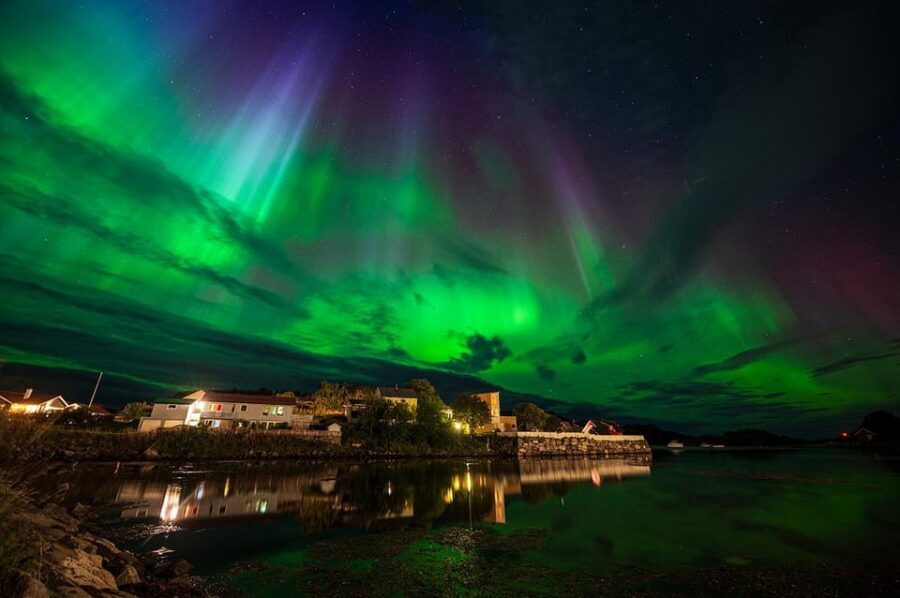
Cold can ruin your concentration faster than cloud cover. This tour keeps comfort realistic and practical: you’re near the minivan so you can step out, watch, shoot, and then warm up again when needed. It’s not about pretending the Arctic is a summer stroll.
Hot drinks are included, and people repeatedly highlight the comfort timing—like when the aurora is present and you still need steady hands and a clear head. If you’ve ever tried to take photos while freezing, you know why this matters. Comfort becomes steadiness, and steadiness becomes better images.
How Weather Tracking Changes Your Odds
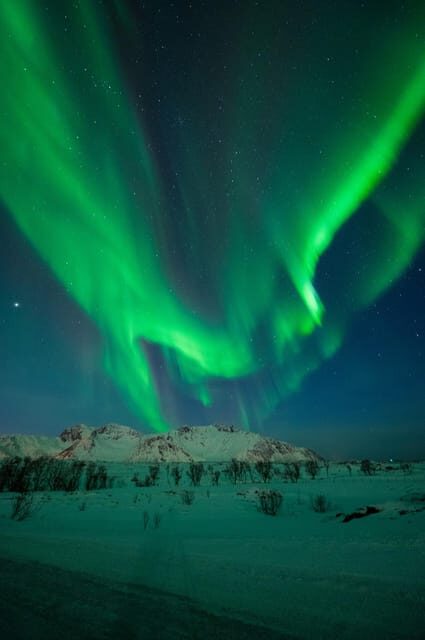
The tour’s promise is not that you’ll always see aurora. It’s that you’ll work smarter during the hunt. This operator monitors sky conditions and makes decisions based on changes in cloud cover and the likely aurora movement.
That approach is why you’ll often get a plan that feels dynamic. Guides use advanced meteorological knowledge and monitoring systems, plus local area insight, so you’re not guessing where to go. They also use the latest tech, paired with local instincts, to decide when to move and when to wait.
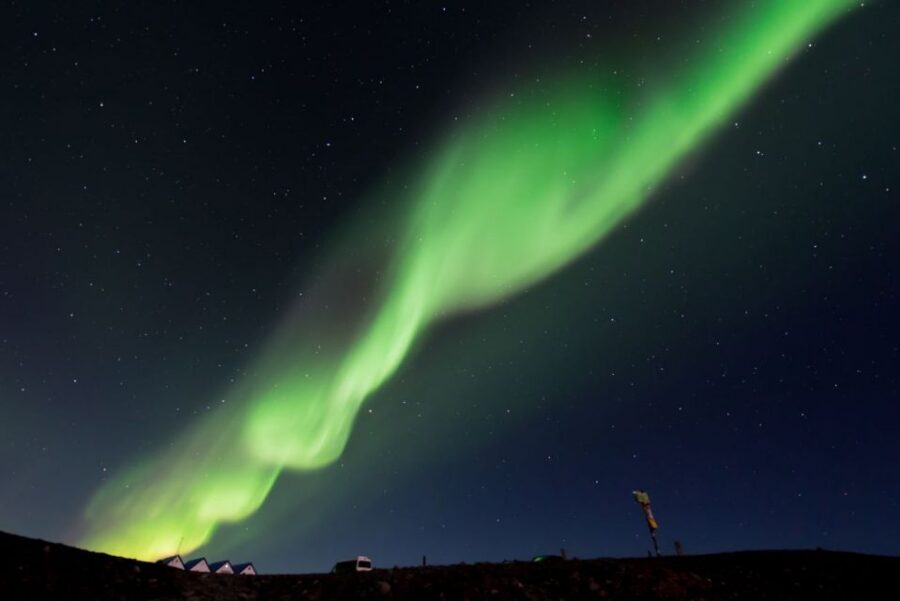
The result is a night that can feel like a guided chase instead of a passive bus ride. And when the sky cooperates, it turns into the full experience: aurora overhead, you outside rather than stuck behind glass, and enough time to look, shoot, and enjoy the moment.

Aurora Science and Mythology: What You Learn While You Stare Up
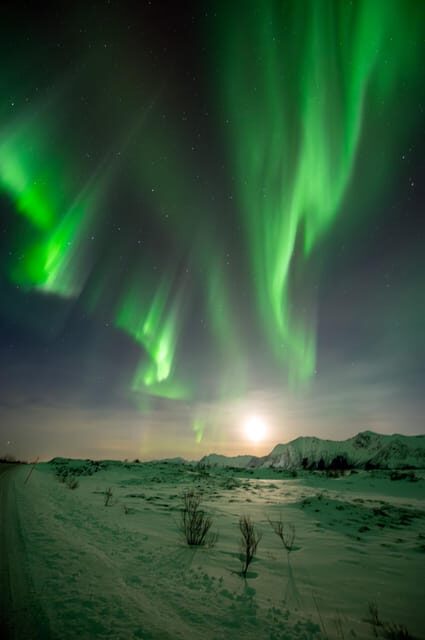
This is one of those tours where you’re not just staring at the sky until it gives you something. You get the explanation too. Your guide explains the science behind the aurora—what’s happening in the upper atmosphere—and connects it to stories and mythology from long ago.
I like that pairing because it gives you two lenses. The science helps you understand why the aurora behaves the way it does. The mythology makes the experience feel human, not just technical. You end up with a story you can tell later, instead of only a screenshot in your camera roll.
Guides also talk about stars and constellations during the drives and waits. If you want to feel more “in it” rather than just cold and watching, that extra context makes a big difference.
What a Small Group Really Means on an Aurora Night
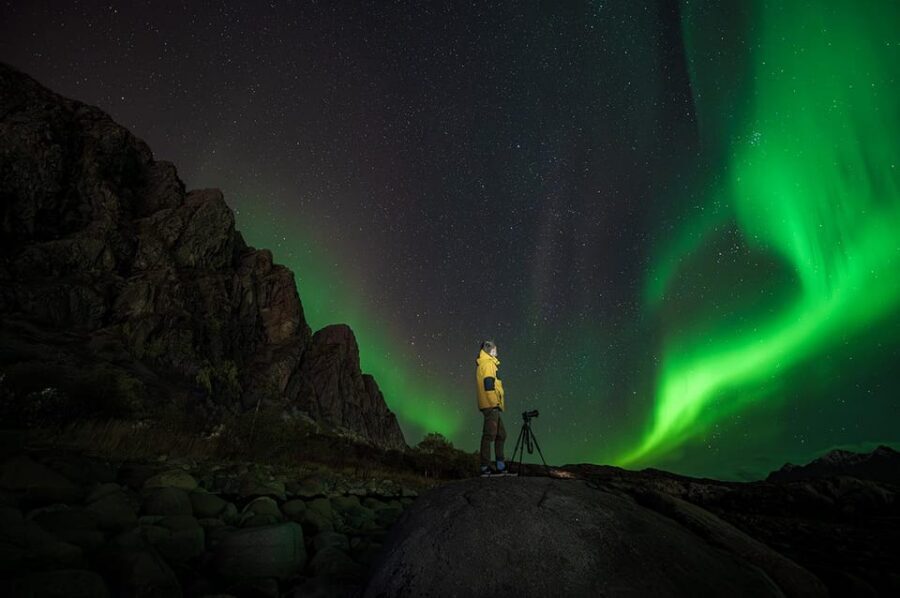
With a maximum of 8 participants, you’re not fighting for space or visibility. That small size shows up in the details: guides can answer camera questions, help with positioning, and adjust plans without herding everyone like luggage.
It also tends to make the night feel more personal. In the field, tiny problems matter: someone’s tripod setup, someone’s framing, someone’s question about exposure time, or simply needing a moment to warm up. A small group makes those interruptions workable.
There’s also a social upside. You’re likely to share the silence and excitement with the same handful of people rather than a packed crowd. On aurora nights, quiet attention is part of the magic.
Price and Value: What $173 Buys You in the Real World
At $173 per person for about 4 hours, you’re paying for more than a ride and a meeting point. You’re paying for three things that are hard to replicate on your own:
- A pro photography guide who helps you actually capture what you see
- Northern lights expertise paired with weather tracking and local driving decisions
- Time and comfort support, including hot drinks and closeness to warmth
If you go DIY, you can certainly drive around and find dark skies. But you’re still doing the hard part: interpreting shifting conditions in the moment, then managing camera settings in the cold. This tour compresses those tasks into a guided experience where you can focus on the sky.
So is it “worth it”? If you care about photos, want real instruction, and don’t want to play weather detective for hours, the value is strong. If you only want a casual look from one spot, you might feel like you’re paying for a level of guidance you don’t need.
Who This Tour Fits Best (And Who Might Not)
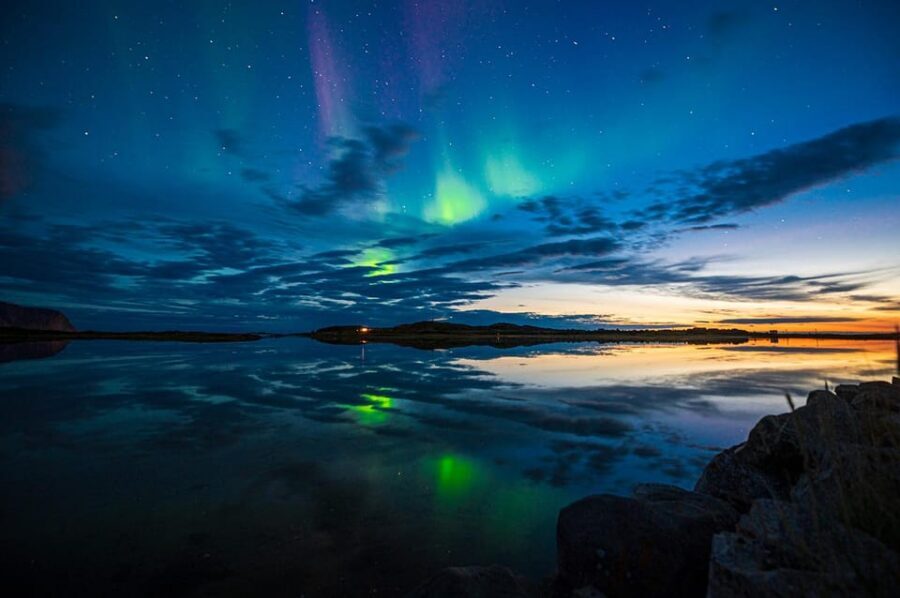
This experience is English-guided and works especially well if you’re traveling as a couple, on a honeymoon, or solo and want a structured way to share the night with a small team.
It’s not suitable for children under 12, which makes sense when you consider the cold, the late hours, and the fact that the goal requires waiting and moving fast when conditions change.
You’ll likely enjoy it most if you:
- want to learn night photography basics rather than just take random pictures
- prefer a guide who will keep searching when the first location doesn’t work
- appreciate hot drinks and short bursts outside instead of long freezing stretches
If the Lights Don’t Cooperate
Here’s the honest bit: the aurora is never guaranteed. Even the best tracking can’t force the sky to clear.
What you can expect is transparency about the weather-driven reality. The guide plans with the weather in mind, and if conditions are truly not workable, your tour can be canceled with a full refund. And if you’re on a night with partial clouds, the chasing approach gives you a real shot at getting clear breaks instead of sitting and hoping.
Should You Book Svolvær Ultimate Aurora Hunt?
If your top priorities are the best chance to see aurora, photo help, and a guided night that keeps you warm and moving, I think this is a smart booking in Lofoten. The small group size, the professional photography element, and the insistence on chasing rather than waiting at one spot make it feel built for results.
I’d only hesitate if you’re very budget-driven and don’t care about photos or instruction. Otherwise, for a 4-hour winter evening, this is exactly the kind of guided effort that turns the aurora from a maybe into a mission.
FAQ
How long is the Svolvær Ultimate Aurora Hunt?
It runs for 4 hours. The exact starting time depends on availability.
What does it cost?
The price is $173 per person.
How large is the group?
The group is kept small, limited to 8 participants.
Is the tour guided in English?
Yes. The tour has a live English-speaking guide.
Where do I meet the tour?
Meet outside the reception of Svinøya Rorbuer in Svolvær. Pickup may also be arranged from the Tourist Information Office in Svolvær, Lofoten Rorbuer, or Marina Hotel if you message after booking.
What is included in the price?
Included are a professional photographer guide, a northern lights expert, souvenir photos, and hot drinks.
What should I bring?
Bring weather-appropriate clothing for the cold.
When will I get the souvenir photos?
Your guide will take photos of you under the northern lights. They’re sent digitally within 48 hours of the tour, usually sooner.
Is it suitable for kids, and what about weather cancellations?
It’s not suitable for children under 12. If the tour is canceled due to weather, you’ll receive a full refund.