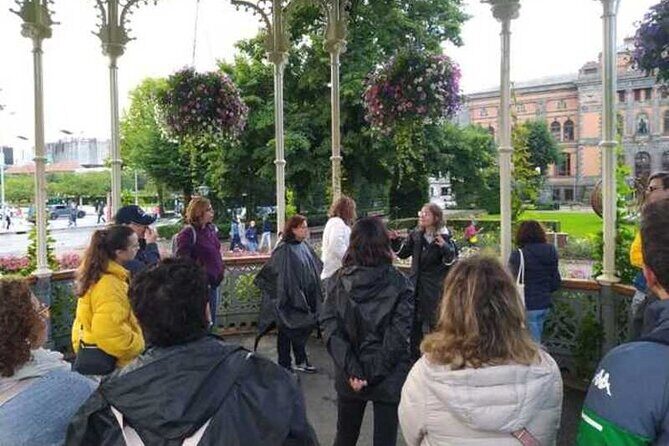
REVIEW · STAVANGER
Stavanger Private Walking Tour with a Local
Book on Viator →Operated by Lokafy Inc. · Bookable on Viator
Stavanger clicks when you walk it. This private Lokafy-style tour starts at SjøfartsmonumentetSkagenkaien and turns your questions into a route you can actually use, not a scripted parade. You’ll get a local’s perspective on how the city works day to day, with a plan shaped around your interests and timing.
I especially like that the experience feels personal: a guide named Sandra worked St. Petri Kirke into the walk when the group asked. And I love the practical cultural angle—guides like Eloisa and Taj shared details about Norwegian customs and everyday life, plus strong food pointers such as a great salmon recommendation (and even fish soup after the walk).
The one thing to watch is that it’s not a fixed “must-see” itinerary. You’ll get a general overview from a local’s viewpoint, and if you add paid attractions, entrance fees are on you (and the guide’s time may be included), so your final spend can shift.
In This Review
- Quick hits before you go
- Why this Stavanger walking tour feels different than a checklist
- Meeting at SjøfartsmonumentetSkagenkaien: a smart starting point
- How the tour gets customized to your interests (and your legs)
- What you can expect to see: city highlights plus real local context
- 1) Orientation around the waterfront feel
- 2) Central streets and the rhythm of everyday Stavanger
- 3) Churches and landmarks when they match your interests
- 4) Culture and customs you can use tomorrow
- 5) Food and drink ideas, without forcing it
- Timing, duration, and what “2 to 6 hours” really means
- Price and value: is $72.01 per person worth it?
- Walking logistics in Stavanger: comfort beats bravery
- Who this Stavanger private walk suits best
- Should you book the Stavanger Private Walking Tour with a Local?
- FAQ
- How long is the Stavanger private walking tour?
- Is this tour private?
- Can I customize what we do during the walk?
- Where does the tour start?
- Where does the tour end?
- Is the tour offered in English?
- Does the tour include entrance fees to attractions?
- What should I wear?
- Does the tour run in bad weather?
- How does cancellation work?
Quick hits before you go

- Start at the working waterfront area near SjøfartsmonumentetSkagenkaien, a smart way to orient yourself fast.
- Tailored route, tailored pace, so you can focus on churches, city highlights, culture, or food.
- Local perspective over textbook history—use it for understanding how Stavanger feels.
- English-speaking local hosts make it easy to ask questions in real time.
- Good walking shoes matter; the tour is fully on foot with no transportation provided.
- Many guides build in food and shopping stops, like salmon and fish-soup conversations.
Why this Stavanger walking tour feels different than a checklist
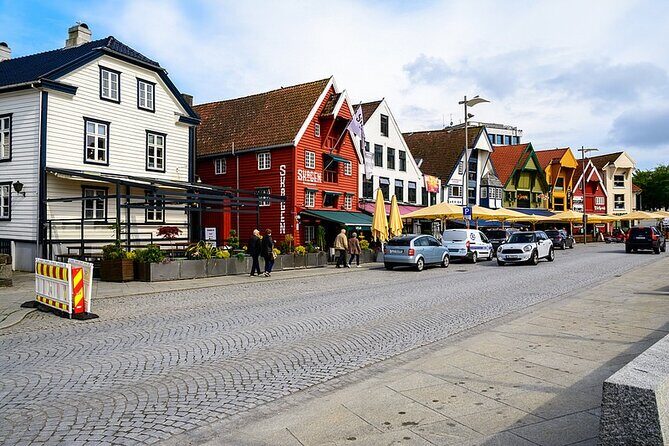
Stavanger is a city where it helps to know what to look for. Up close, you notice the mix: sea-front energy, compact streets, and neighborhood-scale life that doesn’t need a bus to understand. This tour’s biggest advantage is that it stays human and flexible. You’re not stuck following a rigid timeline. You can ask questions as you go, and your Lokafyer (local host) can steer the route toward what you care about.
The other real win is the kind of information you get. Lokafy tours are designed to give you a general overview plus practical city knowledge from a local’s perspective, rather than deep historical lectures. That’s a feature, not a flaw—because when you’re in Stavanger, what you usually need most is clarity: what things mean, where locals go, and how to plan the rest of your day.
The final benefit is that this is a private experience. It’s just your group, so you’re not competing with strangers for attention or timing. When a guide like Anatoly notes your interests and keeps the pace right, the walk feels less like sightseeing and more like getting your bearings fast.
You can also read our reviews of more walking tours in Stavanger



Meeting at SjøfartsmonumentetSkagenkaien: a smart starting point
Your tour begins at SjøfartsmonumentetSkagenkaien (4006 Stavanger). That matters more than it sounds. Starting near a maritime monument puts you near the sea and the city’s working geography. It’s the kind of location where a local can explain what Stavanger’s identity is tied to—then point you toward what you’ll see as you move inward.
If you’re arriving by public transport, the meeting point being “near” is handy. And because the tour ends somewhere in Stavanger (flexible if you ask otherwise), you’re not forced to walk the same way back. One practical tip: plan to have a small buffer after the tour. A guide may naturally end near the area that best matches your interests, whether that’s closer to places you want to eat or where you want to keep exploring.
How the tour gets customized to your interests (and your legs)

This experience is fully customized. The tour provider asks you to share your preferences in advance, and you can also tell your Lokafyer what you want out of the walk right before things start (for example: churches, local life, culture and customs, or best areas to shop and eat).
In real terms, customization shows up in three ways:
1) Your route changes. Some walks might include a stop like St. Petri Kirke (a group request in one tour), while others might emphasize the central streets and viewpoints.
2) Your pace changes. If someone in your group has mobility limits, the guide can slow down and adjust.
3) Your questions become part of the itinerary. You’ll often get answers while you’re standing in front of the thing, which is how it sticks.
There’s a small “gotcha” to understand: because it’s tailored, you shouldn’t expect a single, universal set of fixed stops. If you’re the type who wants a strict checklist, you’ll need to communicate your must-dos clearly during booking.
What you can expect to see: city highlights plus real local context
Because the stops are customized, I can’t promise exact buildings or every landmark. But I can tell you the types of places and the purpose each segment serves—so you know what the walk is likely to feel like.
1) Orientation around the waterfront feel
From the start near SjøfartsmonumentetSkagenkaien, you’ll get the early “okay, here’s where we are” feeling. This is where a guide can explain the city’s layout and help you understand how Stavanger’s sea connection shaped daily life. Even if you only catch a few big-picture facts, the payoff is huge: you stop guessing and start navigating.
Possible drawback: if you’re already very familiar with Stavanger’s center, this orientation portion may feel lighter on detail. Still, it’s usually the fastest way to set your mental map.
You can also read our reviews of more private tours in Stavanger




2) Central streets and the rhythm of everyday Stavanger
As you move away from the starting area, your Lokafyer typically shifts from geography to lived-in city cues. This is the part where local perspective becomes practical: where locals tend to spend time, what certain areas feel like, and what you should pay attention to as you stroll.
If your guide has a talent for storytelling, this section can become the heart of the walk. Guides named Anatoly and Miroslava, for example, were praised for packing in interesting details even over a shorter, two-hour window.
Possible drawback: if you want strictly academic history with dates and citations, you might find this less “deep” than a museum-focused guide. That’s aligned with how Lokafy tours are positioned—think local context, not exhaustive lectures.
3) Churches and landmarks when they match your interests
If you care about architecture, religion, or “what stands out,” you can usually request a specific attraction. A guide named Sandra made space for St. Petri Kirke, showing that your preferences can genuinely shape the plan.
A key practical point: if you choose to include a paid attraction or an entrance-based stop, you’ll cover the entrance fees yourself. Also, the guide’s inclusion in the visit may mean extra cost on top of the standard tour price, depending on the attraction. You’ll want to confirm expectations up front so there are no surprises.
Possible drawback: paid stops add time and cost. If you’re on a tight schedule, keep your “must-add” list short.
4) Culture and customs you can use tomorrow
One of the most praised parts of these tours is how they connect culture to everyday moments. People highlighted learning about Norwegian culture, customs, and food choices. That’s the kind of information that changes how you travel the next day—what to expect in shops and restaurants, how locals think about hospitality, and how to order or ask for things without overthinking.
This is where a guide’s personality matters. Taj, for instance, was noted for offering an emigrant’s perspective as well as positive insights into Norway—an angle that can make the country feel less like a destination and more like a place where people actually live.
5) Food and drink ideas, without forcing it
This walking experience doesn’t include meals or drinks, but it often ends up connected to them. Many guides point you toward good places to eat—especially salmon, fish soup, and generally solid local comfort food. Even when your walk doesn’t include an actual restaurant stop, you can walk away with a short list for later.
Possible drawback: you’ll still need to budget for your own food. Also, if you’re picky about timing, tell your guide whether you want the walk to end near a meal option.
Timing, duration, and what “2 to 6 hours” really means

The tour runs about 2 to 6 hours. That range matters for value and for what you’ll realistically fit in.
- If you choose closer to 2 hours, expect a focused route: orientation, a handful of highlights, and enough time for questions.
- If you choose closer to 6 hours, you should get time for a slower pace, more stops, and more “tell me how this works” conversation.
Since it’s private, you’re not trapped in someone else’s pace. You can also steer time toward what you value most—churches, neighborhoods, viewpoints, or shopping streets.
A practical tip: if you only have one day in Stavanger, try to schedule the tour early. It gives you a smarter plan for the rest of your time, whether that’s a self-guided walk, a museum, or food.
Price and value: is $72.01 per person worth it?

At $72.01 per person, this isn’t a “cheap and cheerful” city stroll. But it’s also not trying to be a bus tour price. The value comes from three places:
1) Private access. You get a local host who can tailor the route, adjust pace, and answer questions in real time.
2) Flexibility. If you care about St. Petri Kirke or you want to focus on culture and cuisine, you can shape what happens.
3) Time on foot. Over 2–6 hours, that one-on-one attention can save you time later. Instead of guessing where to go next, you leave with direction.
Also look for the practical advantage that you can get group discounts if you travel with others. That can make the per-person cost feel more reasonable, especially on longer durations.
One thing to keep in mind: paid attractions aren’t included. Entrance fees (if you add them) and any personal expenses are on you. If you build in multiple ticketed stops, your total trip cost rises.
Walking logistics in Stavanger: comfort beats bravery
This is a walking tour, with no local transportation provided. So you’re relying on your feet. The experience is said to operate in all weather conditions, so you should dress for wet wind and changing skies.
Here’s what you should do before you go:
- Wear comfortable shoes you trust for longer walking.
- Dress in layers, because Norway weather can shift quickly.
- Bring a light rain layer even if forecasts look calm.
If you’re traveling with someone whose pace is slower, choose a duration that gives room to move. Reviews praised guides who adjusted for mobility differences, so you’ll want to communicate needs early.
Who this Stavanger private walk suits best
This tour is a great fit if you want more than photos. It’s especially good for:
- First-timers to Stavanger who want to understand the city quickly and feel confident navigating afterward.
- Culture and food travelers who like customs and how locals actually live.
- People who value customization, like including a specific church such as St. Petri Kirke.
- Small groups who want a guide to match their pace, not the other way around.
It may be less ideal if you need a strict, pre-set “top 10 sights” route with no flexibility. Also, if you’re hunting for deep historical study, you might prefer a museum or a history-focused guide.
Should you book the Stavanger Private Walking Tour with a Local?
I’d book it if you want an efficient, human way to understand Stavanger—especially if you care about culture, customs, and good food leads. The strongest reasons to choose it are the personalization and the sense that the guide listens and builds the route around your requests, from St. Petri Kirke to practical city life pointers.
I’d think twice if you’re strict about only visiting a fixed set of attractions or if you’re planning multiple paid entry stops. In that case, you’ll want to confirm what you’re adding so you can budget for entrance fees.
If you’re deciding between doing things on your own and getting a local’s voice, this is a solid middle path: you walk, you ask, you get answers while you’re already in the right place.
FAQ
How long is the Stavanger private walking tour?
It lasts about 2 to 6 hours, depending on your preferences and schedule.
Is this tour private?
Yes. It’s a private tour/activity, and only your group participates.
Can I customize what we do during the walk?
Yes. The itinerary is customized based on your interests. You should share your preferences in advance.
Where does the tour start?
The start point is SjøfartsmonumentetSkagenkaien, 4006 Stavanger, Norway.
Where does the tour end?
It ends in Stavanger. Flexible tours may end at a different location in the city unless you request otherwise.
Is the tour offered in English?
Yes, it’s offered in English.
Does the tour include entrance fees to attractions?
No. If you choose to visit paid attractions, you’ll cover entrance fees yourself, and you would also need to cover the Lokafyer (local guide) cost for the visit.
What should I wear?
Wear comfortable shoes since it’s a walking tour. Dress appropriately for the weather.
Does the tour run in bad weather?
It operates in all weather conditions, but if it’s canceled due to poor weather, you’ll be offered a different date or a full refund.
How does cancellation work?
You can cancel for a full refund up to 24 hours in advance of the experience’s start time. If you cancel less than 24 hours before, the amount you paid is not refunded.