REVIEW · ALTA
Alta: Small-Group Guided Northern Lights Tour
Book on GetYourGuide →Operated by Alta Adventure AS · Bookable on GetYourGuide
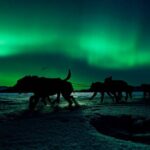
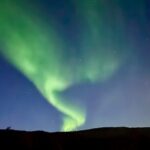
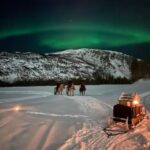
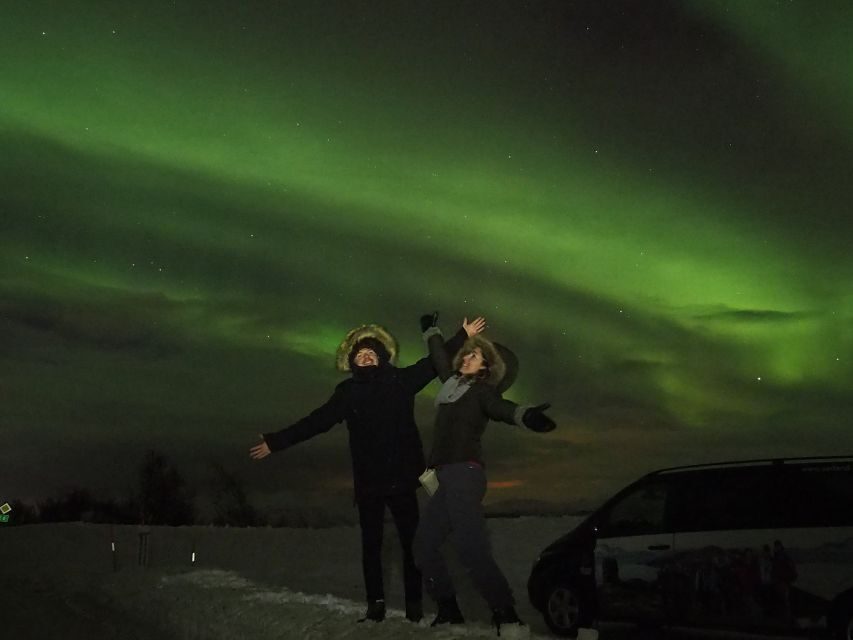
Aurora hunting feels like a mission. This small-group tour in Alta Fjord turns a cold winter evening into a guided hunt for the northern lights, with stops picked for the best odds. You’re not just standing still and hoping. The guides actively scan conditions and choose where to go next, then weave in stories about Alta and the Finnmark region as you wait for the sky to respond.
What I like most is the practical comfort. You get the big items—warm suits and boots—so you can actually stay outside long enough to enjoy the lights instead of rushing back inside. I also love how the tour ties the aurora to place: Sami culture, Stone Age history, reindeer herding, WWII, and everyday life in northern Norway all show up in the conversation.
One consideration: the northern lights are never guaranteed. Even with strong planning (including weather and KP value for solar wind strength), clouds or bad conditions can still win, and you’ll be outside for stretches in real winter cold—so plan for patience.
In This Review
- Key things to know before you go
- Alta Fjord in the dark: how the 4-hour aurora hunt really runs
- Small-group logistics in Alta: pickup, comfort, and the cruise ship angle
- Gear that makes the aurora doable: warm suits, wool layers, and cold-weather timing
- The guide’s game plan: KP value, cloud forecasts, and multiple aurora stops
- The stories behind the sky: Sami culture, Stone Age Alta, and WWII in Finnmark
- Campfire cocoa, pastries, and photo help without the tripod
- Price and value: what $251 buys you in Alta
- Who this tour is best for (and who should skip it)
- Should you book Alta Adventure’s Northern Lights hunt?
- FAQ
- What is the duration of the Alta Northern Lights tour?
- Where does the tour take place?
- What is the chance of seeing the northern lights?
- How many people are in the group?
- What languages are offered?
- What should I wear or bring?
- Is warm gear included?
- What food and drinks are included?
- What is not included for photography?
- Are the tours canceled if the weather is bad?
Key things to know before you go
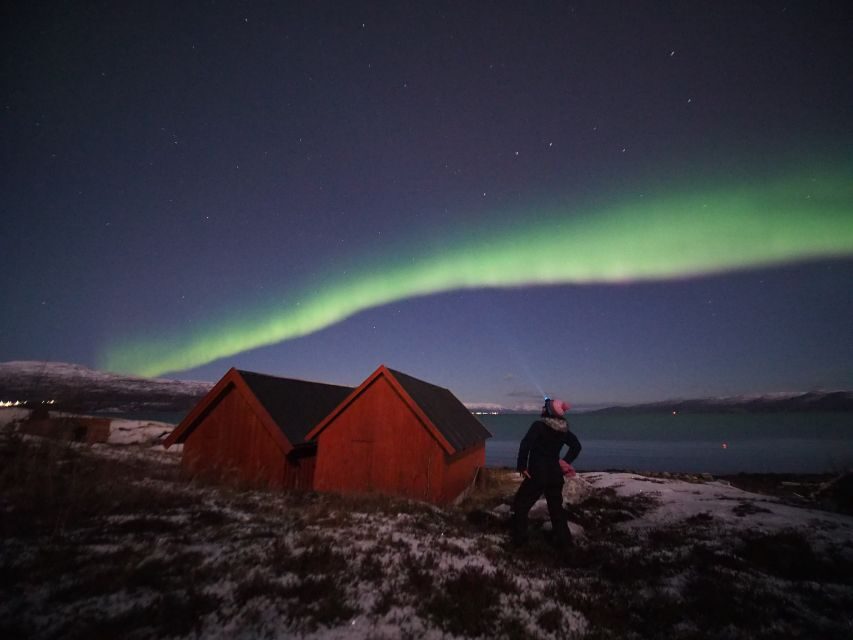
- 80–90% aurora odds, with smart spot changes based on conditions and where the sky looks most promising
- Small group (max 13) for a more focused, together feel and easier photo help
- Warm suits/boots included so you can handle long waits outdoors
- Local history stops, from Stone Age to Sami traditions and WWII-era Alta
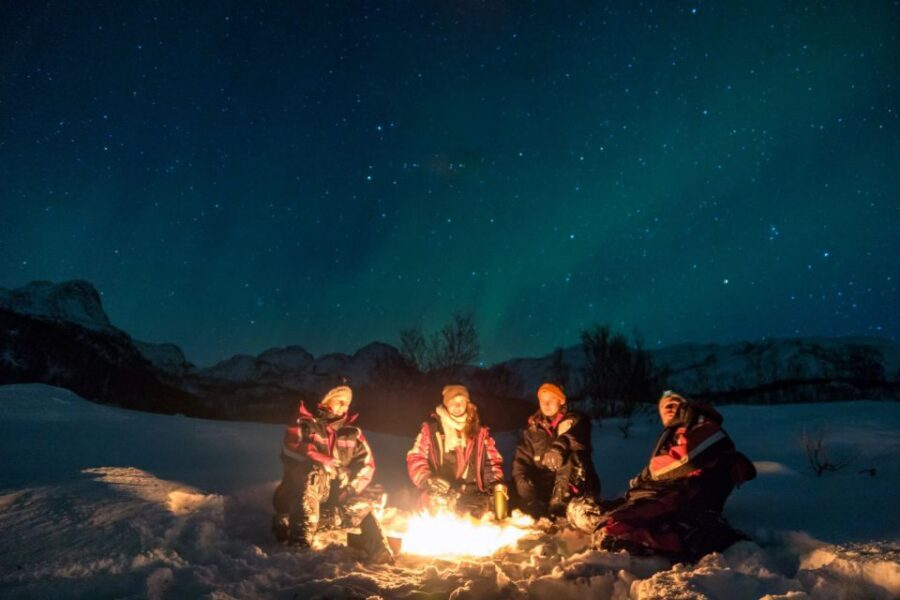
- Hot chocolate and snacks, often with a campfire when conditions allow
- No tripods included, so you’ll need to plan your camera setup accordingly
Alta Fjord in the dark: how the 4-hour aurora hunt really runs
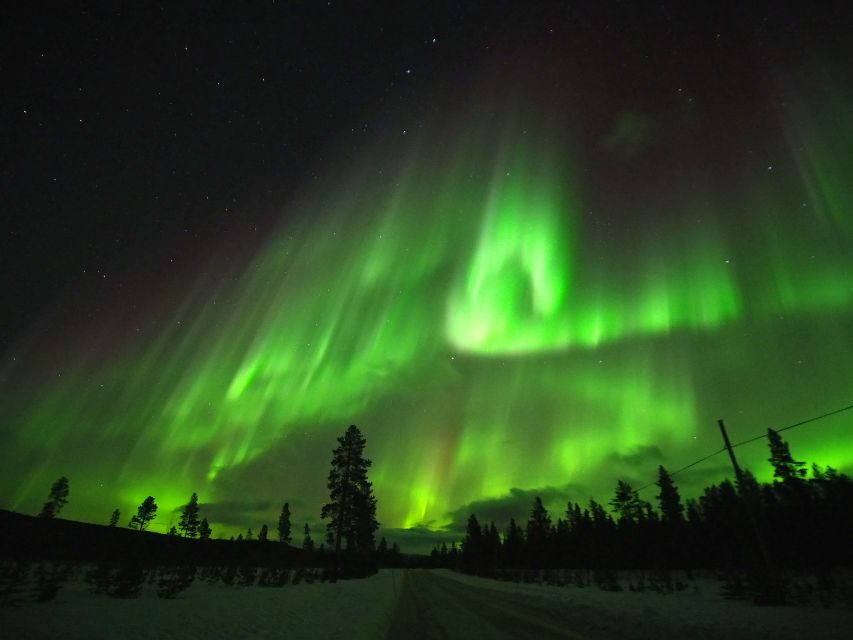
This is a straightforward idea executed with northern-Norway realism. You meet your guide, hop into the minibus, and then you’re driven to the best spot they can find for that night’s combination of cloud cover, darkness, and aurora activity. The tour is scheduled for about 4 hours, and you’re generally back in central Alta just after midnight.
The tempo matters. You won’t be stuck at one place no matter what. If the first area doesn’t cooperate, you’ll move. That’s part of the reason the tour advertises an 80–90% chance: the plan is built around “hunt mode,” not “stand by and pray” mode.
You also learn something while you wait. Guides share local stories as you travel and as you pause outdoors. That turns the cold waiting time into something useful—whether you’re into history, culture, wildlife, or simply understanding what you’re looking at.
You can also read our reviews of more guided tours in Alta
Small-group logistics in Alta: pickup, comfort, and the cruise ship angle
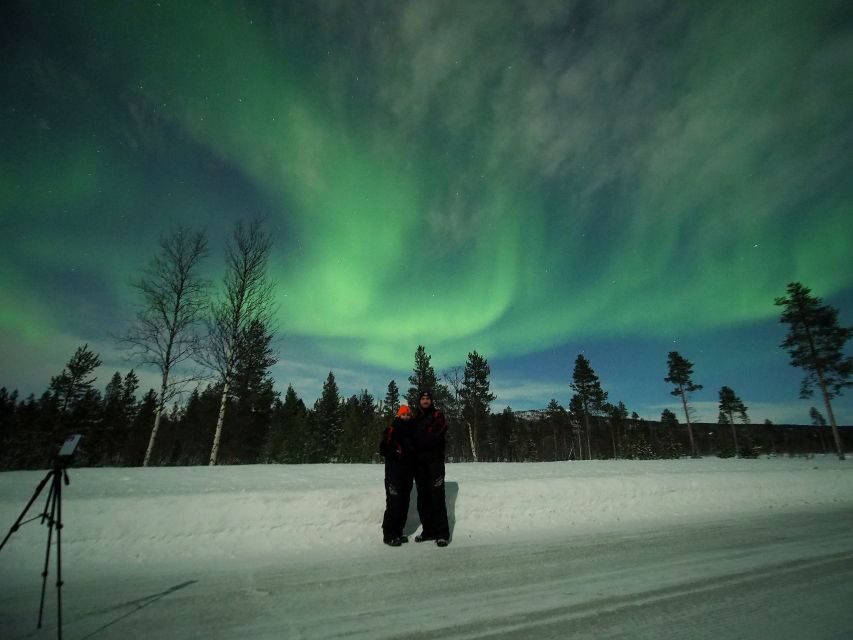
With a limit of 13 participants, the vibe stays calm. You hear the briefing. People help each other with phones and cameras. And you don’t get that boxed-in feeling you sometimes see with larger coach tours.
Pickup is included, and you’re asked to be ready 10 minutes before your scheduled time. If you’re arriving by cruise ship, choose Alta Havn (Alta Harbour) for pickup. Your guide is looking for you at the parking area by the black minibus. That detail matters in Alta, because you don’t want to waste dark minutes figuring out where to go.
One small comfort trade-off: vehicles are built for efficiency, and the seating can be tight for long rides. If you’re tall or you dislike close quarters, it’s worth mentally preparing for that. The tour length is short enough that it usually doesn’t become a dealbreaker, but it’s a real consideration.
Gear that makes the aurora doable: warm suits, wool layers, and cold-weather timing
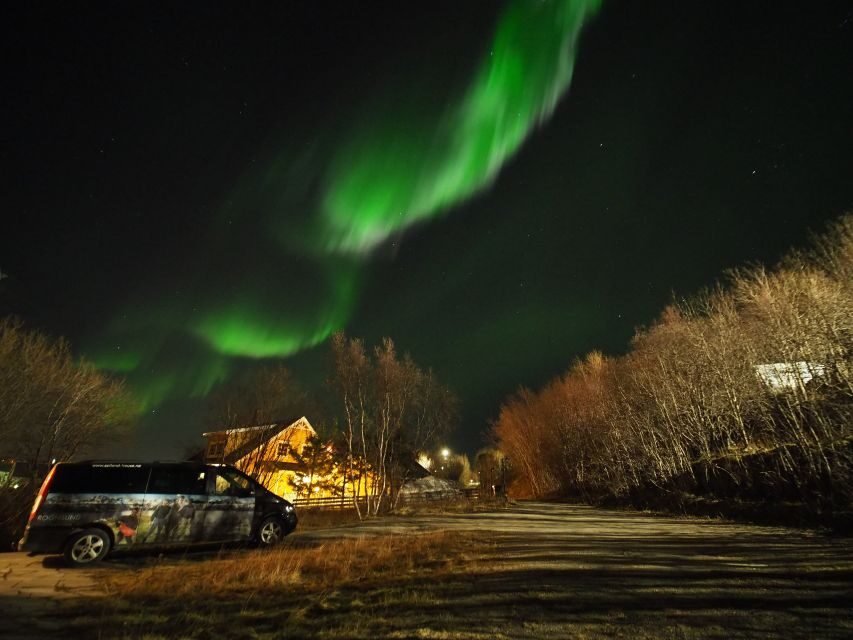
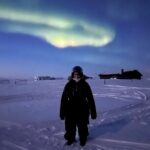
Northern lights tours fail for one simple reason: people get cold, fast. This one tries to solve that. Warm suits and boots are available to borrow, and that’s a huge deal if you’re traveling from somewhere mild. You still should bring warm clothing, especially a hat and scarf, and you’ll be happier if you pack layers that work well for winter—wool is strongly recommended.
The most important thing to understand is that you’ll spend a lot of time outdoors. The tour runs in winter conditions, and the guides arrange it regardless of weather, except for dangerous situations. That means you’ll want to dress for staying outside, not for quickly popping out for photos.
Also, think about your camera plan. You can’t borrow a tripod here—camera tripods are not included. If you rely on a tripod for night photos, bring your own or adjust your expectations. Some guides do help with phone settings and how to frame shots, but a tripod is still what makes long exposure easier.
The guide’s game plan: KP value, cloud forecasts, and multiple aurora stops
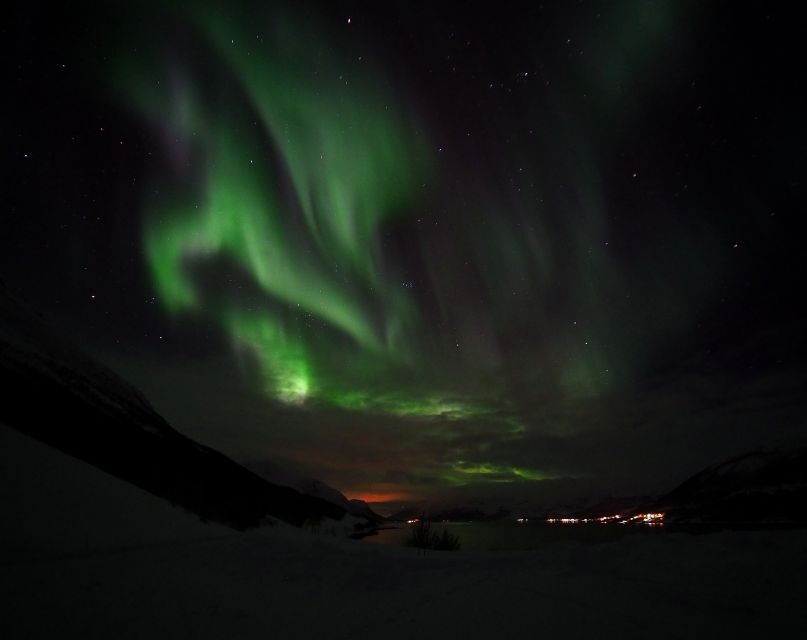
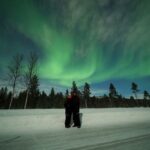
The core promise isn’t just that you’ll see the lights. It’s that the guide is actively working to find the best chance. The tour explicitly uses weather conditions and KP value (solar wind strength) to decide where to go and when.
Here’s what that means for you on the night: you may start under clouds, and then the sky can clear in time for better viewing. Or you may catch the lights early and then spend the rest of the tour refining your photos at a second spot. The guides aim for the best match, not a one-and-done location.
You should also expect that driving distance can change. Sometimes you set up camp with a fire. Other times, you’ll make shorter stops to keep things moving and reduce time in transit. Either way, the goal is the same: maximize your time under dark skies away from strong light pollution.
In several guide-led evenings, you might also get a bonus wildlife moment. People have reported seeing animals like moose during the aurora hunt. That’s not guaranteed, but it’s a reminder that northern winter nights are alive, not just astronomical.
The stories behind the sky: Sami culture, Stone Age Alta, and WWII in Finnmark
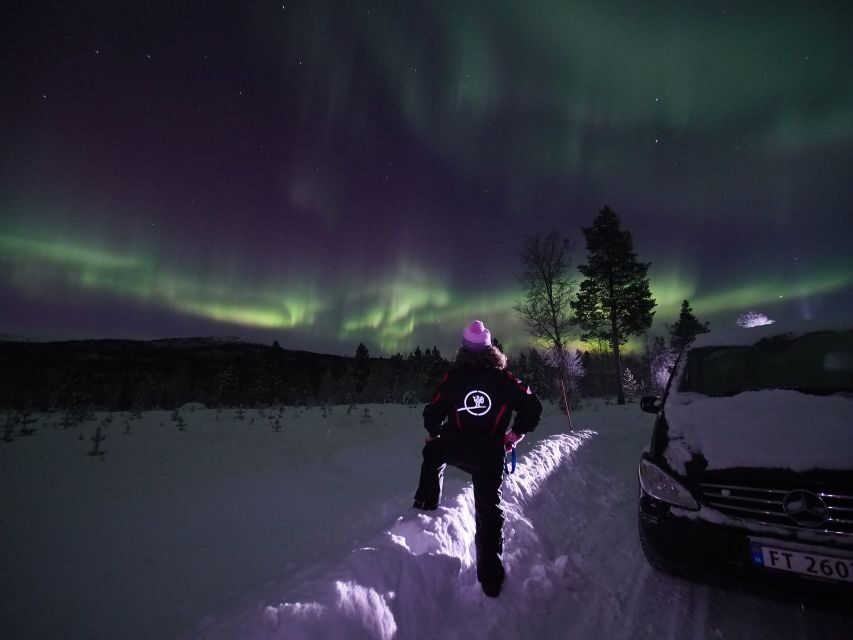
One reason this tour feels more meaningful than a basic aurora viewing is how it connects the northern lights to Alta’s identity. As you drive and wait outside, your guide shares local stories that cover big chapters of the region.
You’ll hear about:
- Stone Age history in the Alta area
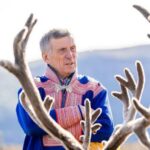
- Sami culture and reindeer-herding traditions
- Wildlife and how people live with the winter ecology
- Second World War history in Alta and Finnmark
- How modern society works in northern Norway
This doesn’t come off as a school lecture. It’s more like getting local context while you stand outside with everyone bundled up. And the timing helps: when the sky is quiet, the stories fill the gap; when the sky wakes up, you’re already tuned in to what you’re seeing.
You may also notice the guides have distinct personal styles. Some people mention guides like Roger, Sebastian, Steve/Stephen/Steven, and Diamela, and they describe mini-lessons before you go out. Others mention a very friendly, team-focused approach where your group feels like you’re in it together from start to finish.
Campfire cocoa, pastries, and photo help without the tripod
The tour isn’t only about the lights. It’s also about keeping energy up. Snacks, cakes, and a sandwich are included. On top of that, you typically get hot chocolate, and depending on where you end up, you might pause at a camp with a fire.
This matters more than it sounds. When the air is freezing, warm drinks reduce that sharp, fast fatigue that kills photo time. It also creates a natural pause in the schedule, so you can gather, compare photos, and reset your hands before heading out again.
A few practical photo points the tour setup supports:
- Your guides may help take pictures of your group, so you’re not stuck using a timer and ruining framing
- Some guides help you set up phones and cameras so you can capture the aurora better
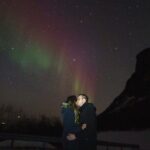
- Photos often show the aurora colors stronger than what the eye sees, so don’t panic if what your eyes see is subtler than your screen later
There’s also a simple expectation-setting note from real experience: night photos depend on exposure and steadiness. If the lights are moving quickly or the camera settings aren’t ideal, the results can look darker than you expect. That doesn’t mean the night was bad. It just means aurora photography is part physics, part luck, and part human hands not trembling in minus temperatures.
If you’re hoping for a tripod-based, pro-level setup, this is the wrong tour to rely on for gear. But if you’re okay with guided framing, warm breaks, and guided efforts to get you good shots, the format works well.
Price and value: what $251 buys you in Alta
At $251 per person for a 4-hour small-group tour, this isn’t a budget activity. Still, I see the value in how it’s built.
You’re paying for:
- A guide who’s doing active driving and spot selection
- Small-group attention (max 13)
- Provided winter gear (warm suits/boots)
- Included food and hot drinks
- Pickup and drop-off, which matters a lot in cold, dark conditions
One thing people notice is that it can feel pricey, but it tends to land in the same ballpark as other northern lights tours in Norway. The practical difference here is the small-group size and the emphasis on being comfortable enough to stay outside. In other words: you’re not just buying a ticket to a location. You’re buying time, warmth, and guidance that tries to raise your odds.
If you’re already traveling with winter gear and you plan to self-drive, you might find cheaper options. But if you want a smoother, safer “aurora mission” with local context and minimal hassle, this price can make sense.
Who this tour is best for (and who should skip it)
This is best for adults and older teens who can handle cold and are okay with a bit of uncertainty. In particular, it’s a strong fit if you:
- Want a small group instead of a crowded coach
- Value local stories alongside the aurora viewing
- Appreciate photo assistance and guidance on how to capture the lights
- Prefer having warm gear handled for you
It’s not suitable for children under 12, pregnant women, people with mobility impairments, people with heart problems, and wheelchair users. Since you’ll be outdoors for long periods in cold winter conditions, it’s an important safety-based choice, not just a restriction.
Also, plan your evening like a local. The tour recommendation is to have dinner before you go. When you arrive hungry and cold, it’s harder to enjoy the wait.
Should you book Alta Adventure’s Northern Lights hunt?
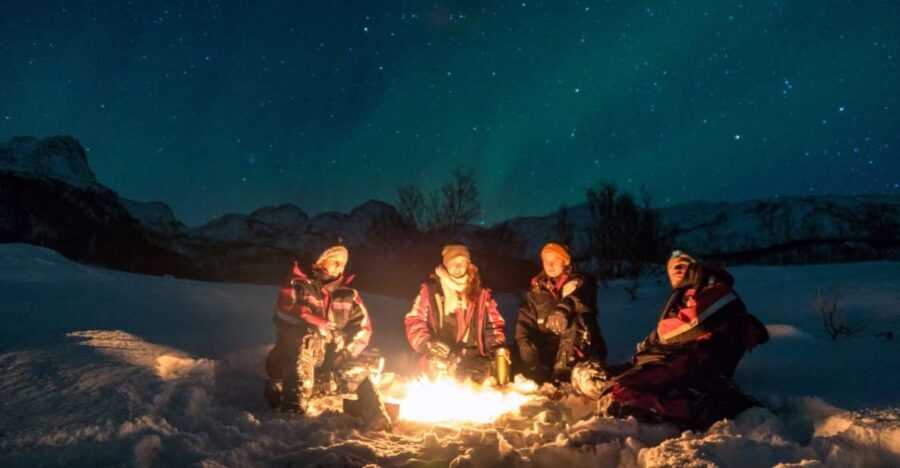
I’d book it if you want an aurora experience that feels purposeful: guided, warm, and packed with local context. The combination of small-group size, provided cold-weather gear, and a guide-driven hunt using weather plus KP value is exactly what you want when the sky is unpredictable.
I’d skip or reconsider if:
- You’re extremely sensitive to cold and long outdoor waits
- You rely on tripods and don’t want to bring your own
- You need a fully guaranteed viewing (no aurora tour can honestly promise that)
If your goal is to maximize your odds while also learning why Alta matters—Stone Age through Sami culture to WWII—this is a solid choice.
FAQ
What is the duration of the Alta Northern Lights tour?
The tour lasts about 4 hours, and you are normally back in Alta Center just over midnight.
Where does the tour take place?
It’s based in Innlandet County, Norway, with aurora hunting in and around the Alta Fjord area.
What is the chance of seeing the northern lights?
The tour states an 80–90% chance of seeing the northern lights, depending on conditions. Seeing is never guaranteed because it’s a natural phenomenon.
How many people are in the group?
It’s a small group limited to 13 participants.
What languages are offered?
The live guide is available in English, Norwegian, and Spanish.
What should I wear or bring?
Bring warm clothing, especially a hat and scarf. Very warm layers are recommended, preferably wool.
Is warm gear included?
Yes. You can borrow warm suits and boots.
What food and drinks are included?
Snacks are included, plus cakes and a sandwich, and you’ll also get hot chocolate during the experience.
What is not included for photography?
Camera tripods are not included.
Are the tours canceled if the weather is bad?
The trip is arranged regardless of the weather, but it is only canceled due to dangerous weather and/or driving conditions.