REVIEW · ALTA
Alta: Northern Lights Hunt And Arctic Animals Adventure
Book on GetYourGuide →Operated by Finnmark Adventure · Bookable on GetYourGuide
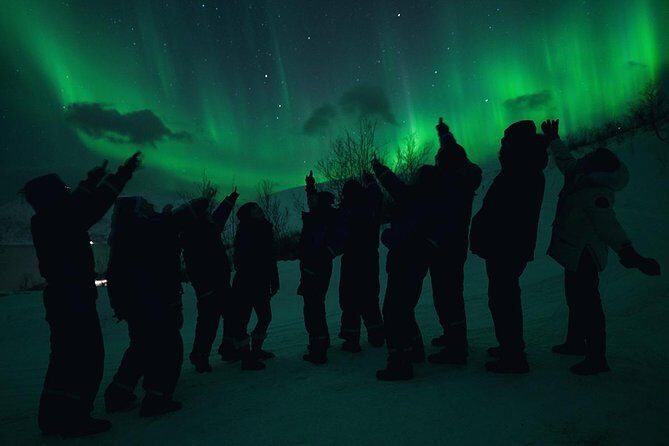
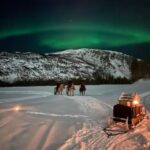
The sky doesn’t play fair. That’s what makes this tour fun: you’re chasing the aurora with small-group aurora hunting brains on the ground, plus Arctic animal farm time before the chase. I like that the night has structure, not just hoping the sky cooperates, and I especially like the hands-on animal stop. One thing to keep in mind: the Northern Lights are never guaranteed, even with the best plan.
You’re out for about 4 to 4.5 hours, and the cold is part of the experience, not a side quest. Plan on staying outside during pauses and photo stops, so bring serious layers and a tripod if you want sharper aurora shots.
In This Review
- Key things I’d watch for
- Why this Northern Lights hunt feels different than a bus tour
- The farm stop: llamas, alpacas, woolly pigs, and horses
- How your guide actually searches the aurora (and why 200 meters matters)
- Norwegian hot drinks and treats keep the night human
- Photo help that improves your odds (and your shots)
- Timing, what to pack, and how to stay comfortable outside
- Price and value: is $251 per person fair for a 4-hour night?
- Who should book this aurora and animals adventure
- Should you book Alta: Northern Lights Hunt And Arctic Animals Adventure?
- FAQ
- How long is the tour?
- What’s the group size like?
- Where does the tour take place?
- Is the tour guided in English?
- Is Northern Lights viewing guaranteed?
- Are Arctic animals part of the tour?
- Can I feed the animals?
- What food and drinks are included?
- Do I need a camera or tripod?
- What should I bring besides a camera?
- Who should avoid this tour?
Key things I’d watch for
- Max 8 people per car: less crowding means easier listening to your guide and calmer viewing.
- Animals first, lights second: llamas, alpacas, woolly pigs, and horses set the mood before you chase the aurora.
- Local weather reading: your guide treats clouds like data, not vibes.
- Photo coaching included: you’ll get help avoiding the common dark-selfie disaster.
- Short drives and quick pivots: when conditions shift, moving even a bit can matter.
Why this Northern Lights hunt feels different than a bus tour
A lot of aurora tours sound the same on paper. This one tries to do something better: it mixes real-time decision-making with a warm, human start to the evening. You begin with Arctic animals, then you head out when the sky gets dark enough to work.
What I like most is the vibe of a small mission. You’re not stuck somewhere hoping. If the guide sees cloud cover changing or the viewing angle isn’t right, you may move to better spots—sometimes only short distances. That’s the difference between a long night and a night with momentum.
The group stays small—no more than eight people per car—so you can actually hear instructions. It also means you’re more likely to get personalized help with where to stand, how to aim, and when to press the shutter.
You can also read our reviews of more tours and experiences in Alta.
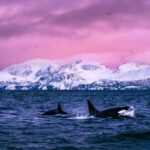
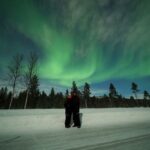
The farm stop: llamas, alpacas, woolly pigs, and horses
Before you chase green ribbons across the sky, you meet Arctic animals that are genuinely part of the evening. Expect llamas, alpacas, woolly pigs, and horses. This is where the mood softens from expedition to connection.
Here’s the practical side: the tour info says you’ll meet and feed the animals, but it also lists feeding animals as not allowed. So treat it like this—show up ready to interact, but follow your guide’s rules on the day. You’ll still get plenty of closeness and the chance to learn how to behave around the animals safely.
This stop is also a smart timing choice. You get outside the vehicle, you warm up socially, and you reset your eyes before the dark work starts. If you’re traveling with kids or you want a night that’s not 100% “waiting in the cold,” this farm portion does that job.
One more detail that matters: if you have animal allergies, this tour is not suitable. That’s not a minor footnote. Plan accordingly.
How your guide actually searches the aurora (and why 200 meters matters)
The aurora hunt is part science, part patience, and part guessing games you only learn by doing. The big promise here is that your guide isn’t just pointing at the sky. They’re reading the environment—clouds, timing, and local conditions—with a level of weather focus that feels almost nerdy (in the good way).
In past groups, guides have been described as persistent—sometimes the aurora doesn’t show up until later in the evening. One group specifically said they saw lights after the third stop, which fits how aurora hunting often goes: early optimism, then a wait, then the sky delivers.
You should also know what kind of behavior you’re signing up for. When the guide decides it’s time to drive, turn around, or reposition, you do it. The difference can be small—think 200 meters—but small changes can alter what clouds block and what camera angles work.
On cloudy nights, this matters even more. The guide’s local knowledge and willingness to move is what turns “maybe” into a real search.
Norwegian hot drinks and treats keep the night human
Chasing the lights can turn into a silent endurance test if you let it. This tour tries to prevent that by building in breaks with warm drinks and Norwegian treats. The idea is simple: keep energy up, keep morale up, and give you a reason to smile between sky checks.
You’ll have photo stops, and you’ll likely pause in quiet moments when the aurora is a possibility. In at least one case, the group sat around a campfire for a couple of hours. That kind of break is more than comfort—it helps you stay calm, stop fiddling, and actually watch.
As for the food, expect sweet and savory Norwegian-style snacks served during the hunt. The tour description suggests options like chocolate and smoked items, plus some unexpected bites. Either way, it’s a nice change from the usual “bring your own snacks” approach.
Photo help that improves your odds (and your shots)
If you care about photos, this tour is set up with you in mind. You’re not left alone with a camera and a hope-and-pray plan.
They include help for capturing the perfect aurora shot, plus guidance on avoiding those classic dark images where your phone looks like a shadow museum. You’ll also get photo stops where the guide helps you find better positioning. That’s where a tripod becomes a big deal—without one, you’ll fight blur and exposure settings in cold conditions.
Here’s a tip that you can use immediately if you want better results: practice setting your tripod before you’re standing in the dark and cold. Then when the guide says go, you move fast, you lock the camera down, and you stop changing settings every 20 seconds.
Also, if you don’t have a tripod, the tour still runs, but your images may be less crisp. The tour explicitly recommends bringing one for a reason.
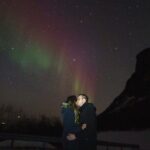
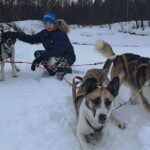
Timing, what to pack, and how to stay comfortable outside
The tour runs about four hours, though the experience is described as roughly 4.5 hours. That duration matters because aurora hunting doesn’t respect your schedule. You’re building time for darkness, weather reading, and moving between viewing spots.
What to bring is clear:
- Warm clothing
- Weather-appropriate clothing
- Camera
- Tripod
Think in layers. If you’re sweating before you start, you’ll freeze once you stop moving. If you’re already shivering, you’ll miss the aurora while you’re busy warming up. Dress to stay outside for a while.
Also, give yourself permission to be boring about comfort. This is one of those nights where gloves, a hat, and warm shoes are more useful than extra accessories. The aurora is the reward. Your job is to stay ready.
Price and value: is $251 per person fair for a 4-hour night?
At $251 per person, this isn’t a bargain-basement evening. But value isn’t only about how long you’re outside—it’s about what’s included and what it costs to do it safely and well on your own.
Here’s what your money buys:
- Small-group transport (max eight per car)
- A local guide and Northern Lights hunter
- Arctic animal time with llamas, alpacas, woolly pigs, and horses
- Hot drinks and Norwegian treats
- Photo stops and help with aurora shots
- The guide’s weather and cloud expertise
If you tried to replicate this alone, you’d spend time and effort on transportation, timing, and choosing viewing spots. You’d also take on the hard part: interpreting cloud cover and knowing when to move. Paying for a guide is paying for that judgment.
So the value question comes down to you. If you want a guided night with food, animal time, and coaching, the price can make sense. If you’re the type who enjoys figuring out everything yourself, you might decide to DIY and accept the higher risk of a disappointing night.
Who should book this aurora and animals adventure
This tour fits best when you want more than one highlight. You get animals at the start, then you get the aurora hunt with active guidance. That’s ideal for couples, friends, and families who want a full evening rather than a single long wait.
It’s also a good match if:
- You’d like small-group pacing instead of a large crowd
- You want help with aurora photography
- You appreciate a guide who explains what they’re doing and why
It’s not a fit if:
- You have animal allergies
- You’re not comfortable dressing for cold and spending time outdoors
- You need guaranteed Northern Lights as a condition of enjoyment (nobody can promise that)
One last note from guide performance you’ll want to hear about. In past groups, guides named Yan and Marius were praised for dedication and for getting people to the right spot. Another guide earned the nickname German Weather Witch for how confidently he read conditions and helped the group find the lights.
Should you book Alta: Northern Lights Hunt And Arctic Animals Adventure?
If your goal is a well-organized evening that includes animals, snacks, hot drinks, and real aurora coaching, I’d book it—especially if you’re traveling with limited patience for trial-and-error. The small group size and the guide’s weather focus are the big wins.
I’d also book it if you’re willing to treat the hunt like a process. Even when the aurora doesn’t show immediately, moving and waiting with a capable guide can pay off. The best part isn’t only the final green glow—it’s the night itself: farm calm, campfire-style warmth, then the sky finally doing its thing.
If you’re hoping for instant results, consider tempering expectations. The lights are unpredictable. But you’re paying for knowledge, persistence, and guidance, not a guaranteed sky show.
FAQ
How long is the tour?
The experience runs about 4 hours, and it’s described as approximately 4.5 hours in the included details.
What’s the group size like?
It’s a small group. The tour limits you to no more than eight participants per car.
Where does the tour take place?
It’s based in Innlandet County, Norway.
Is the tour guided in English?
Yes, the live tour guide speaks English.
Is Northern Lights viewing guaranteed?
No. The Northern Lights are unpredictable, and the tour can’t promise a glowing sky.
Are Arctic animals part of the tour?
Yes. You’ll visit and meet llamas, alpacas, woolly pigs, and horses.
Can I feed the animals?
The tour info says feeding animals isn’t allowed, even though the experience description mentions feeding. Follow the guide’s instructions on the day.
What food and drinks are included?
You get hot drinks and a tasting of Norwegian treats (sweet and savory bites).
Do I need a camera or tripod?
A camera is recommended, and a tripod is specifically recommended for getting better aurora photos.
What should I bring besides a camera?
Bring warm clothing and weather-appropriate layers for the cold night.
Who should avoid this tour?
It’s not suitable for people with animal allergies.