REVIEW · NORDLAND COUNTY
Lofoten Islands: Guided Hiking Into the Wilderness – Uphill
Book on GetYourGuide →Operated by Polar-folk.com · Bookable on GetYourGuide
Lofoten climbs start at sea level. This guided hike takes you from Gimsøystraumen up to about 550 m, with a focus on calm wilderness, wildlife, and local culture. The catch: it’s an intermediate uphill route, so you’ll earn those views with real effort.
I like that you get a 15-minute safety briefing before you walk, and the guide brings the practical know-how to keep you comfortable. Walking poles are included too, which helps a lot on steep stretches and rocky footing.
The other thing to plan for is Norway weather. In one case it even turned into a classic Lofoten four-seasons-in-a-morning moment, so pack for wind and rain, not just sunshine.
In This Review
- Key highlights worth marking on your map
- Lofoten wilderness with an uphill goal: what 550 m really means
- Meeting at Gimsøystraumen: find the red building, then get moving
- The first climb: 2.5 hours of uphill rhythm and changing weather
- Mid-hike break and photo time: snacks, layers, and viewpoint pauses
- The final stretch: 1.5 hours to the top moments and the return
- Local nature guide in English: why the guide matters here
- What to pack for an Lofoten morning that can change fast
- Price and value: is $136 worth it?
- How hard is it, and who should choose it?
- Weather reality check: rain at the top can be normal
- Should you book this uphill guided hike?
- FAQ
- How long is the hike?
- Where do we meet?
- What is the hiking elevation change?
- Is the guide available in English?
- What’s included in the tour price?
- Who shouldn’t join this hike?
Key highlights worth marking on your map
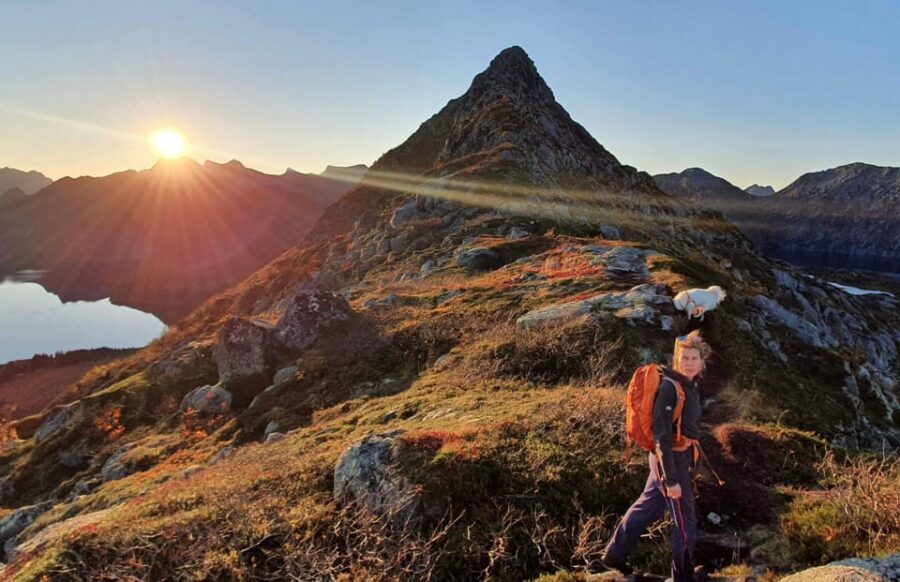
- Uphill climb from sea level to ~550 m in about 3.5–4 hours
- Small group or private format, with English-speaking guidance
- Safety briefing first, so you understand how to move on the trail
- Walking poles included, which makes the steeper parts easier
- Wildlife and culture talk while you hike, not just at the start
Lofoten wilderness with an uphill goal: what 550 m really means
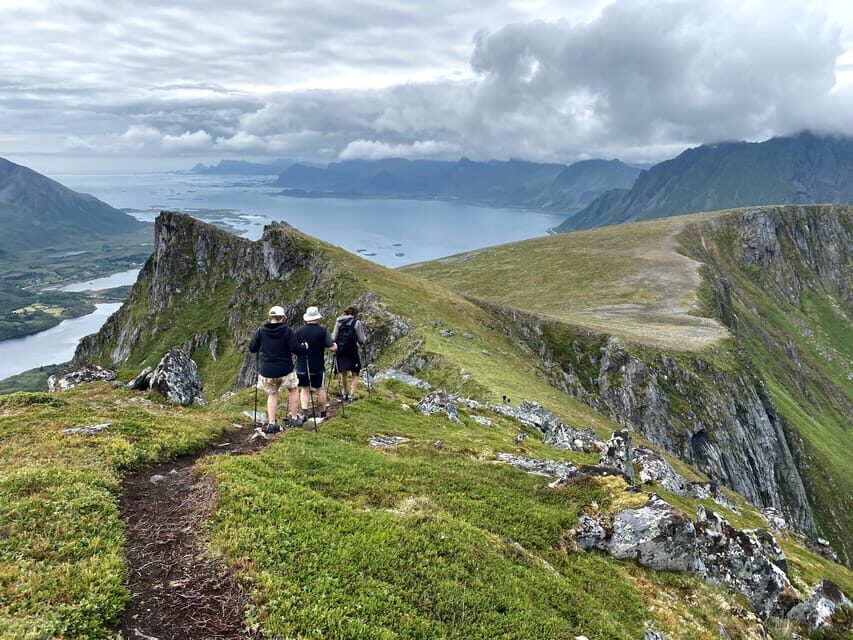
This tour is built around one idea: you start at the water and work your way up to a higher viewpoint, without making it a technical mountaineering day. You’ll be climbing from sea level to roughly 550 m above sea level, and the route is rated intermediate—meaning you should expect a workout, not a stroll.
What I appreciate is that the hike time is realistic. You’re looking at about 3.5–4 hours total, depending on breaks and group fitness. That includes time for a rest/photo stop, so you’re not just marching the whole way.
The 550 m difference matters in Lofoten. Even when the day is cloudy, elevation changes the wind and visibility. On clear periods, you get broader sightlines over the islands and water. On mixed-weather days, the “mood” changes fast—low cloud, fog breaks, rain streaks on the air. Either way, it’s not the kind of hike where you only see scenery at the very end.
You can also read our reviews of more guided tours in Nordland County
Meeting at Gimsøystraumen: find the red building, then get moving
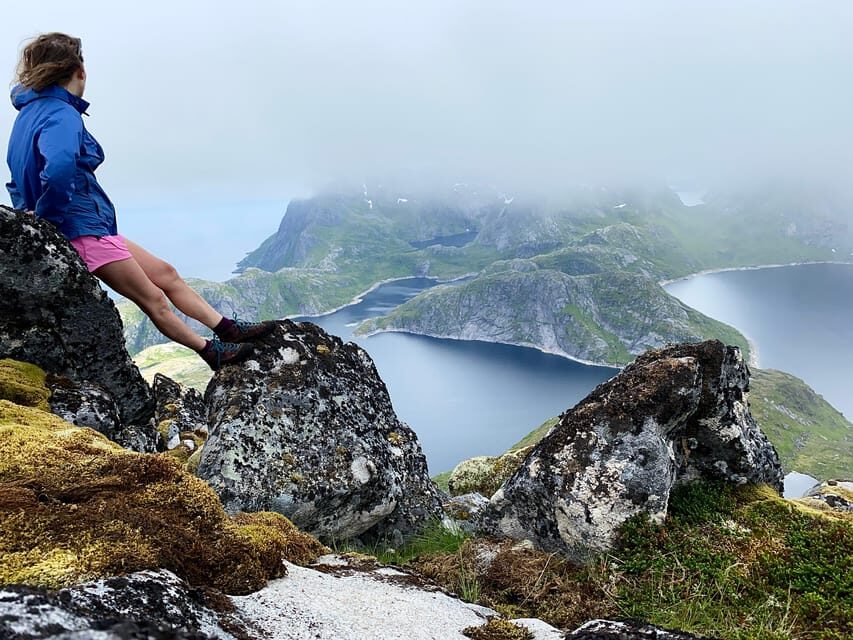
Logistics are simple, and that’s a big deal on a hike day. You meet in the parking area at Gimsøystraumen, at the rest place overlooking the Gimsøya bridge. The guide waits at the red building.
Plan to arrive with enough buffer to gather gear and settle in. Once you’re with the group, you’ll get a 15-minute safety briefing. That’s time spent on how to hike comfortably, how the route will feel, and what to watch for as conditions shift. It’s also a good moment to ask practical questions—like how closely you should follow, where you’ll take breaks, and what the weather plan is if the top gets wet.
This is one of those tours where your day feels smoother because someone else handles the “what do we do now?” moments.
The first climb: 2.5 hours of uphill rhythm and changing weather
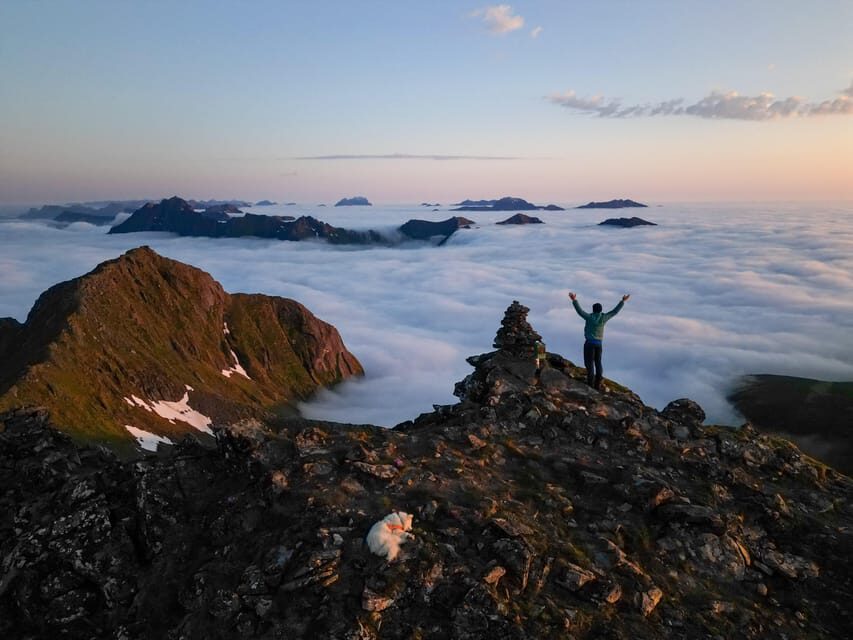
After the briefing, you hike for about 2.5 hours. This is the main uphill push, so your strategy should be simple: go steady, take short breaks when needed, and protect your energy for the later stages.
Because the terrain is outdoors and Lofoten can throw weather at you, I’d think in layers from the start. Warm enough to hike, then ready to cool down when wind hits higher ground. If you start the day in one heavy layer, you’ll likely regret it once you start moving.
You’ll also notice how pace becomes part of the experience. In a guide-led hike, you aren’t forced into a single speed. One highlighted example from a past participant described the guide adjusting pace for more challenging bits and for photos. That kind of flexibility matters on an intermediate route—especially if you’re balancing effort and enjoying the view.
This first stretch sets the tone. If you arrive expecting big climbs and you manage your effort, the rest of the day feels like progress, not punishment.
Mid-hike break and photo time: snacks, layers, and viewpoint pauses
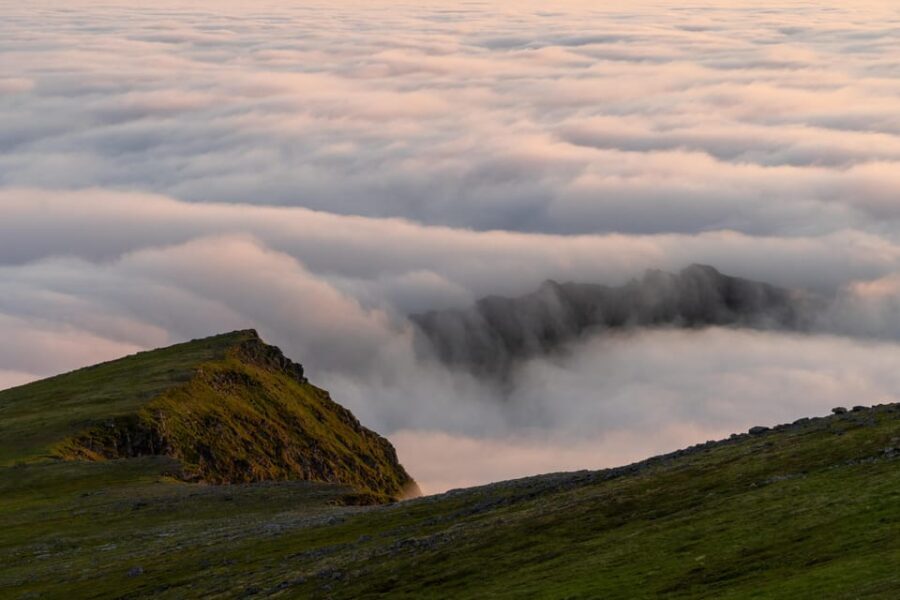
You’ll stop for a 20-minute break with a photo stop. This is a sweet spot in the day: early enough to recharge, late enough that you’ve already worked up an appetite and earned the pause.
Use this break the way locals would. Eat something easy—snacks or a sandwich—then drink water. Most importantly, treat it like your layer-change checkpoint. In Lofoten, the temperature and wind can shift quickly, and a lot of comfort comes from adjusting mid-hike instead of suffering through the change.
Bring a small backpack with what you need for switching layers. You’ll want extra warmth if it’s breezy at the top, and you’ll want waterproof protection if rain comes through.
The final stretch: 1.5 hours to the top moments and the return
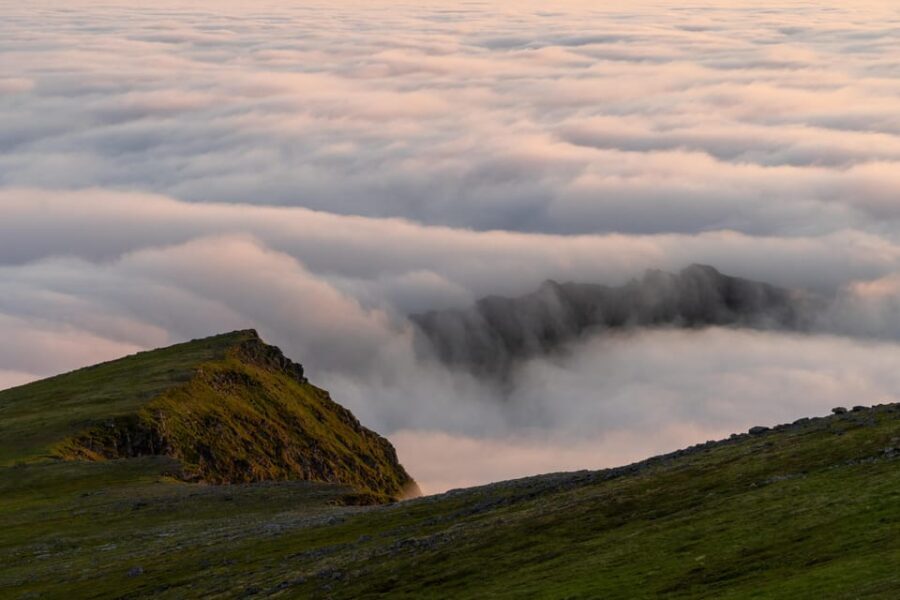
After the break, the hike continues for about 1.5 hours. Depending on the day’s conditions, this is where you’ll feel the gradient most clearly—especially if the weather turns.
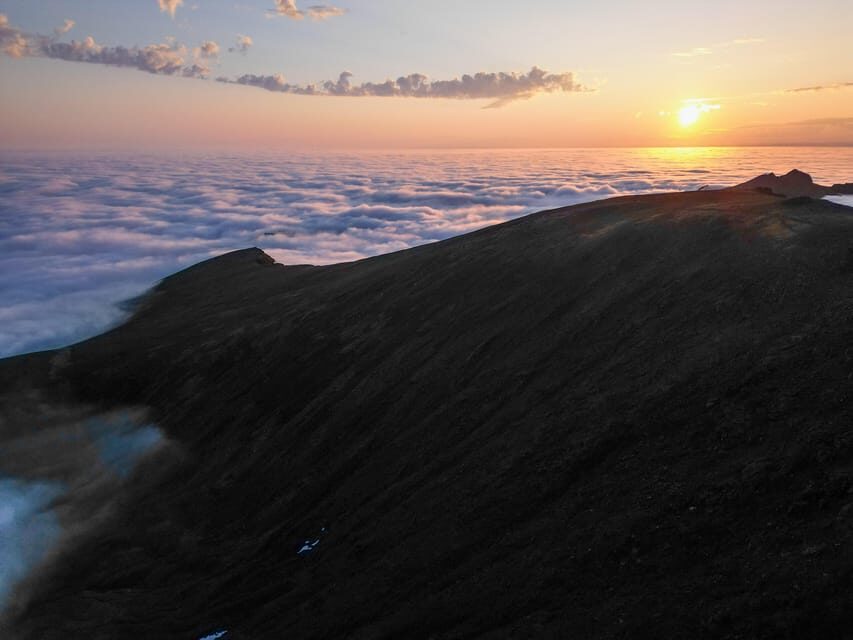
This stage is also where you get the payoff of the climb. You’re already higher up than where you started, and now you’re chasing those top moments: the views, the air, the sense of being out in the wilderness rather than moving through it quickly.
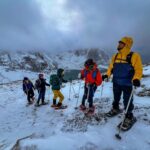
Even on days with clouds, higher ground changes the sound and the feel. Wind can pick up, and the trail may get slick if it rains. This is exactly why walking poles are included. They help with balance and reduce strain when the ground is uneven.
And if you’re the type who likes to slow down for photos, this kind of guided day usually works in your favor. A strong guide doesn’t just lead you forward—they help the group pause in the right spots.
The day ends back at Gimsøystraumen, bringing you full circle to the starting point by the end of the hike.

Local nature guide in English: why the guide matters here
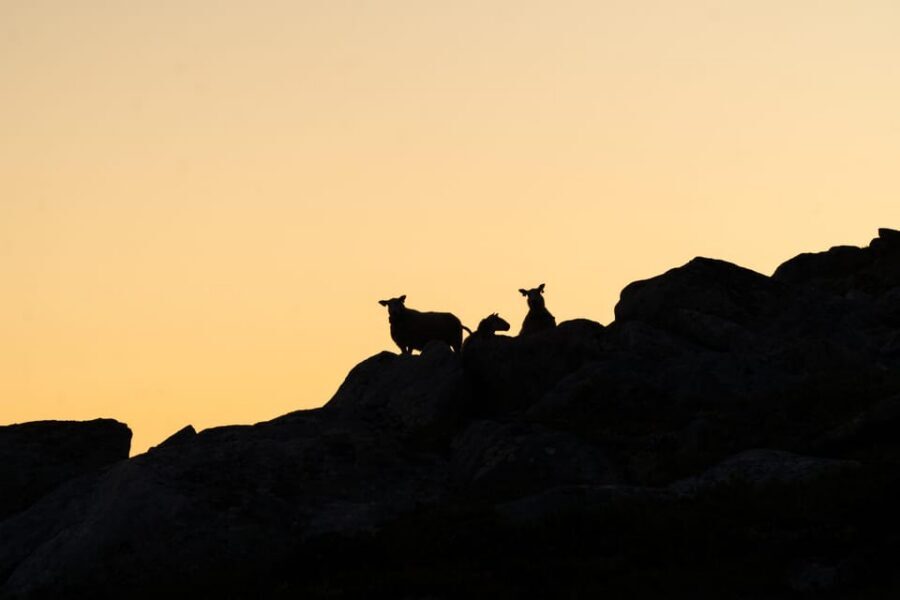
A hike like this isn’t only about legs; it’s also about context. This tour includes a local nature guide who helps you spot wildlife and understand parts of local culture while you’re out on the trail.
The biggest value is safety plus interpretation. With an experienced guide, you’re less likely to overthink the route. You also learn what you’re looking at—plants, animals, and details you’d probably miss if you hiked it alone.
One detail I especially like from a past experience: a participant noted the guide slowed the pace for more challenging areas and also made room for photos. That’s not fluff. On an intermediate uphill trail, pacing and photo stops affect how tired you feel—and how much you enjoy the hike.
Also, a separate participant mentioned a friendly dog joining the group. The guide checked first before bringing the dog along, which tells you something about the guide’s approach: organized, respectful, and aware of group comfort.
What to pack for an Lofoten morning that can change fast
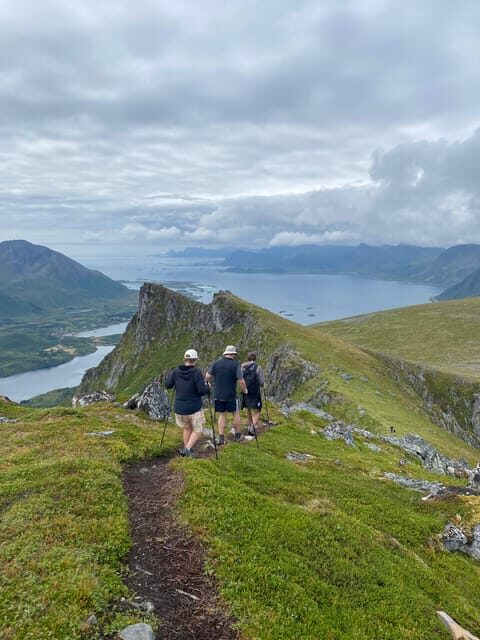
You’ll hike in variable conditions, and the tour specifically flags wind-and-waterproof layers as a must if weather changes at the peak. I agree. This is the kind of region where being underdressed can ruin a hike day.
Here’s the practical kit I’d follow based on the tour guidance:
- Hiking boots or comfortable hiking shoes
- Rain gear (not just a light jacket—think real waterproof protection)
- Weather-appropriate outdoor clothing
- Extra layers in a small day pack
- Hiking pants
- Water bottle (you’ll want it on the trail)
- Snacks/sandwich for the break and any extra hunger between pauses
If you’re used to packing like you’re going to walk for an hour, rethink it. This is closer to a half-day hike. Your body will cool down and warm up as you climb, and you’ll want control.
One tip supported by a past participant: keep a small pack specifically so you can dress in layers easily. That makes changes feel quick instead of stressful.
Price and value: is $136 worth it?
At $136 per person, this isn’t a bargain-basement hike. But it also isn’t priced like a luxury day spa. In my view, the value comes from three things that matter on an Lofoten uphill route:
First, you’re paying for a guide who manages the hike flow—start, safety briefing, pacing, and route progression—so you can focus on hiking and enjoying the moment.
Second, walking poles are included, which is genuinely useful on an uphill intermediate trail. You could buy poles yourself, but including them removes decision fatigue and helps most people hike more comfortably.
Third, the guide adds meaning through wildlife and culture talk. Without that, you still hike through stunning places, but guided context turns the walk from “I was outside” into “I understood what I was seeing.”
If you’re traveling with someone whose hiking pace varies from yours, a small group or private format can also feel like better value than forcing yourselves into a big crowd.
Also, the booking model offers flexibility (free cancellation up to 24 hours in advance, plus reserve now and pay later). If you’re deciding between cloudy and clear days, that flexibility can be practical.
How hard is it, and who should choose it?
The route is described as intermediate and uphill, with a good work-out expectation. You should be comfortable hiking for several hours with an uphill grade, plus brief breaks.
This tour is not suitable for:
- Children under 12
- People with heart problems
- Wheelchair users
- People with low level of fitness
If you’ve done local day hikes before and you know how you feel on steep grades, you’ll likely be fine. If you’re coming from flat city walking only, this is still doable for some people—but it may be a tough day.
The best test is honesty: if your idea of hiking is mostly flat paths with minimal elevation, you should pick something gentler. If you want a workout and you like earning viewpoints, this fits the bill.
Weather reality check: rain at the top can be normal
Lofoten is famous for weather that changes quickly, and the tour doesn’t pretend otherwise. A past participant described classic Lofoten conditions: four seasons in one morning, plus rain starting after reaching the top—still manageable with the right gear.
So here’s the approach I’d use:
- Expect clouds or wind as a possibility.
- Treat waterproof layers like part of the plan, not an emergency.
- If rain comes after you reach higher ground, you’ll already be at the stage where the guide can keep things moving safely and comfortably.
On days like that, the “view” becomes partly visual and partly atmospheric. The point is to keep hiking comfortably and enjoy what the weather allows.
Should you book this uphill guided hike?
Book it if you want:
- An English-speaking local guide who helps with safety and context
- A half-day intermediate workout that starts at sea level and climbs to about 550 m
- A guided experience where pacing and stops feel managed, not random
- Walking poles included and a clear plan for a realistic hike duration
Skip it if:
- You want flat walking or minimal effort
- You’re dealing with heart conditions or low fitness levels
- You can’t comfortably handle uneven trail and uphill gradients
My practical advice: bring the waterproof layers and the extra clothing you think you might need. If the day turns rainy or windy, you’ll still enjoy the hike because you’ll stay comfortable. And once you’re up on that higher ground, you’ll understand why a guided climb here feels worth it.
FAQ
How long is the hike?
The hike lasts about 3.5–4 hours total, depending on breaks and group fitness level.
Where do we meet?
You meet in the parking lot/rest area at Gimsøystraumen, at the red building.
What is the hiking elevation change?
You start at sea level and reach about 550 m above sea level.
Is the guide available in English?
Yes, the live tour guide is English.
What’s included in the tour price?
The tour includes a guide and walking poles.
Who shouldn’t join this hike?
It is not suitable for children under 12, people with heart problems, wheelchair users, or people with low level of fitness.