REVIEW · ALTA
From Alta: Whale and Seabird Cruise
Book on GetYourGuide →Operated by Sami Experience As · Bookable on GetYourGuide
Cold water, big animals, zero fuss. This Alta Fjord whale- and seabird cruise is designed to keep you comfortable while the crew searches the fjord for orcas, humpbacks, and fin whales. It’s also one of those rare wildlife trips where the focus isn’t just on spotting, but on staying warm and watching closely through all the changing conditions.
I love how the trip comes prepared: warm suits are included, and you get coffee/tea and biscuits on board so you’re not hunting for snacks while you’re trying to see wildlife. The other big win is the way the crew keeps working the area until sightings happen, which is why so many departures end with memorable moments. The main thing to consider is that whale locations can shift, so the exact mix of species and how close they come can vary day to day.
In This Review
- Key Highlights You’ll Care About
- Meeting at Havneveien 24 and Getting Fjord-Ready
- Warm Suits, Hot Drinks, and Watching From Inside or Out
- Alta Fjord in Autumn and Winter: Why the Whales Are Here
- Orcas, Humpbacks, and Fin Whales: The Real Meaning of Up-Close
- Birds in the Sky: White-Tailed Eagle and Seabird Watching
- Sami Yoik on the Way Back: Culture That Fits the Setting
- Price and Value: Is $220 for 3 Hours Worth It?
- Who This Cruise Fits Best (and When to Skip)
- Should You Book Alta: Whale and Seabird Cruise?
- FAQ
- Where is the meeting point for the cruise?
- How long is the Alta Fjord whale and seabird cruise?
- What’s included in the ticket price?
- What should I bring for the tour?
- What languages is the live tour guide available in?
- Is the tour suitable for small children or wheelchair users?
Key Highlights You’ll Care About
- Warm suits for everyone, so you can actually stay outside for sightings without turning it into a misery test
- Herring-driven whale season on the Alta Fjord, which is when you’re most likely to see whales gathering in numbers
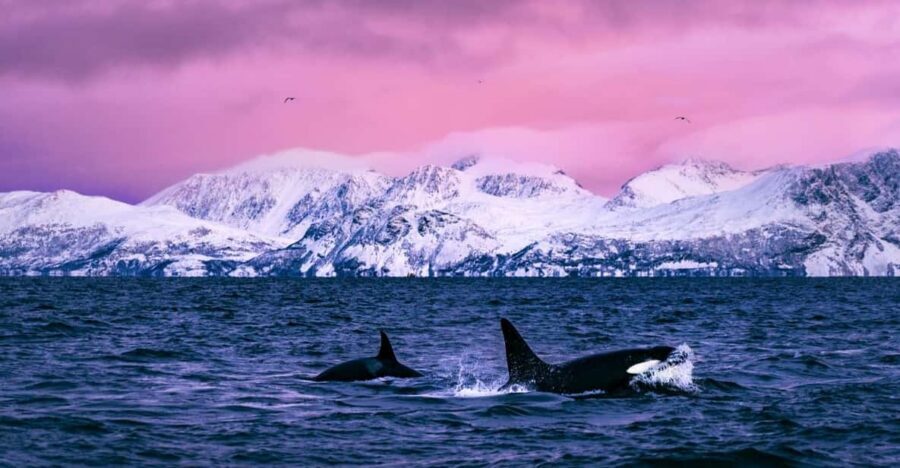
- A real focus on orcas plus humpbacks (and sometimes fin whales too) rather than generic “maybe wildlife” promises
- White-tailed eagles and seabirds overhead, with the guide pointing out what matters in the sky
- A cultural finish: Sami yoiks/joik often appear as part of the journey back toward shore
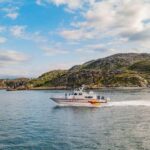
- A comfortable boat setup with indoor viewing windows plus outside decks, so you can switch as weather changes
Meeting at Havneveien 24 and Getting Fjord-Ready

Your journey starts at Havneveien 24, right by the pier where the safari boat leaves for the Alta Fjord. It’s a simple setup, but arriving a touch early helps you get your bearings fast and get geared up without stress.
This matters because wildlife time is short. When the crew finds whales, you’ll want to be ready to look—up, out, and sometimes around the side of the boat. The faster you settle in, the more you’ll notice: blow patterns, the angle of movement in the water, and how seabirds react when something big is nearby.
If you’re coming with weather in mind (and you should), this is where you’ll start thinking in layers. The trip isn’t framed as a tough survival mission; it’s framed as comfortable watching in a cold environment. That mindset pays off once you’re out on the fjord.
You can also read our reviews of more boat tours in Alta
Warm Suits, Hot Drinks, and Watching From Inside or Out
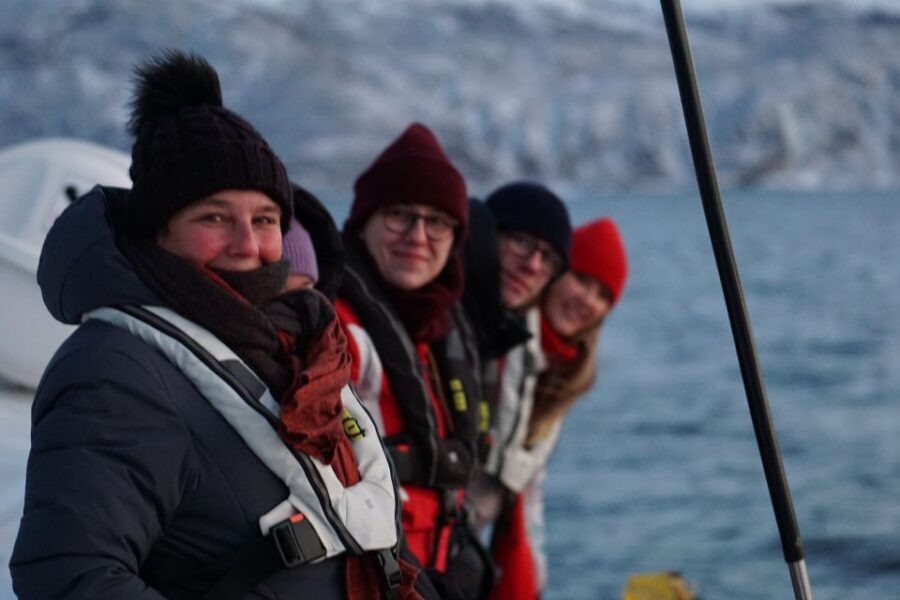
One of the most practical parts is the warm suit policy: it’s provided to everyone. That single detail changes the whole experience. Instead of deciding whether you want photos badly enough to freeze, you can focus on being present for the sightings.
On board, there’s also coffee and tea, plus biscuits. The light-food setup works well for a 3-hour outing: you’re fed enough to stay alert, but it doesn’t slow the pacing with long meal service. If you want more, light lunches are available for purchase.
In terms of viewing, you’re not stuck staring through one tiny opening. You can typically rotate between indoor windows (best when wind or snow shows up) and outside deck space when the moment feels right. In winter, this back-and-forth is huge. You’ll see more when you can stay comfortable long enough to track animals as they surface, move, and resurface.
Also, no alcohol is allowed on the cruise. That’s not just rules-lawyering; it helps keep the focus where it should be: on reading the sea and staying safe on a moving platform.
Alta Fjord in Autumn and Winter: Why the Whales Are Here
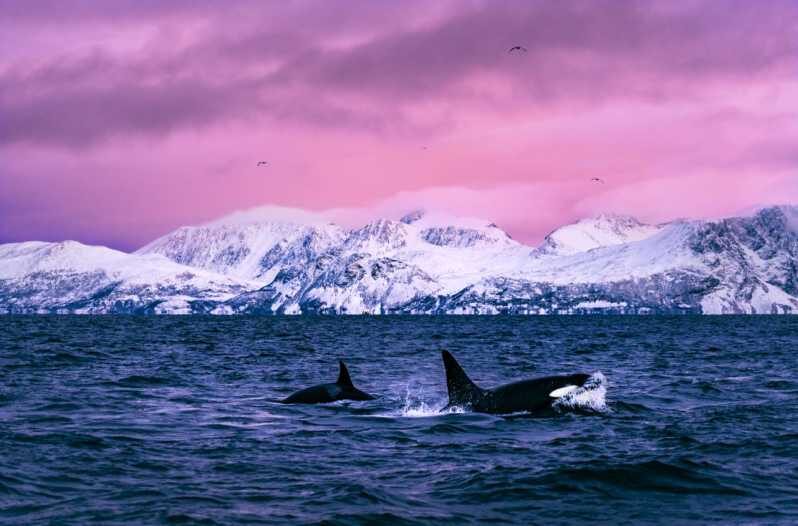
Alta Fjord becomes a seasonal hotspot because it lines up with food. Each autumn, the fjord becomes a natural gathering point for herring, and that attracts large pods of whales. That chain reaction is what turns a regular boat ride into a real wildlife safari.
Even when you’re sailing outside peak autumn, the underlying idea stays the same: where prey concentrates, predators follow. One review detail that’s worth taking seriously is how whales can be found deeper in mid-January, meaning the sightings may require patience and constant lookout rather than instant results right at departure.
So go in with the right expectation: this is a hunt with a goal, not a zoo guarantee. The crew’s job is to find the animals, and your job is to stay ready—eyes up, binoculars handy if you use them, and calm when the boat turns toward a promising patch of water.
The upside of this system is that when it clicks, it clicks fast. Many people leave with sightings early in the trip, and that usually comes from the crew already knowing where the action tends to build.
Orcas, Humpbacks, and Fin Whales: The Real Meaning of Up-Close
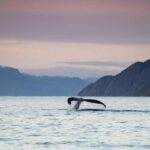
The headline animals are the big three you’ll hope for: orcas, humpback whales, and fin whales. What makes the experience feel special is not only seeing them, but seeing them actively—surfacing, moving through the water, and giving you that clear “this is real” sense of scale.
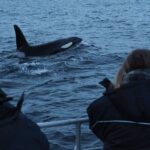
Orcas, in particular, are often the star. There are descriptions of pods coming right up to the boat, with people able to watch their motion and behavior at close range. If orcas are around, the sea doesn’t feel empty anymore. You’ll feel like the whole fjord is alive, and seabirds usually become part of the action too.
Humpbacks bring a different kind of spectacle. The cruise keeps an eye out for their presence and movements, and there are accounts of impressive behavior such as breaching. Even when the whales aren’t constantly showing, the crew keeps scanning so you’re not left waiting with nothing to do.
As for fin whales, they show up less often than orcas in some narratives, but the mix is still part of the charm. When multiple species are on the radar, it usually means the ecosystem is strong and you’re sailing in the right window.
One practical note: the closeness you experience depends on where the whales choose to travel. That’s nature doing nature things, not a “failure” of the tour. Your best bet is to stay flexible, keep watching, and understand that whale location can change quickly.
Birds in the Sky: White-Tailed Eagle and Seabird Watching
Whales are the main event, but the cruise doesn’t ignore the sky. You’ll look for white-tailed eagles, often described as the lord of the skies. When you spot one, it’s not just a bird checkmark—it tells you the ecosystem is humming. Eagles hunt and scavenge based on what’s happening below.
Alongside that, you may see other seabirds. The guide’s role here is to help you interpret what you’re seeing: what species are present, why they’re there, and how their activity connects to the marine life in the area. When the guide points things out clearly, you end up with more than photos—you end up with context.
A good birding tip for this type of trip: don’t stare only at the waterline. Look up for a sweep, then back down. Many birds react to movement in waves that you might miss at first glance.
Also, fog and weather can change visibility. On days with reduced sightlines, the ability to keep scanning and respond quickly becomes even more valuable. The bird and whale spotting often improve together when the crew finds the right patch of fjord.
You can also read our reviews of more whale watching tours in Alta
Sami Yoik on the Way Back: Culture That Fits the Setting
This cruise often adds a cultural layer that feels more connected to place than something pasted on. Several accounts mention Sami singing, including yoik, offered on the return journey. If you care about experiencing Northern Norway beyond wildlife, this kind of moment is a meaningful bonus.
It also helps explain why this experience is run by the Sami Experience As provider. The setting is Arctic fjord country, and the culture isn’t treated like a separate activity. It’s tied to the journey and shared when you’re back aboard and the day’s intensity shifts from hunting whales to reflecting on what you saw.
If you’re the type who likes learning a few local terms and traditions during a trip, this is one of those “small but lasting” touches. You’ll remember it later, especially when you’re thinking back on the sighting details that stood out most.
Price and Value: Is $220 for 3 Hours Worth It?
At $220 per person for about 3 hours, this isn’t a cheap outing. So you should judge value by what’s included and what the crew is trying to deliver.
Here’s what you’re paying for in practical terms:
- Warm suits included (so you can stay outside when conditions demand it)
- Coffee, tea, and biscuits to keep you comfortable and focused
- A guided search designed around real whale and bird hotspots in the Alta Fjord
- The chance for close-range whale encounters, which is where the “wow” comes from
When a cruise like this works, it feels worth it because you’re not just paying to sit on a boat. You’re paying for time on the water with focused wildlife spotting, plus gear that protects your comfort in cold weather.
That said, don’t buy based on species certainty. The fjord is dynamic. If whales are in deeper water or weather reduces visibility, you may not get the exact encounter you pictured. Still, the overall value tends to hold if you go in with flexible expectations and prioritize the experience over a specific animal list.
Who This Cruise Fits Best (and When to Skip)
This works best for you if:
- You want wildlife-first time in a real Arctic setting, not a long, scripted sightseeing day
- You’re happy to bundle up and stay alert while the crew searches
- You’d enjoy a bonus cultural moment with Sami yoik
- You value comfort solutions like warm suits and indoor viewing windows
It’s less ideal if:
- You need wheelchair access. The cruise is not suitable for wheelchair users.
- You’re traveling with a child under 2, since it’s not suitable for children under 2 years.
- You want guaranteed sightings every single time. This is nature. The experience improves when you’re patient and present.
If you’re on a tight itinerary, 3 hours can also be a plus. You get a strong Arctic wildlife hit without committing to a full day.
Should You Book Alta: Whale and Seabird Cruise?
I’d book it if your priority is the Alta Fjord wildlife mix—orcas, humpbacks, fin whales, plus eagles and seabirds—and you want a setup that keeps you warm enough to actually enjoy the hunt. The combo of included warm suits, onboard hot drinks/snacks, and a crew that keeps searching is what makes the day feel high-effort and not just “ticketed.”
Skip it if cold-weather boating sounds miserable, if mobility needs can’t be met, or if you’re only satisfied by a very specific species. In whale country, conditions and animal movement decide the exact outcome.
One last practical move: pack weather-appropriate clothing and bring a credit card. Then show up ready to watch, not ready to complain about the sea.
FAQ
Where is the meeting point for the cruise?
The meeting point is Havneveien 24, next to the pier where the boat takes you on the whale and seabird safari.
How long is the Alta Fjord whale and seabird cruise?
The duration is 3 hours. Starting times vary, so check availability for your preferred departure.
What’s included in the ticket price?
It includes a boat cruise, coffee and tea, biscuits, and warm suits provided to everyone.
What should I bring for the tour?
Bring a credit card and weather-appropriate clothing.
What languages is the live tour guide available in?
The live tour guide is available in English and Norwegian.
Is the tour suitable for small children or wheelchair users?
It’s not suitable for children under 2 years and it’s not suitable for wheelchair users.