REVIEW · ALTA
Alta: Alta Fjord Whale Watching Tour
Book on GetYourGuide →Operated by Icecube of Aurora · Bookable on GetYourGuide
Fjords have a way of changing your pace. This Alta Fjord winter whale-watching tour is a 4-hour, small-group cruise where you head out onto calm, brilliant water hoping for sperm whales and killer whales—while staying warm and comfortable the whole time. The limited group size (8 max) also means you’re not fighting for space when the guide spots something moving.
I especially like the tour’s focus on comfort: you get a warm coverall plus life jacket, tea and coffee, and you can borrow boots, wool socks, mittens, and headwear. The other thing I like is the honest wildlife plan: you might see whales, hourglass dolphins, and porpoises, but the operator builds in flexibility if whales don’t show. One drawback to plan for up front: there’s no guarantee you’ll see whales, since conditions and animal movements decide everything.
In This Review
- Key takeaways before you go
- Why Winter Whales Are Worth the Cold at Alta Fjord
- Fiskerihavna Departure: The Calm Start Before the Search
- Warmth, Tea, and Borrowed Gear: Staying Comfortable on a Cold Cruise
- What Species You Might See: Sperm Whales, Orcas, Dolphins, and More
- When Whales Don’t Show: Realistic Backup Plans on the Water
- Price and Value: Is $262 Worth It for a 4-Hour Cruise?
- Who This Tour Fits Best (and Who Should Skip It)
- Booking Details You Should Actually Care About
- Should You Book the Alta Fjord Whale Watching Tour?
- FAQ
- What is the duration of the Alta Fjord whale watching tour?
- Where do I meet for the tour?
- How many people are on the tour?
- Do I need to bring winter clothing and boots?
- Is it guaranteed that we will see whales?
- What happens if whales aren’t seen?
- Are there restrictions on what I can bring?
Key takeaways before you go
- Small group, big attention: Limited to 8 participants, so the guide can actually concentrate.
- Warmth included: Coverall, and even borrowed boots and winter gear help you last out on the water.
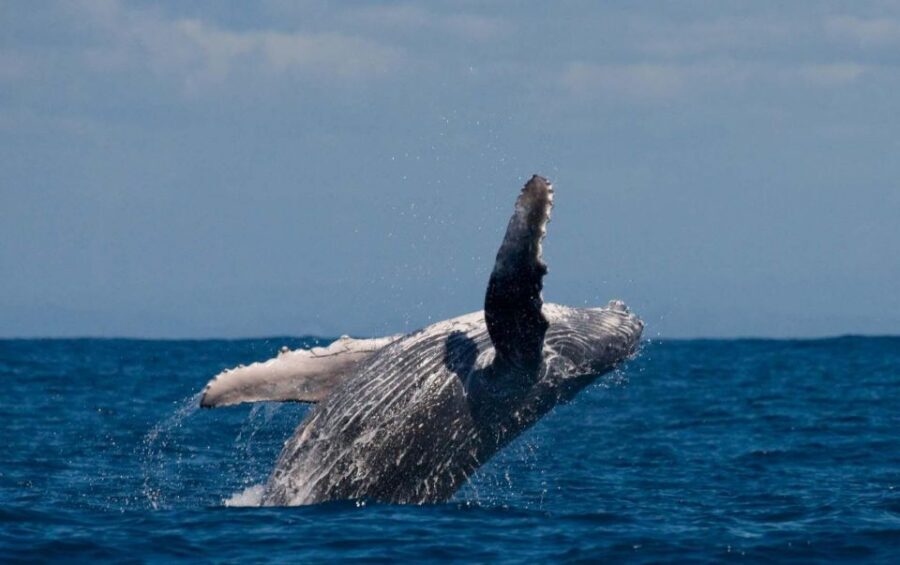
- Winter wildlife chances: You may spot sperm whales and killer whales, plus porpoises and hourglass dolphins.
- Close to the action: The goal is to view sea mammals from a close proximity.
- If whales aren’t there, you’re not stuck: You may still cruise for other wildlife, with fair options discussed onboard.
Why Winter Whales Are Worth the Cold at Alta Fjord
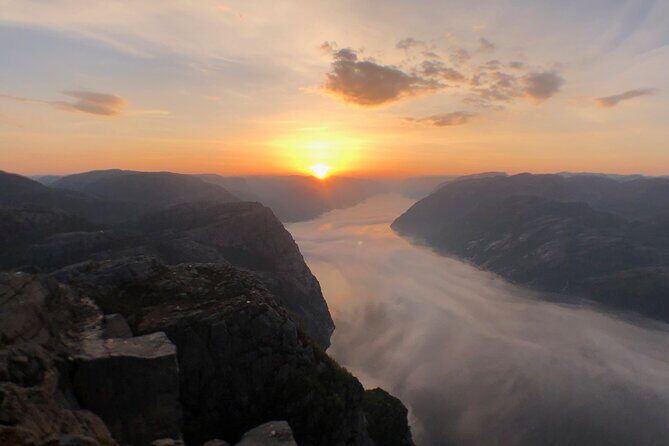
Alta Fjord in winter has a special kind of drama. The water is wide enough to feel epic, but the fjord walls help keep the ride feeling manageable—especially when the captain can pick the right route. This tour leans into that reality: you’re not promised a guaranteed whale sighting, but you are set up to maximize your chances with a focused whale search and a guide who adjusts as the situation changes.
If you’re the type who loves watching animals behave naturally (not just “getting a photo”), this is the right style of outing. The goal isn’t a long sightseeing list. It’s time on the water watching for mighty sea mammals that can move through the fjord at their own speed. The tour also highlights a cute truth about wildlife viewing in winter: the youngest whales can be playful and curious, and that’s exactly the kind of moment you remember afterward.
I also like that the tour acknowledges animal timing. You’re told whales have recently been showing up in Alta Fjord because they’ve migrated further north. That matters, because it means your best shot isn’t just luck—it’s an informed search during the season when sightings are more likely.
That said, the cold is real. You’ll be on the boat in winter weather, and even with gear, you’ll want to treat this like a proper cold-weather outing, not a casual stroll.
You can also read our reviews of more whale watching tours in Alta
Fiskerihavna Departure: The Calm Start Before the Search
Your day begins at Fiskerihavna, at the harbor area. Meet at the two blue containers, and then you’ll get a short safety briefing (about 15 minutes). This is a good start because it sets expectations fast: how to handle your position, life jacket use, and what the captain will prioritize once you’re cruising.
Right after that, the tour shifts into search mode. The itinerary is straightforward: you cruise out for around 3.5 hours dedicated to whale watching, then return to Fiskerihavna. There’s no pressure to squeeze in extra stops. That simplicity is part of the value—you’re spending most of the time where the action is most likely: out on the fjord water.
One practical detail that matters here: the tour includes a small-group setup with a maximum of 8 participants. In colder months, being in a small group is more comfortable, and it helps the guide manage where everyone stands and how they look out without crowding.
Warmth, Tea, and Borrowed Gear: Staying Comfortable on a Cold Cruise
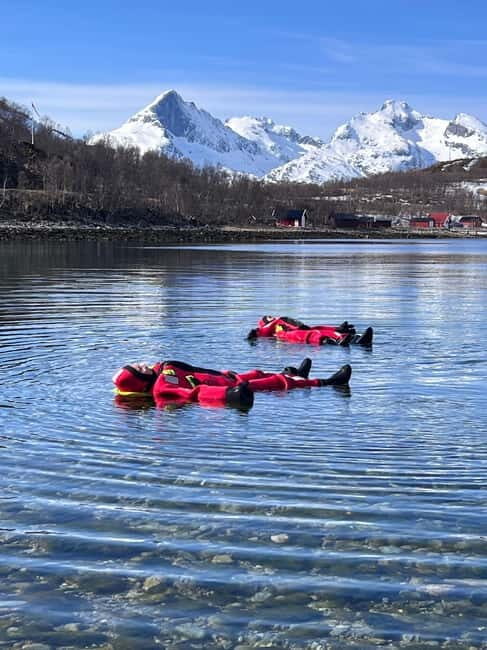
This is one of those tours where comfort isn’t an afterthought—it’s built in. You’ll get a life jacket and a warm coverall, plus hot drinks (tea and coffee) and biscuits. That might sound like small stuff, but it’s exactly what keeps you engaged when the weather turns sharp.
You can also borrow winter essentials: boots, woolen socks, mittens, and headwear. If you’re traveling to Norway in winter already carrying a packed suitcase, that’s a big deal. Instead of worrying whether your own gloves are warm enough, you can use what the operator provides.
Here’s the tip I’d give you: treat layers like your backup plan. Even with the coverall and borrowed gear, bring clothing that won’t be a fight if you get slightly wet at the edges. The boat environment can be windy, and comfort keeps you watching longer.
Also, no alcohol or drugs are allowed. That’s a sensible rule for cold water safety and for staying clear-headed while scanning the fjord. Your best sightings often happen when you’re paying attention, not when you’re distracted.
What Species You Might See: Sperm Whales, Orcas, Dolphins, and More
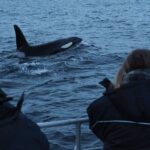
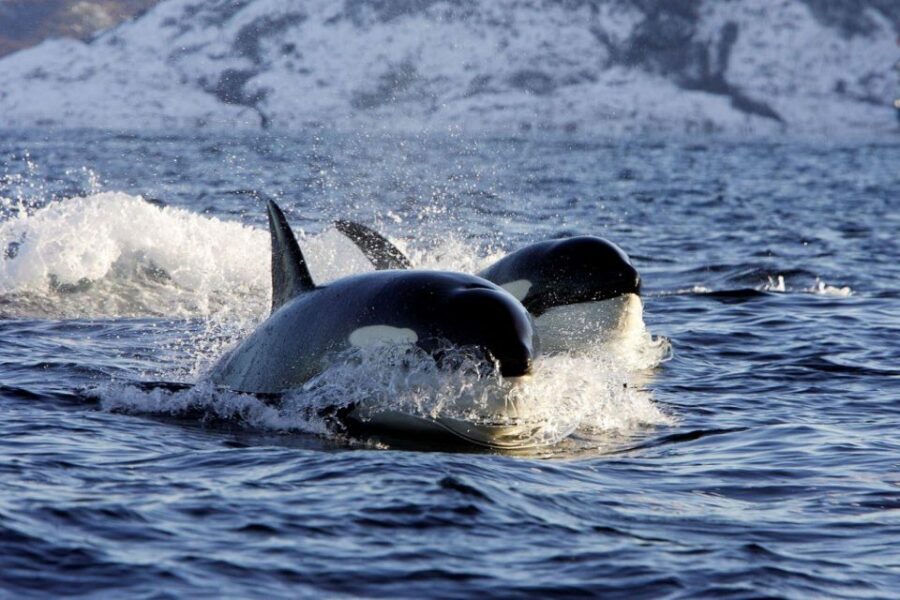
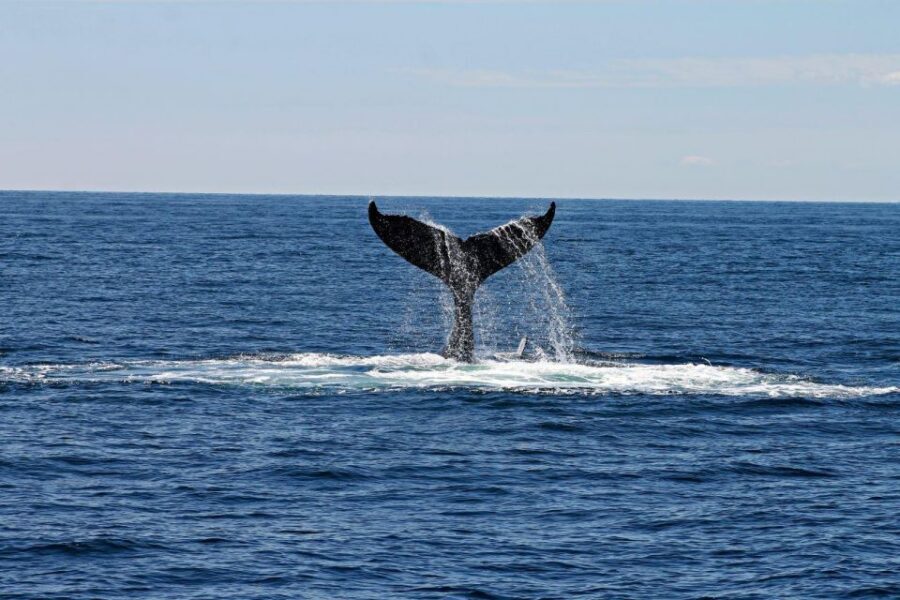
The tour’s wildlife focus is specific, and that’s helpful. You’re told the two most common whale species in Alta Fjord are sperm whales and killer whales (orcas). That gives you a clear mental target when you’re out there looking across the water.
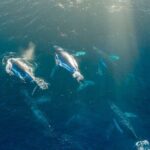
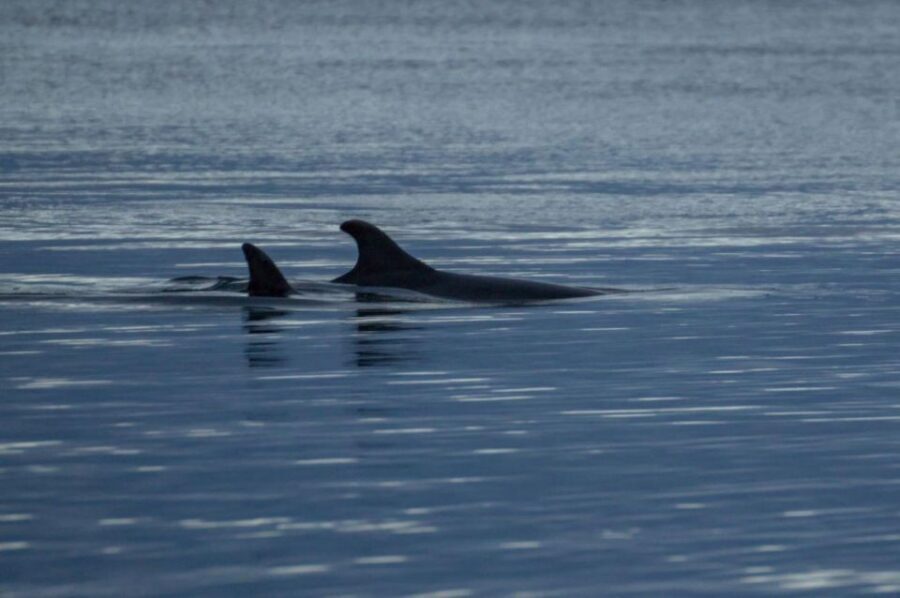
You also have opportunities for other sea mammals, including porpoises and hourglass dolphins. The lesson here is simple: even if you don’t see the big headline species every time, the fjord can still deliver rewarding wildlife moments. In winter, you can’t always predict what will surface or when—but a tour that keeps an open door for multiple species tends to feel like time well spent.
One detail I really appreciate from how this tour is described: it emphasizes that young whales may show playful or curious behavior. That doesn’t guarantee anything, but it does tell you what the guide is looking for. You’ll likely spend time watching for patterns—surface blows, movement lines, and the way groups of animals travel through the fjord.
When Whales Don’t Show: Realistic Backup Plans on the Water
This is the part that makes this tour feel fair. The operator clearly notes there’s no guarantee you’ll find whales. When whales are absent, the experience shouldn’t turn into a half-hearted ride.
In practice, the tour is flexible. If whales haven’t been sighted for days or they’ve already moved out of the area, you may still go out to look for other wildlife, including seals (and the chance of other marine life like dolphins). The goal becomes: keep scanning the water in the best available way, rather than just turning the boat around.
Even better, you may get a choice. One account describes being informed on arrival that whales likely wouldn’t be seen, then being offered a decision: go out for other animals or cancel with costs handled properly. That kind of transparency matters. It respects your time and your money.
So if you’re booking expecting a guaranteed whale photo, you’ll be setting yourself up for disappointment. But if you’re booking for a serious wildlife search, you’re in the right place. The best comparison is: you’re buying time on the water with a plan and a guide who won’t fake results.
There’s also the weather factor. If conditions are adverse at your scheduled time, you can cancel for a full refund or reschedule. And if you choose to reschedule, the new arrangement becomes binding, meaning you’ll need to show up at the agreed time. Boats wait a bit—up to 10 minutes after the starting time—then the tour leaves, and late arrivals can be treated as no-shows.






Price and Value: Is $262 Worth It for a 4-Hour Cruise?
At $262 per person for about 4 hours, this tour isn’t cheap. The value comes from what’s included and what you’re actually buying.
First, you get real gear support. Borrowed winter items, warm coveralls, life jacket, plus hot drinks and biscuits reduce your own hassle cost. Second, you get a guide-led hunt with a small group capped at 8. That often improves the odds of meaningful viewing because the guide can manage attention, positioning, and route decisions.
Third, you’re paying for specialized wildlife time in a real whale region. Alta Fjord is known for seasonal whale activity, and this tour is built around recent sightings in the area during the winter months. When whales are present, you’ll be in the right place and at the right time window.
Finally, you’re paying for a model that doesn’t pretend the fjord owes you a whale. The absence of a guarantee can be frustrating, but it also prevents the worst kind of experience—one where you keep riding expecting something that was never likely.
My practical take: if you’re already set on doing a whale tour in winter, this price looks like a rational “pay for equipment + guided search + small group” bundle. If you’re only loosely interested in whales and mostly want a warm sightseeing trip, you might feel the cost more than the payoff.
Who This Tour Fits Best (and Who Should Skip It)
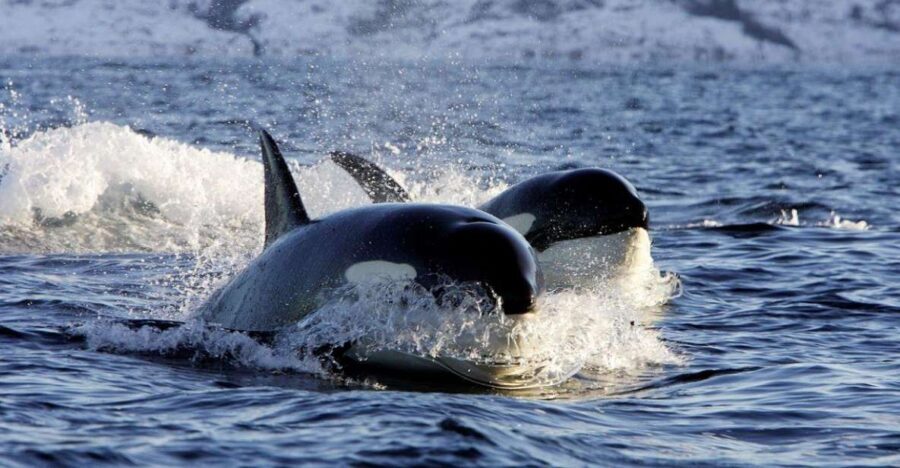
This tour is a good fit if you want a focused nature experience with minimal fuss. You’ll likely enjoy it most if you’re comfortable being cold for periods, patient while scanning the water, and excited by wildlife that behaves on its own schedule.
It’s also a strong match for couples and small groups who prefer a calm boat experience. With a maximum of 8 participants, you’ll get more personal attention and less crowding than on large-deck tours.
There are clear limits. It’s not suitable for children under 6, and it’s not set up for people with mobility impairments. So if anyone in your party has mobility needs, it’s worth reconsidering before booking.
Also, keep your expectations grounded in the real world of winter sea life: you could see sperm whales or orcas, but you might also end up learning from the fjord—seals, porpoises, or dolphin activity can still make the cruise exciting.
Booking Details You Should Actually Care About
You can reserve and pay later, which helps if you’re juggling weather and transport. Exact meeting instructions are provided after booking, but the public guidance is to go to the two blue containers at the harbor.
Languages are Norwegian and English, and there’s a live guide. That matters because wildlife viewing works best when you understand what the guide is noticing.
One more operational note that helps: the tour starts at its scheduled time. The boat waits up to 10 minutes after departure time, then leaves. Plan to arrive early so you don’t spend your day sprinting across a winter harbor.
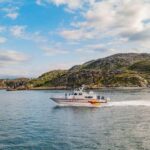
The provider behind the experience is Icecube of Aurora, and the captain leads the boat. That combination—local boat expertise plus wildlife-focused guiding—is what you want when conditions can change quickly.
Should You Book the Alta Fjord Whale Watching Tour?
Book this tour if you’re genuinely excited about winter wildlife and you can handle the idea that the fjord decides the outcome. The included warmth gear, hot drinks, small group size, and the chance to see sperm whales, killer whales, porpoises, and hourglass dolphins make it feel like a serious wildlife outing—not a casual cruise.
Skip it if you need a guaranteed whale sighting, or if cold weather and boat scanning isn’t your thing. Also, if mobility constraints affect anyone in your party, this tour isn’t the right match based on its suitability limits.
My final advice: treat this like a guided wildlife hunt with fair backup options. If the whales show up, you’ll be in the right place for a memorable, close-up look at Northern Norway’s giants. If they don’t, you still have a chance to see other marine life—and, importantly, you’re not being sold a fantasy.
FAQ
What is the duration of the Alta Fjord whale watching tour?
The tour lasts 4 hours total, with about 3.5 hours on the boat for the whale watching portion.
Where do I meet for the tour?
You meet at Fiskerihavna. The instructions say to go to the two blue containers at the harbor, and the exact meeting point is provided upon booking.
How many people are on the tour?
It’s a small group limited to 8 participants.
Do I need to bring winter clothing and boots?
You get a warm coverall and can borrow boots, woolen socks, mittens, and headwear.
Is it guaranteed that we will see whales?
No. There’s no guarantee of finding whales, and sightings depend on weather and animal movement.
What happens if whales aren’t seen?
If adverse conditions occur or whales aren’t sighted, you may have options such as canceling for a full refund or rescheduling. If you go out anyway, you may still look for other marine wildlife.
Are there restrictions on what I can bring?
Alcohol and drugs are not allowed on the tour.