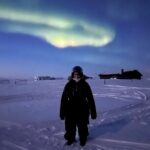
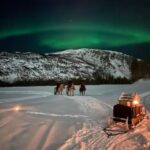
A cold-track classic across Finnmarksvidda. This Historical Snowmobile Tour from Alta follows an old postal route up onto the high plains, giving you big winter skies and a very real sense of how people traveled here. I love two things most: the shared setup means you still get real driving time, and the ride stays fun even when the track gets choppy. One watch-out is that conditions can change fast, since the plateau can swing from a few plus degrees to deep freezing, and wind and cloud cover are never fully guaranteed.
The day runs about 6 hours total, starting at 9:30am at Markedsgata 6 in Alta. You’ll be out long enough to feel you left the town behind, but not so long that you lose your focus on the riding and the scenery.
Because you’ll share one snowmobile with another passenger, logistics are part of the experience. You’ll switch so each person drives about half the trip, and if you want to actually drive you’ll need a valid B class driving license for verification.
In This Review
- Key Things That Make This Ride Worth Your Time
- Old Postal Road Views Above Alta
- Weather on Finnmarksvidda: Plan for Real Winter, Not Perfection
- The License Rule: What You Need to Drive (and What Happens if You Don’t)
- Shared Snowmobile Driving: How Rotation Works in Real Life
- The 9:30am Start: Your Half-Day Routine in Alta
- What You Do on the Plateau: More Than One Kind of Winter Travel
- When Tracks Get Rough: Staying Calm and Getting Through It
- Group Size, Pace, and the Guide Factor
- Gear and Comfort Tips That Actually Change the Day
- Price and Value: Is $345.10 Worth It?
- Who This Tour Fits Best (and Who Should Think Twice)
- Should You Book This Historical Snowmobile Tour Across Finnmarksvidda?
- FAQ
- Where does the snowmobile tour start?
- What time does the tour begin?
- How long is the tour?
- Is the tour offered in English?
- Do I get a mobile ticket?
- Can I drive the snowmobile?
- What if I do not have a valid driving license?
- Will I share the snowmobile with someone else?
- What age and fitness level are required?
- What happens if the tour is canceled due to weather or low travelers?
Key Things That Make This Ride Worth Your Time
- Old postal road energy: You follow a historic route up toward the highest parts of the plains, not just a random loop.
- You drive half: With a shared snowmobile, each person gets meaningful time at the controls.
- English guidance: The tour is offered in English, so the day stays clear and easy to follow.
- Weather is part of the story: You get wide-open plateau nature even when conditions are not postcard perfect.
- Small group feel: Maximum group size is 17, which helps the day feel organized rather than chaotic.
Old Postal Road Views Above Alta
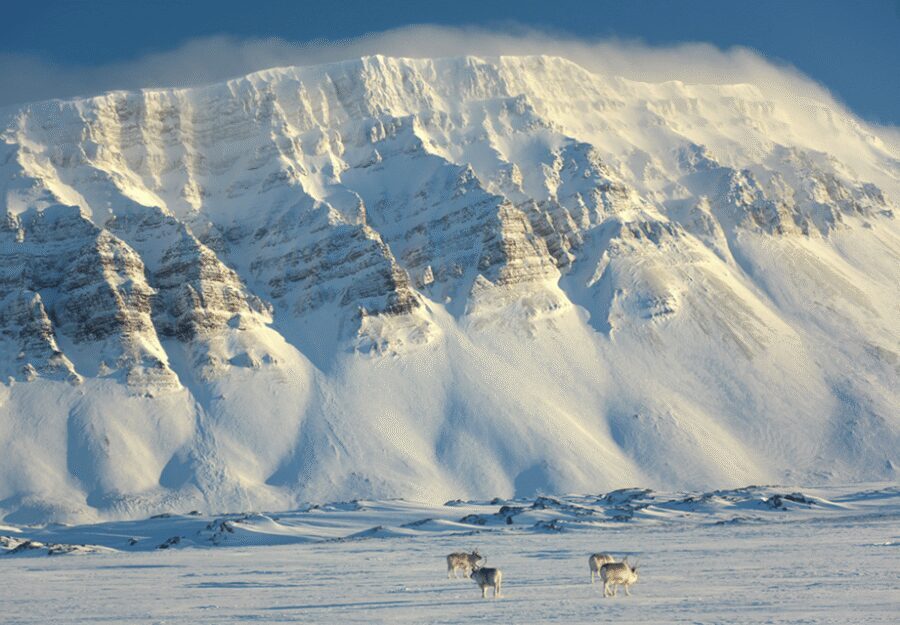
Alta is a good base for winter adventures, but this tour makes you feel like you’re going somewhere much bigger than town limits. The core idea is simple: you follow an old postal road up to the highest point of the Finnmarksvidda plains. That matters, because routes like this are less about where the trail is convenient today and more about how travel used to happen across a harsh, flat region.
As you climb, the plateau experience changes. Even if the sky is gray or the wind is annoying, the terrain still has that dramatic northern scale. It’s the kind of place where distance feels serious. The tour also leans into the cultural side of the route—part of why it’s called historical rather than just thrill rides.
I like that this is not a one-note activity. It’s snowmobile driving, yes, but it’s also a way to move through the region along a path that served a purpose. You’re not just watching the landscape from a window; you’re traveling it the way winter travelers would have: slowly, carefully, and with attention to the track.
You can also read our reviews of more tours and experiences in Alta.
Weather on Finnmarksvidda: Plan for Real Winter, Not Perfection
Let’s talk truthfully about conditions. The tour description makes it clear: you cannot promise windless days or clear skies. On the plateau, temperatures can vary from a few plus degrees to well below freezing. That means your comfort depends on layers, wind protection, and how the day is running.
Here’s the practical takeaway for your planning mindset: the tour is designed to work in variable weather. That doesn’t mean it’s always easy. It means the activity is about the experience of being on the plateau, not about getting one perfect photo moment.
If the day is cold, expect your hands to feel it—especially if you’re driving and gripping controls. If the day is milder but windy, you’ll still need warmth because wind strips heat fast. The best move is to dress for the worst-case temperature range you can tolerate.
And if the sky is bright? Great. A sunny day can turn the whole ride into pure fun. If it’s not? The ride can still feel impressive because the terrain and the route keep delivering the sense of space.
The License Rule: What You Need to Drive (and What Happens if You Don’t)
This tour has a clear driving policy, and you should take it seriously. Only people with a valid B class drivers license are allowed to drive a snowmobile in Norway. Before the ride, you’re required to present your license for verification.
If you don’t have the right license, you can still join the tour as a passenger. In other words, you’re not shut out from the day—you just won’t be at the controls.
This matters for value and expectations. Some snowmobile tours are billed as you driving no matter what. Here, the day is structured around the licensing law, so your driving time is a privilege that comes with proper documentation. If you do have the license, the shared snowmobile rule is a nice bonus, because you still get time at the controls rather than sitting the whole day.
One more point: because the rules involve verification, don’t assume you can show your license later or use a screenshot. Bring the real thing and make it easy for check-in staff.
Shared Snowmobile Driving: How Rotation Works in Real Life
You will share a snowmobile with another passenger. Each of you will drive half of the trip. That setup changes the feel of the day in a good way. You get to experience what it’s like to be in control without burning out your body or freezing your hands for hours straight.
It also affects how to prepare mentally. Your riding time won’t be one continuous stretch. So focus on what you control during your driving window: your line, your speed, and how you react to the track. When your partner drives, you’ll get to watch the route unfold and learn how the terrain is being handled.
One practical consideration: switching drivers can mean you’ll spend more time paying attention to the track conditions and less time multitasking. That’s a win if you’re the type who likes to ride with full attention. If you wanted a ride where you barely think about anything, shared driving still demands you stay engaged.
The 9:30am Start: Your Half-Day Routine in Alta
Starting at 9:30am gives you a full chunk of the day without eating your entire travel schedule. The meeting point is Markedsgata 6, 9510 Alta, and it’s near public transportation. That’s useful if you’re not renting a car and you prefer to keep logistics simple.
For most winter tours, the hardest part isn’t the riding. It’s being ready when the group is ready. Showing up on time helps the day run smoothly, which is especially true when licenses and driving assignments are involved.
Since the total duration is about 6 hours, you should expect enough time for briefing, time on the machines, and a return that gets you back to the starting point. The tour ends back at the meeting point, so you don’t have to coordinate transportation at the far end.
This format also helps your planning back in Alta. You can schedule dinner after, not after-dark stress. It’s a good half-day slot if you want something active without losing your whole evening.
What You Do on the Plateau: More Than One Kind of Winter Travel
The tour’s core route follows the old postal road up to a high point on the Finnmarksvidda plains. In plain terms, you’re riding from partway into Alta’s winter world toward the open plateau where weather and visibility do the steering.
Over the course of the day, you’ll be in multiple sections of the route—enough variety that the experience doesn’t feel like one long straight line. The idea is that you see different parts of the plateau and get cultural context about the route and how people traveled across it.
The terrain on the plateau can be impressive even without perfect skies. It’s the feeling of moving across a wide, open space where the horizon matters. When your snowmobile tracks over the road, you can feel the region’s scale shift from “I can see around me” to “I’m part of something much bigger.”
This is also where your winter mindset helps. You don’t just want to go fast. You want to go steady. The beauty of the historical route is that it rewards careful riding and respect for the snow conditions rather than aggressive thrills.
When Tracks Get Rough: Staying Calm and Getting Through It
Even on a well-run tour, winter tracks can change. Snowmobilers depend on the surface being passable, and conditions can vary day to day. One important detail from real-world experience is that rough patches can happen when a track has been damaged earlier. That can mean torn-up sections and more challenging handling.
The key point for you is the way the day is managed. When conditions get rough, you should expect the ride to slow down and everyone to take turns navigating tricky spots. A good guide keeps the group coordinated and focused so the day stays safe and fun.
That’s also why moderate physical fitness matters. You’re not walking long distances, but you are handling yourself around a moving vehicle, staying balanced, and responding quickly if the surface demands more control. If you’re comfortable in winter and can follow instructions tightly, you’ll likely find it manageable.
In other words: this tour isn’t about pretending everything is perfect. It’s about handling real conditions with good support.
Group Size, Pace, and the Guide Factor
Maximum group size is 17. That’s big enough to feel like a shared adventure, but small enough that you’re not lost in a crowd. A smaller group usually means less waiting and fewer coordination headaches when you switch drivers.
The tour is offered in English, which matters more than people think. Winter safety instructions and route context can get lost if communication is unclear. When you understand what’s happening, you can stay calmer and enjoy the ride instead of decoding directions through the cold.
Pace-wise, plan for a day that balances riding time with time to stay oriented on the route. You’re following a historic line across the plateau, which naturally requires attention. The best tours in this category don’t rush the environment; they respect it.
If you like a guide who keeps energy positive and helps the group move through tricky moments, you’ll probably appreciate how this day is conducted.
Gear and Comfort Tips That Actually Change the Day
The tour description flags temperature swings and windy potential. So gear isn’t optional here. You’ll want to dress in layers and prioritize warmth where it matters most: hands, face, and core.
Here’s what I recommend thinking about before you go:
- Hands first: you’ll drive part of the time, and cold hands can ruin focus fast.
- Wind protection: even a day that’s not extreme can feel harsh if wind is cutting across the plateau.
- Layering discipline: you should be warm without feeling trapped if you get sweaty during brief stops.
Also, plan for the fact that winter riding can be bumpy. Even if everything goes smoothly, snowmobile travel can shake you around a bit. Comfortable winter boots and clothing that stays in place help.
If you tend to run cold, it’s worth dressing a little warmer than you think. On a plateau, the cold can sneak up on you even when the sun is out.
Price and Value: Is $345.10 Worth It?
At $345.10 per person for about 6 hours, this tour sits in the mid-range for snowmobile experiences in Norway. The value depends on two big factors: what you get beyond riding, and how much actual driving time you receive.
First, you’re not only doing a generic loop. You’re following an old postal road across Finnmarksvidda, which gives you historical route context and a sense of place that feels more meaningful than a short trail run. Second, the shared snowmobile arrangement is a value driver. Since you each drive about half the trip, you’re not paying for a mostly-passenger experience.
Add in the practical logistics: English guidance, mobile ticket, and a capped group size of 17. Those details may sound small, but they affect how smooth the day feels.
So for the right person, this price makes sense because you’re paying for time, distance, and context—not just the ride. If you’re looking for a super-short thrill session with maximum driver time, this may feel different. If you want a structured winter adventure on a meaningful route, it’s a solid deal.
Who This Tour Fits Best (and Who Should Think Twice)
This tour is a good match if you:
- Have moderate physical fitness and can handle winter movement and balance.
- Have a valid B class license if you want to drive.
- Want a historical-feeling winter day rather than a quick loop.
- Prefer small-group organization and clear English guidance.
It may not be the best match if:
- You get unhappy with weather uncertainty. The description is upfront that wind and sky conditions can vary.
- You’re looking for uninterrupted driving for the full ride. Shared driving means rotation.
- You dislike following strict rules (like license verification) that impact who can drive.
Minimum age is 8, so families might be able to do it depending on individual comfort and rules, but the snowmobile driving element can be a deciding factor if kids are involved.
Should You Book This Historical Snowmobile Tour Across Finnmarksvidda?
If you want a winter day that feels purposeful, this is a strong option. The old postal route angle adds meaning, and the shared snowmobile half-driving time helps you feel like more than a passenger. The capped group size and English guidance also make it easier to enjoy the day instead of stressing over logistics.
Book it if you’re comfortable dressing for real plateau weather and you can accept that some days are sunnier than others. Skip it only if you need guaranteed calm, clear conditions or you prefer a snowmobile experience with looser rules around driving.
For many people, this is the kind of day that turns a trip to northern Norway into a real memory: cold air, big open distance, and a route that connects you to how travel used to work here.
FAQ
Where does the snowmobile tour start?
It starts at Markedsgata 6, 9510 Alta, Norway.
What time does the tour begin?
The start time is 9:30am.
How long is the tour?
The duration is about 6 hours.
Is the tour offered in English?
Yes, it is offered in English.
Do I get a mobile ticket?
Yes, it includes a mobile ticket.
Can I drive the snowmobile?
Only people with a valid B class drivers license are allowed to drive a snowmobile in Norway, and you must present your license for verification.
What if I do not have a valid driving license?
If you do not have a valid B class driving license, you can ride as a passenger.
Will I share the snowmobile with someone else?
Yes. You share with another passenger, and each person drives about half of the trip.
What age and fitness level are required?
The minimum age is 8, and travelers should have a moderate physical fitness level.
What happens if the tour is canceled due to weather or low travelers?
If the tour is canceled due to poor weather, you’ll be offered a different date or a full refund. If it’s canceled because the minimum number of travelers isn’t met, you’ll also be offered a different date/experience or a full refund.