REVIEW · TROMSO
Tromsø: Guided snowshoe hill hike
Book on GetYourGuide →Operated by Tromsø Outdoor · Bookable on GetYourGuide
A snowshoe climb turns winter into a real adventure. You drive out through fjords and mountain passes, strap on snowshoes, and hike to a small Arctic summit with big views over the surrounding mountains and fjords. I like the small group size (up to 8), which keeps things relaxed and lets the guide help with technique. I also love the summit break: you warm up with a hot drink and a local sweet snack. The main drawback to weigh is that weather can change fast, so the best views depend on visibility.
This is also a hike with a body check. The ascent is just under 400 m of snowy mountain terrain, so you’ll want a moderate fitness base and warm winter layers that handle wind. On the plus side, the guide builds in breaks for photos and learning, and the whole trip runs about 5 hours with round-trip transfer from Tromsø.
In This Review
- Key points to know before you go
- Tromsø fjords and mountain roads: the 40-minute warm-up drive
- Getting the hang of snowshoes before the climb
- The uphill trek: what just under 400 m snowy terrain really means
- Photo stops and Arctic lessons from your English guide
- Summit break with hot drink and lefse (and what to do if views fade)
- Weather reality in Tromsø: how to stay comfortable and not disappointed
- Gear and clothing checklist: what you bring vs. what you rent
- Price and value: why $149 can be a smart deal in winter Norway
- Should you book this Tromsø snowshoe hill hike?
- FAQ
- FAQ
- How long is the Tromsø guided snowshoe hill hike?
- What terrain and elevation should I expect?
- What fitness level do I need?
- Is snowshoe gear included?
- Are winter clothes and boots included?
- Is the guide in English?
- How big is the group?
- Who is this tour not suitable for?
- What happens if the weather is bad for views?
Key points to know before you go
- Up to 8 people means personal attention on snowshoes and a calmer pace
- Hot drink and lefse at the summit keep the effort feeling worth it
- Just under 400 m snowy terrain: moderate, but not a stroll
- English-speaking guide shares Arctic and regional context as you hike
- Fjord-and-mountain views are the big payoff when the weather cooperates
- Winter clothes and boots not included, but can be rented separately
Tromsø fjords and mountain roads: the 40-minute warm-up drive
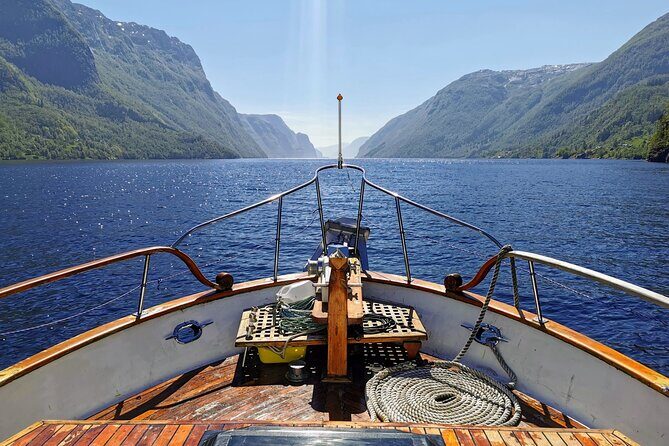
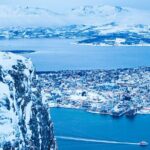
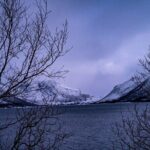
Before you even strap on gear, you start with a scenic road trip around the fjords and mountain passes. It’s about 40 minutes, and it matters more than it sounds. In winter around Tromsø, the drive gives you that instant scale—snow-covered ridgelines, dark water, and the kind of Arctic atmosphere you can’t really fake on a photo.
This is also your chance to settle in and get your bearings. If it’s windy or visibility is changing, you’ll start to see what kind of day you’re in. One of the best parts of this segment is that you’re not just transported—you’re oriented. By the time you arrive, you’re already thinking like a hiker: where you’ll be walking, how exposed the summit can feel, and why layers matter.
If you’re the type who likes to arrive mentally ready (and not just physically ready), this pre-hike drive is a gift. You’ll start the hike with eyes open, not squinting in cold confusion.
You can also read our reviews of more guided tours in Tromso
Getting the hang of snowshoes before the climb
The tour includes snowshoes and poles, and you don’t just get handed gear and sent off. You learn how to use them on arrival, which is the right move for a winter hike.
Snowshoes change your stride. They help you stay on top of snow, but they also ask for a small adjustment: your feet placement, your balance, and how you use the poles for stability. The guide’s job here is simple and important—help you avoid overthinking and getting sloppy. With a small group (limited to 8), you’re more likely to get actual attention if you’re struggling.
You’ll also want to remember that the guide is in charge of pacing and safety. You’re hiking in snowy mountain terrain, and conditions can shift quickly. So even when the early part feels easy, keep your movements smooth. The goal isn’t speed—it’s steady footing.
The uphill trek: what just under 400 m snowy terrain really means
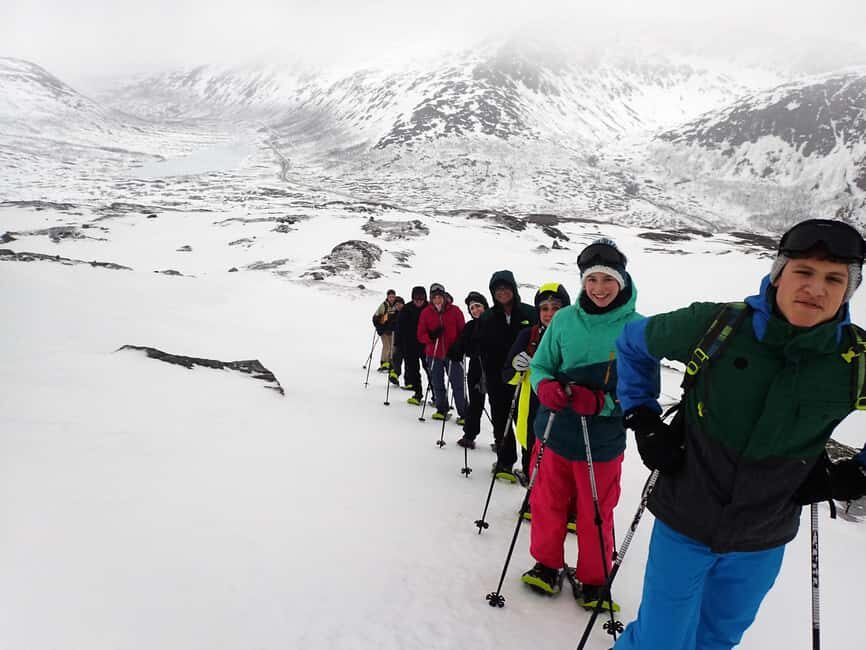
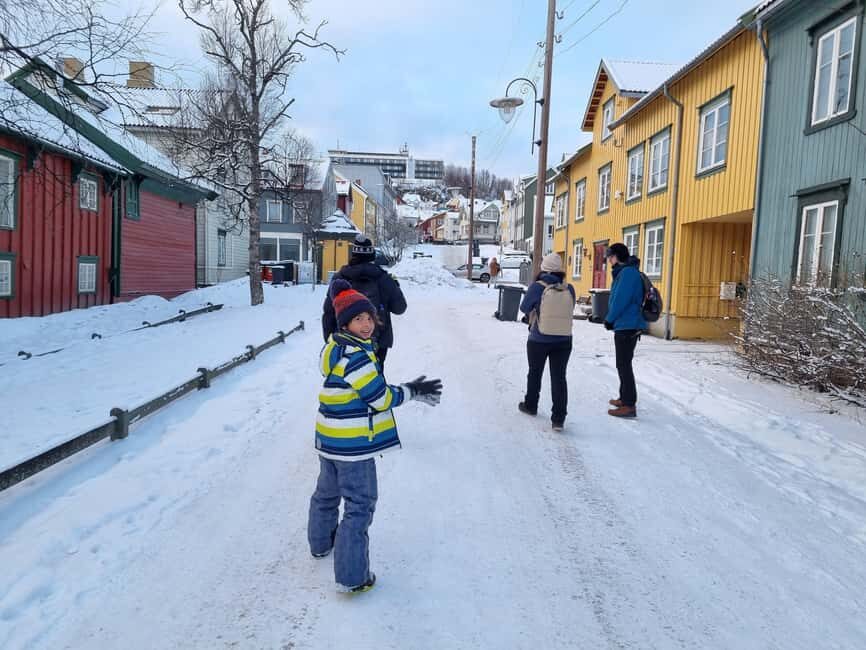
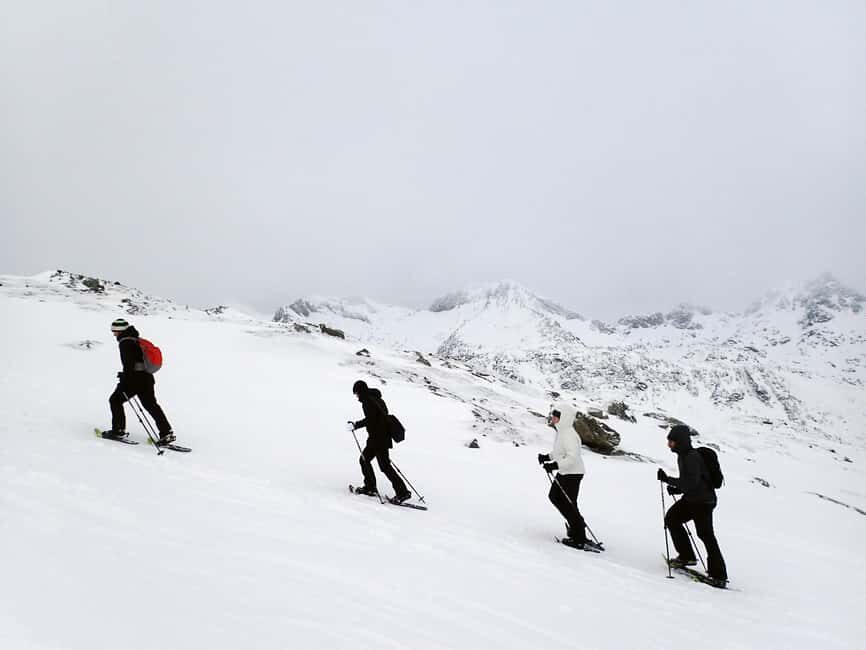
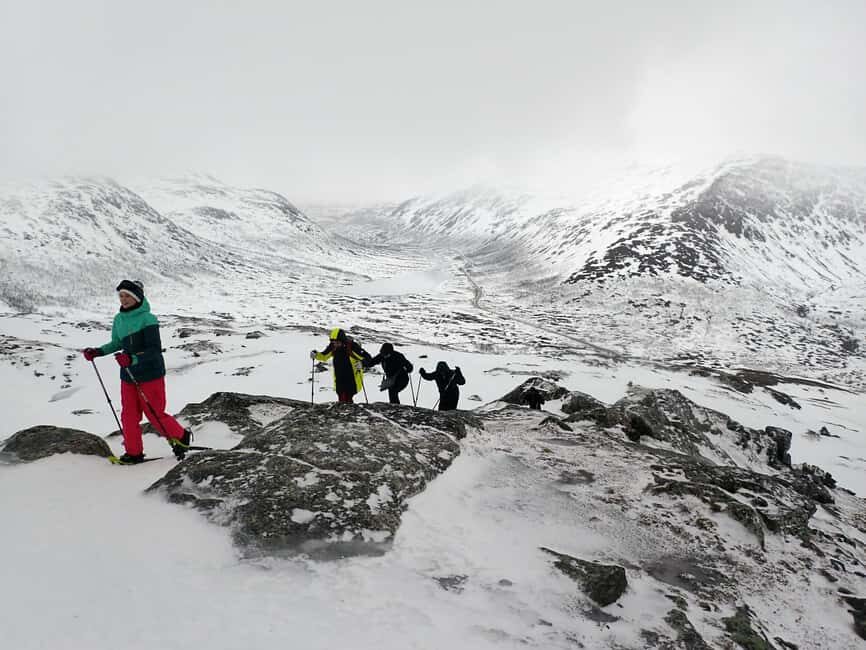
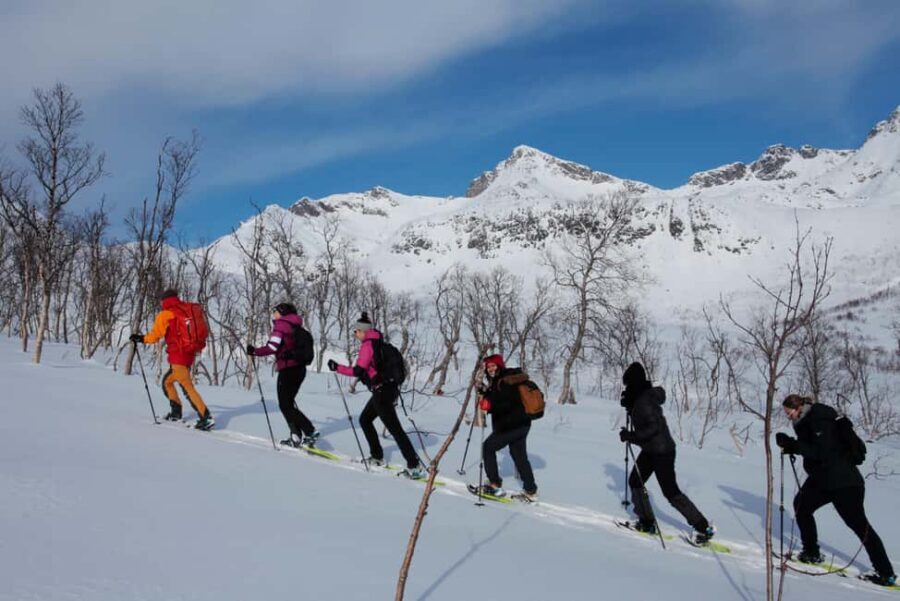
This hike targets a smaller summit, and the physical target is clear: just under 400 m in snowy mountain terrain. That’s not Everest, but it’s also not flat. You’ll be working your legs on compacted snow, wind-exposed sections, and the kind of uneven footing that makes your core do extra work just to stay balanced.
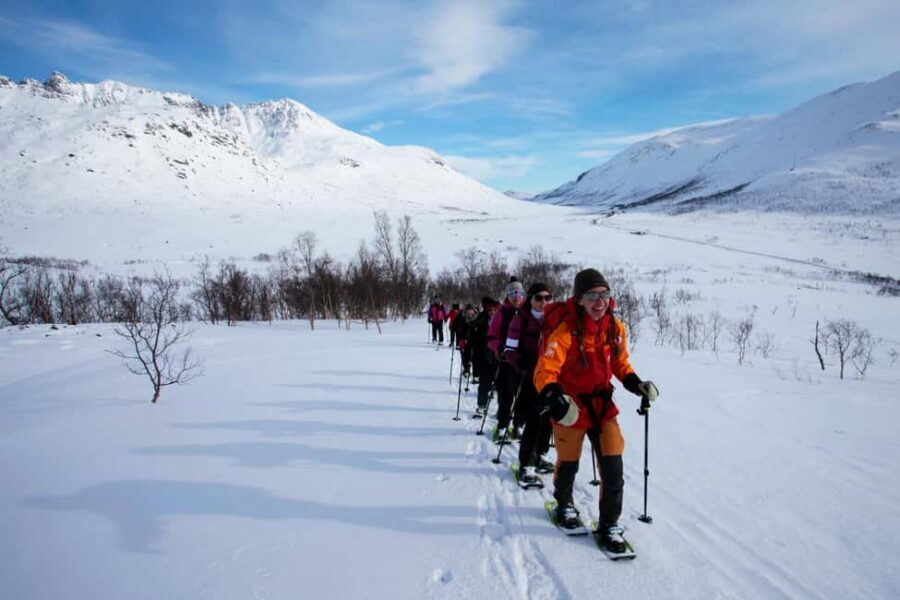
Timing helps here. The total tour is 5 hours, and a realistic rhythm is about 3 hours of hiking plus breaks. You’ll stop a few times during the hike for rests and photos. That means you can keep energy for the final push rather than burning out early.
Fitness-wise, the tour asks for moderate ability. If you’re comfortable walking uphill for stretches, you’ll likely be okay. If stairs and inclines already feel like a struggle, you might find this challenging—especially in winter.
Also, expect wind. At the summit, one recent experience noted it was quite breezy at the top. Wind isn’t just uncomfortable; it can change how your layers work and how your visibility holds up. So think of the hike as a mix of effort and weather management.
Photo stops and Arctic lessons from your English guide
The hike isn’t only about the destination. You’ll stop a few times for rests, photos, and to learn about the region and the Arctic environment. This is one of the most praised parts of the experience because it turns your walk into something more meaningful.
Guides often bring the landscape to life with practical context: why snow and weather behave the way they do here, how the Arctic environment affects daily life, and what to notice as you move—light, terrain, and that constant winter change in the air. One person even mentioned picking up information on Soldagen, a local event connected to the season. Even if you don’t plan your trip around it, it’s exactly the kind of detail that makes you feel like you’re in Norway, not just watching Norway.
You can also learn without feeling lectured. The guide’s vibe matters, and the experiences shared include guides who were caring, attentive, and genuinely into the area. Names mentioned included Michael, Marta, and Mathieu—each tied to a similar theme: the hike felt guided, not rushed.
This part also helps on tough days. If the weather turns and the view fades, you still get something valuable to take home: knowledge and perspective.
Summit break with hot drink and lefse (and what to do if views fade)
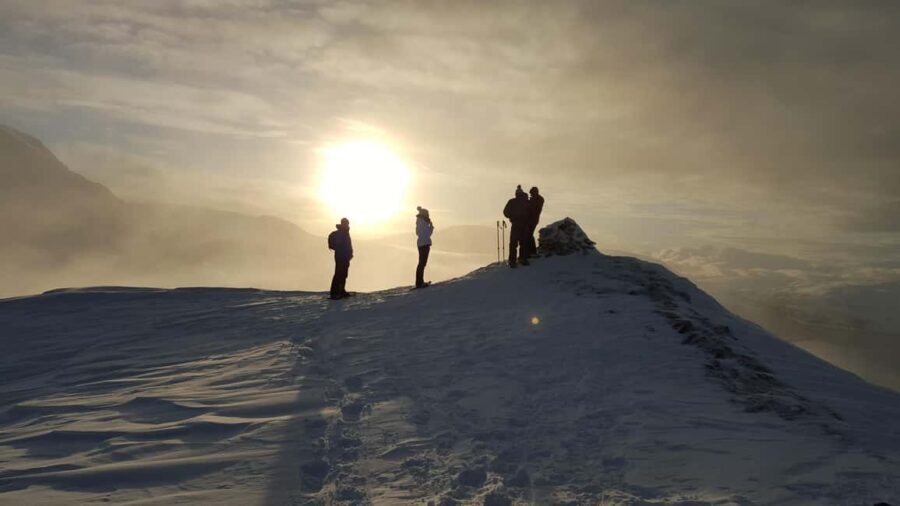
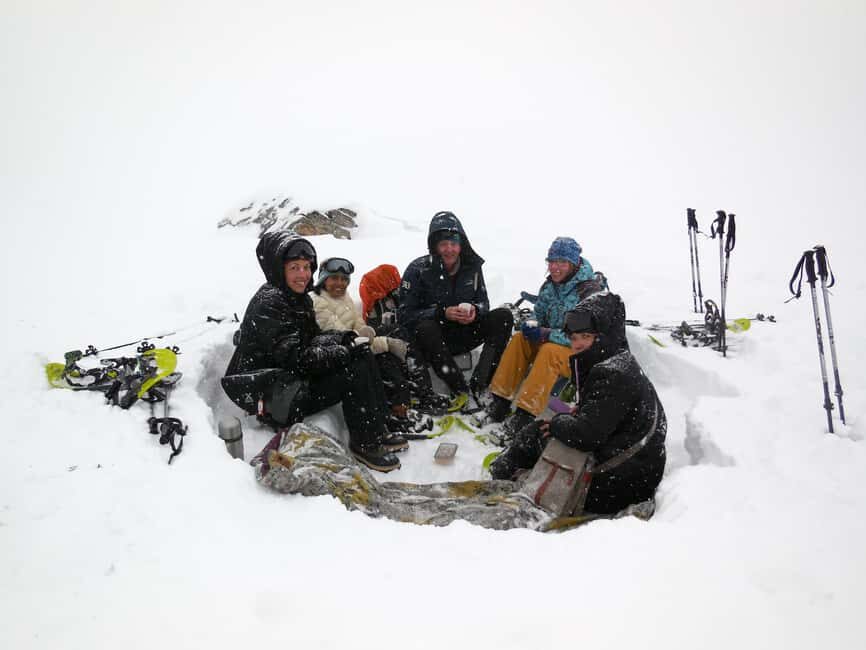
At the top, you get a longer break to enjoy a hot drink and try lefse, a classic Norwegian sweet snack. This is not a tiny detail—it’s a smart reward system. After cold effort, warm tea and something sweet changes the whole emotional feel of the hike. You stop thinking about your legs and start thinking about the day you’re having.
Now, the honest catch: summit views depend on conditions. One experience described poor visibility, so the climb felt less worthwhile for scenery. That’s not unusual in Tromsø winter. Clouds can roll in, snow can blow sideways, and the world can go flat and gray fast.
So here’s how you should plan emotionally:
- If the sky is clear, you’re chasing big fjord-and-mountain scenery.
- If it’s not, you’re still chasing the winter experience itself—snowshoeing, wind, altitude feel, and the cultural moment of tea and lefse at the summit.
Either way, you’ll have a clear reason to reach the top. The summit isn’t just the view—it’s the pause that makes winter hiking enjoyable.
You can also read our reviews of more hiking tours in Tromso


Weather reality in Tromsø: how to stay comfortable and not disappointed
Tromsø weather can change rapidly, and the tour is honest about that. The views you came for are possible only if the weather allows.
That means you should pack for a range of conditions rather than hoping for one perfect scenario. Wind-proof layers are key. Warm and windproof clothing protects you from the two biggest winter annoyances: chill and wind chill. Also, wear winter boots above the ankle for better stability and insulation on snow and icy edges.
Sunglasses and sunscreen are recommended for spring trips. Even in winter, the sun can be bright enough to make eyes squint and skin feel exposed.
A practical mindset helps too: treat the day as an Arctic weather session. If you go expecting guaranteed clarity, you might feel let down. If you go expecting changing visibility and a hike that adapts, you’ll enjoy the day more—especially with a guide managing the pace and conditions.
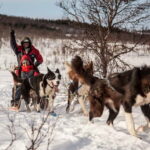
And if visibility is poor, don’t assume the day is wasted. One experience even included watching husky-sledging from the hill when conditions weren’t great for mountain views. Sometimes the payoff isn’t what you planned. It’s what the day gives you.
Gear and clothing checklist: what you bring vs. what you rent
Here’s the simple split:
- Included: snowshoes, poles, and the summit hot drink and snack
- Not included: winter clothes and boots (renting is available separately)
The tour advises you to bring warm clothing and hiking shoes. That’s a good baseline, but the clothing details matter. Your best bet is warm, windproof layers and winter boots above the ankle.
If your boots aren’t warm enough, your hike turns into a foot-shuffling survival mission. If your outer layer isn’t wind-proof, the summit break won’t feel cozy—you’ll just be waiting to get back inside a vehicle.
Also think about hands and head. The data you provided doesn’t spell out gloves or hats explicitly, but in Tromsø winter, those are usually part of your warm clothing setup. Bring what you already know works for cold wind.
One more gear note: you’ll attach snowshoes onto your own boots. So make sure your boot fit and sole style work for the snowshoe attachment. The guide can help you get it right at the start, but the better your boots are for winter hiking, the smoother the hike will feel.
Price and value: why $149 can be a smart deal in winter Norway
The price is $149 per person for a 5-hour guided experience with round-trip transfer from Tromsø. That price isn’t just paying for a walk. You’re paying for:
- Transportation to and from the trail area (a real advantage when winter roads and timing are factors)
- Specialized gear (snowshoes and poles)
- A live English guide who teaches you how to walk on snow and shares regional Arctic context
- Food and warmth: hot drink plus a local sweet snack at the summit
In winter, those included items add real value. Boots and winter clothing can add cost if you need to rent them, and guided instruction can prevent wasted effort if you’re new to snowshoeing.
The small group size also supports the value. With up to 8 participants, you’re less likely to get ignored when you need help adjusting technique.
So the value question becomes: does this match your comfort level and interests? If you like guided nature time, want a warm payoff, and can handle moderate uphill effort, this price feels fair for Northern Norway winter.
Should you book this Tromsø snowshoe hill hike?
Book it if you want a guided Arctic winter outing that’s active but not extreme, and you’re excited about the combination of snowshoeing + fjord views + a summit tea-and-lefse moment. The included transfer and gear make it easier than doing everything solo, and the small group format helps you enjoy the hike instead of managing details.
Skip it if you know you won’t handle moderate uphill hiking in snowy mountain terrain. This isn’t suitable for heart conditions, wheelchair users, or low fitness levels. It also isn’t for children under 12.
If you’re on the fence because you hate cold, remember this tour is built around warmth at the top and planned breaks along the way. And if visibility is poor, you still get the guided experience and the summit break—just with fewer skyline bragging rights.
FAQ
FAQ
How long is the Tromsø guided snowshoe hill hike?
The tour lasts 5 hours.
What terrain and elevation should I expect?
You’ll hike in snowy mountain terrain with an ascent of just under 400 m.
What fitness level do I need?
A moderate level of fitness is required. The hike isn’t suitable for people with low level of fitness.
Is snowshoe gear included?
Yes. Snowshoes and poles are included.
Are winter clothes and boots included?
No. Winter clothes and boots are not included, but they can be rented separately.
Is the guide in English?
Yes, the live guide is English-speaking.
How big is the group?
The group is small, limited to 8 participants.
Who is this tour not suitable for?
It isn’t suitable for children under 12, people with heart problems, wheelchair users, or people with low level of fitness.
What happens if the weather is bad for views?
The tour notes that views depend on weather conditions. Visibility can affect what you see from the summit.