REVIEW · TROMSO
Tromsø: Entrance Ticket to Polaria
Book on GetYourGuide →Operated by Polaria · Bookable on GetYourGuide
Seals up close in Tromsø’s Arctic halls. Polaria turns the Arctic into something you can actually see and understand, with interactive exhibits, an aquarium, and daily live seal moments. Polaria is one of those places that makes a cold day feel productive.
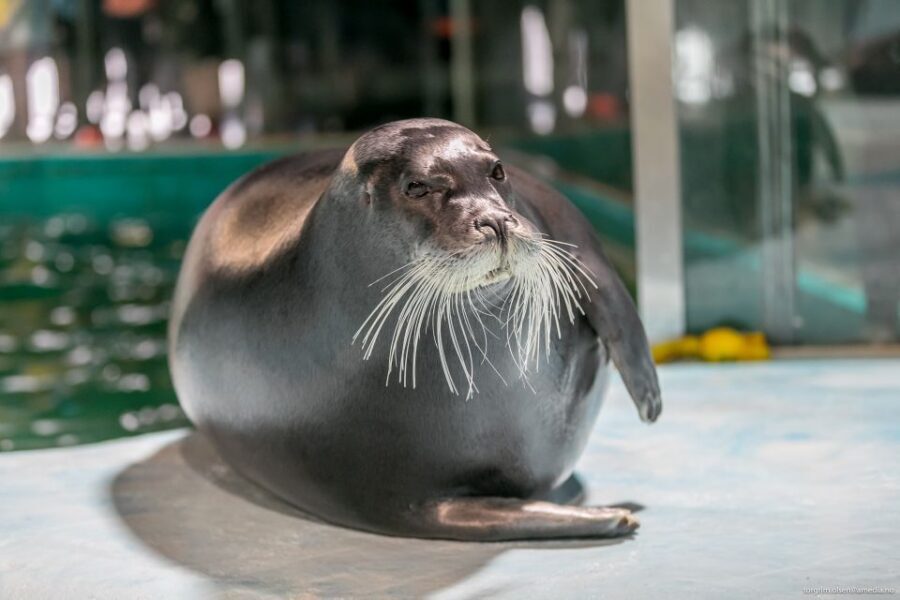
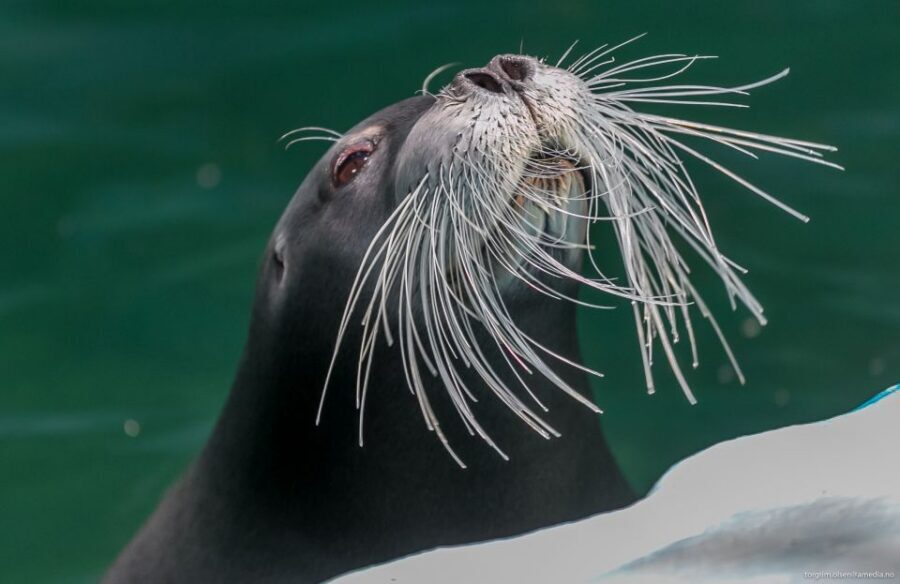
I love the chance to watch bearded seals at close range, plus the daily seal feeding and training that keeps the whole building buzzing. I also really like the interactive exhibits that connect Arctic science to real-life choices, not just facts on a wall.
One possible drawback: this is a focused day ticket, so don’t expect a long, wandering full-day experience. Most people are done in a couple of hours, then you just choose how long you want to stay for repeats and films.
In This Review
- Key things I’d plan around
- Polaria Tromsø: a day ticket that’s actually worth your time
- The seal feeding and training schedule you shouldn’t miss
- Bearded seals at close range: what makes this visit special
- Interactive Arctic exhibits and the FRAM science link
- The aquarium: small tanks, smart variety, and good viewing
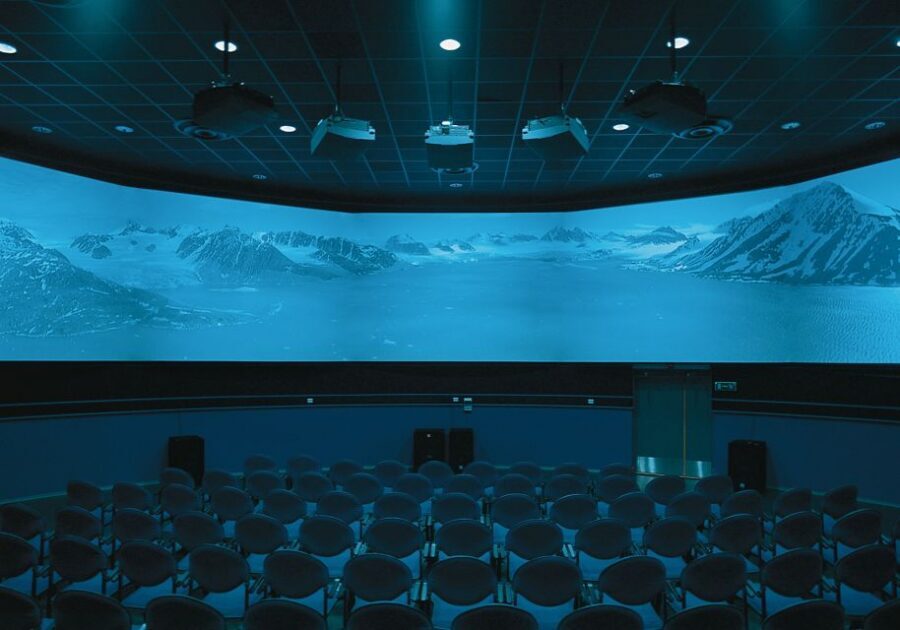
- Panoramic Theatre films: 3 short shows that pace your visit
- Tromsø planning: when Polaria makes the most sense
- Price and value: is $41 a good deal?
- Who should book Polaria, and who might skip it
- Should you book Polaria?
- FAQ
- How long is the Polaria visit?
- What time are the seal feeding and training sessions?
- What films are shown in the Panoramic Theatre?
- What are the opening hours?
- Where do I check in for the ticket?
- Is Polaria wheelchair accessible?
Key things I’d plan around
- Daily seal feeding and training (10:30, 12:30, 15:30), built into the visit time
- Bearded seal viewing up close, a rare Arctic encounter in Europe
- Interactive exhibits with FRAM research, tying Arctic life to climate and actions on land
- Panoramic Theatre films in three short sessions, so you can fit everything in
- All-day ticket use, letting you adjust around screenings and animal showtimes
Polaria Tromsø: a day ticket that’s actually worth your time
Polaria, Tromsø’s Arctic Experience Center, is a smart stop when you want something indoors, educational, and genuinely fun. The building is designed for families and curious adults alike, which means the exhibits don’t talk down to you. They guide you, prompt you to look closer, and then reward you with real animals and real science connections.
You’re not just buying entry to a room with tanks. You’re getting access to the aquarium and exhibits, plus the Panoramic Theatre for three educational films. Then, at set times each day, you get live seal feeding and training. That mix matters. If the weather outside is rough, you still get a full experience without changing your whole plan.
This is also a place where you can go more than once in your own day, if you’re thoughtful about timing. Your ticket works for the entire day of your booking date, and you choose when to arrive within opening hours.
A few more Tromso tours and experiences worth a look

The seal feeding and training schedule you shouldn’t miss
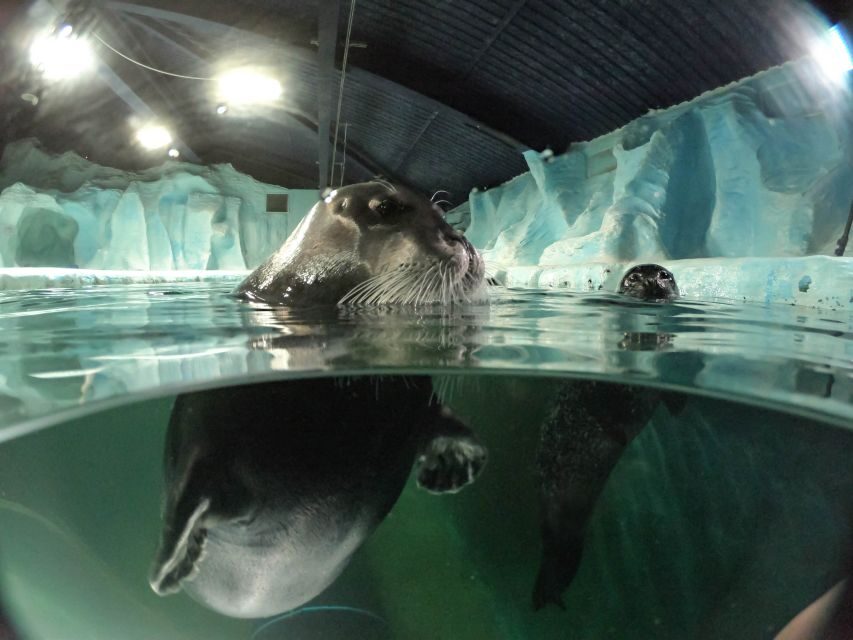
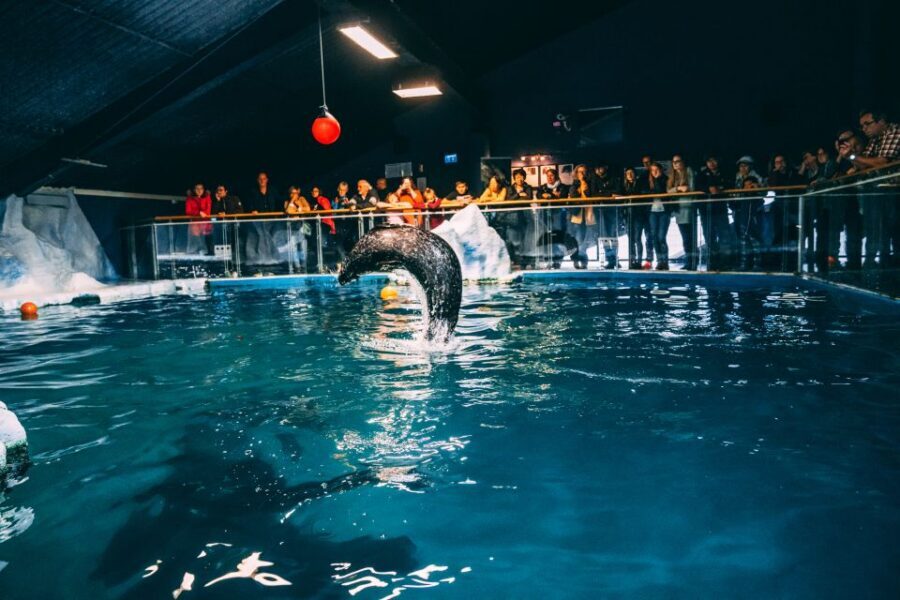
If you only remember one thing, make it the seal schedule. Seal feeding and training happens every day at 10:30, 12:30, and 15:30. Those sessions are included, and they’re the heart-beat of the visit.
Here’s the practical way to plan: arrive with enough time to see exhibits and the aquarium first, then base your main block around one of the sessions. If you arrive near 10:00, you’ve got time to settle in, walk the aquarium, and then catch the 10:30 feeding/training without rushing. If you arrive later in the day, you can still rearrange your viewing order—just don’t let the session time sneak up on you.
I like these shows because they make animal behavior easier to understand. You’re watching more than a stunt. You’re seeing training routines paired with feeding, and it helps you connect what you see in the tank with Arctic life under the ice and in the Northern ocean. And yes, it’s a real highlight even if you’ve seen seals elsewhere.
One note: there’s ongoing construction tied to new seal pools. It didn’t stop people from enjoying the visit, but if you’re sensitive to visual changes, keep that in mind and give yourself a little extra time to get comfortable with the flow of the building.
Bearded seals at close range: what makes this visit special
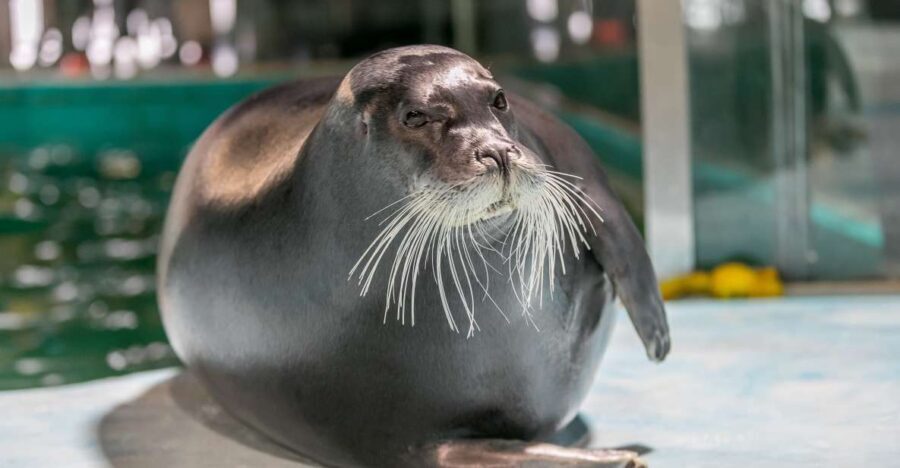
Polaria is especially known for bearded seals, and the visit gives you one of the best chances in Europe to see them up close. That detail matters because bearded seals aren’t common in standard zoos in many regions. Here, you can actually watch them as active animals—resting, moving, and responding—rather than feeling like you’re just viewing a distant exhibit.
The experience is built around that closeness. You get a front-row feeling for the enclosure area, and it’s not only about the seals. Around them, the aquarium and regional species help you understand what “Arctic Ocean life” means in practice: fish, crustaceans, and other creatures you’d be hard-pressed to picture without seeing them.
Also, the seal areas are bigger and lighter than they were years ago. That’s a good sign for visitor comfort and for how you read the animals’ space. When you’re already spending money for entry, you want the enclosure experience to feel first-rate—not cramped or dim.
If you’re traveling with kids, this is where the energy spikes. Adults tend to get quieter, too, because close-up animals make the science feel real.
Interactive Arctic exhibits and the FRAM science link
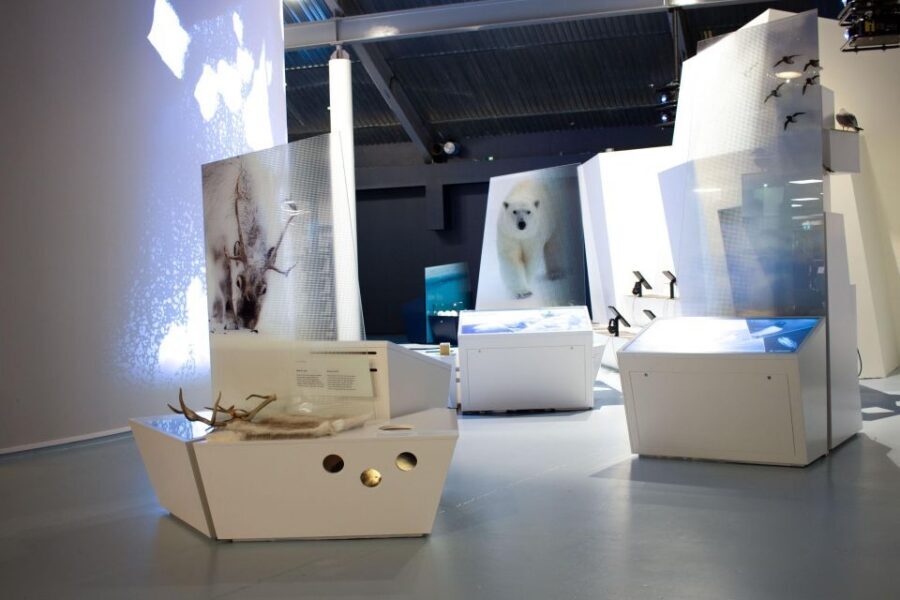
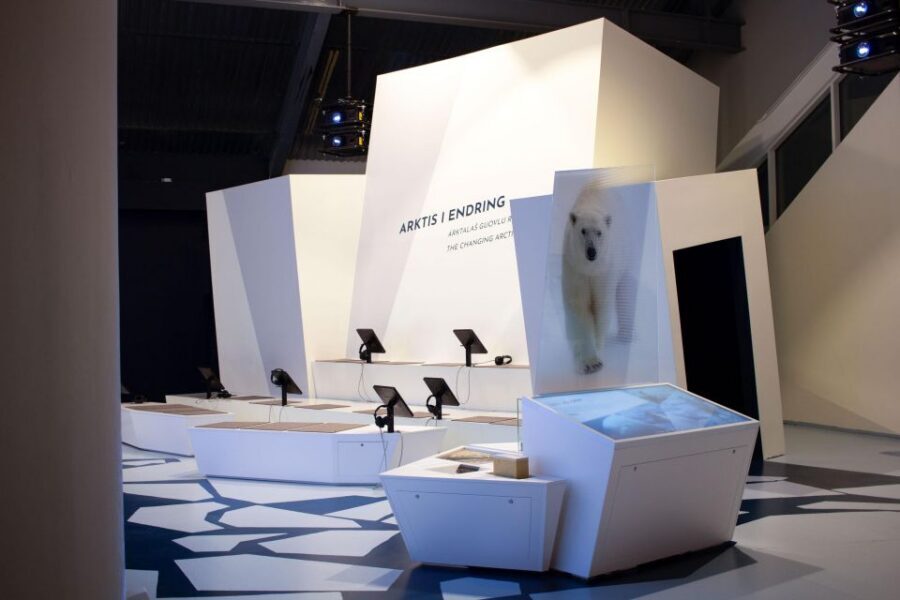
The interactive part is where Polaria earns its keep. You learn why life in the sea and life on land depend on each other, and you do it with hands-on displays and updated content tied to Arctic research.
A key detail: the exhibits highlight up-to-date research done in the Arctic by scientists at FRAM – High North Research Centre for Climate and the Environment. That’s not just a fancy name. It gives the exhibits a grounded, modern angle, so you’re not stuck with generic “Arctic is cold” messaging.
What I like most is that the exhibits push you toward systems thinking. You start with animals and the ocean, then you’re guided into climate, and finally into the idea that human choices can have a positive impact. You don’t need a degree to follow along. You just need to be willing to stop and read what’s in front of you.
If you’re short on time, prioritize what looks interactive rather than what’s only interpretive signage. The most memorable moments are usually when you trigger something, compare information, or watch how the exhibit explains connections between sea life and climate.
The aquarium: small tanks, smart variety, and good viewing
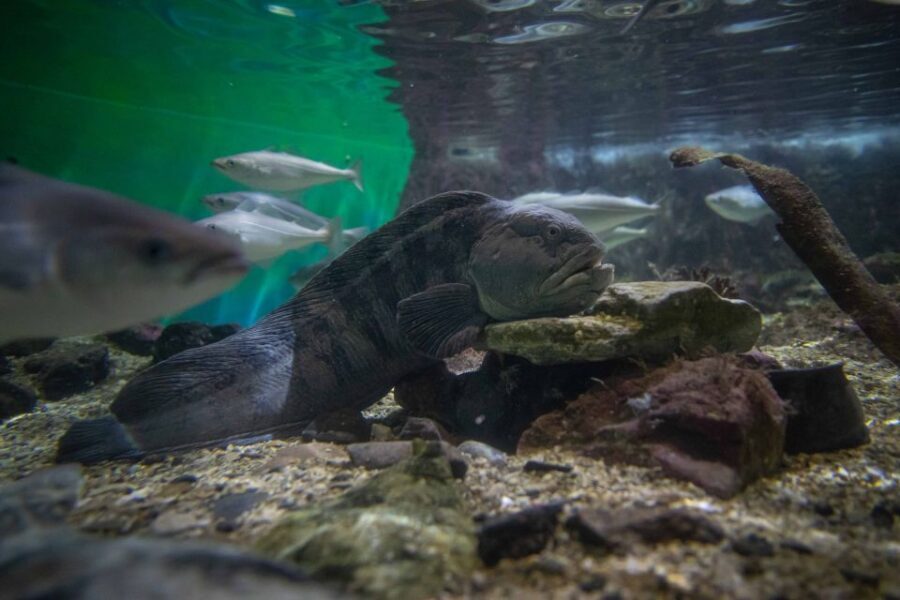
The aquarium at Polaria is not enormous, but it’s well worth the walk because the viewing is straightforward and the variety keeps you from feeling like it’s repetitive. Think fish and crustaceans from the region, plus the kind of creatures you only really notice once you’re looking at them for real time.
I’d call it a “pay attention” aquarium. You’ll likely spot things like jellyfish and starfish, and you may see species such as cod and other Arctic-relevant animals. It’s the sort of place where, if you slow down, you get more out of each tank instead of just doing a fast loop.
Cleanliness and creature layout matter here. People describe the tanks as clean, and that makes a difference in your experience. Construction work connected with new seal pools may be visible, but it usually doesn’t block the view of the aquarium itself—more like it adds some visual noise to the building environment.
If you’re someone who wants dozens of galleries, Polaria won’t be your match. But if you want a compact aquarium with strong animal encounters plus education and films, it lands in the sweet spot.




Panoramic Theatre films: 3 short shows that pace your visit
The Panoramic Theatre is a smart add-on because it gives your brain a break from walking and looking. You get access to three educational films, screened in the theatre during your visit window.
Here are the films and lengths:
- Svalbard – Arctic Wilderness (14 minutes)
- Northern Lights – A Wonderous Experience (9 minutes)
- Behind the Scenes (11 minutes)
That’s about 34 minutes total if you watch all three back to back, which is a realistic block inside a day ticket. The theatre setting also helps on cold or snowy days. If Tromsø is throwing weather at you, this is where you can sit, warm up, and still feel connected to the Arctic theme.
I also like that the film mix covers both places and ideas: wilderness scenes, the northern lights as a wonder, and a behind-the-scenes look that helps you connect what you see in the building to how it all works.
Tromsø planning: when Polaria makes the most sense
Polaria is one of the best “base layer” plans in Tromsø. Your ticket is valid all day on the booking date, and you can pick when to arrive within opening hours (daily 10:00–17:00). That flexibility is huge because Tromsø day plans often get rearranged by weather, timing, and your energy level.
I especially like it as a late-morning anchor. You can start your day outside for a bit, then come in before the worst of the cold hits. Or you can do it first, use the education to frame your other Tromsø adventures, and then head out once you’re ready.
Because the seal feeding/training happens at three fixed times, you can treat it like your internal clock. If you miss one, you’re not stuck—you have other daily chances. And since your ticket works for the full day, you can leave and return if a film schedule or showtime doesn’t line up perfectly with your earlier route.
Price and value: is $41 a good deal?
At about $41 per person, Polaria sits in the mid-range for a ticket attraction. What makes that price feel more fair is what you get bundled in.
You’re paying for:
- Access to the Arctic Experience Center exhibits
- Access to the aquarium
- Panoramic Theatre access (three films)
- Live seal feeding and training (three sessions daily)
That bundle reduces decision fatigue. You’re not choosing between “museum” or “aquarium” or “show.” You get all of it in one place, with a schedule that keeps you oriented.
Is it worth it if you only watch one film and skip most exhibits? Maybe not. But if you actually use the whole day—especially catching at least one seal session—you get good value for the time. It’s also a good bet when weather outside is unpredictable, because your plan stays intact no matter what the sky does.
Who should book Polaria, and who might skip it
You should book Polaria if:
- You want a family-friendly Arctic experience with animals and explanations
- You care about the “why,” not just the “what,” thanks to the FRAM-linked interactive exhibits
- You like structured highlights like the daily seal feeding and training
- You need an indoor plan that still feels Arctic-themed and alive
You might skip it if:
- You’re expecting a large multi-neighborhood museum day
- You dislike fixed show schedules and prefer fully open-ended wandering
- You’re hoping for something that replaces a full day of outdoor Tromsø sights
For most people, Polaria works best as a half to full-day activity. Plan to see the exhibits and aquarium, then anchor your visit around the seal schedule and take at least one film in the theatre.
Should you book Polaria?
Yes, if you want a warm, well-paced Arctic stop in Tromsø that mixes hands-on learning with close-up animals. The daily seal feeding and training sessions are the main reason, and the Panoramic Theatre films make it easy to get value even if the weather turns. Book it early enough to catch one of the showtimes without stress.
If you’re short on time, don’t try to speed-run everything. Choose one seal session, watch a film or two, and focus on the interactive exhibits. You’ll walk out with a better picture of how Arctic sea life connects to the planet—without needing to read a single textbook.
FAQ
How long is the Polaria visit?
Your ticket is valid for the whole day on your booking date, so you can stay as long as you want within opening hours. Many people finish in a couple of hours, but you can take your time.
What time are the seal feeding and training sessions?
Seal feeding and training run daily at 10:30, 12:30, and 3:30.
What films are shown in the Panoramic Theatre?
Polaria’s Panoramic Theatre screens three films: Svalbard – Arctic Wilderness (14 minutes), Northern Lights – A Wonderous Experience (9 minutes), and Behind the Scenes (11 minutes).
What are the opening hours?
Polaria is open daily from 10:00 to 17:00.
Where do I check in for the ticket?
Show your GetYourGuide voucher at the Polaria reception when you arrive.
Is Polaria wheelchair accessible?
Yes. The building is wheelchair accessible.