REVIEW · TROMSO
Tromsø: Cross-Country Skiing Beginner Course + Transfer
Book on GetYourGuide →Operated by Tromsø Outdoor · Bookable on GetYourGuide
Skis first, fear last. This beginner course is a smart way to learn cross-country skiing on Tromsøya while staying close to Tromsø, with patient coaching like Joanna’s clear step-by-step approach and Mathieu’s interactive style. What I love most is the focus on falling and getting up early (so it stops feeling scary) and the included hot drink + lefse break in the woods. The one catch: you must show up in warm, windproof layers since winter gear is not included in the tour price.
You get a full 3 hours that mix technique drills on flat ground with a gentle build toward small hills, which is exactly what first-timers need. The group stays small (up to 8), so you’re not stuck watching while someone else figures out how to turn your skis. Just keep in mind the course isn’t suitable for people with vertigo, mobility limitations, or pre-existing medical conditions.
For timing, you meet outside Tromsø Outdoor about 10 minutes before departure, pick up your ski setup there, then drive to the prepared trails. If weather is rough, the guides will still prioritize safety, even if conditions feel a bit serious underfoot.
In This Review
- Key things to know before you glide
- Why Tromsøya is such a good place to start cross-country skiing
- Getting set up at Tromsø Outdoor and meeting your instructor
- The first lesson block: fall down, then rise up
- Flat-ground technique: where you learn to actually move
- Small hills: a confidence challenge, not a punishment
- The best scenery part: forests, prepared trails, and Tromsøya views
- The lefse break: why the food matters on a 3-hour course
- Transfers and timing: why 3 hours feels like the right amount
- Price value: what $131 buys you in real terms
- What’s included, what to bring, and what you’ll rent later
- Who this beginner course is best for
- Who should skip this course
- Should you book Tromsø Outdoor’s beginner cross-country ski course?
- FAQ
- How long is the cross-country skiing beginner course in Tromsø?
- What is the meeting point for the tour?
- What gear is included in the price?
- Is the instruction in English?
- Is there a break during the tour?
- Do I need to bring winter clothing?
- What is the tour like for true beginners?
- Are transfers included?
- Is it suitable for kids?
- Can I rent skis after the course?
Key things to know before you glide
- Small-group lessons (max 8): plenty of help while you practice turns, balance, and control.
- They teach the hard part first: falling down and getting up so your brain stops panicking.
- Real local feel on Tromsøya: birch and spruce forests, prepared trails, and easy access from town.
- A proper break in the middle: a hot drink plus lefse to keep energy up.
- Technique, then tiny hills: you build skills in phases instead of throwing you on a big slope.
Why Tromsøya is such a good place to start cross-country skiing
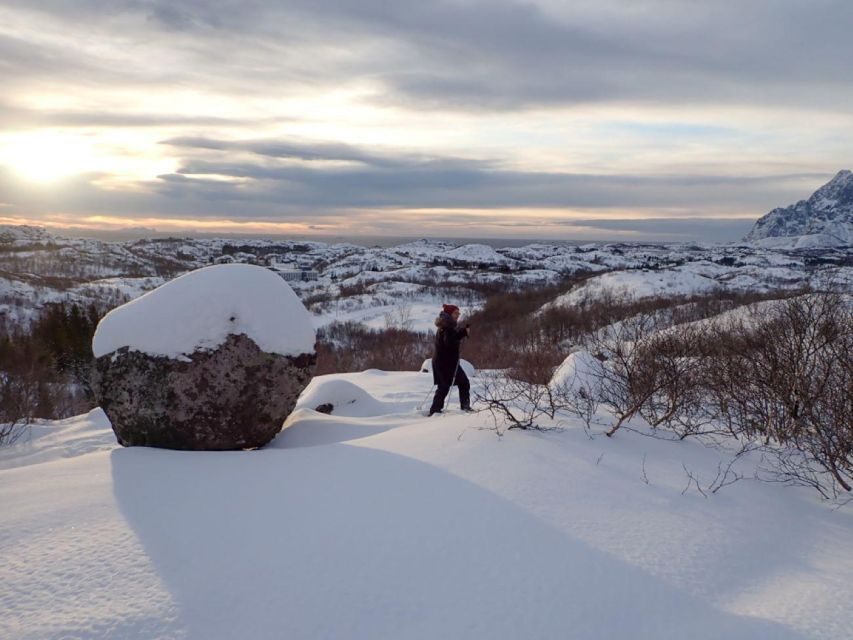
The big reason this works for beginners is where you train. Tromsøya gives you the winter version of a natural classroom: forest edges, prepared trails, and scenery that makes effort feel worthwhile. You ski mostly on trails in the top-area parts of the island with birch and spruce around you, so you get variety without needing advanced skills.
I also like that the course doesn’t treat beginner skiing like a mystery. You start with the basics you actually need to feel safe: getting skis on and off, basic movement, then control on flat terrain before anyone thinks about hills.
And yes, it helps that you’re not far from town. You’re still in Tromsø, so you get that rare combo: outdoor time that feels wild, plus logistics that stay easy.
A few more Tromso tours and experiences worth a look

Getting set up at Tromsø Outdoor and meeting your instructor
Your start is practical. Meet outside Tromsø Outdoor activity and rental centre about 10 minutes before departure. That’s time for quick check-in, then you’ll be fitted with the gear that’s included: skis, poles, and ski boots.
The boots matter more than people expect. With cross-country skiing, the fit affects comfort and control right away, especially when you’re learning how to distribute weight. Getting it sorted at the start also keeps the lesson moving, so you spend your 3 hours skiing instead of wrestling gear.
Instruction is in English, and the coaching style is repeatedly praised for being calm and patient. Guides like Joanna, Mathieu, Marta, and Melanie are called out for breaking things down clearly, adjusting to different ability levels, and keeping the pace friendly. In other words, you’re not left alone to guess what your body should do next.
The first lesson block: fall down, then rise up
Here’s the part that makes or breaks a beginner course: the early practice of falling down and getting up. Learning this in a controlled setting changes everything, because you stop treating every stumble like a disaster.
A good beginner course trains confidence, not just technique. Once you know how to regain balance and reset safely, the rest becomes easier: you can focus on gliding, weight shift, and basic turning instead of bracing for panic.
This course also includes time to practice how to put on and take off your skis. It sounds basic, but it’s a huge confidence booster. When you can manage your setup without stress, you enjoy the skiing more and you waste less energy right at the start.
Flat-ground technique: where you learn to actually move
After the first safety basics, you move into a completely flat area. That matters because flat ground is where you can feel the skis behave without gravity doing extra work. This is where you start using basic techniques and building rhythm.
For many first-timers, the biggest surprise is that cross-country skiing is not just about leg strength. It’s coordination: timing your pole plants, transferring weight smoothly, and keeping your skis from turning into wobbly noodles.
The best part of starting on flat ground is how quickly your body learns what feedback to expect. Once you get the basics right here, the course can progress without turning into a chaotic scramble.
Small hills: a confidence challenge, not a punishment
Then comes the progression toward small hills. This is where the experience gets fun fast, because you finally feel the thrill of moving downhill gently while still keeping control.
You’re not thrown into something steep. Instead, you train the skills from the flat area and apply them with a bit more pressure and coordination. That’s a smart way to test your progress and get that moment where skiing clicks.
The hills also give you a reality check in a good way. You learn that technique isn’t optional. Even on smaller slopes, your balance, stance, and speed control matter, so the coaching really earns its place here.
A few more Tromso tours and experiences worth a look



The best scenery part: forests, prepared trails, and Tromsøya views
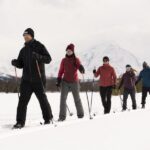
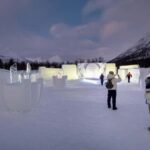
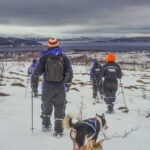
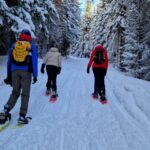
Your route takes you toward the northern part of the island in scenic areas with birch and spruce forests. The trails are mostly prepared, which is a big practical advantage for beginners. It reduces the number of variables you have to manage, so you can concentrate on form and confidence.
I like that the tour doesn’t feel like a single straight line. You get a sense of being out in winter nature rather than inside an artificial ski lesson loop. Also, the prepared-trail setup makes it easier to keep your pace steady instead of constantly reacting to snow that’s too soft or too icy.
Several guides are described as actively managing the group and keeping everyone safe, including in more hazardous weather. That’s important in Northern Norway, where conditions can shift quickly. Even with training wheels (prepared trails), you still want a coach who treats safety as the priority.
The lefse break: why the food matters on a 3-hour course
About mid-course you stop for a break served with a hot drink and a sweet snack: lefse. This is not just a perk. It’s fuel, warmth, and a mental pause.
Cross-country skiing is deceptively tiring for beginners. Your core and legs work hard even when you think you’re moving slowly. Having a hot drink helps you reset fast, and lefse gives you a sweet, local energy boost without needing a restaurant stop.
It also gives you a chance to look around. Tromsøya in winter can be stunning, and this break is long enough to appreciate it while you recover.
Transfers and timing: why 3 hours feels like the right amount
The total duration is 3 hours, which is perfect for a beginner course. It’s long enough to learn key skills, practice, and get to a real moment of progress on small hills. It’s short enough that you don’t end up miserable from cold fatigue by hour two.
The transfer is included, which keeps the day simple. You’re not planning transport to trailheads yourself, and you’re not dragging ski bags across town. You do a quick drive away from the city centre, then get straight onto the skiing.
One small detail worth noting: you start by meeting at a specific spot 10 minutes early. That extra buffer makes the whole experience smoother because gear fitting and briefing happen before you’re out in the cold.
Price value: what $131 buys you in real terms
At about $131 per person for 3 hours, this isn’t a bargain in the way some city walking tours are. But it’s also not overpriced for what you’re getting. You receive skis, poles, and boots, plus a coach for beginner instruction and a transfer.
When you’re new, instruction saves time and avoids common mistakes that lead to sore legs and frustration. A good coach helps you move more efficiently, which means you’ll enjoy the skiing more and you’ll get better faster than if you tried to self-teach immediately.
The small group size also adds value. Up to 8 participants means you’re more likely to get hands-on correction, not just general tips. Guides are repeatedly praised for being interactive, patient, and well-managed in how they mix fun and learning.
What’s included, what to bring, and what you’ll rent later
This experience includes skis, poles, ski boots, a guide, a hot drink, and the lefse snack. Transfer is also included, so you just show up ready to move.
What’s not included is winter clothing. You’ll be required to wear warm, windproof layers, and winter clothes can be rented separately at the rental centre upon prior arrangement. If you don’t already have solid winter gear, I’d sort this out before you arrive. In Northern Norway, wind matters as much as temperature.
You should bring warm clothing suited for changing weather. Even on a short 3-hour trip, the cold can creep in if your layers aren’t right.
After the tour, you can rent skis to practice on your own. That’s a great way to keep momentum without needing another lesson right away.
Who this beginner course is best for
This is a strong fit if you:
- Want to try a real Norwegian winter activity without overthinking equipment
- Are comfortable walking and standing for the duration
- Learn best with a coach who can correct your technique while you practice
It’s also ideal if you’re in Tromsø for a short stay. It adds a memorable outdoor activity without eating your whole day.
The repeated praise for patient teaching is a good sign if you’re nervous about snow sports. One review even points out how having tracks pre-prepared helps beginners feel supported.
Who should skip this course
The course is not suitable for children under 8 and also lists children under 12 as not suitable, so check the minimum age rule carefully before you book. It also isn’t suitable for people with mobility impairments, wheelchair users, people with vertigo, or anyone with pre-existing medical conditions.
If any of those apply, it’s worth choosing a different style of activity or speaking with the operator directly to avoid a bad match.
Should you book Tromsø Outdoor’s beginner cross-country ski course?
If you want a structured first taste of cross-country skiing, I’d book this. The combination of beginner-focused teaching, a small group (max 8), and the scenic Tromsøya setting makes it a practical value. The course covers the true basics: getting your skis on and off, building technique on flat ground, then tasting control on small hills—plus you get warm drink and lefse along the way.
If you show up without proper warm, windproof clothing, the day can feel rough fast, and gear is not included beyond skis, poles, and boots. So plan your layers, arrive a bit early, and let the coach do the hard part: translating snowy chaos into smooth motion.
FAQ
How long is the cross-country skiing beginner course in Tromsø?
The duration is 3 hours.
What is the meeting point for the tour?
Meet outside the Tromsø Outdoor activity and rental centre about 10 minutes before departure.
What gear is included in the price?
Your skis, poles, and ski boots are included.
Is the instruction in English?
Yes, the instructor teaches in English.
Is there a break during the tour?
Yes. You’ll take a break in the forest and be served a hot drink and a sweet snack, including lefse.
Do I need to bring winter clothing?
Yes. You must wear warm and windproof clothes, but winter clothing rental is available separately at the rental centre by prior arrangement.
What is the tour like for true beginners?
You learn how to put on and take off your skis, practice basics in a flat area, then move on to different techniques and challenge yourself on small hills.
Are transfers included?
Yes, transfer is included.
Is it suitable for kids?
The activity notes that it is not suitable for children under 8 and also not suitable for children under 12, so you should confirm the minimum age before booking.
Can I rent skis after the course?
After the tour, you can rent skis to practice cross-country skiing on your own.