REVIEW · TROMSO
Tromsø: Arctic Floating with Snacks and Drinks
Book on GetYourGuide →Operated by Authentic North · Bookable on GetYourGuide
Tromsø turns your comfort zone inside out. This 3-hour Arctic floating camp lets you slide into frozen fjord water wearing a rescue survival suit, then warm back up by the campfire with hot drinks and snacks. If you catch the night version, you may also see the Northern Lights in a way that feels quiet, personal, and very Arctic.
What I like most: the setup is built for real comfort, not bravado. The suit behaves like a dry suit, so you keep your clothes on under it, and guides like Rita and Matas make the whole process feel simple and safe. I also love the food-and-cozy factor afterward: tea, coffee, local snacks, and campfire-finished pastries like cinnamon rolls baked over the fire.
One thing to consider is how you’ll handle the small physical stuff around the water. The walk down can be slippery in winter, and there’s also an outdoor toilet that’s basically what it sounds like—so plan for that reality before you start.
In This Review
- Key things to know before you go
- Arctic Floating in Tromsø: What You’re Really Paying For
- Getting to Ramfjordbotn and Meeting Your Guides
- The Survival Suit: Dry, Cozy, and Surprisingly Manageable
- Floating Time in the Arctic Sea: What It Feels Like
- Campfire Drinks, Cinnamon Rolls, and the Cozy Cabin Reset
- Northern Lights Night: How to Make Aurora Time Count
- Safety and Comfort Notes That Actually Matter
- Value Check: Is $199 Worth It in Tromsø?
- Who Should Book This (and Who Might Want Another Option)
- Tips for a Smoother, Warmer Experience
- Should You Book Arctic Floating With Snacks and Drinks?
- FAQ
- How long is the Arctic floating tour?
- Does this tour include pickup and drop-off in Tromsø?
- What language are the guides?
- Is this a small-group activity?
- What should I bring for the experience?
- Can I choose a daytime or nighttime visit?
- Is the tour suitable for children?
Key things to know before you go
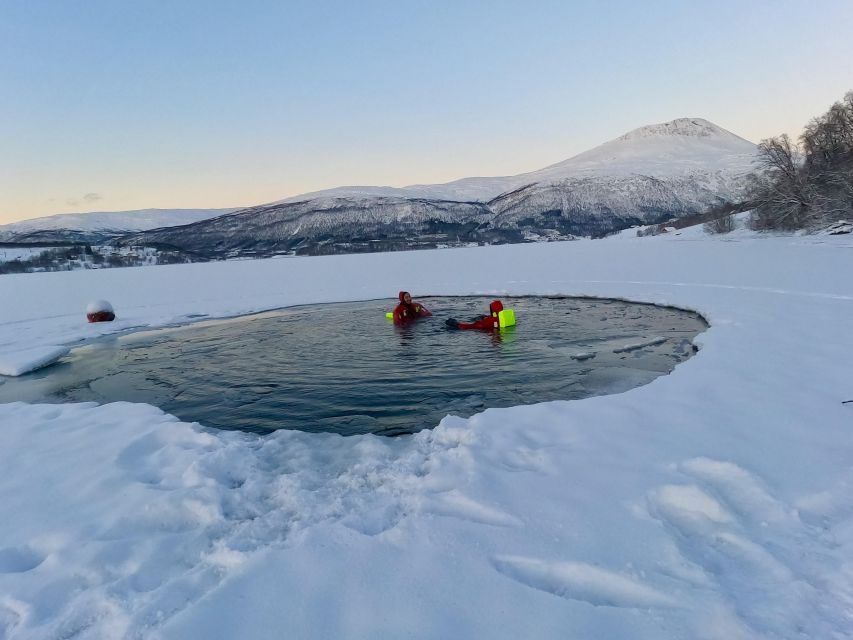
- Dry-suit style floating: you keep your clothes on underneath, staying dry while you float
- Small group energy (max 6): more time with the guides and less waiting around
- Campfire warmth is part of the experience: hot drinks plus snacks right after the water
- Northern Lights chance on the night tour: you’re sitting still in the dark, so aurora spotting feels natural
- Guides take photos: they help with shots during and after, so you can actually relax
Arctic Floating in Tromsø: What You’re Really Paying For
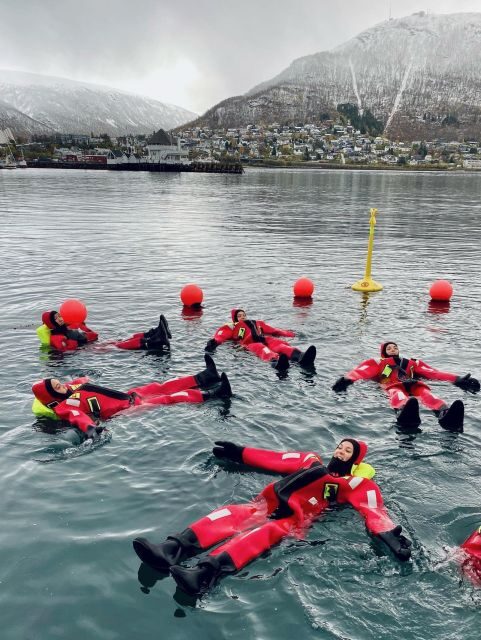
At $199 per person, you’re not just buying “a weird activity.” You’re buying safety gear, guided coaching, and the whole Arctic routine built into one tight 3-hour block. That includes pickup in Tromsø, a rescue suit for floating, a campfire break, and warm drinks and snacks afterward.
This is the kind of outing that works even if you don’t love adrenaline. You float. You breathe. You warm up. Then you leave with photos and an Arctic Floating certificate—small souvenirs, but they help make the experience feel complete.
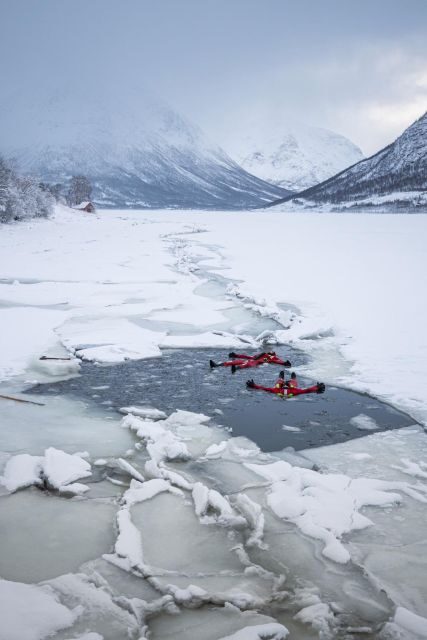
And yes, the frozen fjord setting is the point. Tromsø in January–March gives you that frozen-over water you came for, without turning your trip into a hardcore outdoor survival test.
You can also read our reviews of more tours and experiences in Tromso.

Getting to Ramfjordbotn and Meeting Your Guides
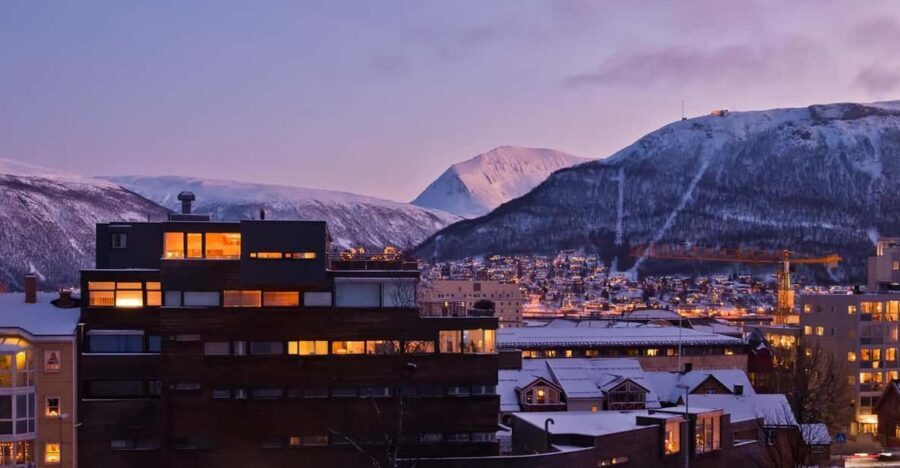
You’ll start from the Tromsø city area with pickup at designated points. There are two main options: one near Tromso Camping (Søndre Tollbodgate 11), and another at Tromsø Lodge and Camping outside the main building. The city-center pickup window for the evening tour is typically around 6:50 PM to 7:10 PM depending on your stop.
From Tromsø, it’s about a 25-minute ride to the floating area. In the cold months, that transfer matters more than you might think. It gets you out to the fjord without wrestling with timing, parking, and winter conditions on your own.
Once you arrive, you’ll meet in a cozy setup by the sea and get guided through everything: what to do, how to get geared up, and what to expect in the water. Guides across many tours are consistently described as friendly, reassuring, and hands-on—names you may meet include Rita, Matas, Mathieu, and Matas shows up in recent bookings.
The Survival Suit: Dry, Cozy, and Surprisingly Manageable
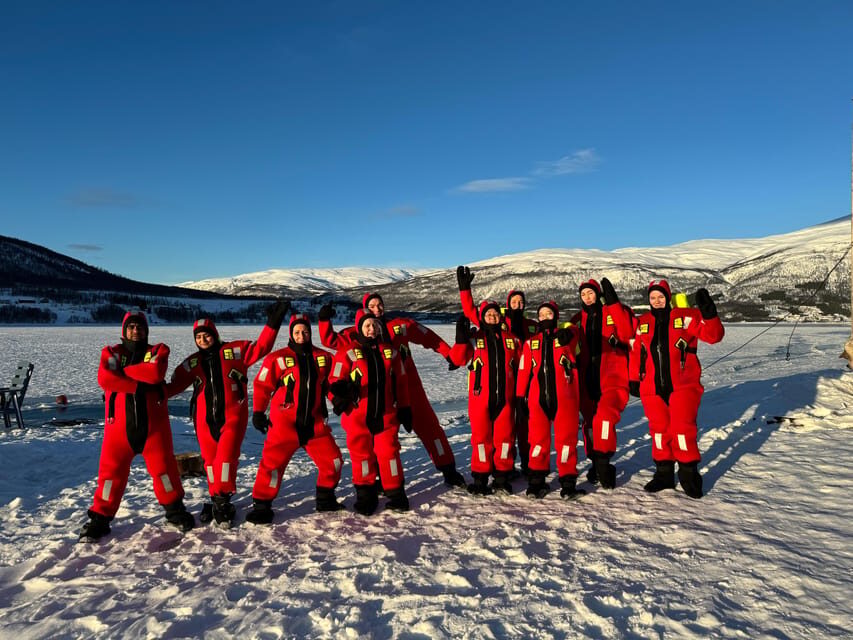
The most important part of the tour is the floating suit. You’ll wear a rescue survival suit designed for Arctic floating. In practice, it behaves like a dry suit: you keep your pants and layers underneath, and the system is meant to stop you from getting wet.
That single detail changes the whole experience. If you’ve ever feared Arctic water because you imagine soaking from head to toe, this is built to reduce that fear. Several people also mention a cotton onesie being available as an extra warmth option.
Still, there’s one practical wrinkle. Not everyone’s experience is identical, and one guest noted that some water can seep into the suit, recommending bringing a spare shirt to change into after. I’d treat that as sensible insurance, even if most people say they stay very comfortable.
Before you go, wear warm clothing to the pickup point. The suit helps, but your comfort starts with your layers.
Floating Time in the Arctic Sea: What It Feels Like
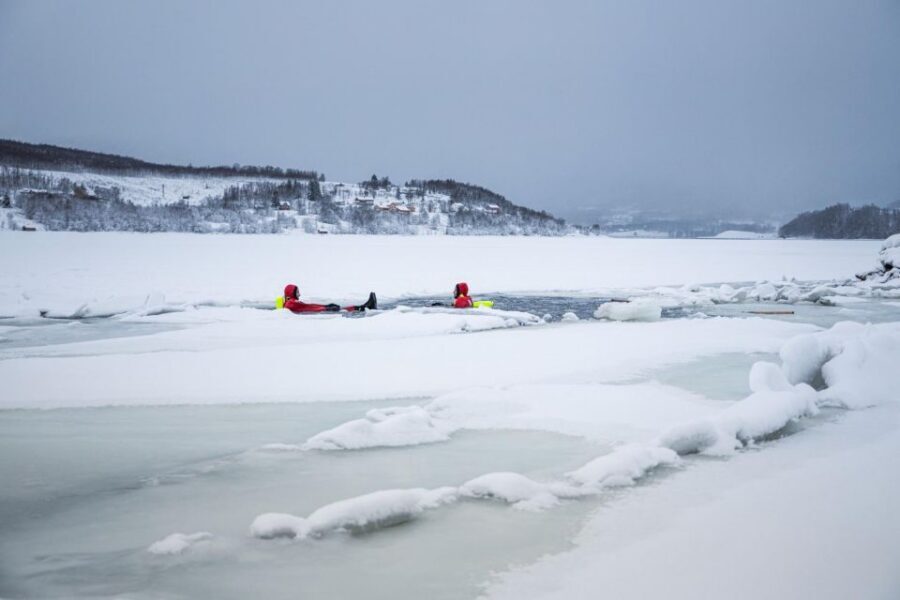
The heart of the tour is the guided floating session. You’ll spend about 100 minutes in the Ramfjordbotn area with swimming/floating time built into it, but the real-world rhythm depends on how the group flows and how long you choose to stay in.
The common pattern: you’ll get coaching to get in safely, float while guides monitor you closely, and you can exit whenever you want. People often end up staying roughly 45–60 minutes in the water, which still gives you plenty of time to look around and enjoy the fjord atmosphere without feeling trapped.
What surprised me in the firsthand details is how relaxing people find it once you’re set. Floating is not like swimming laps. It’s slow, still, and strangely meditative if you let it be. You’re also getting frequent reassurance on technique and safety, especially when stepping down is slippery.
If you can swim, it’s helpful. If you can’t, you’re not doing a freestyle workout. The suit and floating format are designed for comfort, and the guides help you manage the entry and exit.
Campfire Drinks, Cinnamon Rolls, and the Cozy Cabin Reset
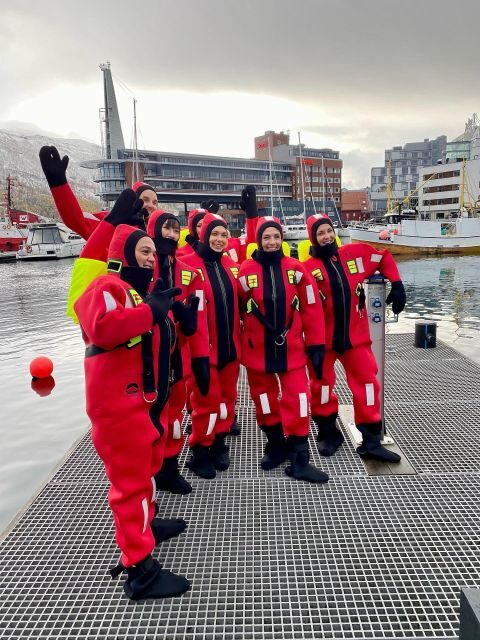
When you’re done with the water, the tour shifts fast—from Arctic exposure to warmth recovery. You’ll take a break with coffee, tea, and local snacks in a cozy cabin setup by the sea.
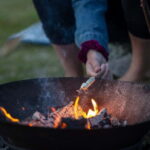
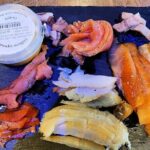
This is also where the campfire moment becomes more than a nice extra. Multiple bookings mention cinnamon rolls baked over the campfire, and that smell alone is reason enough to plan for the after-water portion. One guest also mentioned warm drinks plus other sweet treats like biscuits, and even a Norwegian-style food element like brown cheese appearing in the mix.
The food and drinks are not a full meal replacement, but they’re timed well: you’re cooling down in the suit environment, then you get warm quickly. That matters for comfort, especially on windy nights when your face and hands can feel the cold even if your core is fine.
Bring a pair of warm socks if you have them. One recent note flags that feet can still get cold because the water temperature is cold, even when the rest of you stays warm.
Northern Lights Night: How to Make Aurora Time Count
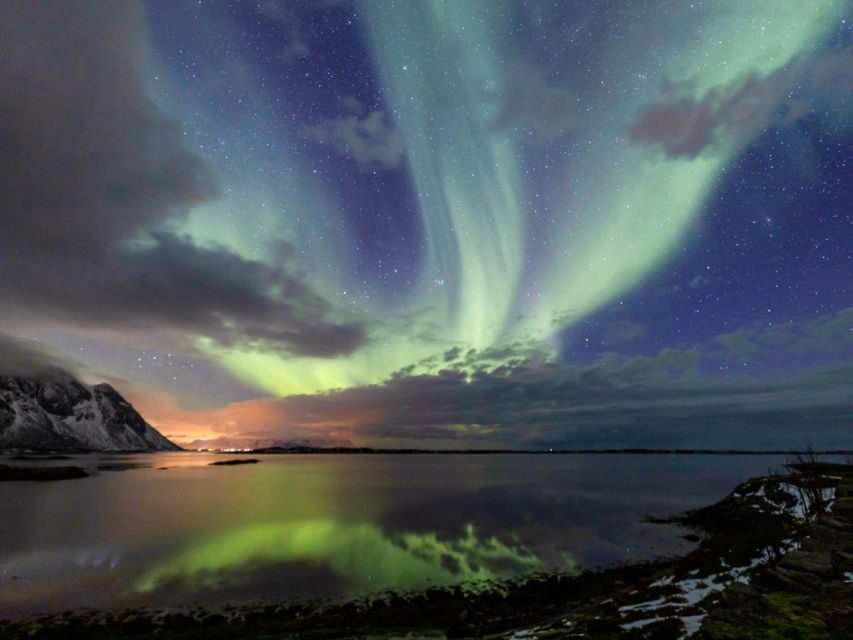
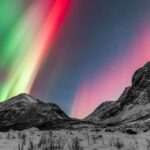
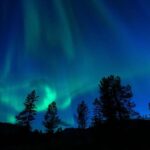
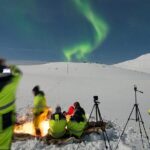
If you book the night option, you’re aiming for aurora. The tour gives you the aurora chance in a setting where you’re outside, still, and looking up. That’s ideal, because hunting the lights usually means standing around in winter darkness.
What I like about this setup is that it doesn’t feel like a frantic scramble. You’re in a controlled activity with safety support, and the night sky becomes part of the experience rather than a separate side quest.
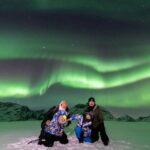
Another plus: photo help. Many people report that guides take lots of photos during the floating and also help with Northern Lights photos afterward. If you want images where you actually show up in the frame, this format is better than juggling your phone while trying to keep warm.
Even if aurora conditions aren’t perfect, the night version still feels memorable because the fjord is calm and the floating experience is inherently unusual. And if you do see lights, it often looks extra magical because you’re not just photographing from a roadside—you’re already in the Arctic moment.
Safety and Comfort Notes That Actually Matter
This tour is built around safety, but you still need to take winter seriously. The guides help with suiting up and with the down-to-the-water step, and many guests specifically mention support during a slippery entry.
Here are the practical parts I’d plan for:
- Wear warm layers to the pickup area so you start comfortable
- Expect a slippery walk down to the water and follow guide instructions closely
- Bring or plan for an after-water change item (at least a spare shirt) as a precaution
- Use very warm socks to protect your feet from cold water conditions
Physical limits are also clear. The tour is not suitable for children under 8, people under 130 cm, and people over 150 kg. If you’re sensitive to tight spaces or you’re anxious about the water, don’t assume it will be unbearable—many guests say they felt nervous at first but ended up having a great time due to reassurance and suit comfort.
Value Check: Is $199 Worth It in Tromsø?
For $199, the value is strongest if you treat this as a complete Arctic experience, not a single “float moment.” You’re getting:
- Pickup and drop-off in Tromsø city area (and at Tromsø Lodge and Camping)
- A guide for the whole flow
- A flotation-ready rescue suit
- Campfire time with hot drinks, fresh water, and snacks
- Photos taken by the guides and shared afterward
- An Arctic Floating certificate
If you tried to replicate this on your own, you’d spend time managing transport, rental gear, and safety—plus you’d lose the warm, guided reset afterward. Here, the logistics are handled, and that’s what you’re paying for.
It also helps that it’s a small group (limited to 6 participants). That usually means less crowding, faster help when suiting up, and more individual attention when you’re getting in.
If you want a one-and-done Tromsø “bucket list” activity with real structure and comfort, this price starts to make sense.
Who Should Book This (and Who Might Want Another Option)
This tour is a good match for you if you:
- Want an Arctic activity that’s unusual but still guided and controlled
- Like the idea of seeing the fjord and night sky together
- Care about comfort enough that you appreciate warm drinks, snacks, and a campfire afterward
- Prefer a small group where you’re not lost in a crowd
It may not be the best fit if you:
- Don’t want to deal with cold-focused activities at all
- Need an activity designed for very young children or smaller body sizes
- Struggle with stepping down slippery surfaces, even with help
One more honest note: the tour duration is about 3 hours (210 minutes), so plan your evening around it. It’s not an all-day trek, but it does take a chunk of time when you factor in pickup and the full suit-to-water-to-warmup rhythm.
Tips for a Smoother, Warmer Experience
You’ll get the most out of the tour if you show up ready. Warm clothing matters, and socks matter too. I’d also pack a spare shirt if you can, just in case you end up with that light seep some guests described.
When you arrive, listen closely at the suit briefing. The fastest way to feel confident is to copy the guide’s pacing. Getting the suit on is often described as a funny, slightly clumsy process—expect that, and let it be.
In the water, trust the floating format. You’re not fighting the sea. You’re working with the suit and the guide’s instructions, and you can decide how long you want to stay in.
And when you get back up, don’t rush. Take the warm drinks and snacks slowly. It’s the reset that makes the whole experience feel good instead of just intense.
Should You Book Arctic Floating With Snacks and Drinks?
I’d book it if you want an Arctic experience that feels safe, guided, and genuinely different from the usual Tromsø lineup. The combination of floating in a dry-suit style setup, warmth afterward by the campfire, and the chance at aurora on the night tour makes it a strong value for $199.
If you’re worried about cold, this is one of the few activities where your comfort is actively engineered—warm drinks, campfire time, and suit design do real work. If you’re worried about logistics, you get pickup and drop-off and a small-group flow that keeps things simple.
Go ahead and plan for winter reality: slippery entry, cold feet risk, and the outdoor toilet setup. If you’re ready for that, this tour delivers the kind of memory you still talk about weeks later.
FAQ
How long is the Arctic floating tour?
The duration is about 3 hours (210 minutes).
Does this tour include pickup and drop-off in Tromsø?
Yes. You get pickup and drop-off at designated points in Tromsø, including city-center options and Tromsø Lodge and Camping.
What language are the guides?
The instructor is English.
Is this a small-group activity?
Yes. The group is limited to 6 participants.
What should I bring for the experience?
Bring warm clothing. Warm socks are also a smart idea for comfort during the floating.
Can I choose a daytime or nighttime visit?
Yes. There are daytime options, and nighttime options give you a chance to spot the Northern Lights.
Is the tour suitable for children?
No. It isn’t suitable for children under 8 years old, and it has height and weight limits as well.