REVIEW · STAVANGER
Lysefjorden & Pulpit Rock RIB-Safari from Stavanger
Book on Viator →Operated by Stavanger RIB · Bookable on Viator
Staring at cliffs is nice. Riding toward them is better. This Lysefjorden RIB-safari mixes high-speed fjord views with real storytelling, including stop-offs for Pulpit Rock and the close-up roar of Hengjanefossen. I especially like the small-group feel (max 12) and the way the tour leans into comfort with dry, warm gear so you can enjoy the ride instead of shivering through it.
You also get a captain-led run through the fjord’s highlights, from the “fjord of light” scenery to wildlife chances like seals and sea eagles on a good day. A possible drawback to plan around: it’s a weather-dependent activity, and you will feel wind and spray out on the water, so bring good footwear and don’t expect a calm, leisurely cruise pace.
If you want a Stavanger experience that’s scenic, fun, and practical in cold, windy conditions, this one fits. The RIB format means you see more in less time, and you get the kind of landmark proximity that most shore stops can’t deliver.
In This Review
- Key things to know before you go (Lysefjord RIB route and stops)
- Starting in Stavanger’s harbor: gear up fast, then go
- Skimming Lysefjord from 35 knots: why a RIB beats a boat tour
- Lysefjorden: the fjord of light, 42 km long, and full of surprises
- Stop 1: Fantahålå (Vagabond Cave) and the story you can feel
- Stop 2: Preikestolen (Pulpit Rock) with a boat captain’s perfect angle
- Stop 3: Hengjanefossen (Whisky Falls) at the base level
- What the ride feels like: thrilling, bumpy sometimes, and still controlled
- Practical value: is $149.62 worth it?
- Who should book this RIB safari (and who might skip it)
- Booking tip: what to wear so you enjoy the ride
- Should you book the Lysefjorden & Pulpit Rock RIB-Safari from Stavanger?
- FAQ
- FAQ
- How long is the Lysefjorden & Pulpit Rock RIB-Safari?
- How much does it cost?
- Where does the tour start and end?
- Is the tour offered in English?
- What’s included in the price?
- What should I bring or pay for myself?
- How big is the group?
- What happens if the weather is poor?
- What is the cancellation cutoff?
Key things to know before you go (Lysefjord RIB route and stops)
- Small group, more attention: max 12 people keeps the ride personal and the stories easy to hear.
- Gear that actually matters: lifejackets plus floatation suits, and extra cold-weather protection like goggles and gloves.
- Pulpit Rock front-row views: the boat positions for a gravity-defying look from the water, not a distant viewpoint.
- Fantahålå (Vagabond Cave) up close: you cruise right into a narrow pocket in the cliffs for a memorable storytelling stop.
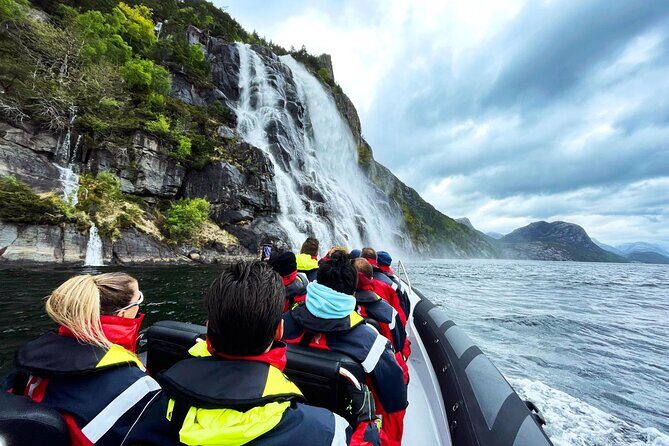
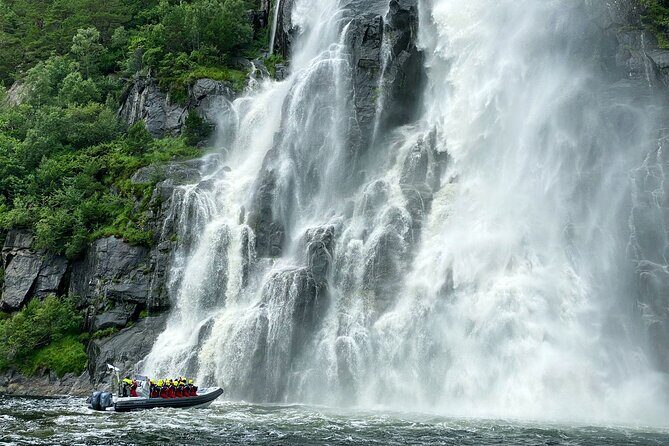
- Hengjanefossen at base level: approach right up to the 75 m falls, including the misty, swirling water for great photos.
- High-energy fjord sightseeing: multiple four-stroke engines and fast passes make the fjord feel big and real.
Starting in Stavanger’s harbor: gear up fast, then go
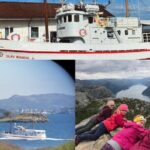
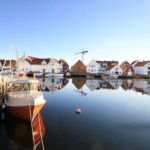
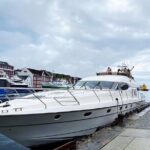
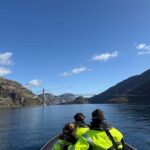
The tour begins at Stavanger’s central city harbor at Stavanger RIBStrandkaien 37. Plan to arrive a bit early because you’ll want time to get your gear on before departure. The crew provides everything you need for safety and warmth, including a lifejacket and a floatation suit in different sizes, plus additional items for colder conditions.
You’ll also get a safety briefing from your captain right there. After that, you leave the harbor and get your first fjord taste from the seaside. This is one of those quiet-but-important moments: the ride starts gentle enough to orient yourself, then it builds. You’ll pass Stavanger from the water with views of landmarks along the waterfront, including the Valgberg tower and the Norwegian Oil Museum.
If you’re arriving by cruise ship, this format can feel tailor-made because the operator checks the “back onboard” time and won’t leave you cutting it close. That matters in Norway, where time gets tight fast if a port runs late.
A few more Stavanger tours and experiences worth a look
Skimming Lysefjord from 35 knots: why a RIB beats a boat tour
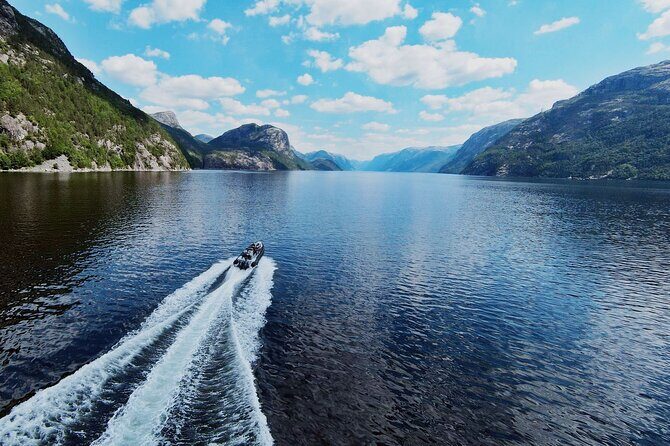
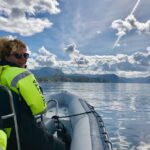
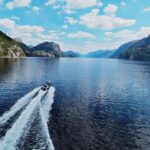
Once you’re out of Stavanger, the boat opens up. The route heads into open waters, with the ride powered by two four-stroke engines. Expect a fast, thrilling speed boat feel—reviews even mention hitting very high speeds—so don’t book this expecting a slow, floating tour.
That speed is exactly why the fjord experience feels different. You’re not just looking at mountains; you’re watching how quickly the scenery changes as you pass islets, skerries, and reefs. You’ll see cozy cabins along the shoreline and you may spot salmon farms too, which adds a real “Norway today” layer to the scenery.
And yes, the wind can be real. That’s why the provided gear is not a small detail. If it’s chilly, the combination of floatation suit, goggles, and gloves helps you stay focused on the views instead of concentrating on the cold.
Lysefjorden: the fjord of light, 42 km long, and full of surprises
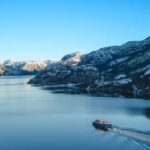
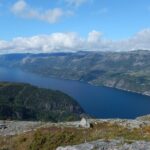
Lysefjorden runs about 42 kilometers and is famous for dramatic cliffs and waterfalls that pour down beside the water. You’ll learn why the locals call it the fjord of light: light-colored granite rocks along the sides reflect sunlight in a way that can look almost golden or silvery depending on the day.
As the boat pushes deeper into the narrow corridor, steep mountains rise sharply from the water, dressed in lush green forest and streaked with waterfalls. It’s a lot to take in, especially on a fast-moving RIB where your eyes constantly jump between shoreline details and cliff faces.
Wildlife is part of the deal. On a good day, you may see seals, porpoises, and sea eagles. You can’t count on it, but I like that the captain keeps an eye out and makes the chances part of the adventure rather than treating wildlife as a random bonus.
Stop 1: Fantahålå (Vagabond Cave) and the story you can feel
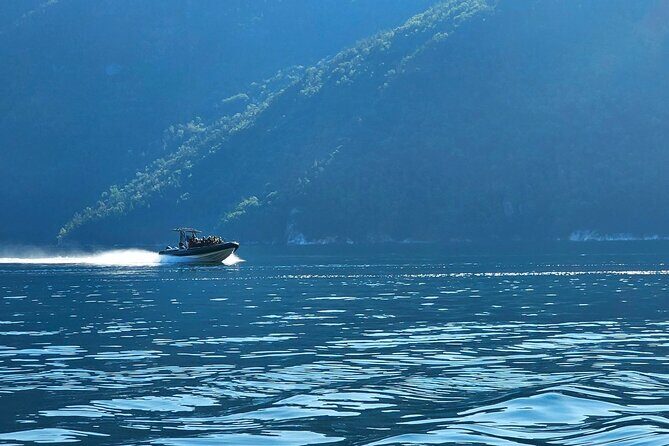
One of the most memorable parts is how the tour uses the water to reach places you’d never stumble upon from a viewpoint. The stop at Fantahålå, locally known as the Vagabond Cave, is tucked into a narrow cove in the fjord’s mountainside.
Here’s what makes it interesting beyond the geography: the captain’s storytelling. Local lore says a group of tramps hid there to escape a sheriff. When he finally caught up, the story claims they argued him out of it by pelting stones until he left them alone. It’s the kind of tale that turns a cove into a scene.
Your boat navigates right into this hidden pocket in the cliffs. That close-in approach is why Fantahålå works as a stop—your senses feel involved, and you get a break from just looking outward at the scenery.
You’ll spend about 10 minutes here, with the admission included.
Stop 2: Preikestolen (Pulpit Rock) with a boat captain’s perfect angle
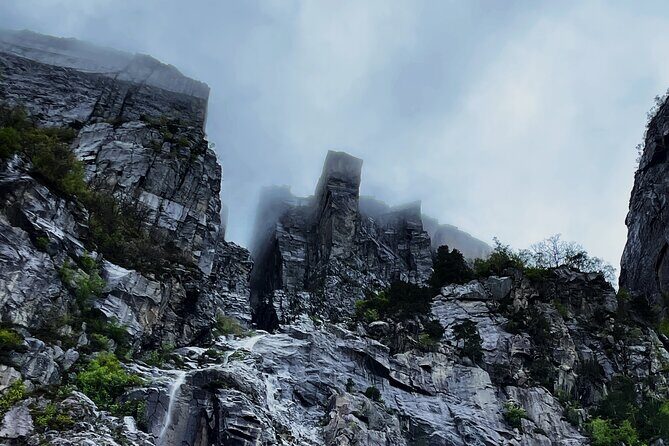
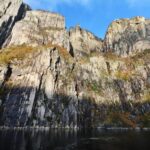
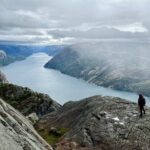
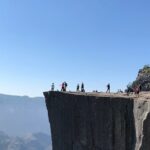
No Stavanger fjord trip feels complete without Pulpit Rock, called Preikestolen. The cliff is famous worldwide, and the big reason it grabs attention is its shape: it appears like a huge “pulpit” set high above the water, with a dramatic overhang.
The tour frames it with the long timeline behind the rock—shaped by glacier ice about 10,000 years ago at the end of the last ice age. Then the captain adds the human layer: stories of early discovery and historic ascents, plus pop-culture references that you might recognize from film and stunt talk.
What I like is how the boat positions you. Instead of giving you a distant view, the captain sets up for a front-row view from the water so you can see the cliff face and scale from a perspective most people don’t get. It’s also a chance for photos that don’t look like “another scenic stop,” because you’re literally standing on the shoreline’s side of the story—well, from the water side.
This stop is around 10 minutes and the ticket is free as part of the experience.
Stop 3: Hengjanefossen (Whisky Falls) at the base level
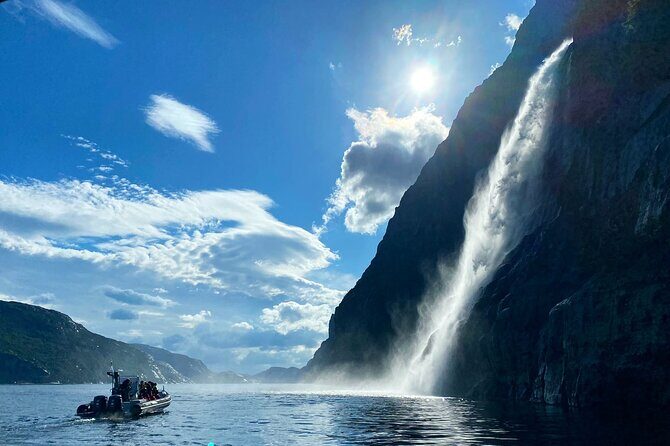
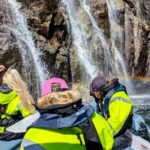
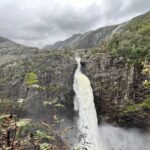
Then comes the payoff for nature lovers: Hengjanefossen, also nicknamed Whisky Falls. The waterfall is 75 meters tall and it doesn’t fall as one single clean curtain. Instead, it breaks into a tangled cascade of streams that weave together as they drop, forming a misty haze around the cliff.
You approach right up to the base, which changes everything. From far away, waterfalls are mostly shape and sound. At base level, you feel the spray, hear the roar clearly, and notice the water texture—how it splits and reunites in motion.
I also appreciate the way the tour explains the name. The nickname is tied to a moonshine distillery that once operated nearby, run by a German man named Heinrich Mohr. Even if you don’t know anything about that local story, it gives you a reason to care while the mist hits your face.
You’ll spend about 10 minutes here, with admission included. The tour even notes you can grab a drink if you want, with the runoff described as crystal clear. (The nickname is playful; don’t treat it as a literal promise.)
What the ride feels like: thrilling, bumpy sometimes, and still controlled
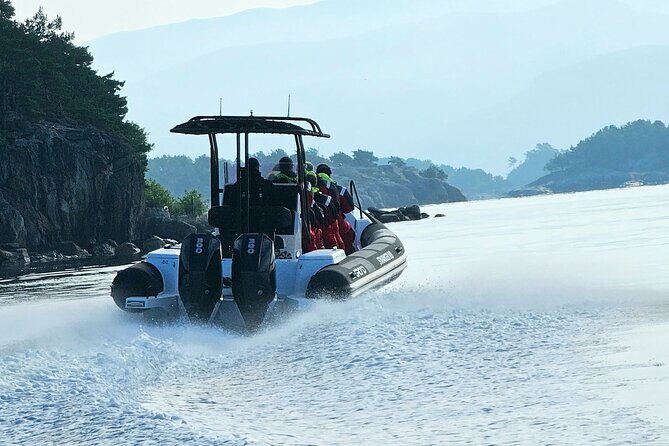
A RIB safari is not a glassy-surface, hold-your-drink calm ride. The fjord waters can be choppy, and you may feel the boat bounce. That said, this tour is clearly built around safety and comfort.
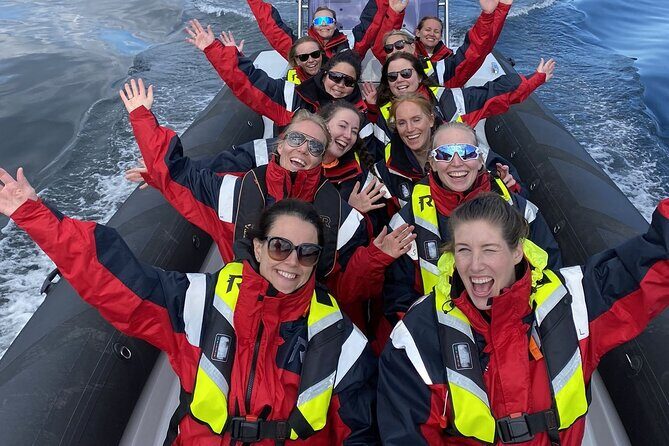
Across the experience, the most praised theme is that you stay warm and dry. Full-body suits, goggles, and gloves help you handle spray and wind. Many reviews highlight feeling safe the entire time, and even a “bumpy” ride can still feel secure because the crew handles speed and positioning with confidence.
If you’re doing this with a family, it’s worth knowing this is often considered a solid choice for all ages who can handle a fast boat. But if you’re someone who hates motion or gets seasick easily, you’ll want to think twice and plan accordingly.
Practical value: is $149.62 worth it?
At $149.62 per person for about two hours, you’re paying for three things that are hard to replicate on your own:
First, you’re paying for proximity. Stopping at Pulpit Rock from the water and reaching the base of Hengjanefossen is the kind of “up close” access you can’t get by public transport or a simple walking plan.
Second, you’re paying for speed plus coverage. The RIB format covers more fjord in less time than slower boats, which matters when you’re only in Stavanger for a short window.
Third, you’re paying for comfort equipment. The tour provides safety gear and cold-weather protection. That can reduce the cost and hassle of figuring out what to wear in Norwegian shoulder-season weather.
So the value is strongest if you want an active fjord experience—fast, scenic, and close to the action—without having to bring specialized cold-weather gear yourself.
Who should book this RIB safari (and who might skip it)
Book it if you want:
- dramatic fjord landmarks with time on the water close up
- a small-group feel that keeps the stories from turning into background noise
- a tour that takes cold weather seriously with suits, goggles, and gloves
- a fun, adrenaline-leaning way to see Lysefjorden
Consider skipping or double-checking if:
- you strongly dislike speed or motion in small boats
- you have limited tolerance for wind and spray (even with gear)
- you were hoping for a relaxed, sightseeing-only cruise with minimal movement
This is also a good pick for couples and families, especially if you want something that feels different from museums and scenic overlooks. It’s often described as a highlight of a Stavanger trip—and for good reason: fjords are stunning, and this format helps you experience that in motion.
Booking tip: what to wear so you enjoy the ride
Even with provided suits, you’ll still want your own basics to match the conditions. Here’s what I’d plan for based on the way the boat works and what people recommend.
- Wear water-friendly shoes (rain and spray happen).
- Bring warm layers if you tend to run cold. The gear helps, but wind can still bite.
- If you have your own gloves you like, consider bringing them. People have suggested extra gloves for warmth on rainy, cold days.
- If you’re traveling in shoulder season, assume you’ll be glad you showed up prepared.
The tour also specifically notes it checks back-onboard timing for cruise passengers, so show up early enough to get geared up before the boat leaves.
Should you book the Lysefjorden & Pulpit Rock RIB-Safari from Stavanger?
Yes, if your idea of a great Norway day includes real fjord scenery plus a fast, hands-on way to see it. The combination of small group size, captain-led stories, and the chance to get very near to Preikestolen and Hengjanefossen makes this feel like more than a standard sightseeing activity.
The only real reason to hesitate is weather tolerance. It requires good weather, and even when the day turns rainy, you’ll be more comfortable if you dress for wind and wet conditions. If you’re the kind of traveler who enjoys motion and wants to maximize views in a short time, this is one of the most satisfying ways to spend two hours in Stavanger.
FAQ
FAQ
How long is the Lysefjorden & Pulpit Rock RIB-Safari?
It’s approximately 2 hours.
How much does it cost?
The price is $149.62 per person.
Where does the tour start and end?
It starts at Stavanger RIBStrandkaien 37, 4005 Stavanger, Norway, and ends back at the same meeting point.
Is the tour offered in English?
Yes, it’s offered in English.
What’s included in the price?
You get a two-hour guided RIB tour, a seasoned captain, and all necessary safety equipment including lifejacket and floatation suit, plus extra protective gear for colder days like goggles and gloves.
What should I bring or pay for myself?
Parking fees near the meeting point are not covered. You should also plan to bring your own footwear suitable for wet and windy conditions since you’ll be on the water.
How big is the group?
The tour has a maximum of 12 travelers.
What happens if the weather is poor?
The experience requires good weather. If it’s canceled due to poor weather, you’ll be offered a different date or a full refund.
What is the cancellation cutoff?
You can cancel up to 24 hours in advance for a full refund. If you cancel less than 24 hours before the start time, the amount you paid will not be refunded.