REVIEW · TROMSO
Tromsø: All inclusive Aurora Hunt with photos, food & drinks
Book on GetYourGuide →Operated by Wandering Owl · Bookable on GetYourGuide
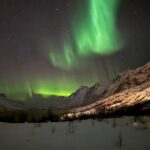
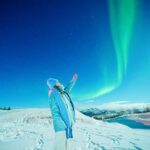
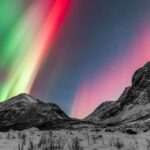
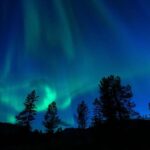
The Arctic nights can feel endless until the sky finally answers. This Tromsø aurora hunt is built for that wait, with thermal gear and real photo support so you’re not just watching, you’re capturing.
I really like how the guides use current weather info to move you into better microclimates, even pushing the trip toward the Finnish border when Tromsø is cloudy. I also love the campfire rhythm: soup, hot chocolate, and time to talk while you hunt—and the guides keep helping with camera settings so your shots stand a chance.
One thing to consider: there’s no guarantee you’ll see the Northern Lights on the night you go, because clouds and aurora activity decide the outcome.
In This Review
- Key things you’ll notice on this Aurora hunt
- Meeting in Tromsø and getting outfitted for the cold
- The drive for clear skies: microclimates and Finland-border gambles
- Campsite waiting: thermal suits, bonfires, and that long exhale
- Two stop types that matter: viewpoint time and photo-first pacing
- Photo help that goes beyond holding a camera
- Dinner by the campfire: vegan soup, hot chocolate, and staying put
- Citizen science in the Arctic: doing more than sightseeing
- Safety and driving comfort on icy roads
- Price and value: why $220 can make sense here
- What it’s like for different types of people
- Quick logistics you should plan for
- Should you book this Tromsø aurora hunt with Wandering Owl?
- FAQ
- Where do I meet for this Northern Lights tour in Tromsø?
- How long is the tour?
- Is the tour in English?
- What’s included with the tour price?
- Do I need to bring warm clothes if thermal suits are provided?
- Is it guaranteed that we will see the Northern Lights?
- Are there limitations on who can join?
Key things you’ll notice on this Aurora hunt
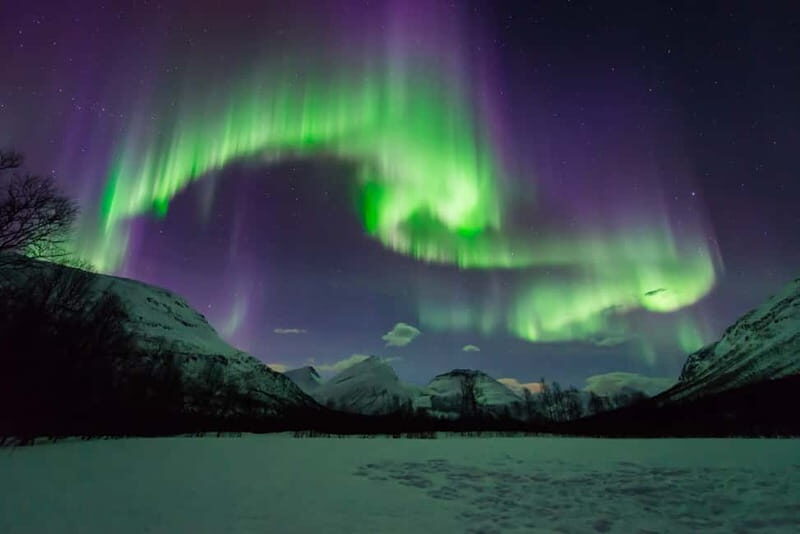
- Small group size (max 15) keeps the hunt more flexible and less chaotic when conditions change.
- Tripod + head torch setup means you’re not trying to improvise in the dark.
- Route scouting away from light pollution can include drives to the Finland border when needed.
- Campfire warmth with homemade food turns the wait into something you actually enjoy.
- Guides blend stories, culture, and science so you get context while you’re watching.
- Citizen science participation may be included when conditions allow, adding purpose beyond photos.
Meeting in Tromsø and getting outfitted for the cold
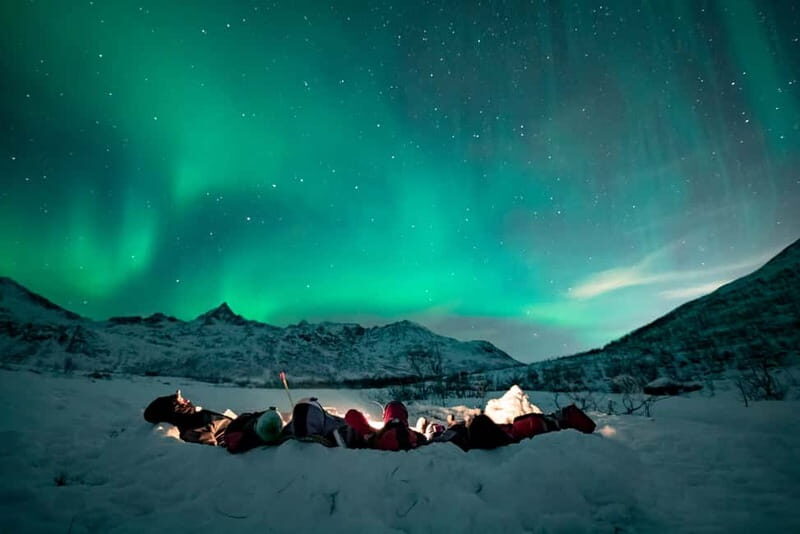
Most nights start in the same practical way: you meet in front of Scandic Ishavshotel at Fredrik Langes Gate 2. From there, your guide takes care of the quick intro, then the mission begins—leaving the city’s light pollution behind as soon as possible.
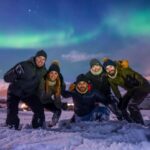
Once you’re ready, you’ll get the “survive-the-arctic” kit: thermal suits, winter boots, hats, and mittens (plus head torches). Even if you dress carefully, this gear is a big value add because it’s made for the cold, not just warmth in a pinch.
A quick tip: bring the right base layers anyway. The tour info asks for warm clothing, wool socks, gloves, and a headscarf, and that’s smart because wind + wet snow + sitting still can drain heat faster than you expect.
You can also read our reviews of more food & drink experiences in Tromso
The drive for clear skies: microclimates and Finland-border gambles
Here’s the core strategy of this aurora hunt: you don’t lock yourself into one spot and hope. Your guide decides the route based on the most up-to-date weather forecasts, and you may drive to different remote destinations depending on cloud cover.
Tromsø has lots of microclimates, so it’s possible to find clear skies even when the city looks socked-in from where you start. In the best scenarios, guides go further—accounts highlight long-distance pushes all the way toward Finland when they need a cleaner sky.
This matters because Northern Lights viewing is brutally conditional. Even a thin layer of cloud can erase the show, and light pollution can soften your view. A flexible route gives you more chances of finding darker, clearer conditions, and that’s what you’re paying for with the higher price than the cheapest buses.
Campsite waiting: thermal suits, bonfires, and that long exhale
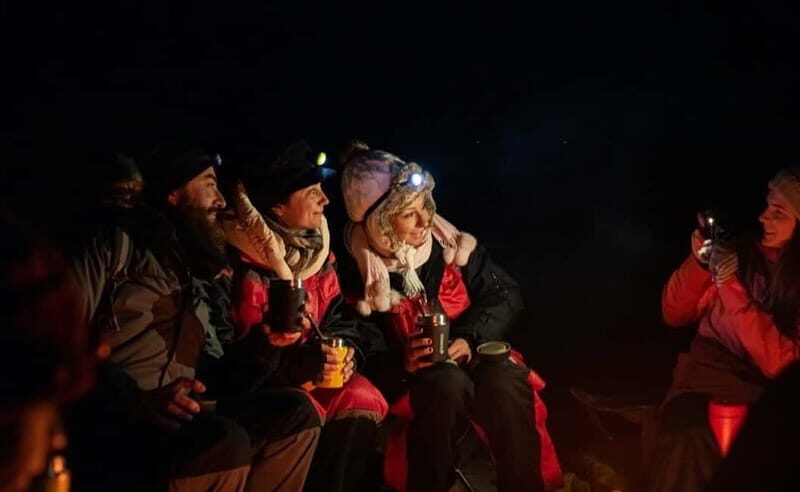
When you finally reach a good-looking spot, you’re not standing in street clothes. You’ll change into your thermal suits and settle in to wait for the lights to appear.
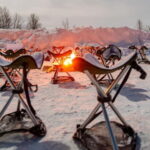
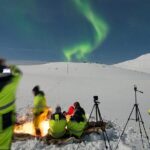
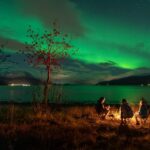
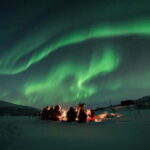
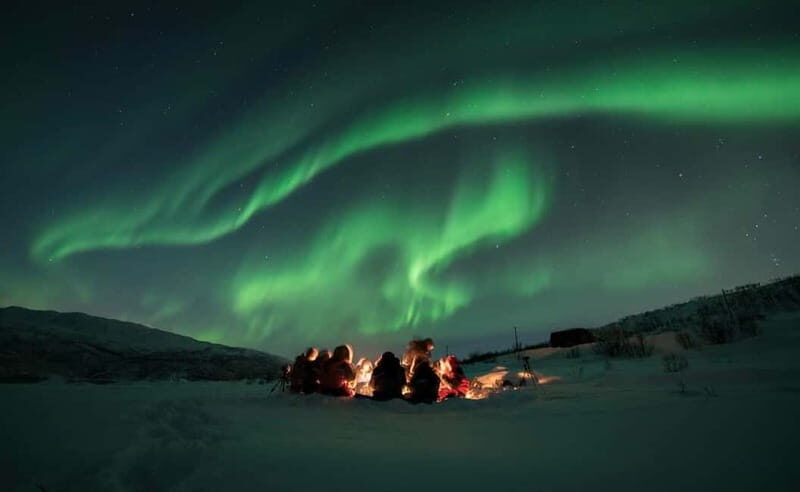
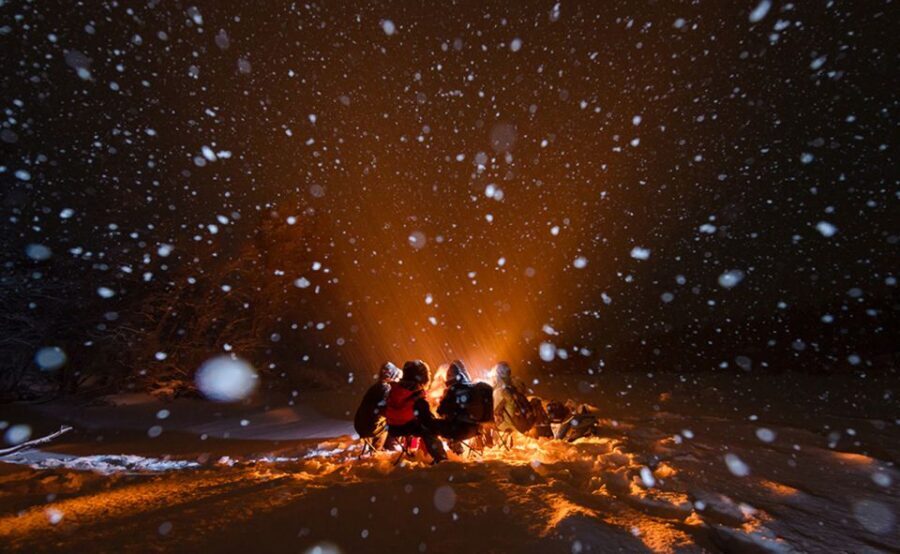
If conditions allow, the team makes a bonfire. That detail sounds simple until you’ve watched the sky get dark enough to feel your fingers start negotiating with physics. The campfire breaks up the waiting, and it keeps everyone in a comfortable rhythm instead of frantically shifting from foot to foot.
The tour also involves a small amount of walking. It’s not extreme, but you’ll want proper warm footwear and socks you trust, because slipping on packed snow is the last way to ruin an aurora night.
Two stop types that matter: viewpoint time and photo-first pacing
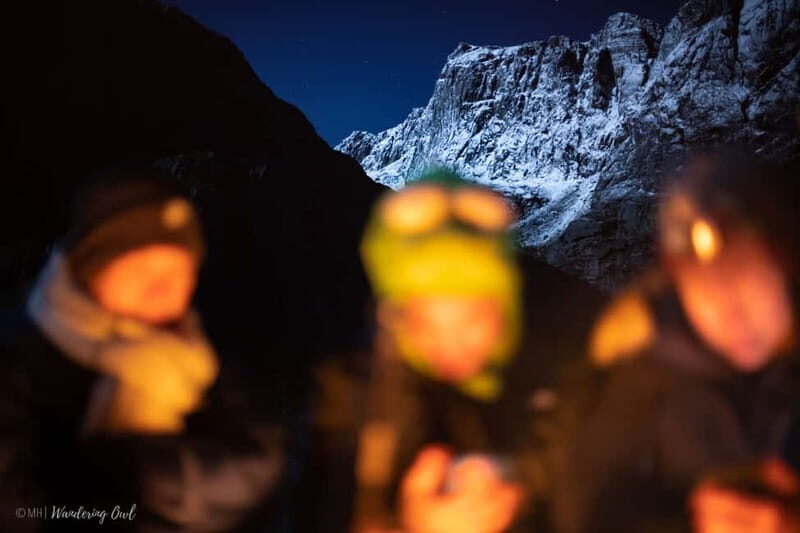
The experience is paced around two key moods: scanning the sky slowly, and then getting serious about photography.
First, there’s a viewpoint phase designed for viewing and pictures. Expect a set stretch of time where your guide helps you frame what you’re seeing and get comfortable with long-exposure basics. You’ll use tripods and head torches here, which is a huge advantage because aurora photos are hard to hold steady without support.
Then you shift back to campsite time for the meal and more waiting. The campsite segment is where you’ll see the night become social: you talk, you warm up, and you keep looking for gaps in the clouds or bursts of activity.
What I like about this two-part structure is that it doesn’t treat aurora viewing like a conveyor belt. It gives you enough time at each stop to learn the sky’s behavior that night.
Photo help that goes beyond holding a camera
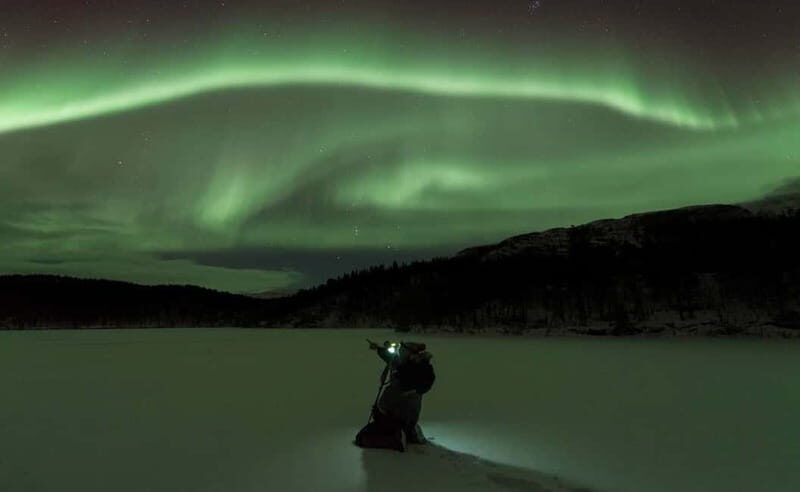
The tour includes tripods and head torches, and the guide actively assists with camera setup. You’ll also get guidance on how to capture the aurora, which matters because a lot of people show up with the gear and still end up with dark, blurry results.
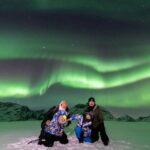
There’s also an important bonus: the guides take additional photos and share them with you after the trip as souvenir images in web-sized resolution.
From the experience details, and from the consistent patterns in guide comments, the best results come from small coaching moments: where to point, how to steady your frame, and how to adjust settings for the light level. The tour info also nudges you to charge your camera battery and, if possible, bring a spare—good advice because cold drains power fast.
If you’re the type who wants to do it all yourself, you still get value here. If you’d rather focus on watching and let the guide handle part of the photography, you can do that too.
A few more Tromso tours and experiences worth a look

Dinner by the campfire: vegan soup, hot chocolate, and staying put
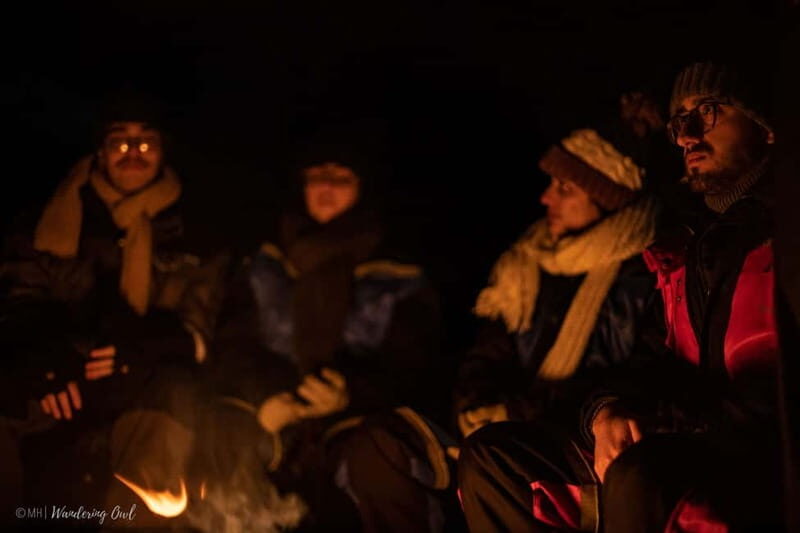
The food is not an afterthought. Your night includes homemade vegan soup and biscuits, plus hot chocolate to drink while you wait.
Many accounts call out the warmth of the food timing: soup and hot chocolate arrive when the group has already spent time outside. That means you can actually digest, refuel, and then return to aurora mode without rushing back to the city.
Campfire meals also change the tone of the night. It becomes less like chasing an attraction and more like hanging out in the Arctic winter with a small group who also cares about the sky. That’s why the campfire is often mentioned as a highlight, especially when guides make the fire setup feel cozy and deliberate.
Diet note: the tour info says you should inform the supplier in advance about dietary allergies. The menu is vegan, but allergies are personal, so planning ahead is smart.
Citizen science in the Arctic: doing more than sightseeing
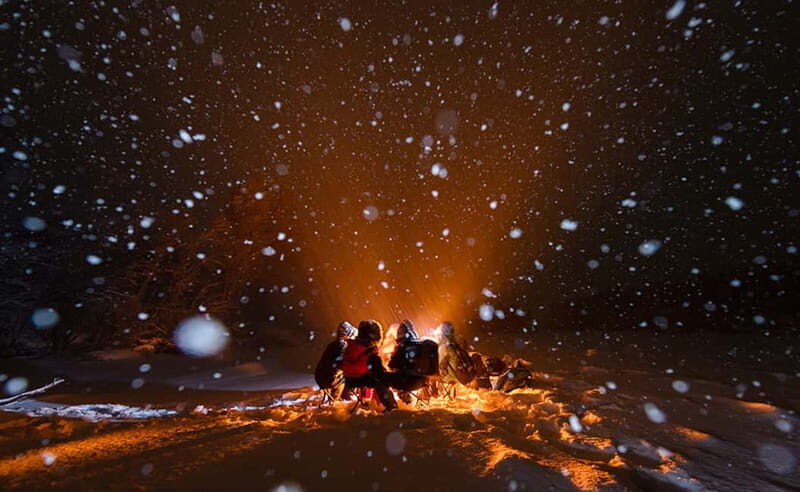
One of the more interesting angles is that the hunt can include citizen science participation. The tour follows a scientific method to collect data when conditions are suitable, and then that data is uploaded to research partners.
You’re also told that the work supports environmental studies and ties into a Responsible Tourism Project with local professionals.
This won’t replace the magic of the lights, but it adds meaning to the hours outside. When you’re sitting still in the cold waiting for the sky to do something dramatic, it helps to know your effort isn’t just entertainment. It’s also an environmental mindset: conservation, regenerative travel, and protecting Arctic nature are stated priorities.
Safety and driving comfort on icy roads
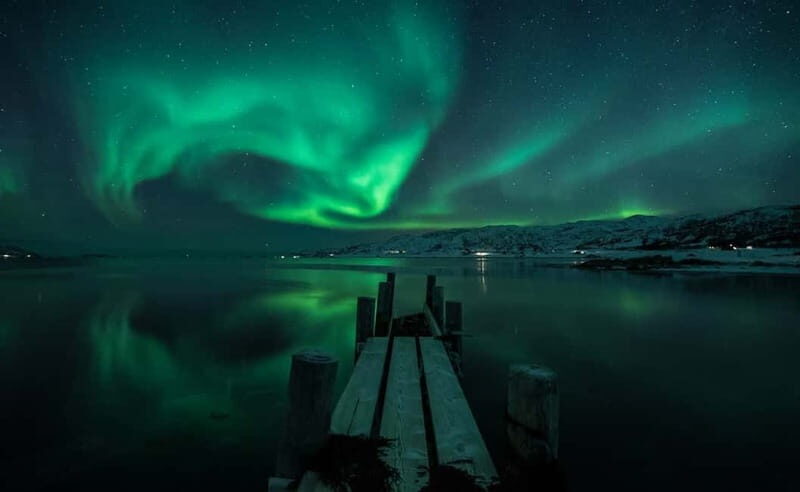
Aurora hunts live or die by safety. The tour is driven by a dedicated driver, and the group stays in a vehicle while routes change with forecasts.
From the experience notes, your guide also manages the night with group coordination, and there are specific reminders to dress warmly and follow instructions. The tour includes multiple city-center drop-off options, which reduces the “walk alone in the dark” problem many people worry about in Tromsø.
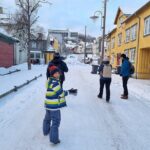
Still, conditions can be tough. Snow and ice can make sidewalks slick, and the tour itself involves time outdoors at remote stops. If you’re sensitive to cold or uneven terrain, plan to dress more than you think you need.
Price and value: why $220 can make sense here
At $220 per person for an 8-hour outing, this isn’t the cheapest way to chase aurora. But it’s also not just a ride to the countryside.
Here’s where the value shows up: thermal suits and winter boots are included, plus tripods and head torches. You also get homemade vegan soup, hot chocolate, and biscuits. Then there’s the photo package after the tour and active help during the hunt, including routes that can push toward Finland when the weather demands it.
If you compare this to tours that skip a lot of those pieces, it starts to look like you’re paying for three things:
- Better chance of clear skies through flexible routing
- Better comfort while waiting (the thermal gear and camp setup)
- Better odds at photos through tripod support and guide coaching
The main value-risk is the one thing you can’t buy your way around: you can still miss the lights if cloud cover wins. The company explicitly states there’s no guarantee, which is honest and important for your planning expectations.
What it’s like for different types of people
This tour fits best if you want a guided night with structure: someone watching the sky with you, helping with photos, and keeping the group warm with a clear plan.
It’s especially good for first-timers to aurora photography. The included tripods, head torches, and active camera help reduce the “I hope I did it right” feeling afterward.
Small-group pacing is also a big plus. With a maximum of 15 participants, you’re less likely to feel packed in at the viewing stop, and the guides can adjust when the conditions change.
Not a match if you need full mobility support. The info lists people with mobility impairments as not suitable, and it also sets a limit of 300 lbs (136 kg).
Quick logistics you should plan for
Toilets are limited. The tour notes a gas station stop during the drive, and otherwise you’ll need to use the forest. That means you’ll want to plan ahead before you settle into the long wait outside.
You also should expect a bit of walking. It’s not a hike, but you’ll step in and out around stops, and you’ll stand outdoors to photograph.
You’re meeting at Scandic Ishavshotel, and then you’ll finish back in Tromsø with multiple drop-off locations in the city center. That’s convenient after a late night because it keeps you near where you want to sleep.
Should you book this Tromsø aurora hunt with Wandering Owl?
I’d book it if you want an all-in aurora night: thermal gear, tripod photo support, campfire warmth, and guides who actively work the weather and camera side of the experience. The included vegan soup and hot chocolate also make the long wait feel humane, not miserable.
Skip it only if you strongly dislike cold outdoor time or you know remote winter logistics won’t work for you (limited toilets, outdoor waiting, and the small amount of walking). And go in with the right expectation: this is a chase, not a booked guarantee. Your best chance comes from letting the guide do what they’re trained to do—move fast, find clear sky, and then help you make the most of it.
If that sounds like your kind of night, this is a solid value for the comfort and photography support you get at $220.
FAQ
Where do I meet for this Northern Lights tour in Tromsø?
You meet in front of Scandic Ishavshotel, Fredrik Langes Gate 2, 9008 Tromsø. Your guide meets you in front of the main entrance.
How long is the tour?
The duration is 8 hours.
Is the tour in English?
Yes, the live tour guide speaks English.
What’s included with the tour price?
Included items are thermal suits, winter boots, hats, mittens, tripods and head torches, homemade vegan soup, hot chocolate, biscuits, souvenir photos (web-sized resolution sent by email), and citizen science participation if conditions are suitable.
Do I need to bring warm clothes if thermal suits are provided?
Yes. The tour provides thermal suits and winter boots, but you still need warm base layers and winter gear like a hat, gloves, warm socks, scarf/headscarf, and weather-appropriate clothing.
Is it guaranteed that we will see the Northern Lights?
No. There is no guarantee of seeing the Northern Lights, but the guide will do their best based on weather and conditions.
Are there limitations on who can join?
The tour is not suitable for children under 6, people with mobility impairments, and people over 300 lbs (136 kg). Pets aren’t allowed (assistance dogs are allowed).