REVIEW · BODO
Bodø: Arctic Coastal Walk
Book on GetYourGuide →Operated by Stella Polaris AS · Bookable on GetYourGuide
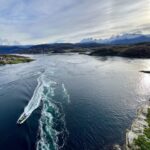
Salt air beats museum walls. On the Bodø Arctic Coastal Walk, you get that Nordland brand of friluftsliv by walking the edge of the Arctic with wildlife and weather right in your face. I love how close you get to the Arctic coastline (including chances to spot birds and even dip your fingers), and I love that the guide ties what you see to local history from the Stone Age through Viking times. The main drawback to watch for is simple: the weather can turn fast, and wind plus cold can feel sharper than you expect if you’re not packed for it.
You start at the Hurtigruten quay, then take a short bus ride to the beach and move out along the shore as a small group (up to 15). By the end, you warm up with hot tea and a final loop of stories before the bus returns you to Terminalveien 2408. This is the kind of tour where preparation matters almost as much as curiosity.
In This Review
- Key things that make this walk worth your time
- Bodø’s Arctic coast in 2.5 hours: what you’re really buying
- From Hurtigruten quay to the beach: timing, flow, and why it works
- The shoreline walk: seashell hunting, toe-dipping, and weather that keeps you awake
- Learning Stone Age through Vikings while your feet stay on the ground
- Wildlife odds: white-tailed sea eagle and coastal neighbors
- Gear that matters in Bodø wind: what to pack beyond the basics
- Tea at the end: why the small comforts change the whole experience
- Price and value: is $68 fair for this Arctic walk?
- Who should book this, and who should skip it
- Should you book the Bodø Arctic Coastal Walk?
- FAQ
- Where do I meet for the Bodø Arctic Coastal Walk?
- How long is the tour, and how much is walking?
- Is the guide available in English?
- What should I bring and what gear is included?
- Is this tour suitable for wheelchair users or limited mobility?
- Can I cancel and get a full refund?
Key things that make this walk worth your time
- Arctic shore time on foot: real walking along the Norwegian Sea, not a quick photo stop.
- History you can look at: Stone Age context, then a closer look at a nearby Viking grave.
- Wildlife potential: you may see the white-tailed sea eagle, plus local birds and other coastal life.
- Weather-tested comfort: hot tea near the end helps you recover from wind and spray.
- Guide-led pace: small group size keeps questions easy and the story tied to what you’re seeing.
- Season-ready footing: hiking poles included, and crampons in winter for traction.
Bodø’s Arctic coast in 2.5 hours: what you’re really buying
This tour sells a specific feeling: you step off a bus and onto the Arctic shoreline, then you walk it with a guide who explains what’s around you. You’re not just sightseeing. You’re practicing the Nordic idea of getting outside because it’s good for you, not because it’s convenient.
For me, the value is in the combination. You get coastline time (salt air, changing light, and the texture of rocks and tide zones) plus history that’s meant to be understood while you’re standing in the environment. And if wildlife cooperates, you’re in the right habitat for serious birds—especially the white-tailed sea eagle.
That said, you’re paying for outdoors time, which means you should treat the tour like a walk you’re dressing for, not a climate-controlled activity. When the wind rises, you’ll feel it.
You can also read our reviews of more walking tours in Bodo
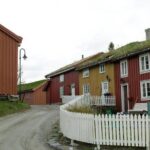
From Hurtigruten quay to the beach: timing, flow, and why it works
The day starts with you meeting your guide at Terminalveien 2408, 8006 Bodø. Then it’s a short bus ride—about 10 minutes—to a nearby beach where the walk begins.
That setup matters more than it sounds. It keeps the experience focused: you’re not spending half your “hike time” on transfers. You also get a feel for how close this is to the cruise rhythm in Bodø, because the meeting point is tied to the Hurtigruten quay area.
On the ground, the guided part is about 2 hours along the shore, followed by another bus ride back to the same pickup area. You’ll also have a toilet on the bus, which is a small comfort when you’re dealing with changing weather.
If you hate waiting around, arrive a bit early. Even when the tour is well organized, you may find a short wait before departure as the group gathers and they get everyone positioned.
The shoreline walk: seashell hunting, toe-dipping, and weather that keeps you awake
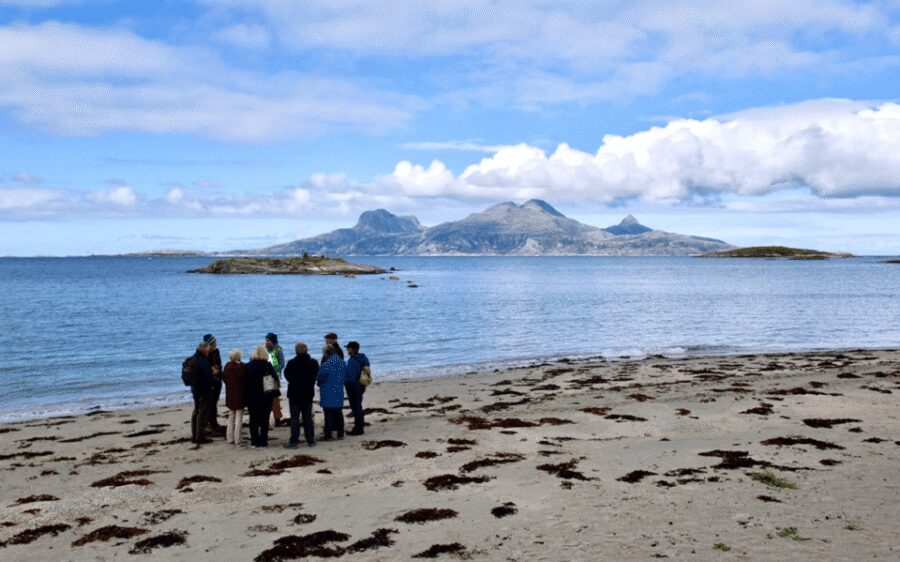
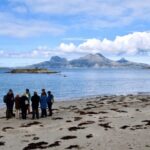
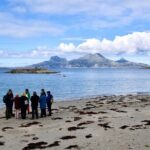
Once you start, you follow the coast at a steady outdoors pace. Along the way, you’ll have chances to search for seashells, and you can dip your fingers—or your toe—in the Norwegian Sea if you feel up to it.
This is one of those “simple pleasures” tours. It’s not about a big elevation change or a tough scramble; it’s about staying observant. Coastal geology and shoreline shapes are easier to understand when you’re walking next to them, rather than looking at them from a distance.
The air is part of the show. Expect salty, fresh coastal wind that can flip your comfort level fast. The guide’s explanations help you keep your attention on the right things—rock types, coastal features, and why this spot feels the way it does in different seasons.
The drawback is that Arctic weather is not a gentle partner. You can go from calm to windy or wet quickly, so if you’re wearing “almost waterproof” outerwear, you’ll notice. Plan as if the day could get colder and wetter than forecasted.
Learning Stone Age through Vikings while your feet stay on the ground
What makes this walk stand out is that the history isn’t dumped as a lecture. You get points of interest along the route, and the guide connects the stories to the place you’re standing in.
You’ll learn about Norway’s history from the Stone Age until more recent times, with time spent on a closer look at a Viking grave in the area. That mix is useful because it changes the view from scenery to evidence. Instead of memorizing dates, you start to understand why people were living here, traveling here, and burying family here.
If you’ve visited other parts of Bodø, you might notice overlap in themes—coastal life, local survival, and how the landscape shaped people. That’s normal. But on this walk, the benefit is that you get to link the “why” to the shoreline you’re walking.
One tip: take a few photos as you go, but don’t lock in on your camera the whole time. The guide’s best info lands when you’re standing where the story points.
Wildlife odds: white-tailed sea eagle and coastal neighbors
Wildlife is a big reason people choose this tour, and it’s not just wishful thinking. The guide will be looking for local birds and other coastal life, and you have a real shot at seeing the white-tailed sea eagle—the largest bird of prey in Europe.
Even if the eagle doesn’t show itself, you’re still in habitat that supports smaller seabirds and coastal species. The guide’s job is to help you see what’s there without turning the day into a long, silent waiting game.
This matters for your expectations. An eagle sighting is never guaranteed on an outdoor walk, but the tour is built around observation—so you’re doing more than scanning mindlessly. You’re learning what to look for and how to interpret the coastline from a wildlife perspective.


Gear that matters in Bodø wind: what to pack beyond the basics
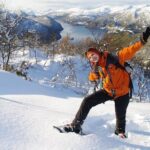
You’ll be outside for roughly 2 hours of walking, plus bus time. The weather range can be wide—from rain to snow in winter conditions, with colder and warmer days all possible. That means your clothing strategy is not optional.
I’d treat this as a “wind and water” day first, warmth second. Bring:
- Warm layers (you can remove layers if the sun comes out)
- A wind- and waterproof outer layer
- Hiking pants
- A hat and gloves
- Sturdy waterproof shoes or hiking shoes
- Rain gear
- Your camera
The tour provides hiking poles, which is a smart inclusion for balance on rocky or uneven coastal surfaces. In winter, crampons are provided for added traction, which tells you they actually expect slippery ground at times.
A practical note from what I’ve learned from similar Arctic walks: wind-driven wetness is what gets people. If your rain gear is just a jacket and your legs are uncovered, you may end up chilled even if you started warm. If rain pants are available to you, pack them.
Also, leave alcohol and drugs out of the plan, and don’t litter. That sounds obvious, but it matters more in small-group nature tours.
Tea at the end: why the small comforts change the whole experience
By the end, you warm up with a cup of tea. It’s not fancy. It’s practical—and it helps you reset when your hands, face, or feet have been fighting cold wind.
This tea stop also gives the group a chance to settle into the stories you heard along the walk. Guides often use this time to connect the dots: what you saw on the shoreline, how people lived here, and what to look for on future walks around Bodø.
If you’re the type who worries you’ll be too cold to enjoy the experience, the tea is a real reassurance. You’ll still feel the weather during the walk, but you’ll have a planned moment to recover.
You may even get a small taste of mead during the route, depending on how your guide structures the experience. One thing you can count on is that the guide will be friendly and tuned to keeping you comfortable while staying focused on the outdoors.
Price and value: is $68 fair for this Arctic walk?
$68 per person for a 2.5-hour experience sounds like a lot until you break down what’s included and what costs real money in the Arctic: guiding time, small-group staffing, and winter gear like crampons (when needed). You also get hot tea and hiking poles, plus the bus hop that keeps the walking focused.
The value lands best if you want three things at once:
- A guided shoreline walk instead of a self-guided wander
- Local history tied to place (Stone Age to Vikings, plus a Viking grave)
- Wildlife-focused observation in a setting where nature rules the schedule
If you’re mostly looking for a quick coastal photo session, this might feel pricey because the experience is built around walking time and learning time. And if you’ve already done similar Bodø nature tours where the same core stories get repeated, you may notice some overlap in the themes.
For me, the strongest argument for the price is the combination of place-based history and wildlife interpretation, with practical support like poles and a planned warm-up.
Who should book this, and who should skip it
This tour fits best if you:
- Enjoy walking outdoors and can handle wind and wet weather
- Want real context for the Bodø coast, not just views
- Like wildlife and are okay with the fact that sightings can be hit or miss
- Prefer small groups (max 15) so the guide can answer questions
It’s not recommended for people with limited mobility, and it’s not suitable for wheelchair users. The route includes shoreline conditions that aren’t described in a way that suggests smooth, flat surfaces.
If you’re prone to getting chilled fast and you don’t have proper wind/water protection, you’ll struggle. This is especially true in winter or shoulder seasons when the Arctic weather can swing.
Should you book the Bodø Arctic Coastal Walk?
I’d book it if you want a guide-led walk that connects Bodø’s coast to its history and wildlife, in a small group with warm tea waiting at the end. It’s a good “first Arctic experience” too, because the walking time is manageable and the focus stays on learning how to read the coastline.
I wouldn’t book it if you’re chasing a leisurely, comfortable nature stroll with predictable weather. This tour is built for the outdoors, which means you need to dress like the wind has opinions. If you do that, you’ll get a memorable Bodø experience that feels genuinely local—part friluftsliv, part history walk, and part wildlife watch.
FAQ
Where do I meet for the Bodø Arctic Coastal Walk?
You meet your guide at Terminalveien 2408, 8006 Bodø, Norway.
How long is the tour, and how much is walking?
The tour lasts about 2.5 hours. About 2 hours is a guided walk along the shore, with bus rides of about 10 minutes each way.
Is the guide available in English?
Yes. The live tour guide offers English and Norwegian.
What should I bring and what gear is included?
Bring warm clothing, waterproof wind and rain gear, sturdy waterproof shoes or hiking shoes, hiking pants, a hat, and gloves (plus a camera if you want photos). The tour includes hiking poles, hot tea, and in winter you may receive crampons.
Is this tour suitable for wheelchair users or limited mobility?
No. It is not recommended for people with limited mobility and is not suitable for wheelchair users.
Can I cancel and get a full refund?
Yes. You can cancel up to 24 hours in advance for a full refund.