Coastal ice beats a museum any day. This short Arctic coastal walk in Bodø pairs stunning sea views with practical local storytelling from guides like Patricia and David. I especially like the mix of easy time on your feet and frequent stops for context, plus the fact you get spikes and poles for grip. One thing to weigh: it’s built for a moderate fitness level, so if you want a long, strenuous hike, this won’t be the one.
At roughly 2 hours total, you’re not committing a full day to the outdoors, but you’ll still feel like you’ve gotten out into the real Arctic coastal rhythm. The group is capped at 48 and it runs in English, with a local guide leading your walk and stopping at key points along the way. It also operates in all weather conditions, so you’ll want proper layers and rain/anti-wind gear.
In This Review
- Arctic Coastal Walk in Bodø: why this short walk feels like a full experience
- The small but important perks
- How the 12:45 pm schedule flows from Stella Polaris to Ausvika strand
- What happens during the actual walking portion
- The “easy” doesn’t mean “rushed”
- Ausvika strand and the coast: what you’ll notice beyond the view
- Viking-era stops and a chance at birds
- Gear for icy footing: spikes, poles, and why you shouldn’t wing it
- Headlamps on darker days
- How to use the gear without overthinking it
- What you learn: local history from guides like Patricia and David
- Listening while still enjoying the outdoors
- Group size, language, and how the walk stays organized
- A practical tip: be ready for weather talk
- Price and value: is $70.12 worth it in Bodø?
- When the price feels less worth it
- Weather reality in Bodø: how to dress so the walk stays fun
- If visibility is low
- Who should book this Arctic Coastal Walk (and who should skip it)
- You might want a different option if…
- Should you book this Arctic Coastal Walk? My decision checklist
- FAQ
- How long is the Arctic Coastal Walk in Bodø?
- Where does the tour start and end?
- Is the tour offered in English?
- What fitness level do I need?
- What gear is provided for icy conditions?
- What happens if the weather is poor or I need to cancel?
Arctic Coastal Walk in Bodø: why this short walk feels like a full experience
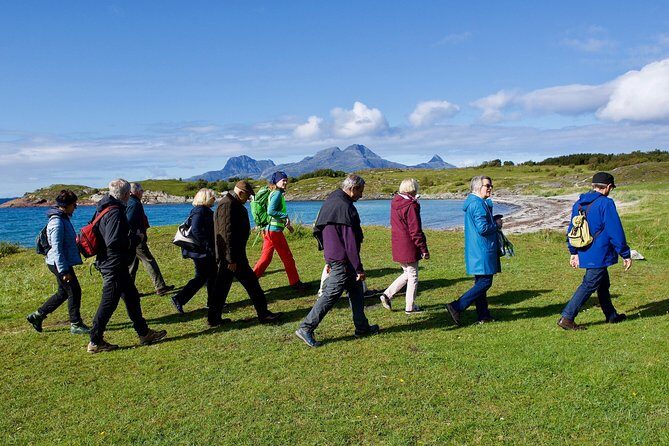
This is the kind of outing that works when your Bodø time is tight. You get a guided route along the coast that’s scenic enough to keep you looking up and out at the sea, and structured enough to keep you learning without turning it into a slog.
The real value is the local guide. One of the best parts of Arctic travel is that nature changes minute to minute, but most people miss the meaning of what they’re seeing. A good guide fixes that by pointing out the human story alongside the waterline—Norway’s older layers, Viking-era sites, and how people historically moved and lived here.
The walk is also timed well. At about two hours, it fits nicely between boat schedules and dinner plans in town. You’ll come away feeling you did something outdoorsy and local, not just ticking off a viewpoint.
The small but important perks
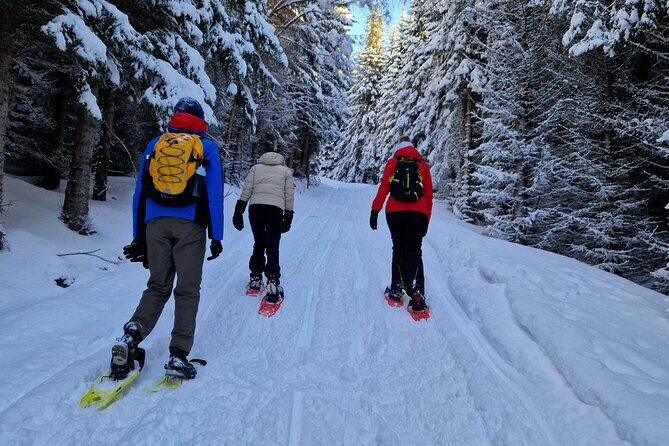
You’ll be issued spikes for slippery terrain, and you’ll have poles available too. That combination matters more than you might think—icy ground turns a casual coastal walk into a tense shuffle unless you’ve got proper grip. The guide also keeps things moving at a comfortable pace, with pauses for photos and explanations.
You can also read our reviews of more walking tours in Bodo
How the 12:45 pm schedule flows from Stella Polaris to Ausvika strand
The tour starts at the Stella Polaris Hurtigruten kai / Fergeterminal in Bodø (8006). The scheduled start time is 12:45 pm, and the activity ends back at the same meeting point.
Even though this is described as an Arctic coastal walk, the day usually feels like a quick transition to the coast. A short coach ride is part of the experience on departures where the starting trail isn’t right at the terminal. One past itinerary example included about a 15-minute ride before the walking began, which makes the whole outing feel smoother if you’re arriving by ship or just don’t want to puzzle out local routes.
What happens during the actual walking portion
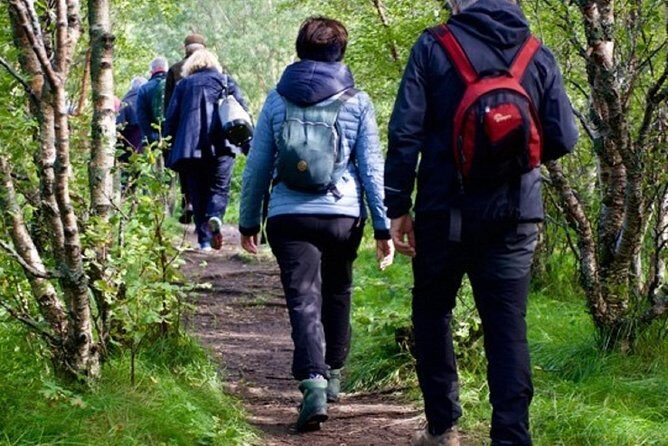
The route itself is short and designed to be manageable. You should expect around 2 km / 2.4 miles of walking at an easy pace. The best part is that the scenery keeps changing: beaches open up to sea views, then you may move through coastal forest, and the group stops periodically for the guide’s updates.
Stop 1 is at Ausvika strand, described as a beach stop. It’s quick—about five minutes—and it’s there for you to absorb the coastal setting and match what you’re seeing with the story your guide is telling.
The “easy” doesn’t mean “rushed”
Easy walking in winter or shoulder seasons still needs attention, but this tour isn’t about speed. The guide’s job is to keep you safe and give you time. In practice, that means you’re not constantly walking without breaks. You’ll get pauses for explanation and for recording the views on your phone/camera.
Ausvika strand and the coast: what you’ll notice beyond the view
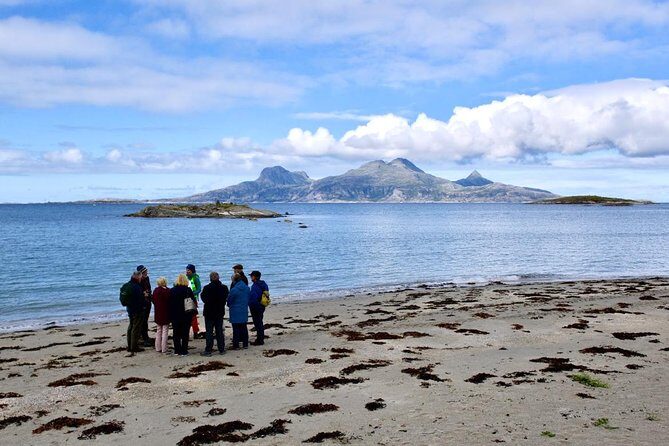
The beach here isn’t just a pretty backdrop. When you’re in the Arctic, shorelines are clues: wind patterns, the shape of the coast, and how communities have always read the water.
At Ausvika strand, you’re likely to focus on:
- Sea-and-shore contrasts: where the sand meets sea, and how the coastline bends.
- Weather effects: fog, wind, or rain can change the mood fast.
- Natural markers: your guide can connect the setting to local movement and survival.
One of the nicest parts of this style of walk is that you’re not stuck with one view the whole time. You’re moving along a real coastal route, so the “wow” factor keeps restarting as angles shift.


Viking-era stops and a chance at birds
This walk can include cultural waypoints along the route. You may pass a Viking burial ground, and the guide can tie it into the bigger story of Norway’s past and how people used these coasts.
Wildlife is a “when you’re lucky” bonus. On at least one departure, people spotted a sea eagle—described as a sea eagle or white-tailed eagle depending on the sighting. Even if you don’t see one, the point is that the guide helps you look properly instead of just scanning randomly.
Gear for icy footing: spikes, poles, and why you shouldn’t wing it
Winter Arctic conditions are where tours can either feel effortless or feel scary. This one tries hard to make it feel solid.
You get complimentary assistance with traction:
- Spikes (issued for icy terrain)
- Poles (also provided for support)
That’s a big deal if you’re used to city sidewalks. Coastal ground can go from firm to slick in a few steps, especially with melt-freeze cycles or sea spray. Spikes turn a “careful now” moment into “I can actually enjoy the scenery.”
Headlamps on darker days
On at least one winter-style outing, headlamps were mentioned along with traction gear. If you’re traveling in darker months, it’s a good sign that this operator thinks about visibility, not just footing.
How to use the gear without overthinking it
You don’t need special technique, but do pay attention when the guide shows how to clip or place the traction gear. A quick safety demo saves you from taking the first slippery slope the wrong way. Then just keep your steps shorter and let the traction do its job.
What you learn: local history from guides like Patricia and David
This tour’s history angle is one of its strongest selling points, and it comes from having a local guide in front of you—someone who can explain what you’re seeing and why it matters.
You’re likely to cover themes such as:
- Norway’s formation and how coastal living shaped life
- Viking presence and connections to burial sites
- How to interpret natural features as more than scenery
Guides in the mix can include names like Patricia and David. The common thread is that they balance facts with pacing. You won’t just get a lecture while you march past everything; you’ll get pauses for stories tied to the spot you’re standing in.
Listening while still enjoying the outdoors
The best guided walks keep your attention without stealing the view. On this one, the pattern you can expect is short explanations, then time to look and take photos. That balance is why a two-hour walk can feel longer in the best way—you’ll be present.
Group size, language, and how the walk stays organized
The tour caps at 48 people, which is big enough to be lively but still structured. In practice, it can feel calmer than the number suggests because you’re walking along a route where the pace and stops naturally regulate the group.
English is offered, and the guide set-up can also involve language grouping. On one past outing, there were separate guides leading different language groups at the same time (one for English, one for German). Even if you’re the only English group, you benefit from the same system: your guide can focus on your language without trying to translate in real time.
A practical tip: be ready for weather talk
Because the walk runs in all weather conditions, your guide’s role includes adjusting to conditions. Expect instructions on how to move on slippery ground and where to stand safely during stops.
Price and value: is $70.12 worth it in Bodø?
At $70.12 per person, this is not a bargain-bin experience. But it’s also not overpriced for what you get.
Here’s the value math that matters:
- You’re paying for a guided route, not just entry to a place.
- The tour includes traction support: spikes and poles.
- You get local context tied to the coast, including Viking-era points on the route.
- You’re buying convenience: you book online and show up at the terminal, rather than assembling a plan with timing and transport.
Also, the length helps. Two hours is long enough to feel like you experienced the coast, but short enough to avoid losing an entire day to transit and cold-weather fatigue. For many visitors, that alone makes it a good deal.
When the price feels less worth it
If you’re the type who wants a self-guided day with no structure, you might feel you could do it on your own for less. But if you value safety gear plus local explanations, the price is easier to justify.
Weather reality in Bodø: how to dress so the walk stays fun
The tour runs in all weather conditions, but the experience is also described as requiring good weather. That usually means: they’ll try to go, but if conditions are too poor, you’ll be offered another date or a full refund.
Either way, your success depends mostly on your clothing choices.
Bring or wear:
- Waterproof or water-resistant outer layers
- Warm mid-layer insulation
- Gloves and a hat you can tolerate for the full walk
- Shoes that work well with traction gear
Even with spikes, you’ll want to feel comfortable. Wind along the coast can be surprisingly persistent, and rain can turn the ground colder than you expect.
If visibility is low
When the weather is less cooperative—rain, wind, gray skies—the coast can look dramatic anyway. The key is that the guide helps you keep focus on what matters: safe footing, the route plan, and the meaning behind the places you’re passing.
Who should book this Arctic Coastal Walk (and who should skip it)
This walk is a strong fit if you want:
- A short guided outdoor experience in Bodø
- Easy-to-moderate walking at roughly 2 km / 2.4 miles
- Local historical context with real-world stopping points
- Traction gear included for icy conditions
It’s also well-suited for cruise day timing. The meeting point is at the Hurtigruten terminal, and the walk length fits well into a limited port schedule.
You might want a different option if…
This is not built for people chasing a long endurance hike. If your ideal Arctic day is 6+ hours of heavy climbing, you’ll likely want a more demanding route.
Also, if you hate gear and don’t want to deal with traction on cold ground, keep that in mind. The tour’s design assumes you’ll use the spikes and poles for comfort and safety.
Should you book this Arctic Coastal Walk? My decision checklist
Book it if:
- You want local history tied to the coast, not just a photo stop
- You like the idea of a guided walk with included winter traction
- You’re working with limited time (two hours is a realistic target)
- You want a group experience that still gives you space to enjoy the scenery
Consider waiting or choosing another option if:
- You’re looking for a strenuous trek or a long trek-like day
- You’re determined to travel fully self-guided and don’t care about organized context
- You’re arriving without warm layers and don’t plan to source them in Bodø
For most visitors, this hits a sweet spot: safe and easy enough for many bodies, guided enough to be meaningful, and short enough that you don’t feel trapped by Arctic weather.
FAQ
How long is the Arctic Coastal Walk in Bodø?
The experience lasts about 2 hours.
Where does the tour start and end?
You start at the Stella Polaris Hurtigruten kai / Fergeterminal, 8006 Bodø, Norway. It ends back at the same meeting point.
Is the tour offered in English?
Yes, the tour is offered in English.
What fitness level do I need?
You should have a moderate physical fitness level.
What gear is provided for icy conditions?
The tour includes complimentary use of spikes and poles to help with slippery terrain.
What happens if the weather is poor or I need to cancel?
You can cancel for a full refund up to 24 hours in advance. If the experience is canceled due to poor weather, you’ll be offered a different date or a full refund.