REVIEW · BODO
Moose Safari Bodo, Norway, Meet the Largest Land Animal in Europe
Book on Viator →Operated by Nordland Turselskap - Nordland Adventures · Bookable on Viator
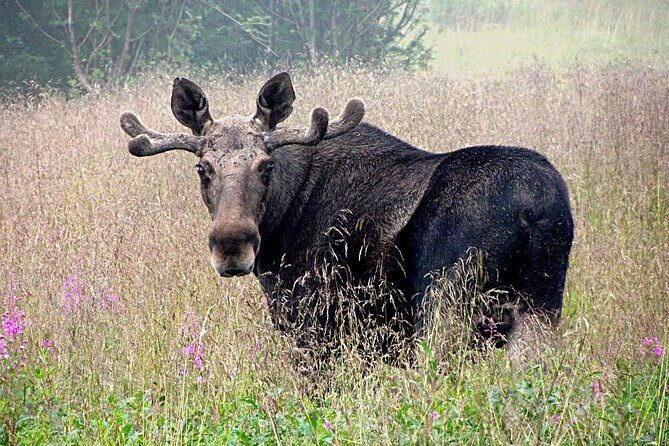
Moose after dark can change your whole trip. This 4–5 hour moose safari from Bodo mixes real animal-spotting with a guided stop at Saltstraumen, where you’ll see the tidewater churn up close. The small group cap at 15 also matters here—you get time to stop, look, and listen without a crowd elbowing you.
What I like most is the way the guides (often locals such as Ingrid or Sindre) focus on moose behavior, not just random searching. And even when the moose are taking their sweet time, the Saltstraumen stop breaks up the wait with world-class natural drama. One thing to plan for: moose can be slow to show at first, so you’ll need patience and cold-weather stamina.
In This Review
- Key highlights worth centering your plans on
- Moose Safari in Bodo: why night timing matters
- Starting at 7:00 pm from Scandic Havet: timing and the pace you’ll feel
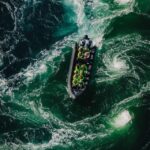
- Saltstraumen first stop: seeing Europe’s tidewater power
- How the guide finds moose: patience, silence, and local instincts
- What you might see besides moose (and why it still counts)
- Price and value: is $174.99 a good deal?
- What to wear: night temps, all-weather trips, and staying comfortable
- Who should book this Moose Safari from Bodo?
- FAQ
- FAQ
- How long is the Moose Safari Bodo tour?
- What time does the tour start?
- Where do we meet for the tour?
- How much does the tour cost?
- Is it a small group?
- Is the tour offered in English?
- What’s included in the price?
- Is food and drinks included?
- Is hotel pickup included?
- Does the tour run in bad weather?
- Should you book Moose Safari Bodo?
Key highlights worth centering your plans on
- Small-group cap of 15 keeps the experience calm and flexible as you wait for moose activity
- English-speaking guiding focused on moose habits and where to look for grazing
- Saltstraumen tide stop includes the admission ticket and delivers the strongest tidewater currents
- Night wildlife rhythm: later hours often mean more action, especially in summer light
- Wildlife bonuses happen: deer, foxes, reindeer, and sometimes a sea eagle show up too
- All-weather operation means you’ll go out even if the sky is moody, so dress for it
Moose Safari in Bodo: why night timing matters
This is a wildlife tour built around a simple truth: moose don’t behave like zoo animals. They graze when conditions fit, they move when the area feels safe, and they often show up when people are patient enough to let the landscape do its thing. Starting in the evening helps because you’re matching the natural rhythm of northern fauna.
Bodo is also a strong base for this kind of outing. You get access to moose habitat without turning your day into a complicated road trip. And because you’re with a guide who knows where moose tend to graze, you’re not spending your time guessing with binoculars.
The biggest advantage of this tour format is the mix of structure and flexibility. You’re not just driven from stop to stop. You pause, watch, and adapt based on what the night is offering. That’s how you end up with encounters that feel more like a shared moment in the wild than a checklist.
A few more Bodo tours and experiences worth a look
Starting at 7:00 pm from Scandic Havet: timing and the pace you’ll feel
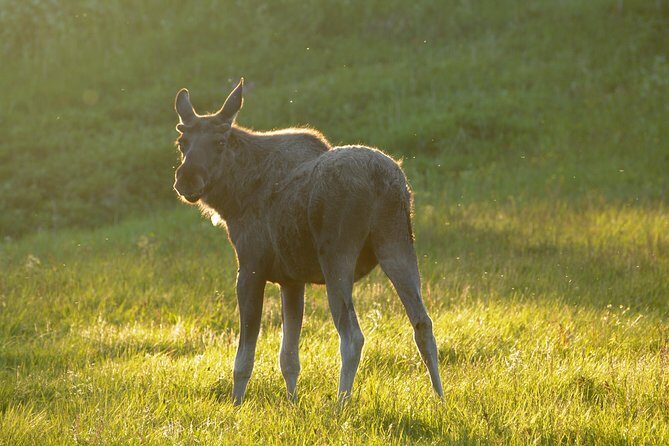
You meet at Scandic Havet (Tollbugata 5) in Bodo at 7:00 pm, and the tour ends back at the same meeting point. The total time is about 4–5 hours, and in many seasons that means you’ll likely be out deep into the evening. One common pattern in the experience is a longer return, especially when the light stays up and moose activity ramps later.
Pace-wise, plan for a mix of:
- short vehicle travel between moose-watching zones
- quiet standing and scanning from scenic pull-offs
- a key structured stop at Saltstraumen
This pacing is ideal if you like wildlife watching without the frantic sprinting. It’s also a good fit if you want photos, because there’s time to settle your posture, switch lenses, and wait for the moment rather than constantly moving.
Also note what’s not included in the planning: there’s no hotel pickup. You start at the meeting point, and you’ll get a hotel/port drop-off service back afterward. That keeps the logistics simple, but you’ll want to arrive on time and ready to go.
Saltstraumen first stop: seeing Europe’s tidewater power
One of the tour’s smartest design choices is that it starts with Saltstraumen. That’s where you get a dramatic mid-point while you’re waiting for moose to show more clearly.
Saltstraumen is known for extremely strong tidewater currents, and this stop includes the admission ticket. The quick value here is twofold:
- You’re not stuck just watching a dark forest edge with nothing happening.
- You get a clear, photogenic natural landmark that feels unmistakably Norwegian.
In practice, the Saltstraumen stop works like a warm-up. You get oriented to the area, the timing of the evening, and what the guide is scanning for. Then, when you move back into moose territory, you’re already in the right mindset: watch quietly, keep your eyes wide, and let the guide’s spotting strategy guide your attention.
If you like nature travel that has more than one payoff, this stop is the reason the tour feels more complete than a straight “drive around hoping” experience.
How the guide finds moose: patience, silence, and local instincts
The moose part is the headline, but the real trick is how the guides manage your attention. On this tour, the guide’s job is to find zones where moose are likely grazing and to take you to the right spots at the right times.
From the experience details you’re given, the guides head to areas with good chances of seeing moose grazing. In the field, that usually means:
- choosing quieter roadside viewpoints where animals feel comfortable
- slowing down when something looks promising rather than rushing forward
- keeping the group small enough that everyone can watch without constant crowd movement
You’ll see why the small-group cap matters if you’ve ever tried to wildlife-watch in a bigger tour group. Here, you’re more likely to get stable viewing—especially when a moose is calm enough to keep feeding.
Guide names that show up in the experience include Ingrid, Sindre, and Julia, and the consistent theme is that they don’t treat this like a drive-by. People describe guides as patient, accommodating, and deeply into the subject—sharing facts about moose habits and explaining how to observe without spooking the animals.
And here’s the honest reality to keep your expectations grounded: moose sightings can start slow. A common pattern is that you might not see the first animal immediately, then suddenly you get encounters that feel almost constant. One evening experience included around 30 moose, including babies, plus deer and foxes—so it can absolutely flip from quiet to wild. Just remember: it’s still nature, so the first minutes are not a guarantee.
What you might see besides moose (and why it still counts)
Even if moose are the goal, this tour is built for wildlife watching in a broader sense. That matters because in northern Norway, the “extra” sightings often become the most memorable moments.
Based on the sightings associated with the experience, you might spot:
- deer alongside moose activity
- foxes, including young foxes reported in some outings
- reindeer, which sometimes appear when you’re scanning the margins of the landscape
- a sea eagle during the evening
- the occasional laugh-inducing surprise, like a random cow reported on one safari
Why I think this is good for you: it keeps the night from turning into a single-minded waiting game. If moose are temporarily out of view, you still have something living to watch, and you’re learning the ecosystem as a whole, not just one animal.
Price and value: is $174.99 a good deal?
At $174.99 per person, this isn’t a budget activity. You’re paying for four key things that explain the price: guiding, vehicle support, a small group, and the included Saltstraumen stop.
Here’s the value breakdown that actually matters:
- Small group (max 15): you’re not paying for a crowd. You’re paying for attention time.
- Driver/guide and local guide support: that reduces guesswork, which is the biggest hidden cost in wildlife travel.
- Saltstraumen ticket included: you get a meaningful natural stop, not just a logo on a route.
- Hotel/port drop-off: you save time and friction once you’re in Bodo.
What can make the price feel sharp is what’s not included: food and drinks. If you’re out long, eat beforehand and bring a plan for staying comfortable. If you don’t, you’ll feel the cost in your body before you feel it in your wallet.
Also: this tour is often booked ahead (on average about 35 days). That’s a sign it’s popular and can sell out around peak periods, so it’s smart to lock your spot early rather than waiting for perfect timing.
What to wear: night temps, all-weather trips, and staying comfortable
The tour runs in all weather conditions, and the operating style is simple: if it’s safe enough to go, you go. That means your biggest determinant of enjoyment is how comfortable you are while standing still scanning for movement.
Plan for:
- warm layers you can keep on while you’re outside
- a hat and gloves (even if you think you won’t need them)
- outerwear that handles wind and wet weather
Most of the experience is about pausing and watching. If you’re under-dressed, you’ll stop enjoying the quiet and start counting minutes. Dress so you can forget the cold and focus on the night.
If you’re visiting in summer light, you might also notice the “midnight sun effect” on the experience. Even when it’s late, the landscape can stay bright enough to keep wildlife searching going. That can mean longer sightings windows and more chances for moose to appear, including later in the evening.
Who should book this Moose Safari from Bodo?
This tour fits you best if you want:
- a small-group wildlife experience rather than a big bus situation
- a guide who talks about moose behavior and how to observe calmly
- an evening adventure that pairs moose watching with a major natural stop at Saltstraumen
- the kind of trip where you’re okay with patience, because that’s part of the method
It may not be your best match if you:
- hate standing still and waiting
- need guaranteed immediate wildlife sightings
- want food included as part of the price
If you’re celebrating something special, this can work well too. People have done it for occasions like anniversaries, and the blend of education plus animal encounters tends to land as memorable rather than routine.
Also, if you’re the kind of traveler who likes learning from locals, you’ll probably enjoy how the guides share stories and focus on what you’re seeing, not just where you’re going.
FAQ
FAQ
How long is the Moose Safari Bodo tour?
It lasts about 4 to 5 hours.
What time does the tour start?
The start time is 7:00 pm, and it ends back at the meeting point.
Where do we meet for the tour?
You meet at Scandic Havet, Tollbugata 5, 8006 Bodø, Norway.
How much does the tour cost?
The price is $174.99 per person.
Is it a small group?
Yes. The group is capped at a maximum of 15 travelers per booking.
Is the tour offered in English?
Yes, it is offered in English.
What’s included in the price?
All activities are included, along with a driver/guide, a local guide, hotel/port drop-off, and a stop by Saltstraumen (with the admission ticket included).
Is food and drinks included?
No. Food and drinks are not included.
Is hotel pickup included?
No. Hotel pickup is not included.
Does the tour run in bad weather?
Yes. It operates in all weather conditions, so you should dress appropriately.
Should you book Moose Safari Bodo?
If your idea of a great northern trip includes quiet patience, small-group guiding, and the chance to see Europe’s largest land animal in the wild, this is a strong choice. The real win for most people is the combination: moose watching plus a Saltstraumen stop that gives you a payoff even during the waiting. Just go in ready for cool outdoor time and accept that the moose set their own schedule. If you can do that, you’ll likely come away with a night story you’ll keep telling.