REVIEW · TROMSO
Tromsø: Northern Lights, Reindeer Feeding, Sami Camp, Museum
Book on GetYourGuide →Operated by Full Steam Tromsø AS · Bookable on GetYourGuide
Reindeer, Sami fire, then a gamble on aurora. I like how this tour pairs reindeer feeding with warm lavvu time, and I also love the way it starts at the Full Steam Museum so the night feels grounded in Arctic and Sami context. One catch to plan for: seeing the aurora is never guaranteed, and the touring effort can vary day to day.
The biggest drawback is expectation management. You’re paying for a Northern Lights hunt, but winter weather decides how much time you truly spend looking, not just the story you hear at the start.
In This Review
- Key things to know before you go
- A one-evening Arctic plan from Tromsø
- Full Steam Museum: maritime history and Sami context before the hunt
- Aurora chasing by guided drive: what you can realistically control
- Sami camp and the lavvu: warm culture time in a real setting
- Reindeer feeding by hand: the highlight moment (and a key expectation)
- The guided scenic drive: learning the Arctic north on the move
- Sami food: bidos to warm you up after the cold
- Price and value at about $218: what you’re paying for
- Who should book this, and who should skip it
- Practical tips for your aurora night (so you enjoy it more)
- Should you book this Northern Lights + Sami camp tour from Tromsø?
- FAQ
- Where is the meeting point for the tour?
- What time does the tour start, and how long is it?
- What is included in the tour price?
- Is reindeer sledding included?
- Is the Northern Lights sighting guaranteed?
- What language is the tour guide?
- What should I bring with me?
- Who is this tour not suitable for?
Key things to know before you go
- Full Steam Museum start: You begin at the museum, and your ticket is valid for 24 hours if you want to browse more
- Aurora chasing plan, not a promise: You’ll travel to likely spots, but the sky can still stay stubborn
- Reindeer by hand: Expect a close, practical feeding moment in the Sami camp
- Lavvu warmth: You get time inside a traditional Sami tent and a cozy fire-side setting
- Sami meal included: You’ll be served bidos, a hearty Sami stew
- Easy evening logistics: It’s listed as easy-going, but it’s still winter outdoors and a guided drive with a crowd
A one-evening Arctic plan from Tromsø
This is built as a tight evening loop out of Tromsø. Meeting time is 17:50 at the Full Steam Museum, and the experience runs about 6 hours total.
You’ll start indoors and end outdoors (or at least in the cold air near outdoor viewing). That structure matters. It helps you avoid the classic Northern Lights trap of spending hours shivering with no rhythm—here you get a museum warm-up, then a guided drive, then camp time, then aurora searching.
Price is about $218 per person (listed as 2095 NOK). At that level, you’re not just buying “a ride and a tent.” You’re buying a sequence: transport, guided Sami context, reindeer feeding, and a proper winter meal—plus the hope of an aurora at night.
You can also read our reviews of more museum experiences in Tromso
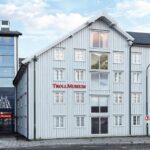
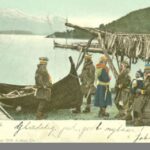
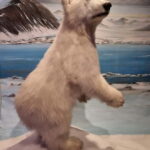
Full Steam Museum: maritime history and Sami context before the hunt
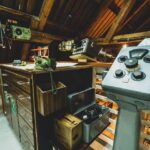
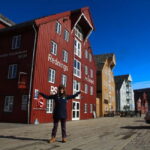
The tour begins at Full Steam Museum (Søndre Tollbodgate 3). You’ll enter the museum and go to the 3rd floor, using the QR or barcode on your ticket.
I like this start because it gives you something to do right away. While the aurora can’t be forced, you can at least learn how Tromsø fits into a wider Arctic story—maritime life and northern culture. The museum also acts like a buffer against winter stress: you’re early, you’re inside, and you get a short presentation that sets the mood for what comes next.
One practical perk: the museum ticket is valid for 24 hours from first activation. If the evening gets long or weather pushes things around, you can return later and explore at your own pace instead of trying to cram everything into one visit.
Aurora chasing by guided drive: what you can realistically control
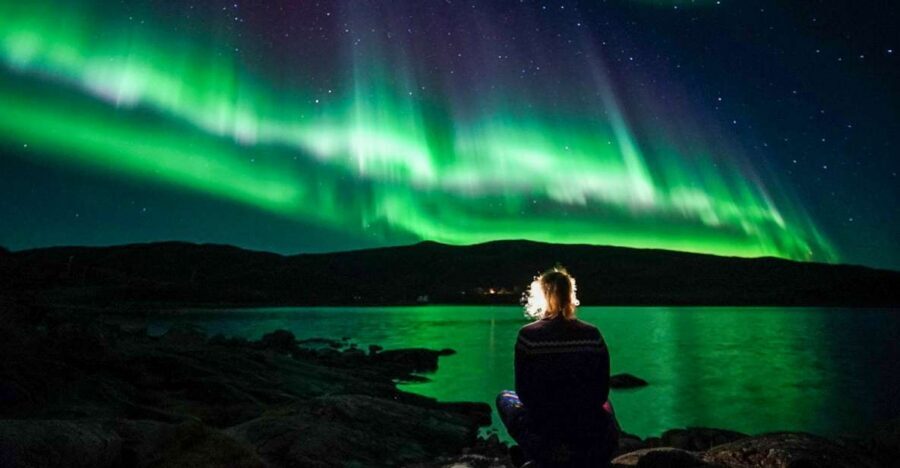
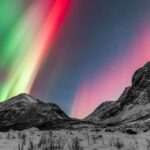
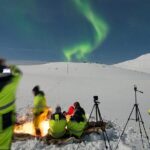
After the museum portion, you’ll get a guided scenic drive out toward areas where auroras are more likely. The tour description emphasizes moving to better chances—open fjords to snowy valleys—rather than staying in one spot and hoping.
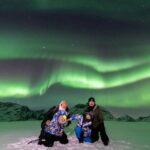
Here’s the reality check you should carry into the night: Northern Lights sightings are not guaranteed. That’s not just a legal line; it affects how you evaluate the value of the tour.
Also watch the “how it feels in practice” side of aurora hunting. The idea is chasing, but the amount of active searching can vary with weather and conditions on the ground. Some nights feel like a real hunt; other nights can feel more like short, spaced viewing opportunities. If you’re the type who needs long, repeated attempts, you’ll want to go in flexible.
Your best tools are simple:
- dress for real cold, not mild Arctic “layers”
- keep your camera ready
- be ready to stop, stand still, then move again
Sami camp and the lavvu: warm culture time in a real setting
The camp is where the tour turns from “weather event” into something more human. You enter a traditional lavvu (Sami tent), and you’ll warm up by the fire.
This part is valuable because it slows the pace. You’re not just photographing. You’re listening to stories about reindeer herding and Arctic life shared by people who’ve lived it for generations. Even if you’ve read about Sami culture before, hearing it in a camp setting changes the tone—you pick up how daily survival shaped traditions.
Lavvu access is included, along with camp facilities. That matters on a winter night because warmth is not a luxury. It’s what makes the whole experience feel comfortable instead of exhausting.
Group size is up to 55 participants. That can affect how long you personally get with the Sami guide or how quickly the camp area moves. If you prefer slow, quiet conversation, arrive with the mindset that the camp is friendly—but you may be moving along as a group.
Reindeer feeding by hand: the highlight moment (and a key expectation)
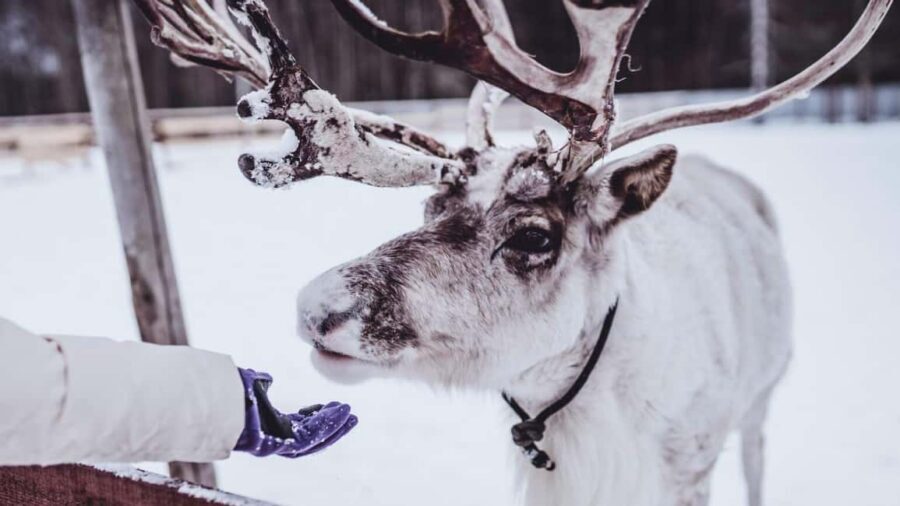
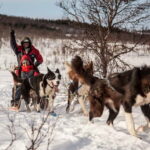
Feeding reindeer is the headline activity for many people, and it’s easy to see why. You’ll meet reindeer up close, feed them by hand, and capture photos under the Arctic night sky.
This is one of the best “sensory” parts of the tour. You’re not just watching from behind glass. You’re standing in winter conditions with animals that are central to how Sami communities live and think about the land.
That said, manage expectations about interaction time and animal availability. The feeding experience can be more or less “hands-on” depending on how many reindeer are at the camp and how the group flows. Some setups focus on brief contact and photos; others feel calmer. Either way, you’ll want to follow instructions closely so the animals (and you) stay safe.
Reindeer sledding is not included. So if what you really want is a ride, this isn’t the right match. Think of it as feeding plus cultural context, not a full “reindeer activity park.”
The guided scenic drive: learning the Arctic north on the move
Between museum and camp (and possibly between viewing spots), you’re in a vehicle with a driver-guide. The goal is to combine the scenery with insights into Sami heritage and local history of the north.
Even if you’re not a trivia collector, this is useful. Night drives can otherwise feel like waiting in darkness. A good guide helps you understand what you’re passing and why certain areas matter for both culture and weather.
I’ll be honest: the driver quality can make or break a group day. One name that came up for strong effort is Dionisio. When the driver clearly wants the group to succeed, you feel it—stops, explanations, and an attitude that treats the aurora as an important mission, not just a checkbox.
Sami food: bidos to warm you up after the cold
The meal included is bidos, a hearty Sami stew made with local ingredients. You’ll eat warm food after camp time, which is a big deal because cold can wipe out your appetite fast and make everything feel harder than it should.
A warm meal also helps you connect the cultural theme to something you can taste. You’re not only hearing about Arctic life—you’re experiencing a piece of it.
One practical note: some people have reported that the meal can feel more basic than they expected. So don’t picture a fancy multi-course dinner. Picture warmth and calories, served in a camp context.
Price and value at about $218: what you’re paying for
At $218 per person, this tour only feels like a win if you value the full package, not just the aurora. Here’s what’s included:
- guided tour and English-speaking guide
- transportation
- Sami culture presentation
- reindeer feeding
- lavvu access and camp facilities
- warm Sami meal (bidos)
- museum entrance (with 24-hour validity)
What’s not included:
- reindeer sledding
So yes, you’re paying for more than a “photo stop.” You’re getting a guided cultural evening plus a winter meal, with the aurora as the emotional bonus.
Where the value can wobble is the aurora portion. Some nights feel like serious chasing; other nights may feel like limited searching. That doesn’t mean the operator isn’t trying—it means winter rules apply. If you’re booking mostly for guaranteed aurora viewing, you’ll likely be disappointed with any group tour model. If you’re booking for the full Arctic experience—museum setup, Sami camp, reindeer feeding, warm meal—then the price can make sense.
Who should book this, and who should skip it
This tour is listed as easy in difficulty, and it does include a lot of indoor time (museum and lavvu). That makes it a good option for many first-time visitors who want a structured evening.
I’d consider it a strong fit if you:
- want Sami culture and reindeer feeding, not just sightseeing
- like a guided night plan instead of hunting alone
- can handle winter cold and waiting outside in brief chunks
- want the museum context so the evening feels coherent
I’d skip it if you:
- have back problems or mobility limits
- use a wheelchair (wheelchair users are listed as not suitable)
- have babies under 1 year (not suitable)
- need baby carriages inside the experience (baby carriages are not allowed)
Also note the no-food-and-drink rule and no alcohol rule. You’ll rely on what’s served during the tour.
Practical tips for your aurora night (so you enjoy it more)
Northern Lights tours reward preparation, not just luck. Bring what you’ll actually use.
What to bring:
- comfortable shoes
- warm clothing
- a camera
A camera helps even if you don’t see a sky show, because you’ll still get reindeer photos and camp scenes. Just remember: the cold makes batteries drain faster, and hands get clumsy in seconds. Keep gear close and avoid long open pockets.
Also: plan your mindset. You’re paying for a winter experience with a chance at aurora. If the sky stays cloudy, the reindeer feeding and lavvu time are still the “real event” you can walk away with.
Should you book this Northern Lights + Sami camp tour from Tromsø?
If your top priority is a reliable aurora experience, I’d treat this as a gamble like all group tours. Weather decides too much. You can’t force the lights.
But if you want a full evening where the Sami camp and reindeer feeding are meaningful and the museum start gives context, then this is a reasonable way to spend one day in Tromsø. I’d book it if you’re excited by culture and don’t need the night to be perfect—because the included meal, lavvu warmth, and guided storytelling can still make the trip land, even when the aurora doesn’t show.
FAQ
Where is the meeting point for the tour?
You meet at the Full Steam Museum, Søndre Tollbodgate 3, Tromsø. The meeting is in the 3rd floor area, and you’ll use the QR or barcode on your ticket.
What time does the tour start, and how long is it?
The meeting time is 17:50, and the duration is listed as approximately 6 hours.
What is included in the tour price?
Included are the guided tour, transportation, Sami culture presentation, reindeer feeding, lavvu access and camp facilities, warm Sami meal (bidos), and museum entry.
Is reindeer sledding included?
No. Reindeer sledding is listed as not included.
Is the Northern Lights sighting guaranteed?
No. Northern Lights sightings are not guaranteed.
What language is the tour guide?
The live tour guide is English.
What should I bring with me?
Bring comfortable shoes, warm clothing, and a camera.
Who is this tour not suitable for?
It is not suitable for people with back problems, people with mobility impairments, wheelchair users, and babies under 1 year. Also, baby carriages are not allowed.