REVIEW · TROMSO
Tromsø: Guided Tour of Polaria
Book on GetYourGuide →Operated by Polaria · Bookable on GetYourGuide
Arctic ice meets real science. In Tromsø, Polaria turns the Arctic’s biggest questions into a focused, 45-minute guided walk through exhibitions and the aquarium.
What I like most is how it explains Arctic climate change with clear, science-based storytelling, and then backs it up with close-up viewing of unique Arctic life in the aquarium.
One consideration: it’s not for kids under 16, and it’s also not listed as suitable for hearing- or visually-impaired visitors, so plan accordingly.
In This Review
- Key takeaways for your Polaria visit
- Polaria in Tromsø: an ice-floe building with a purpose
- The 45-minute flow: what actually happens during the tour
- Science-based exhibitions: Arctic climate change explained for real life
- Arctic Aquarium: rare species close up, not far away
- The message: “connected life” is the main takeaway
- Who’s running the show and why that matters
- After your guide: panoramic films and seal feeding at 15:30
- Price and value: is $73 worth 45 minutes?
- When this Polaria tour is a great fit (and when it isn’t)
- Should you book this Polaria Guided Tour?
- FAQ
- What is the duration of the Polaria guided tour?
- What time does the tour run each day?
- Where do I meet for the tour?
- Is the tour offered in English?
- What is included in the price?
- How much does the tour cost?
- Is the tour suitable for children?
- Is it wheelchair accessible?
- What can I do after the guided part of the tour?
- Can I cancel or pay later?
Key takeaways for your Polaria visit
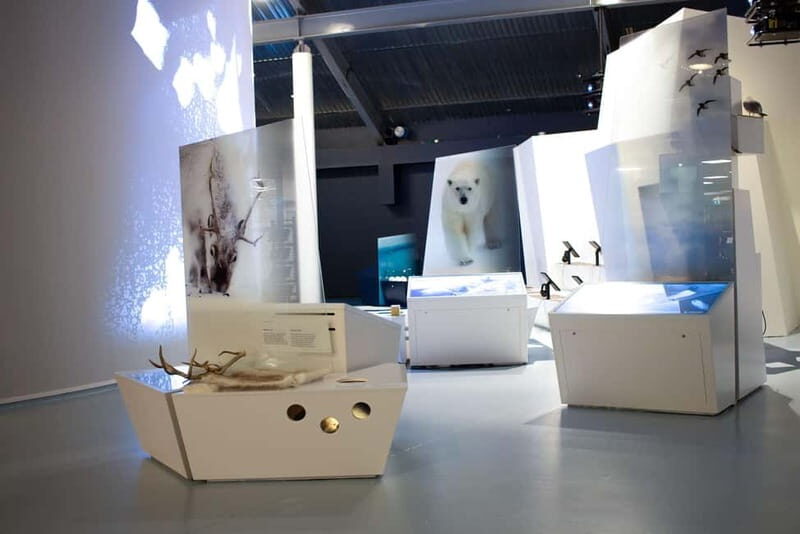
- Science-first exhibitions that focus on climate change and how the Arctic system is changing
- Arctic Aquarium with local rare species, including animals you can find in and around Tromsø
- A clear theme of how human actions affect Arctic wildlife and the links between species
- A short, timed format (45 minutes) that still leaves room to explore more after
- After the tour, plan for three panoramic films and seal feeding and training at 15:30
- The tour includes Whisper headphones, so you can follow the guide comfortably
Polaria in Tromsø: an ice-floe building with a purpose
Polaria sits in a distinctive building designed to resemble ice floes pushed up on land by the rugged Arctic ocean. That look matters because the whole experience has a similar vibe: strong Arctic atmosphere, but grounded in facts.
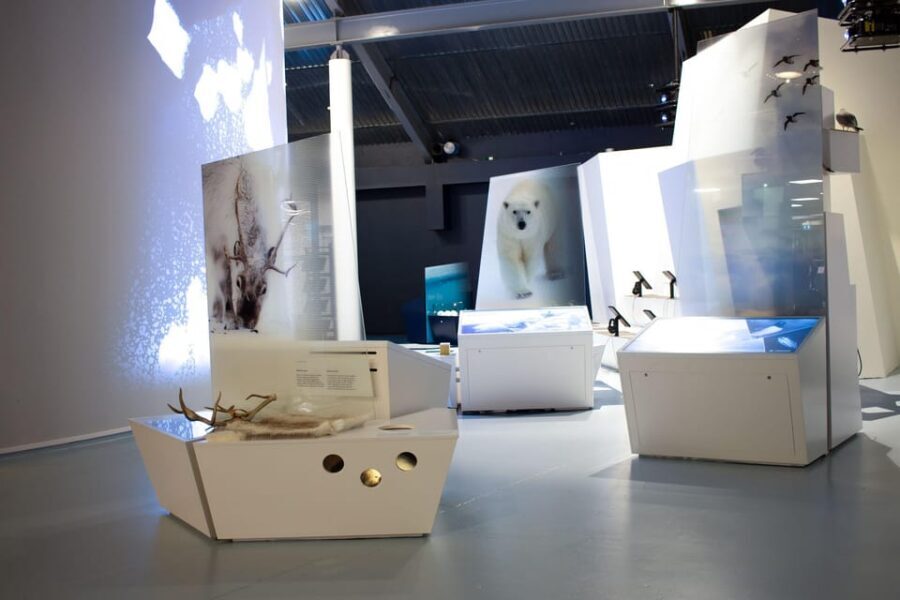
This is not a slow “wander until you feel inspired” setup. The tour format is tight and guided. In 45 minutes, you’ll move through the science-based exhibitions and then into the Arctic Aquarium, where the message becomes physical: cold-water life, real species, and what’s unique about the Tromsø area.
Also, the tour is built for older teens and adults. The recommended age is 16+, and that shows in the topics covered—climate change, human impact, and ecosystem connections. If you like your nature education honest and direct, this fits.
You can also read our reviews of more guided tours in Tromso



The 45-minute flow: what actually happens during the tour
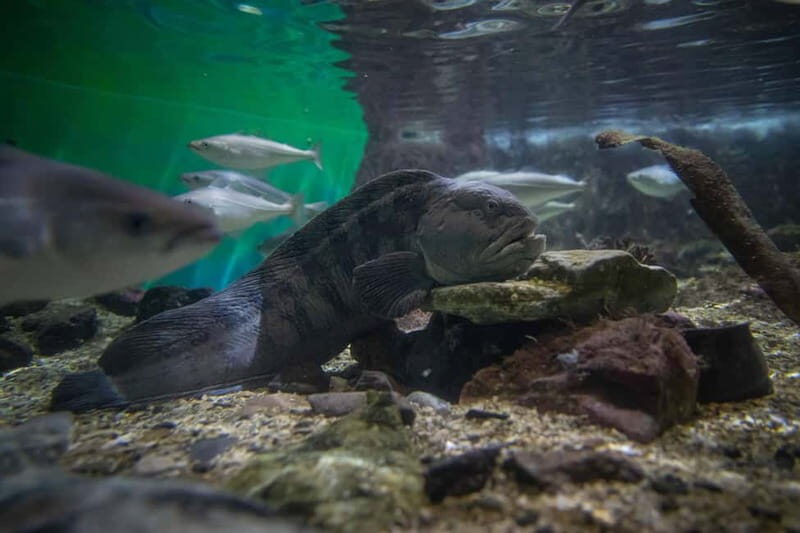
The tour runs every day from 13:30 to 14:15, and it’s guided in English by a live guide. You meet at the reception inside the main entrance.
Even though the total time is under an hour, the tour is structured around three connected stops:
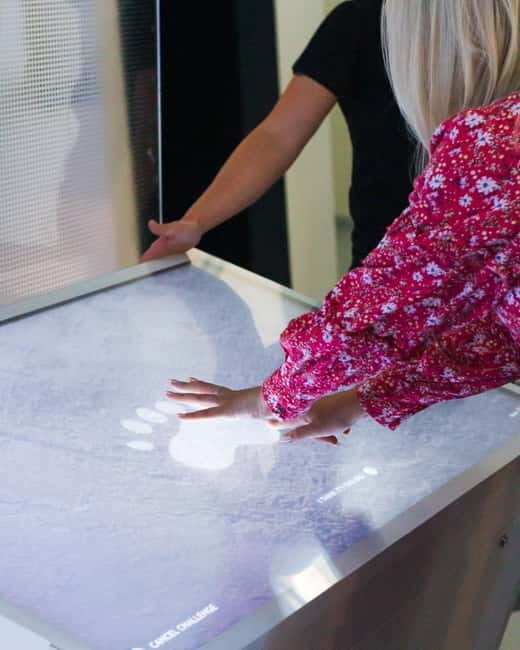
- Science-based exhibitions on Arctic climate change and ongoing research in Tromsø
- A guided look at the Arctic ecosystem and how Arctic wildlife relies on each other
- The Arctic Aquarium, where you can study rare species seen in and around Tromsø
The tour’s strength is that it doesn’t treat the Arctic as a disconnected “wild place.” It constantly brings you back to cause and effect—what changes in the Arctic, how that affects animals, and how human choices tie into the bigger story.
At the end of the guided portion, you’re free to stay and explore more Polaria has to offer. The schedule you’ll want to watch is later that afternoon, especially if you’re there for the full experience.
Science-based exhibitions: Arctic climate change explained for real life
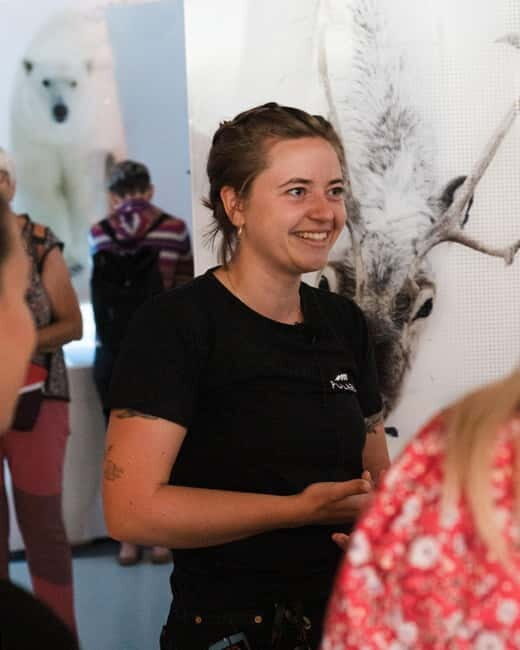
Polaria’s exhibition approach is built around research and collaboration in Tromsø. The Arctic is changing faster than anywhere else on Earth, and the exhibits frame it as a serious, ongoing scientific effort happening right there in Norway.
What I like about this section is the tone. It’s not “doom and gloom.” It’s more like: here’s what researchers are studying, here’s what that means for the Arctic ecosystem, and here’s why your actions matter even if you never see a glacier in person.
The tour highlights a few key topics:
- Climate change in the Arctic and why the region responds quickly
- Human impact on the environment
- How wildlife relationships create synergies in the Arctic ecosystem
That last point is important. You’re not just shown animals. You’re shown connections—how one species depends on another, and how the web breaks or shifts when conditions change.
If you’re the type who usually skips “informational rooms” in museums, you might still enjoy this one because it’s guided and time-focused. The guide helps you sort what’s essential from what’s extra.
Arctic Aquarium: rare species close up, not far away
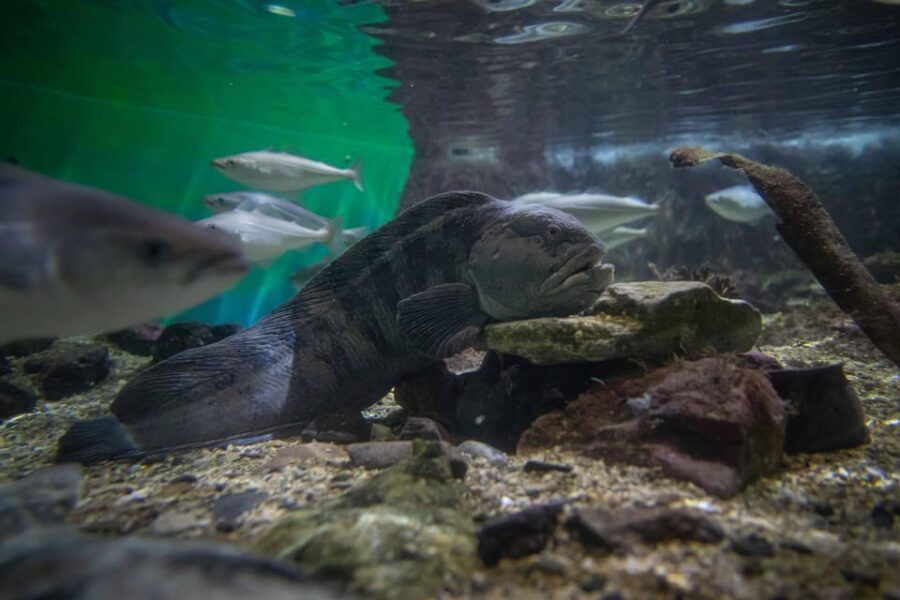
The aquarium is the moment the tour earns its ticket price. It’s not just a hallway of tanks. You’re there to study Arctic life in an environment built around the region’s cold-water realities.
Polaria notes that the aquarium contains rare species that can only be seen in and around Tromsø. That’s the kind of detail that matters for planning. You don’t need to travel hours to reach some generic “polar aquarium.” This is tuned to the Arctic around Tromsø.
In the guided part, you’ll connect the animals you see to the bigger themes:
- how the Arctic ecosystem functions
- how different life forms depend on each other
- and how change in one area can ripple through the whole system
A practical tip: take a moment to slow down and watch behavior, not just bodies. Even without knowing every species name, you’ll often catch patterns—where animals feed, how they move, and how different tanks highlight different parts of the ecosystem. The guide’s job is to give context; your job is to notice what’s actually happening in front of you.
The message: “connected life” is the main takeaway
Polaria ends up giving you a clear reflection point. The tour talks about all life being connected and how everything depends on something else—right down to Arctic food chains and ecosystem balance.
This is also where the human side shows up. You’ll hear about how our presence and decisions affect the planet, especially in an environment that’s already under pressure.
I appreciate that the tour doesn’t keep the discussion vague. It ties human impact to outcomes in the Arctic system. It also builds a sense of community around thinking about responsibility—less “you’re guilty,” more “here’s the network you’re part of.”
One detail worth your attention: it’s recommended for 16+. That’s not just an age gate. The tour asks you to think, connect, and reflect, not just look at exhibits.



Who’s running the show and why that matters
This is a guided experience, and the guide quality is the difference between reading labels and getting the story straight.
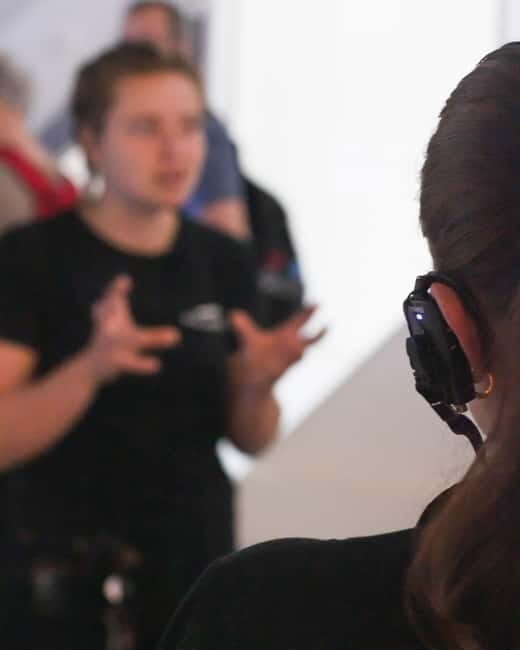
The tour includes Whisper headphones so you can hear the guide clearly as you move through exhibition areas and toward the aquarium. That’s genuinely useful when you’re standing near tanks or in rooms where sound bounces.
English is the live tour language. In feedback tied to this tour, guide team members named Sylvia and Doris get credit for strong communication and knowledge. That lines up with what you want from a science-and-ecosystem tour: someone who can keep the pace manageable and explain the big ideas without turning it into a lecture.
After your guide: panoramic films and seal feeding at 15:30
Don’t rush out after 45 minutes. Polaria is set up so the guided portion is the start, not the whole day.
The guidance you’ll want to follow:
- Sit down for three panoramic films in the theatre
- Then catch seal feeding and training at 15:30
Those films help you “zoom out.” The exhibits and aquarium pull you close to specific concepts and species, while the panoramic theatre content gives the Arctic a sense of scale. It also helps you understand the region as a system, not just a collection of cool animals.
And the seal feeding and training at 15:30 is a great add-on if you want something active and easy to watch. It’s also a nice way to keep your energy up after the more thoughtful exhibition sections.
If your day in Tromsø is packed, you can treat the guided tour as the education piece and the 15:30 event as the fun piece.
Price and value: is $73 worth 45 minutes?
At $73 per person for a 45-minute guided tour, the price might look a little steep—until you track what’s actually included.
You get:
- Entrance ticket to Polaria
- Guided tour of the science-based exhibitions and the aquarium
- Whisper headphone rental
That combo matters because you’re not just paying for a person to walk you around. You’re paying for access to the building and its core learning spaces, with the audio help that keeps the experience comfortable.
Also, the short duration is part of the value. You get a structured Arctic education session without eating your whole day. And because the tour ends early enough for films and the 15:30 seal event, you can stretch your time there in a way that feels intentional.
If you’re in Tromsø for only a day or two, this is the kind of timed experience that helps you avoid “we bought tickets but didn’t know what we were doing” regret.
When this Polaria tour is a great fit (and when it isn’t)
You’ll likely enjoy this tour if you:
- want an Arctic experience that’s science-based rather than purely scenic
- like learning about ecosystems through real examples (exhibitions + aquarium)
- appreciate a short guided format that still leaves time afterward
- are visiting Tromsø and want something that feels specific to the region, not generic
You should think twice if:
- your group includes children under 16, since it’s not suitable for that age group
- anyone in your party needs a format specifically suited to visual or hearing impairments, since it’s listed as not suitable for those categories
Also, if you only want a quick photo stop and zero learning, you may find the tour’s reflection and ecosystem focus less fun. This one is built for understanding.
Should you book this Polaria Guided Tour?
Yes, I’d book it if you want a compact, high-impact Arctic education with a real payoff in the aquarium. The guided format helps you connect climate change, human impact, and Arctic wildlife in a way that makes sense, not just a list of facts.
If you’re the kind of visitor who enjoys science museums when the guide is strong, this is the right size for your schedule. Plan to stay for the three panoramic films and, if you’re there that afternoon, the 15:30 seal feeding and training. That turns a 45-minute tour into a half-day experience without feeling stretched.
FAQ
What is the duration of the Polaria guided tour?
The tour lasts 45 minutes.
What time does the tour run each day?
It runs every day at 13:30–14:15.
Where do I meet for the tour?
You meet at the reception inside the main entrance of Polaria.
Is the tour offered in English?
Yes, the live tour guide speaks English.
What is included in the price?
The ticket includes entrance to Polaria, a guided tour of the science-based exhibitions and Arctic Aquarium, and rental of Whisper headphones.
How much does the tour cost?
The price is $73 per person.
Is the tour suitable for children?
It is not suitable for children under 16 years. The recommended age is 16+.
Is it wheelchair accessible?
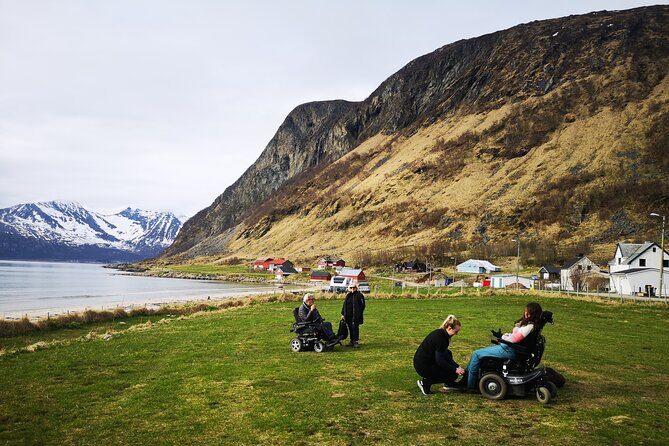
Yes, the tour is wheelchair accessible.
What can I do after the guided part of the tour?
After the guiding, you can explore more of Polaria. Polaria recommends watching three panoramic films in the theatre and catching the seal feeding and training at 15:30.
Can I cancel or pay later?
You can cancel up to 24 hours in advance for a full refund. You can also reserve now & pay later, so you pay nothing today.