REVIEW · TROMSO
Tromsø: Aurora Borealis, Campfire, Hot Meal, Arctic Tour
Book on GetYourGuide →Operated by Northern Norway Travel AS · Bookable on GetYourGuide
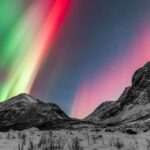
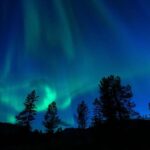
Tromsø gives you one job: look up. This northern lights tour is built around weather transparency and serious hunting for clear sky, with a cozy campfire hot meal and pro-style digital photos included. The only real downside is also the Arctic reality: the Northern Lights are never guaranteed, so you’re signing up for a best-chance night, not a lottery win.
I like that the team keeps you moving based on what the sky is doing, instead of just repeating one fixed viewpoint. And since the group stays small (up to 15), you spend less time herding and more time watching the lights, warming your hands, and asking questions.
If you go, go prepared. Bring gloves and warm socks, listen to the safety briefing, and be ready for short walks in icy conditions. This is a fun, hands-on aurora experience with comfort built in—plus it ends with a safe hotel drop-off in Tromsø.
In This Review
- Key points to know before you go
- Aurora odds, but with a straight answer
- Starting in Tromsø: hot drinks, safety, and an early game plan
- The drive is part of the show (and motion sickness is real)
- Thermal suit night: warm gear, short walks, and smart layering
- Campfire dinner and storytelling: why the wait feels better
- Northern Lights hunting: multiple stops, patience, and clear-sky “holes”
- Professional photos: included memories, plus a key pricing detail
- Price and value: why $251 may feel fair in Tromsø
- Who this tour fits best (and who should think twice)
- Should you book the Tromsø aurora campfire tour?
- FAQ
- How long is the Tromsø aurora borealis, campfire, hot meal tour?
- What food and drinks are included?
- Do they provide thermal suits or camera gear?
- Are Northern Lights sightings guaranteed?
- What should I bring in cold weather?
- Is the tour suitable for children?
Key points to know before you go
- Weather transparency first: you get a forecast update and can choose to rebook or cancel if the region looks rough.
- Small group, max 15: less chaos than the big-bus scene, and easier conversation around the fire.
- Campfire + hot meal: reindeer stew and other warm comfort food, not just snacks and cold air.
- Guides who actively steer the night: they drive, reposition, and keep storytelling going while you wait.
- Photo support included: low-resolution digital photos included; tripod may be available; photo tips are part of the program.
- Warmth systems are practical: thermal suits are provided, but your gloves, socks, and footwear still matter.
Aurora odds, but with a straight answer
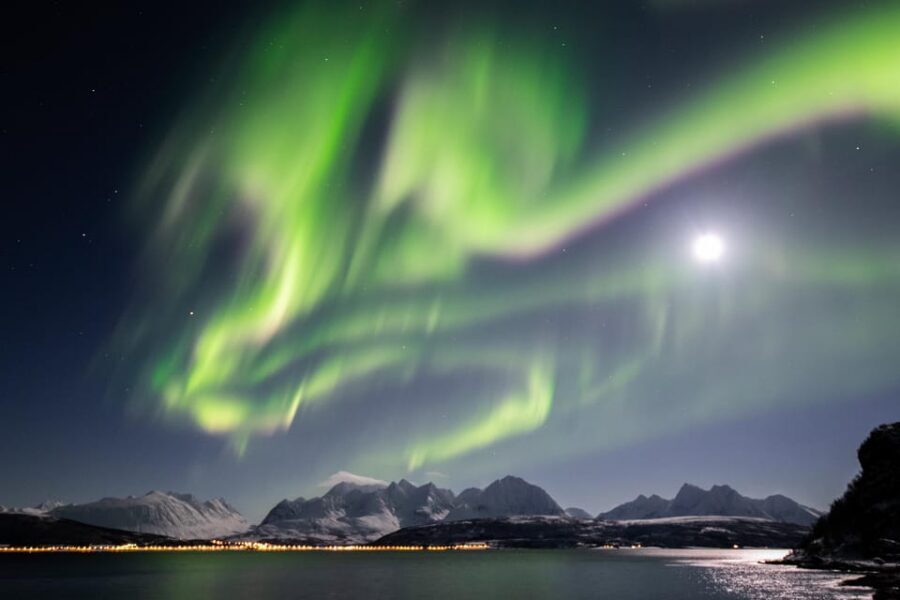
In Tromsø, weather can change fast. What I like here is the tour’s clear approach: you’re not left in the dark the morning of your booking. On the morning of your tour day, you’ll receive a forecast update for the coming evening (they note 9:00am as the check-in time).
If conditions are poor across the region, you can request a rebooking (if there’s availability) or cancel for a full refund up until 12:00 on the day. That matters because it protects your plan when the sky is likely to stay cloudy.
A second point: they don’t cancel just because it looks unlikely. They cancel only if driving conditions are dangerous. That’s a meaningful philosophy. Even when the chance seems low, the night can still surprise you—especially if the team catches a break in the cloud cover. This is a chase, not a timed lecture.
You can also read our reviews of more tours and experiences in Tromso.
Starting in Tromsø: hot drinks, safety, and an early game plan
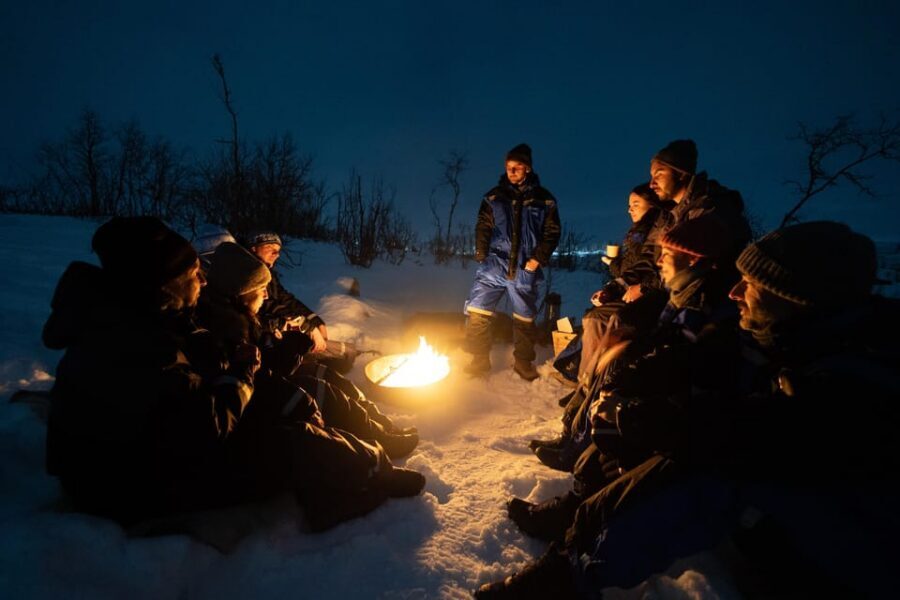
Your night begins in the shop area with warm drinks and a meet-and-greet. This is more than a pre-tour coffee stop. You’ll get a welcome briefing that sets expectations and explains how the guide plans to maximize your aurora chances.
Then comes the practical stuff: safety briefing, and a look at how the evening will flow. Tromsø aurora nights are long and cold, so being told what to do (and what not to do) helps you relax once you’re out in the dark.
Many tours here add a quick “get your bearings” moment, and this one includes things like a photo stop, coffee/tea, and local snacks before the night really turns into a full northern lights hunt. It’s a smart rhythm: you’re awake, fed, and ready before the thermal gear goes on.
If you’re trying to travel light, remember this: you’re stepping into cold-weather mode early. Wear the layers you plan to keep on. You’ll be glad you did when you stop moving and the Arctic air starts doing Arctic air things.
The drive is part of the show (and motion sickness is real)
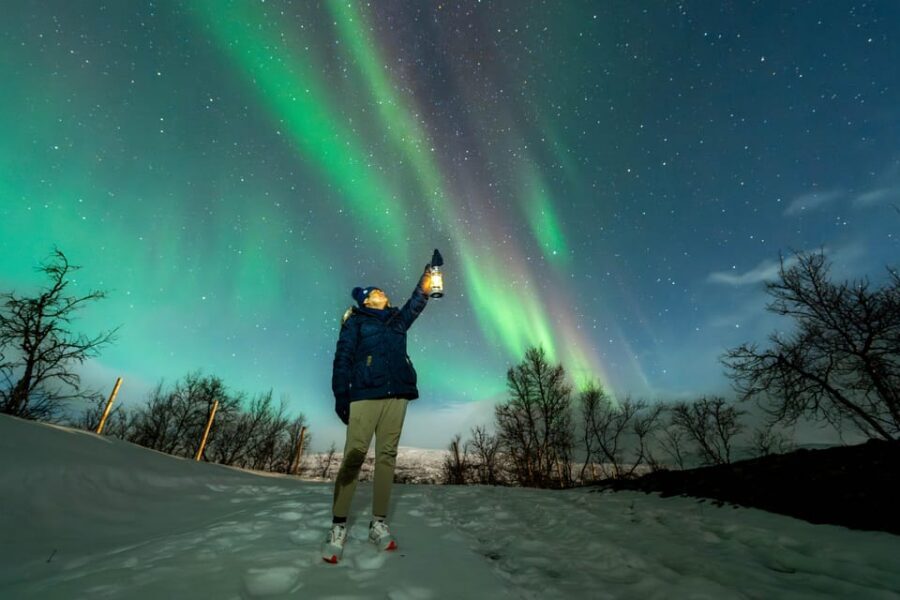
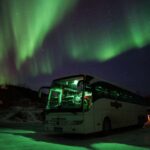
You’ll ride in a luxury Mercedes Sprinter with a professional driver. The guide is also active during the drive, filling the time with northern Norway facts, fun stories, and some of the science behind the aurora—things like why the sky looks the way it does and what they’re watching for.
The big practical takeaway: the evening is built around repositioning. That means more time in the vehicle than you’d get from a simple “walk to one hill and wait.” Reviews include nights where they went very far—one account mentions driving close to Finland—because the goal is clear sky, not convenience.
Timing is flexible. The tour runs about 6 to 8 hours, and the team may spend more time driving depending on where conditions look best. That variability is exactly why the weather policy is important: you might chase for a better window, and on a good night it pays off.
One consideration: the roads can be winding, and car sickness is a real issue for some people. I’d plan ahead if you’re sensitive. Bring your remedy and sit where you feel best. The team is watching safety, but your stomach is still your responsibility.
Thermal suit night: warm gear, short walks, and smart layering
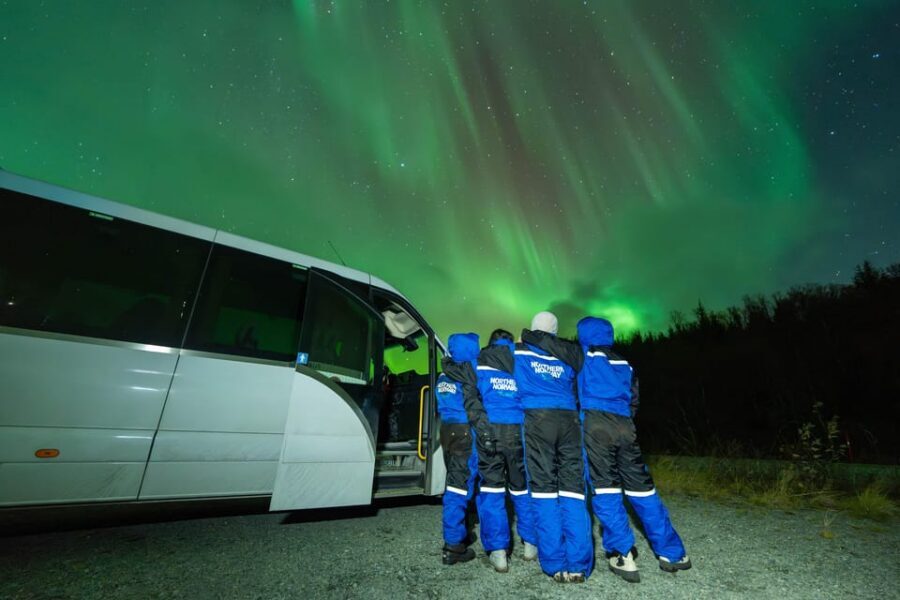
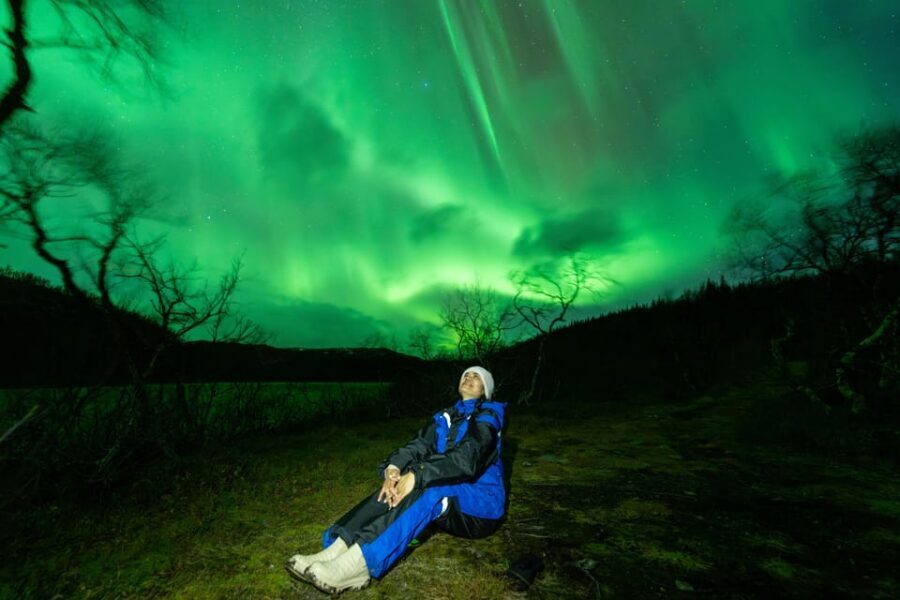
At the viewing area, you’ll gear up with provided thermal suits (limited sizes are mentioned). These suits are meant to keep you comfortable while you wait for the sky to do its thing.
But the suit is only one part of warmth. The instructions specifically say to bring hat, gloves, socks, and warm shoes. Reviews also highlight that your hands and feet are still dependent on your own glove and footwear setup. One traveler recommended hand warmers and even electric socks—basically, bring extra warmth if you tend to get cold easily.
You may also do a short walk from the bus to where campfire time happens. If icy conditions are present, the tour notes that participants should wear spikes. So don’t assume your regular winter boots are enough. If you’re going to Tromsø in winter, that spiky grip is your best friend.
The whole point is simple: you can’t enjoy the aurora hunt if you’re battling numb fingers. Plan for warmth first, photos second.
Campfire dinner and storytelling: why the wait feels better
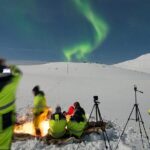
This is where the tour earns its cozy reputation. Once you reach the night’s chosen spot, you set up camp and you’ll enjoy a hot meal around a campfire under the stars.
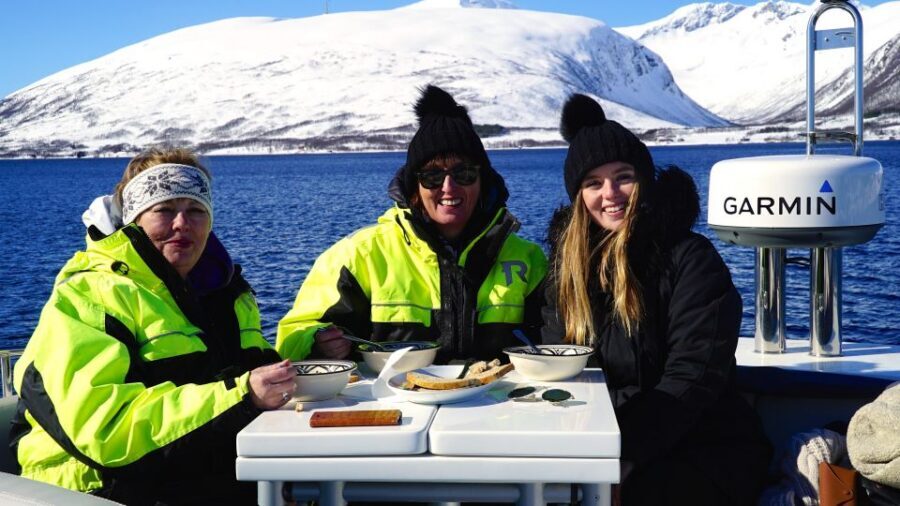
Hot drinks and snacks are part of the experience, too. The food described in reviews includes things like reindeer stew and sweet treats such as cookies and marshmallows—plus hot chocolate and tea. This matters because you’re out there for hours, and warm food makes waiting feel human instead of miserable.
Guides also use the camp time to talk—Northern Lights stories, explanations, and tips for what to look for. Around the fire, you also get a chance to meet other travelers, and the small-group size helps. You can actually talk to people without shouting over a dozen engines.
Some nights can also include extra comfort touches. For example, one review mentions reindeer pelts used for extra warmth. I wouldn’t bet on a specific add-on every time, but the takeaway is consistent: they aim to make the cold manageable so you can focus on the sky.
Northern Lights hunting: multiple stops, patience, and clear-sky “holes”
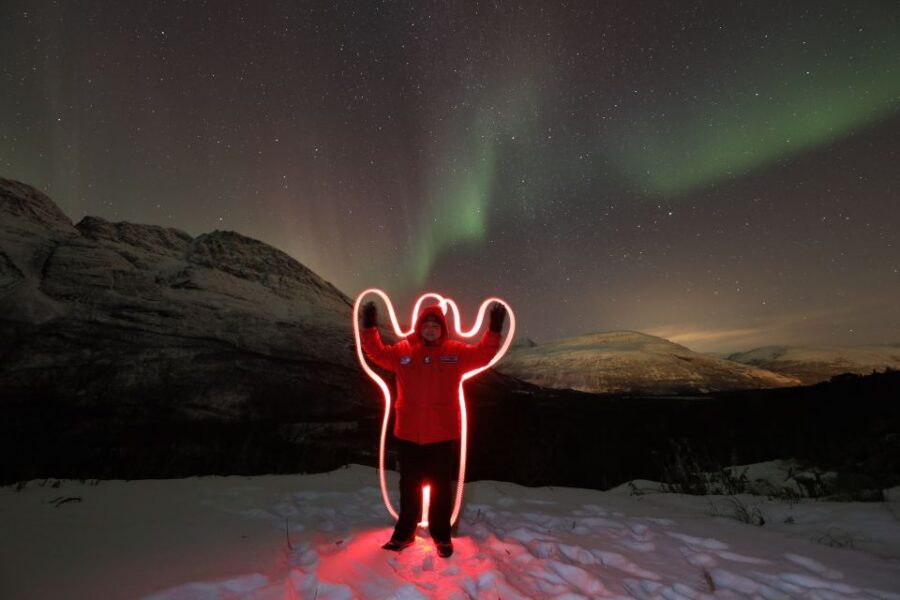
If you’re thinking, Great, they guarantee the lights, slow down. The tour explicitly can’t promise a sighting. You’re buying a plan designed to maximize your chance—not a certainty.
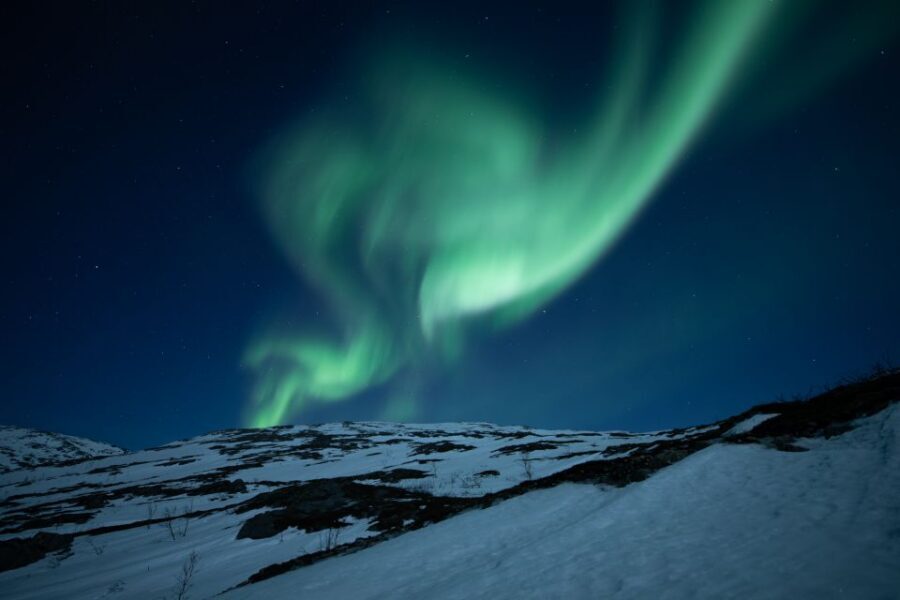
So how do they do it? They drive to the best viewing options as conditions shift. Multiple stops are common in practice, and you might see the sky open in patches. Several accounts talk about holes in the clouds and the moment the lights finally appear after earlier cloud cover.
You’ll also see how the guide works when the night isn’t perfect. One description says the aurora chance on the night was low, but the team still searched and found a quiet, open-sky area. Another mentions moving through different points until the sky cleared enough for a strong display.
This is also where patience turns into a strategy. Even if the lights aren’t obvious at first, you’re learning to watch for faint movement, shifting colors, and changes in cloud thickness. On a strong night, the show can build through the evening—starting faint and becoming much more vivid later.
If you’re the type who gets frustrated waiting, this tour might still work if you go in with the right mindset. Think of it as a sky watch with a warm basecamp.
Professional photos: included memories, plus a key pricing detail
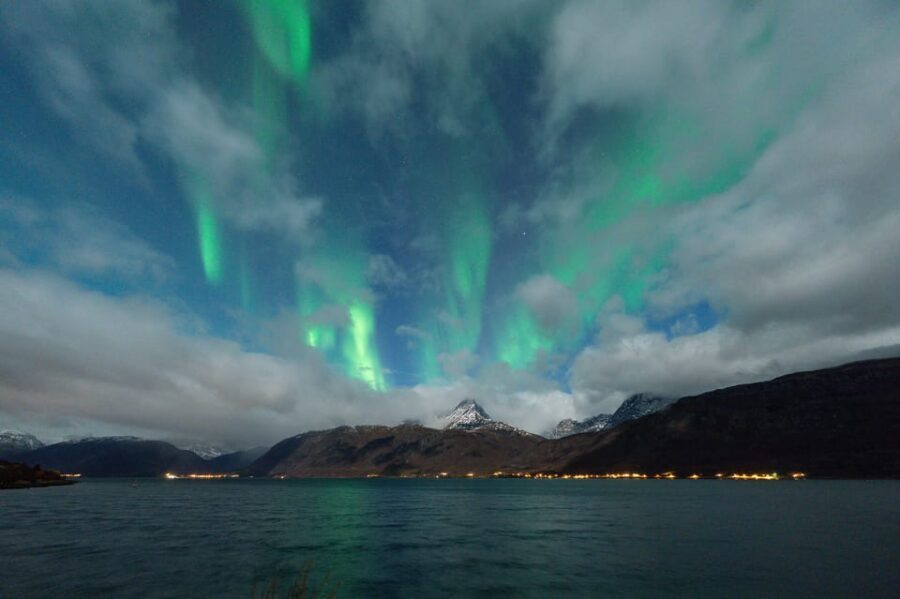
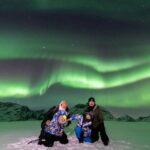
You’ll get help with photos, and you’ll also receive professional digital photographs as part of the experience. The included set is described as low-resolution, and high-resolution versions come with an extra fee.
That detail matters because it changes the value calculation. If you just want a few nice images to remember the trip, the included photos may be enough. If you want prints, high-res files, or heavy cropping freedom, budget for the paid upgrade.
A tripod is listed as included, subject to availability. Reviews also show that guides may take portraits throughout the evening, and some guides are especially hands-on with camera technique. One traveler credits a guide’s intense photography guidance and mentions portrait shots with a DSLR camera and tripod.
Here’s the practical advice I’d give you: decide your backup plan before you arrive at the viewing spot. If you can, bring a camera you know how to use, and be ready to follow the guide’s photo tips. When you’re cold and tired, it’s hard to experiment from scratch.
Price and value: why $251 may feel fair in Tromsø
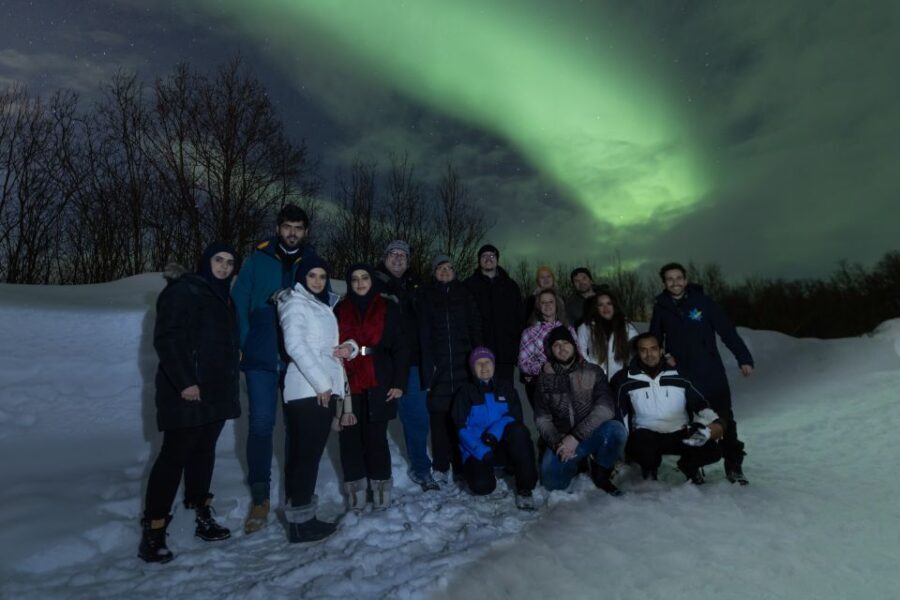
At around $251 per person for about a 7-hour evening, this is not a budget activity. But when you break it down, it becomes easier to see the value.
You’re paying for:
- transportation in a Mercedes Sprinter with a professional driver
- a certified guide who actively hunts for conditions
- thermal suit rental (limited sizes)
- campfire setup with storytelling
- hot drinks, snacks, and a light hot meal
- digital photo delivery (low-resolution included)
- a tripod (when available) and photo guidance
- hotel drop-off in central Tromsø (and taxi help if you’re outside the center)
In practice, those are exactly the pieces that cost money in the Arctic: fuel, time, experienced guiding, and specialized gear. Plus, the small group (max 15) is part of the value. You’re less likely to feel like a number.
Reviews also mention this tour can be pricier during peak periods like New Year. So if you’re flexible on dates, that flexibility can help you avoid the highest-demand premiums.
Who this tour fits best (and who should think twice)
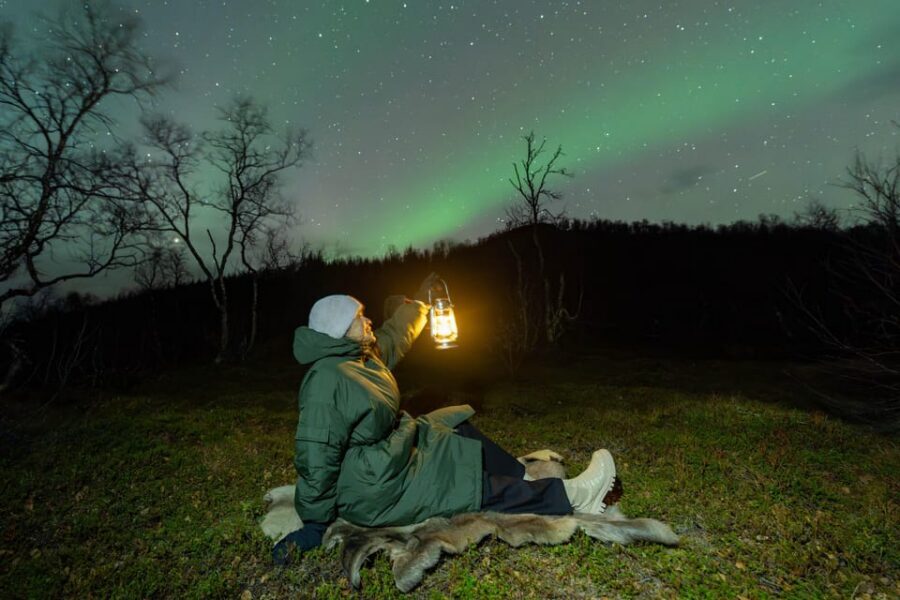
This tour is a good match if you want:
- a guided northern lights chase with warm food and campfire time
- a small group vibe (max 15)
- photo help and digital memories included
- flexibility around weather and driving choices
It may be less ideal if:
- you hate car rides on rough, winding roads (motion sickness can happen)
- you get cold fast and you don’t plan for serious warmth
- you’re looking for a guaranteed aurora viewing (nobody can guarantee it here)
Children under 8 aren’t allowed, so it’s aimed at adults and older kids. Also, there’s only one guaranteed toilet break at the beginning, so plan for that early.
If you’re coming to Tromsø mainly for photos, this tour can be worth it because you’ll get guidance and tripod support. If you just want to sit in comfort and never move, you might prefer a different style of aurora viewing. This one is active.
Should you book the Tromsø aurora campfire tour?
I’d book it if you want a best-chance northern lights night with comfort built in. The weather transparency helps you make a decision instead of gambling in the dark. The campfire dinner plus hot drinks is the kind of detail that turns an Arctic wait into a real experience.
Skip it if your main goal is guaranteed aurora. You can still have a memorable time here, but you’re accepting that the sky can refuse to cooperate.
My final checklist is simple:
- Bring strong gloves, warm socks, and warm shoes
- Add spikes if icy conditions are likely
- Consider hand warmers if you get cold
- Plan for a long drive and sit where you feel best
- Keep your expectations tied to good odds, not certainty
If that sounds like your style, you’ll likely come away with both stories and photos worth saving.
FAQ
How long is the Tromsø aurora borealis, campfire, hot meal tour?
The tour lasts about 6 to 8 hours, depending on where the team needs to drive that night.
What food and drinks are included?
You’ll have hot drinks at the shop before you depart, plus hot drinks and snacks during the tour. A light hot meal is included around the campfire.
Do they provide thermal suits or camera gear?
Yes. Thermal suits are provided (limited sizes are available). A tripod for your camera is included only if available, and you’ll get tips on how to take photos.
Are Northern Lights sightings guaranteed?
No. The tour cannot guarantee you will see the Northern Lights, since it depends on natural conditions.
What should I bring in cold weather?
Bring a hat, gloves, socks, and warm shoes. The tour may also involve icy conditions, so spikes may be needed.
Is the tour suitable for children?
Children under 8 years old are not allowed on this tour.