REVIEW · TROMSO
The official Tromsø king crab fish tour
Book on GetYourGuide →Operated by Duen Experience AS · Bookable on GetYourGuide
King crab starts with hauling, not sightseeing. This trip is built around live king crabs and real teamwork on deck, with guides walking you through the full process from bait to hauling. One thing to plan for: because of time and safety, you shouldn’t expect nonstop pot-pulling or a huge catch.
I like that the experience has two sides: active work at sea, then a proper meal that feels like the payoff instead of a token snack. You’ll also get English storytelling on how king crab arrived in Norway, its biology and behavior, and how it has affected local ecosystems and coastal communities over the last 50 years.
With a small group capped at 10 and an English-speaking guide, it’s easier to pay attention, ask questions, and actually take part. The tour starts and ends at Storgata 88, so it’s not a long hunt for a pier—just a short walk from the meeting point to the boat.
In This Review
- Key things you should know before you go
- What makes this Tromsø king crab tour feel like work (not a drive-by show)
- From Storgata 88 to the boat: suits, safety, and quick orientation
- The fishing maneuvers: bait, pods, and what you’ll do in 3 hours
- The king crab story the English guide tells while you work
- The payoff: king crab meal onboard, soup, and bread
- Weather and timing on a Tromsø fjord boat (and what to bring)
- Price in real terms: does $356 feel fair for 3 hours?
- Who this Tromsø king crab fish tour suits best
- Should you book this official Tromsø king crab fish tour?
- FAQ
- What’s the duration of the official Tromsø king crab fish tour?
- Where does the tour meet in Tromsø?
- Is the tour guide English-speaking?
- What’s included in the price?
- What should I bring?
- Is alcohol included?
- Is the tour suitable for children?
- Is the tour accessible for wheelchair users?
Key things you should know before you go
- Real king crab fishing workflow: bait, setting traps, and hauling up the pods at sea
- Small group format: limited to 10 participants for hands-on participation
- Warm gear included: thermo flotation suits in winter and oilskin-style foul weather suits in summer, plus gloves and hats
- On-board king crab meal: soup, bread, and king crab prepared after fishing
- Learn as you work: a live guide shares Norway-focused king crab history and ecosystem impact
- One main haul: expect to pull a limited number of traps due to safety and the 3-hour schedule
What makes this Tromsø king crab tour feel like work (not a drive-by show)
This is an at-sea experience, and that’s the whole point. Instead of “watching fishermen from a distance,” you’ll be involved in the fishing operation—preparing bait, helping set traps, and hauling up the pods when the crew tells you it’s time. If you want something active and authentic, that hands-on rhythm is a big part of the value.
I also appreciate that the guide doesn’t treat the science as a lecture you’re forced to endure. The crew guides you through the story of the king crab in Norway—how it arrived, how it behaves, and what the last 50 years have meant for ecosystems and nearby coastal communities. You’re doing the work, then you understand the why behind it.
The possible downside is simple: this isn’t a commercial-style “haul all day” setup. Reviews and the structure of the trip suggest you’ll pull a limited number of traps. So if you’re imagining constant hauling and a deck full of crab, shift your expectations toward participation, teamwork, and the meal.
You can also read our reviews of more tours and experiences in Tromso.


From Storgata 88 to the boat: suits, safety, and quick orientation
The tour begins at Storgata 88. The meeting door is right next to Brillehuset; look for the sign, then go up to the third floor where the guide meets you.
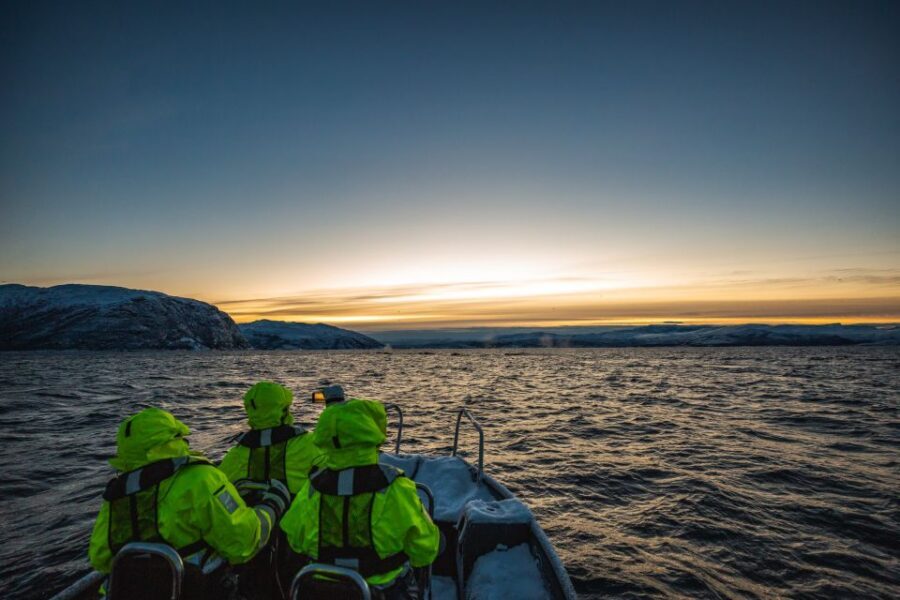
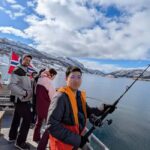
Before you even step on the boat, you’ll gear up. You’re required to put on thermo flotation suits in winter or foul weather suits in summer, plus gloves and hats. Shoes aren’t provided, so bring warm shoes you trust on deck. Bare feet aren’t allowed, and that’s a good safety rule when you’re dealing with wet surfaces and cold wind.
Once everyone is suited up, the guide walks you to the boat. Then the captain does a brief safety rundown focused on what you need to know for the fishing maneuvers. It’s not complicated, but it matters—because you’re going to be doing physical work on a moving vessel.
One smart way to make this trip easier on yourself: dress so the suit can do its job. If you show up with warm, grippy shoes and layers that fit comfortably under the suit, you’ll feel less fidgety once you’re out on the water.
The fishing maneuvers: bait, pods, and what you’ll do in 3 hours
The heart of the tour happens after you navigate toward the pods (the fishing areas where traps are located). This is where you’ll feel the “real work at sea” vibe most clearly.
Here’s the practical sequence you can expect:
- You help with bait preparation.
- You assist with setting the traps when the crew explains the plan and safety considerations.
- You join in hauling up the pods when it’s your turn.
This is teamwork with a purpose. The crew explains what you’re doing before each step, so you’re not left guessing. The guide is there to keep the group moving at a safe pace, and the small group size helps you avoid standing around waiting.
Now, about that one important catch expectation: a lot of the thrill comes from participating in the process, not from pulling multiple traps back-to-back. Because it’s a 3-hour trip with safety built in, you should plan for a limited number of hauls rather than nonstop action.
When you do get crabs (and sometimes more than one ends up in the process), it feels meaningful. You’re not just collecting a souvenir—you’re seeing the result of real effort, done correctly.
The king crab story the English guide tells while you work
A good fishing trip isn’t only physical—it’s also explanatory. This one pairs the work with an onboard explanation of king crab in Norway.
The crew covers:
- How king crab arrived in Norway
- King crab biology and behavior
- How the species has influenced local ecosystems and coastal communities over the last 50 years
What I like about this approach is that it gives context without demanding total patience. You’re already outside, already watching the operation, so the information makes more sense as you go. Instead of a generic nature talk, you get a Norway-focused narrative tied to the industry and coastal reality.
If you’re the kind of person who likes asking questions, this is also a good moment. The guide is there in a live format in English, and the subject is specific enough that people usually have good follow-ups—how the traps work, why the crabs behave the way they do, and what the impacts mean locally.
The payoff: king crab meal onboard, soup, and bread
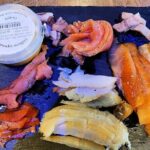
The reward comes on the way back. After fishing, the crew prepares a king crab dish on board, and you eat while the boat returns through the fjords.
Included meal items are part of what makes this tour feel like more than an activity:
- Lunch
- King crab meat
- Soup and bread
In practice, that means you’re not stuck eating later somewhere cold and expensive. You get warm food and the king crab experience you came for—prepared by the crew after you’ve done the deck work.
There’s also a psychological payoff. When you’ve helped set or haul traps, you’re more engaged during the meal. Even if the crabbing portion is limited by time and safety, the cooking and serving still land as a real finish.
If you’re picky about cold-to-hot transitions, you might want to note that one guide-led meal described included both hot and cold crab preparations. The exact mix can vary, but you should expect a proper king crab spread rather than a tiny tasting.
Weather and timing on a Tromsø fjord boat (and what to bring)
Three hours in Tromsø waters can feel long if you’re underdressed, short if you’re properly geared up. The good news: the tour includes the key insulation pieces—thermo flotation suits in winter or foul weather suits in summer, plus gloves and hats.
Your job is basically shoes. The tour notes shoes aren’t included, and warm shoes matter because you’ll be on deck and moving between the office meeting point and the boat. If your footwear is thin or slippery, you’ll feel it fast.
Other practical notes from the tour rules:
- Alcohol and drugs aren’t allowed.
- Strollers and electric wheelchairs aren’t allowed.
- Bare feet aren’t allowed.
If you’re traveling with kids, this one has clear limits: children must be 6+. There’s also a weight limit of 44 lbs / 20 kg for children, which matters when you’re deciding whether it’s realistic for your group.
For anyone with mobility concerns, the tour states it’s not suitable for people with mobility impairments or wheelchair users. It’s a working boat setting, and the safety setup expects you to move comfortably in cold gear.
Price in real terms: does $356 feel fair for 3 hours?
At $356 per person for a 3-hour trip, this isn’t a cheap “activity add-on.” But you’re not only paying for a boat ride.
You’re paying for:
- A live English guide and storytelling
- Access to a real fishing operation (bait, traps, hauling pods)
- Included cold-weather gear: suits, gloves, and hats
- The meal: lunch plus king crab meat, soup, and bread
- A small group size (max 10), which matters because it affects how much you can actually participate
Where it can feel less like a bargain is if you arrive expecting lots of hauling and a big catch. This is an experience-first tour with safety and time constraints, not an all-day commercial fishing run.
So here’s the value test I’d use: if you want to learn the king crab story through a working workflow and then eat what you helped earn, the price starts to look reasonable. If you mostly want a sightseeing cruise with lots of action, you may feel a mismatch.
Who this Tromsø king crab fish tour suits best
This tour is a strong match for:
- People who like hands-on activities and don’t mind physical effort in cold gear
- Food lovers who want king crab prepared properly, right after the work
- Travelers who enjoy learning local stories tied to the real industry, especially the “how it arrived and what changed” angle
- Anyone who wants a small group with enough room for the guide to explain as you go
It may be less suitable if:
- You’re expecting a constant stream of pot-pulling
- You’re not comfortable in cold conditions (even with included suits, you’ll still be outdoors on deck)
- You need wheelchair access or you have mobility limitations that make movement on a working boat difficult
- You’re traveling with very young children (it’s not designed for under-6)
Also, keep in mind the tour doesn’t include shoes or alcoholic drinks, so plan your budget accordingly if you were hoping to buy gear or drinks onboard.
Should you book this official Tromsø king crab fish tour?
If you want Tromsø in a way that feels honest—work on deck, safety brief, then a real king crab meal—this is the kind of trip I’d book. The combo of teamwork fishing plus English storytelling about king crab’s role in Norway’s coastal world gives you more than just a photo moment.
Before you hit reserve, set your expectations about the catch. Plan for participation and the meal payoff, not a deck full of repeated hauls. And don’t skip the shoe choice—warm, grippy footwear is the easiest way to make the whole experience smoother.
If that sounds like your style—active, local, and food-forward—book it. If you’d rather watch from shore and avoid cold gear entirely, choose a different kind of Tromsø experience.
FAQ
What’s the duration of the official Tromsø king crab fish tour?
The tour lasts 3 hours.
Where does the tour meet in Tromsø?
The meeting point is at Storgata 88. The door is next to Brillehuset, and you’ll go up to the third floor to meet the guide.
Is the tour guide English-speaking?
Yes, the tour includes a live tour guide in English.
What’s included in the price?
The tour includes thermo flotation suits in winter and foul weather suits in summer, plus gloves and hats, and lunch/king crab meat/soup and bread. You also get information and storytelling about the area and king crabs.
What should I bring?
You should bring warm shoes. Shoes are not included.
Is alcohol included?
No. Alcoholic drinks are not included, and alcohol and drugs are not allowed.
Is the tour suitable for children?
It’s not suitable for children under 6 years. There’s also a minimum weight guidance of 44 lbs (20 kg) for children.
Is the tour accessible for wheelchair users?
No. The tour is not suitable for wheelchair users or people with mobility impairments. Electric wheelchairs aren’t allowed.