REVIEW · TROMSO
Minivan Northern Lights excursion (8 guests per minivan)
Book on Viator →Operated by Green Gold of Norway AS · Bookable on Viator
Tromsø’s northern lights are famously unpredictable, but this small minivan chase is built for maximum time under the stars, with photo help and lots of chances to find clear skies. I love the small group setup (8 per van) and the practical focus on how to actually photograph auroras. The one drawback to plan around is that nature runs the show—some nights end with faint lights or clouds.
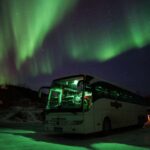
This runs about 6 hours starting at 7:00 pm, with pickup at Radisson Blu Hotel (Sjøgata 7). You’ll bounce between multiple dark-sky areas, and you’ll also get warm overalls/boots plus tea, coffee, and muffins to keep you comfortable while your eyes adjust.
In This Review
- Quick hits before you go
- Tromsø is cold. This tour is designed for that.
- The 7:00 pm rhythm: what a 6-hour aurora evening looks like
- Stop-by-stop: Troms to Keinovuopio and the clear-sky chase logic
- Troms: the first attempt zone
- Hansnes: when clouds don’t cooperate
- Sommaroy: pushing for a stronger display
- Skibotn: darker viewpoints and patient watching
- Pyhäouta: further chasing when needed
- Keinovuopio: the last swing at clear skies
- Photography help that isn’t just theory
- Warm gear, tea, coffee, and keeping your eyes dark
- Guide energy matters: science talk plus real chasing
- The photo workflow: what you should know before trusting it
- Price and value: where the $204.51 per person fits
- Who this tour suits best (and who should think twice)
- Should you book this Tromsø minivan northern lights tour?
Quick hits before you go
- 8 guests per minivan keeps the night flexible and efficient instead of feeling packed
- Aurora photography tips plus hands-on guidance for getting better shots
- Multiple viewing areas (from Troms to Keinovuopio) if clouds move in
- Warm overalls and boots provided, so you can travel lighter
- Guide-led photos are offered at no extra cost, even if you don’t own a camera
- English-speaking guide and a clear plan to manage expectations fast
Tromsø is cold. This tour is designed for that.
Northern lights chasing sounds glamorous until you’re standing still in the Arctic night for long stretches. The difference here is that the tour leans into comfort and timing. Warm overalls and boots are included, and that matters because cold hands and numb feet ruin both viewing and photography.
You’re also not stuck in a huge crowd. With 8 guests per minivan, you can hear the guide, ask questions, and move more easily during stops. That smaller group feeling shows up again later when you’re out taking photos and trying not to rush your night.
You can also read our reviews of more tours and experiences in Tromso.
The 7:00 pm rhythm: what a 6-hour aurora evening looks like
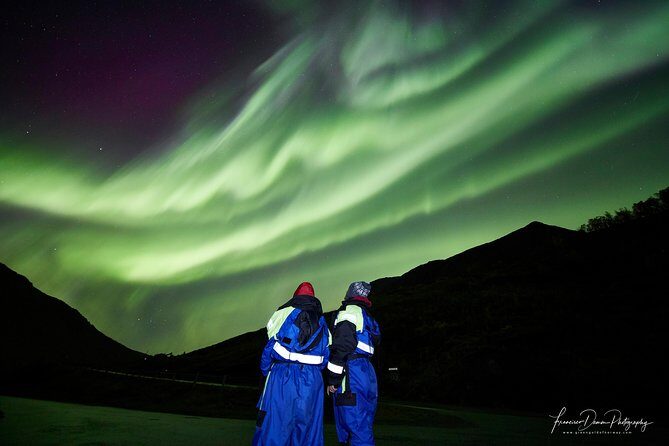
This tour is timed for the hours when auroras are most likely to show and when the sky can stay dark enough for good viewing. You start at 7:00 pm, and you’re out long enough to benefit from the classic pattern: early attempts, then reassessing based on cloud cover and aurora activity.
Expect driving as a major part of the evening. That doesn’t sound fun, but it’s the whole strategy. If clouds sit over one area, you don’t waste the entire night waiting for them to move—you keep chasing.
Stop-by-stop: Troms to Keinovuopio and the clear-sky chase logic
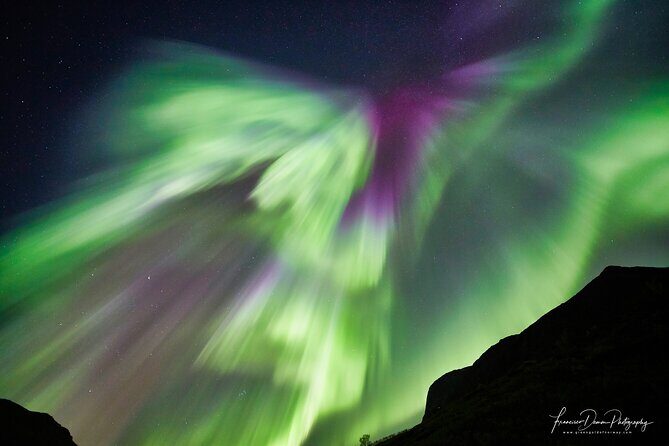
The tour moves through several areas, each chosen for the best chances of a clear view. The common thread at every stop is the same: drive toward where conditions look better, then spend about an hour there. If visibility is poor, the guide’s job is to pivot quickly.
Troms: the first attempt zone
You start in the Troms area, heading toward better odds for clear skies. The practical value of this first stop is simple: it’s your earliest chance to catch anything strong before the sky gets muddled by weather.
A drawback here is also predictable: early success is great, but if auroras are faint at first, it can feel like you’re waiting. The guide’s job is to explain what you’re seeing (or not seeing) and help you adjust expectations so the night doesn’t feel wasted.
Hansnes: when clouds don’t cooperate
Hansnes is another targeted viewing area with the same mission—find clear sky and get you under it. You’ll likely keep your eyes on both the horizon and the upper sky, because auroras can shift position and intensity.
One thing to watch for: at each stop, you’re spending time with your eyes adjusted for darkness. If you keep checking your phone screen constantly, your viewing can suffer. I’d treat the phone as a tool, not a distraction.
Sommaroy: pushing for a stronger display
Sommaroy is one of the stops used to improve your chances as the night evolves. If the aurora is active, this is often where you get more than a quick flash—think longer, more visible patterns you can photograph.
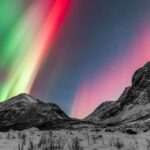
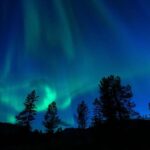
Even when the lights are visible, they won’t always look like the bright images you’ve seen online. A lot of the satisfaction comes from watching the sky respond over time, not from expecting constant fireworks.
Skibotn: darker viewpoints and patient watching
Skibotn is another planned viewing area where the goal is a better look at the sky. This stop usually works well when you want a real chance at an aurora that holds long enough for photos and a relaxed few minutes of watching.
If you’re hoping for a dramatic show instantly, this is where patience pays off. The guide’s explanations and pacing matter—stopping, setting up, and waiting a bit is often when the light finally decides to show.
Pyhäouta: further chasing when needed
Pyhäouta is included as part of the farther push if conditions require it. The tour’s route description also notes that you may drive as far as inside Finland when necessary—meaning you’re not limited by a small local radius.
This is a good thing if you want to maximize your odds. It can also mean longer driving stretches. For me, that’s a trade I’d gladly make, since cloud cover is the enemy of aurora photography.
Keinovuopio: the last swing at clear skies
Keinovuopio is the final stop listed, again targeting chances for clear sky. By this point in the evening, you’ve already learned the basics of what the sky is doing—and you’ll likely know whether the night is turning into a show or staying faint.
This is when the tour can really feel like it clicked: you’re warm, you understand the lighting, and you have time to catch a clearer display if conditions finally cooperate.
Photography help that isn’t just theory
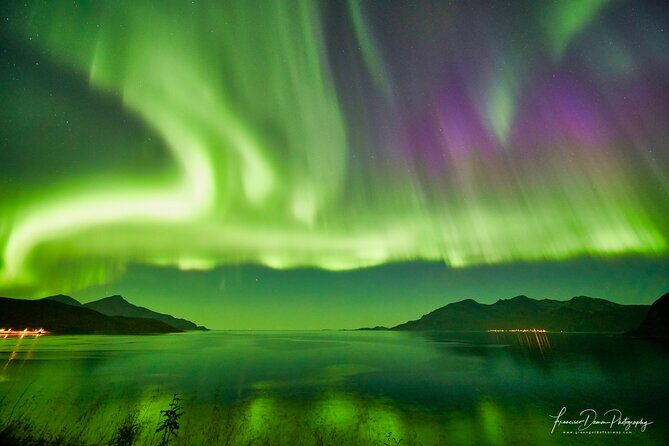
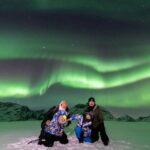
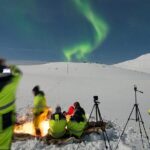
One of the most valuable parts of the tour is the focus on northern lights photography. You don’t need to show up with a camera. The guide can also take pictures and send them to you at no extra cost.
If you do have a camera, this is the kind of coaching that helps you move past guesswork. You’ll learn practical techniques to capture the dancing sky, which is crucial because auroras change fast and the camera settings that work for one moment may not work for the next.
A bonus: some guides are especially praised for helping you get great photos across different spots—so even if one stop is slow, you still have opportunities to improve your results.
Warm gear, tea, coffee, and keeping your eyes dark
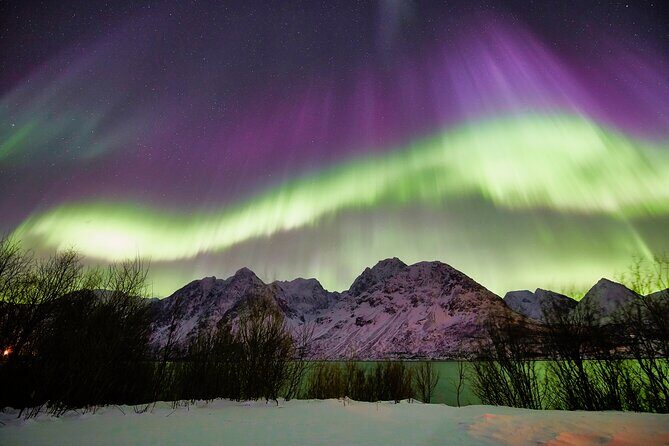
Being cold on a lights tour doesn’t just feel uncomfortable—it affects your whole experience. Included warm overalls and boots mean you can focus on watching instead of constantly adjusting layers.
The tour also offers tea, coffee, and muffins while you’re outside. That’s more than a snack. Warm drinks help you recover between photo setups, and having something to eat keeps your energy steady during the drive-and-wait rhythm.
Small but important detail: your eyes need time in the dark. If you want to actually enjoy the light show, keep distractions low and let your vision do its job.
Guide energy matters: science talk plus real chasing
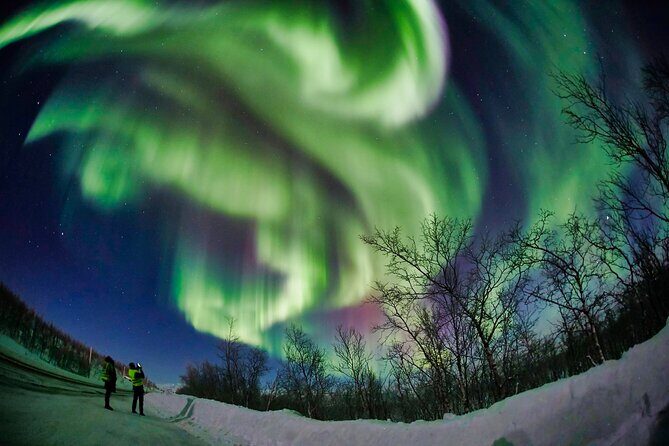
A good aurora guide doesn’t just point at the sky. They explain what’s happening, manage expectations, and then keep searching until they find the best conditions they can.
Guides like Angel, Aron, Alex, Andis, Aaron, Jan, Mat, and Andy show up in past experiences as people who combined safe driving with strong chasing instincts. You’ll also get that “one guide in charge” style in the minivan, which helps you feel less lost as the plan shifts.
If your night includes faint auroras, a clear explanation can turn confusion into enjoyment. When the sky is doing very little, you’ll still know what to look for and why it might be hard.
The photo workflow: what you should know before trusting it
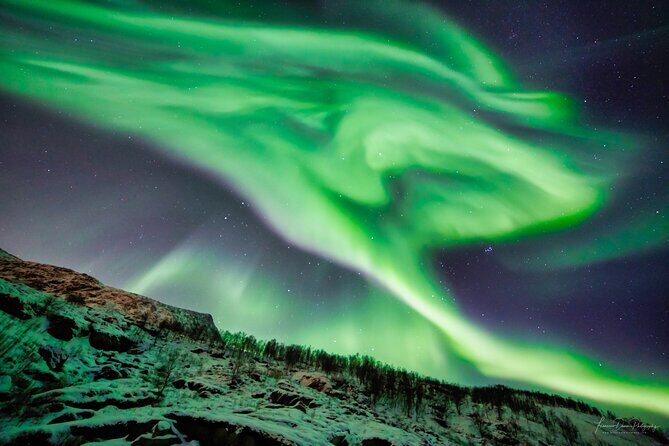
This tour offers a helpful safety net: you don’t need your own camera, and the guide can take pictures and send them to you at no extra cost.
Still, from real-world experience with any photo service, I’d treat it like this: give the operator the correct email and confirm you’ll receive the images after the tour. If your aurora is weak, there may be fewer usable shots—but the photo service itself is part of the value proposition.
If you’re the type who wants to leave with a guaranteed set of perfect shots, keep your expectations flexible. Aurora nights can be quiet even when everything goes right.
Price and value: where the $204.51 per person fits
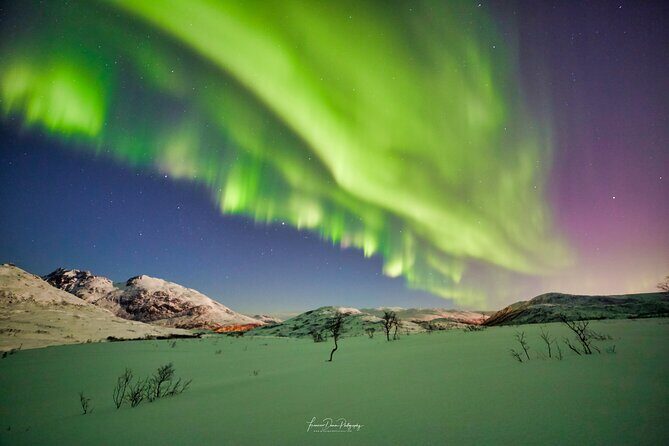
At $204.51 per person for about 6 hours, you’re paying for more than transportation. You’re paying for:
- a small group size (8 per minivan)
- multiple stops to chase clear sky
- provided warm gear
- photo support (including guide-taken photos)
- guided explanations in English
This cost makes the most sense if you want a smoother night—less waiting in crowds, more time at chosen viewing spots, and more direct attention when conditions change.
If you’re comfortable with longer bus-style logistics and you don’t care about small-group guiding, you might feel the price more sharply. But for many people, the efficiency of the minivan format is exactly what makes the experience feel worth it.
Who this tour suits best (and who should think twice)
This fits best if you:
- want a true chase format, not a single parking-lot stop
- care about northern lights photography tips (or want the guide to help with photos)
- prefer a small group experience in a heated vehicle between stops
- want included warm gear rather than packing everything yourself
It’s less ideal if you’re expecting bright, constant auroras like in promotional photos. You may see quiet auroras, faint displays, or moments where clouds win. That can still be magical, but it’s not controllable.
Should you book this Tromsø minivan northern lights tour?
If your main goal is to maximize your odds and learn a few tricks for photographing auroras, I think this is a strong pick. The combination of multiple targeted stops, warm gear, and photo help in a small 8-person minivan is a practical recipe for turning a cold night into a memorable one.
Book it if you’re willing to chase a bit, stand outside in the dark, and enjoy the process. Skip it only if you need guaranteed fireworks in the sky and will feel disappointed when the aurora is weak or briefly obscured.