REVIEW · NORWAY
Færvik: Raet National Park Sea Kayaking Trip
Book on GetYourGuide →Operated by TrollAktiv Hove · Bookable on GetYourGuide
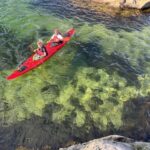
Norway’s skerries look different when you’re skimming the surface. This 3-hour sea kayaking trip in Agder County lets you see the Raet marine national park up close—98% of it sitting below you—plus the islands of Gjessøya, Merdø, and the sandy bay of Gjessholmen. It also connects the scenery to human use of the area, including older sea routes from the 1500s.
I love how practical the start is: you get protective gear, a clear safety briefing, and paddle training before you head out. I also really like the way the guide builds in local history while you’re moving, so you’re not just staring at water—you’re learning what you’re looking at.
One consideration: even though the trip is beginner-friendly, you still paddle for about 2 to 3 hours total in open water, so you’ll want to be comfortable with effort and able to swim.
In This Review
- Key things that make this kayak tour worth your time
- Raet National Park: 98% underwater, and you see it anyway
- Starting at Hove: safety talk, protective gear, and real paddle training
- Heading southwest: Gjessøya, St Helena, and Badeholmen in sheltered water
- Gjessholmen’s sandy bay: where the route slows down for your eyes
- Merdø on the agenda: kayaking by history and museum potential
- Paddling stops that feel like waypoints, not just mileage
- What you’re paying for: $125 for coaching, gear, and guided history
- Who this trip is best for (and who should skip it)
- What to bring (and how to avoid getting miserable)
- Weather reality: why “rain” doesn’t have to ruin your day
- Should you book the Raet National Park sea kayaking trip from Hove?
- FAQ
- Where does the sea kayaking tour start?
- How long is the trip?
- Is the tour suitable for beginners?
- What equipment is provided?
- What should I bring?
- What languages are spoken?
- Is there any swimming requirement?
- Are drones or alcohol allowed?
Key things that make this kayak tour worth your time
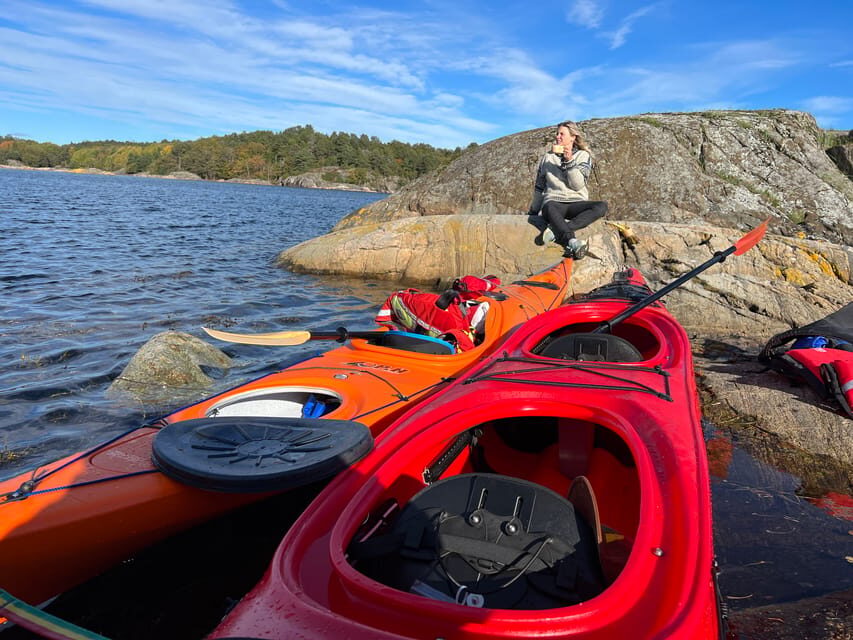
- Raet National Park from the water: you’re above a landscape that’s mostly hidden beneath the surface (98% below water).
- Real skerries geography: sheltered paddling around the archipelago, then time in open water.
- Beginner coaching that actually helps: paddle technique practice before the main route starts.
- A human story while you glide: sea routes from the 1500s plus glacial leftovers around 12,000 years old.
- Strong guide reputation: people specifically call out guides who stay prepared in changing weather (one guide named Pat is highlighted).
- Optional-ish detours: you may have a chance to paddle toward historic Merdø for lunch or a museum visit.
Raet National Park: 98% underwater, and you see it anyway
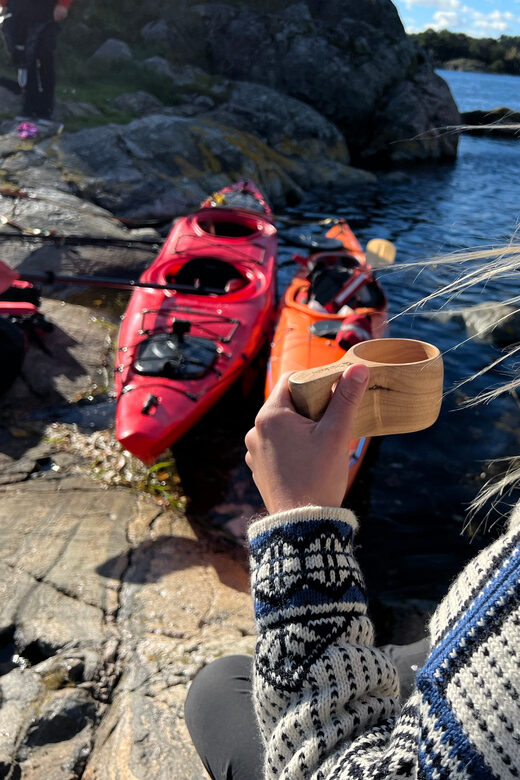
If you only look at the coast from land, Raet can feel like a pretty shoreline. From a kayak, it becomes something else—because you’re effectively floating over the park’s underwater world. The Raet marine national park is described as 98% below water, and that matters. You’re not just “visiting a place.” You’re touring the seascape that gives the area its identity: shallow channels, island edges, and sheltered routes where wildlife makes its home.
Then there’s the age of the scenery. The route ties to a glacier story that goes back over 12,000 years, which is a wild thought when you’re sitting in cold, clear water with granite around you and islands shaped by time. You start to understand why these waters feel so clean and why the seabed and shoreline matter so much here.
Finally, you get a layered view of time and use. The tour route references sea routes from the 1500s, so the islands weren’t just scenic—they were traveled, worked, and connected. In other words, the scenery isn’t floating by randomly. You’re seeing how people moved through these waters long before modern maps and GPS.
A few more Norway tours and experiences worth a look
Starting at Hove: safety talk, protective gear, and real paddle training
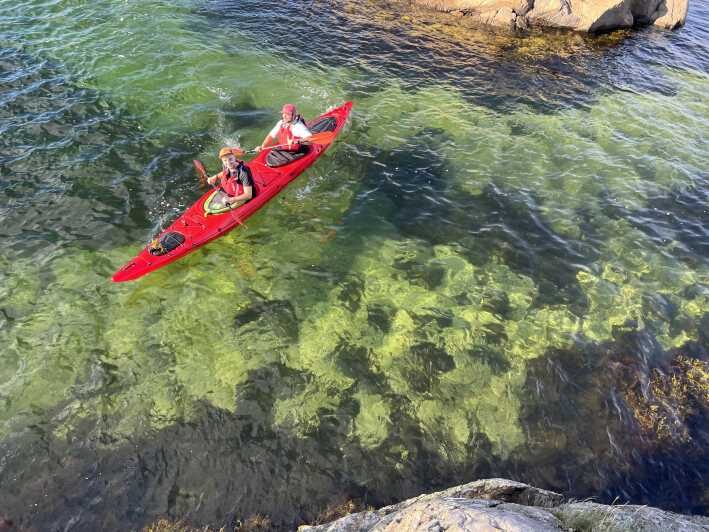
The trip starts at the beach house area in Hove on Tromøya, with the main launch area listed at Hoveodden (at Hoveveien 108 for the meeting point). Before you hit the water, you’ll get protective clothing and a safety talk. The safety briefing is about 20 minutes, which is long enough to cover what you actually need—without turning the morning into a classroom.
Then comes the part I think makes this tour especially friendly for first-timers: the guide demonstrates paddle techniques and you get time to practice before starting the main route. That practice time is what helps you avoid the common beginner mistake of fighting the paddle instead of learning how to steer and keep a steady rhythm.
You’ll be on the water for paddling segments totaling about 2 to 3 hours, and that’s the real “workout” portion of a sea kayaking trip. The difference here is that your strokes get coached early, so you’re not guessing the whole time. If you can swim and you’re in good physical health, this setup is designed to keep you comfortable and confident.
Heading southwest: Gjessøya, St Helena, and Badeholmen in sheltered water
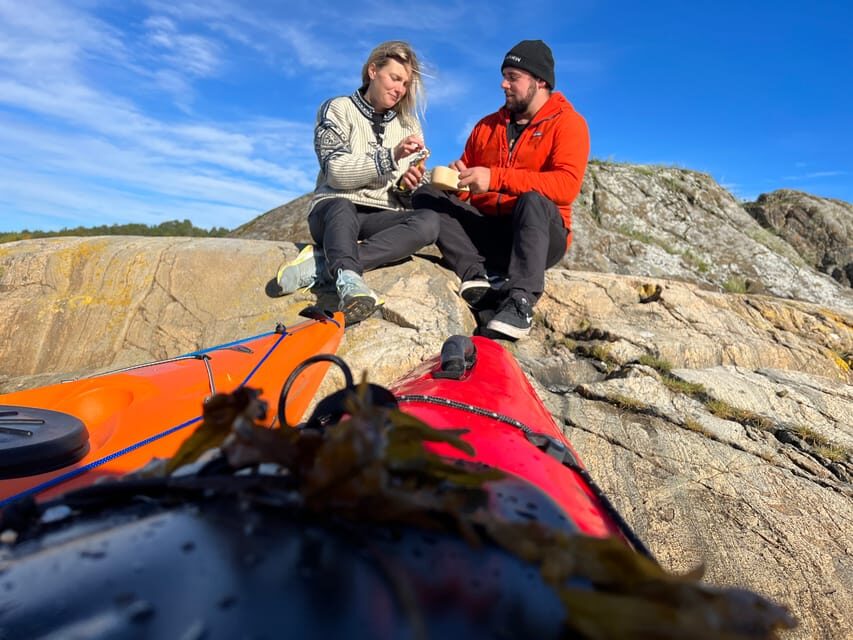
Once you start, the first stretch is about easing into the rhythm. After the launch and early paddling time, the route turns you toward the island groupings that make this part of Southern Norway so satisfying: you glide through sheltered waters where island walls break the wind and chop.
Along the way, the route passes St Helena island and Badeholmen before reaching the sandy bay at Gjessholmen. Those named waypoints matter. They turn the trip into something you can mentally track, rather than “paddle, paddle, island, paddle.” The guide also explains what you’re seeing—so when you notice current patterns, sheltered pockets, or changes in shoreline shape, you’ll have a story for why it looks that way.
Then you reach Gjessøya. The stop is relatively brief (around 10 minutes to pass by), but it’s useful. You’re not spending a long time docked; you’re still doing what sea kayaking does best: moving through space. Passing islands is also a practical way to keep the group flowing in changing weather, which matters in coastal Norway.
Gjessholmen’s sandy bay: where the route slows down for your eyes
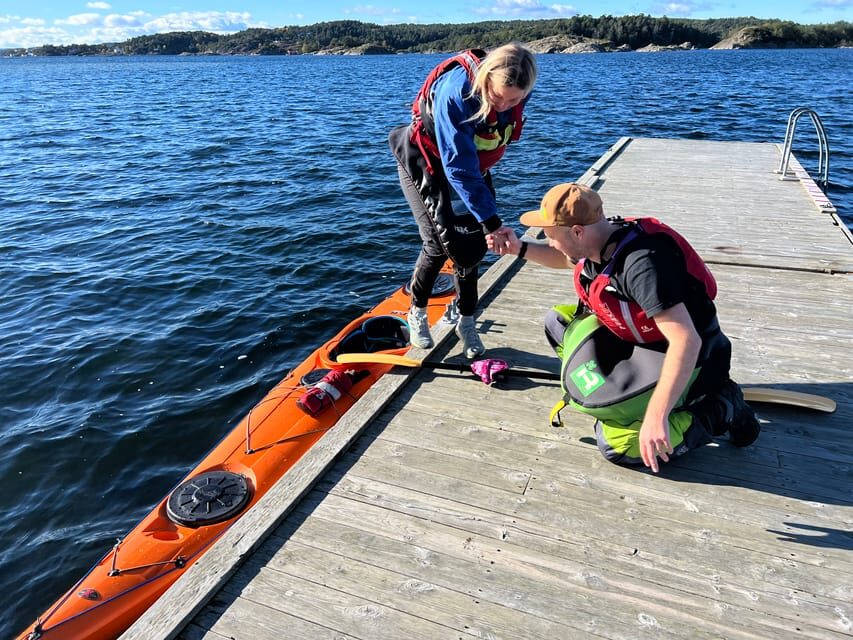
One of the most memorable parts of this trip is the sandy bay at Gjessholmen. In a sea kayak, beaches like this don’t look like a postcard—they look like a place you could land and step out. That’s because the water is clear and the shoreline is close enough for you to gauge depth, waves, and how the bay settles when wind shifts.
The sandy bay is also a natural “reset moment.” After open stretches and island edges, you get a calmer pocket where you can notice details: how maritime life behaves near the shore, what the water looks like at different angles, and how the landscape reflects what a glacier left behind long ago.
This is where the “unspoiled nature” idea becomes real in a sensory way. You’re not just looking at preserved coastline from afar. You’re gliding alongside it at human speed, with the waterline as your guide.
Merdø on the agenda: kayaking by history and museum potential
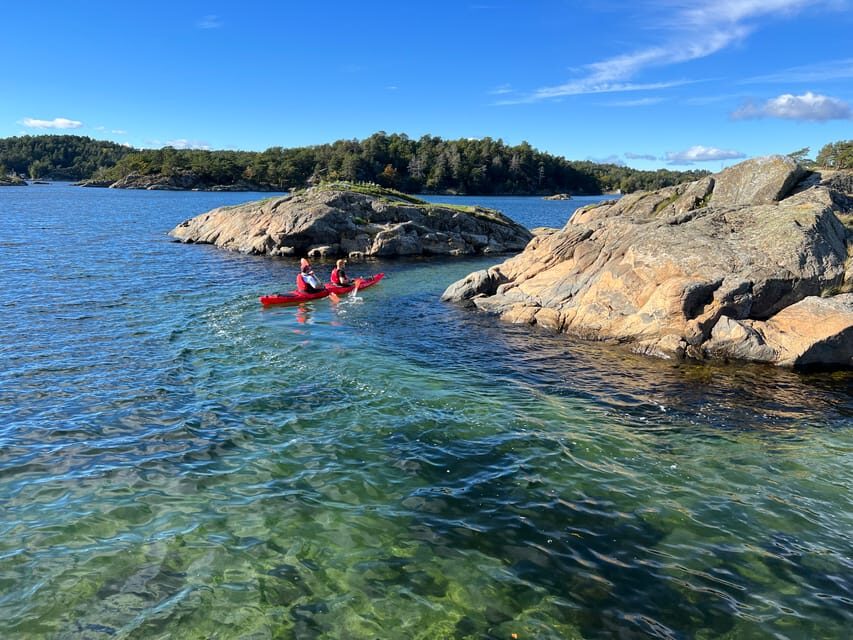
The route includes Merdø in a meaningful way. You spend about 30 minutes kayaking around there, and Merdø also shows up in the description as a place you can paddle toward for lunch or a museum visit.
That flexibility is important. A lot of tours force one agenda. Here, you’re traveling by kayak, so it’s easier to adjust to what the group wants—within the constraints of weather and time. If you enjoy mixing nature with a little cultural stop, Merdø gives you that option without turning the day into a bus ride.
Even if you don’t add a museum stop, just being near Merdø helps connect the dots between water travel and local identity. These islands weren’t random dots on a coastline—they were part of how people lived and moved. Kayaking keeps you in the same setting that shaped those routes.


Paddling stops that feel like waypoints, not just mileage
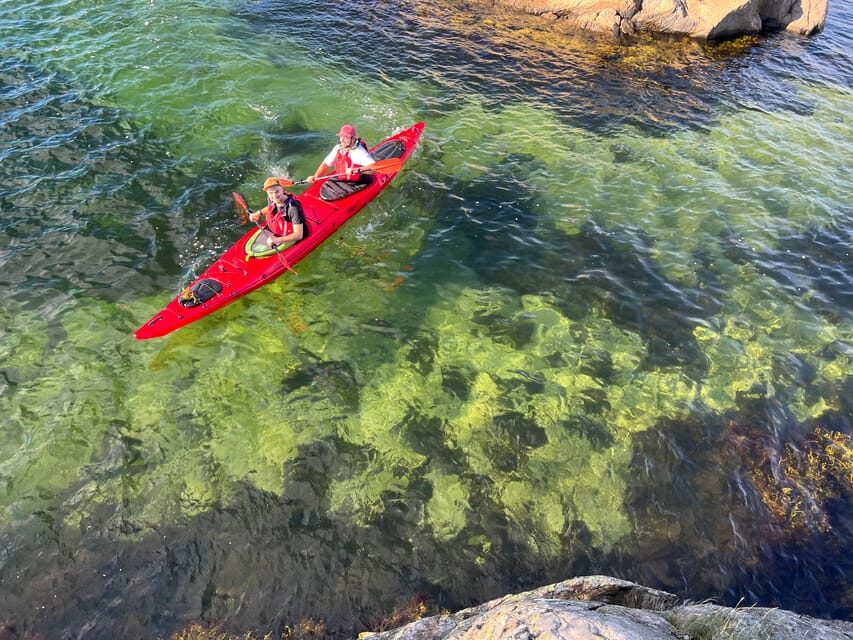
The tour itinerary includes additional time blocks that function like rhythm markers—places to settle, regroup, and take in what’s around you.
After Gjessøya and Merdø, the route calls out Lille Brattholmen and then Torjusholmen, with paddling time around 30 minutes and 40 minutes respectively. I like how this works because sea kayaking is both mental and physical. You need frequent opportunities to:
- check your comfort level,
- notice wildlife and shoreline details,
- and keep your steering smooth.
Long, unbroken paddling can be tiring for beginners. Spreading the day into named points makes it feel like a journey rather than a test. The guide’s explanations at points of interest help too—so when you pause, you’re also learning.
What you’re paying for: $125 for coaching, gear, and guided history
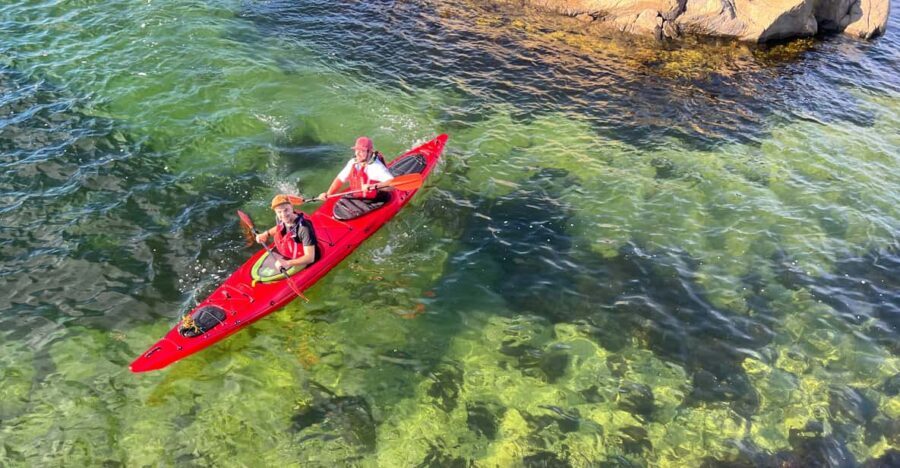
At $125 per person for a 3-hour experience, you’re paying for more than time on water. The value is in the package:
- All water equipment included (so you’re not shopping for the right kayak gear at the last minute),
- training on how to paddle, including technique practice,
- pictures taken by your guide,
- and local history woven into the route.
If you’ve never sea kayaked before, coaching and safety preparation are the cost-saving parts. Getting instruction from someone who handles the local conditions is worth a lot, because sea kayaking is not “sit and watch.” You need basic competence quickly.
Also, weather in Norway can change fast. One review highlights that the guide stayed great regardless of weather, and another points to a guide named Pat handling rain with a well-prepared, engaging approach. That reputation matters because a tour that’s only fun in perfect sunshine isn’t what you want here.
Who this trip is best for (and who should skip it)
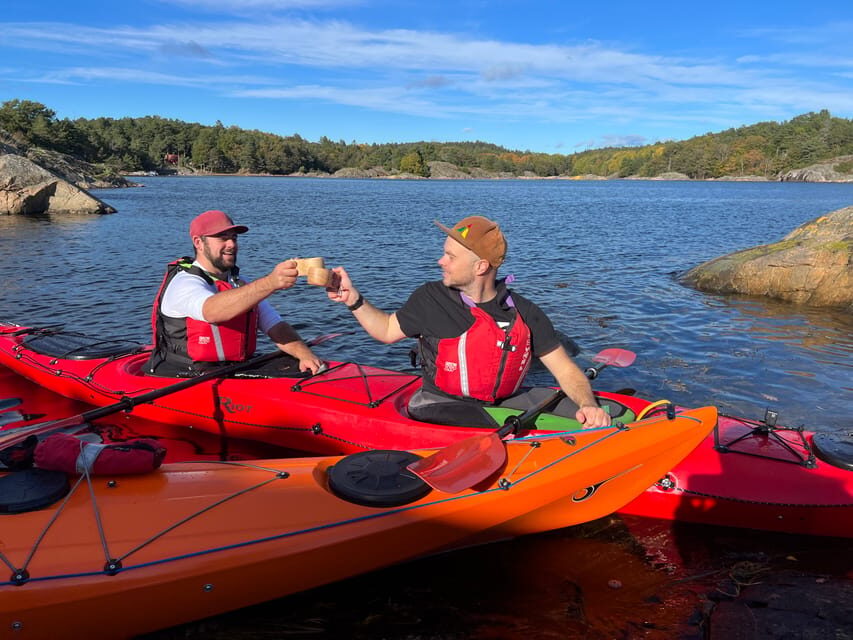
This is a trip designed for beginners, but it’s still a real sea kayaking day. The key factors from the tour guidance:
- You should be able to swim.
- You should be in good physical health.
- You’ll paddle for 2 to 3 hours in open water, even if the initial coaching helps you manage it.
It’s not suitable for:
- children under 12,
- pregnant women,
- non-swimmers,
- people over 243 lbs / 110 kg.
If you’re an active traveler who wants nature with a plan—rather than a vague “go paddle and hope”—this fits well. It’s also ideal if you like wildlife, clear water, and history that feels grounded in place.
If you’re looking for a gentle, loungy half-hour on a calm pond, this probably won’t match your expectations. It’s beginner-friendly, not effortless.
What to bring (and how to avoid getting miserable)
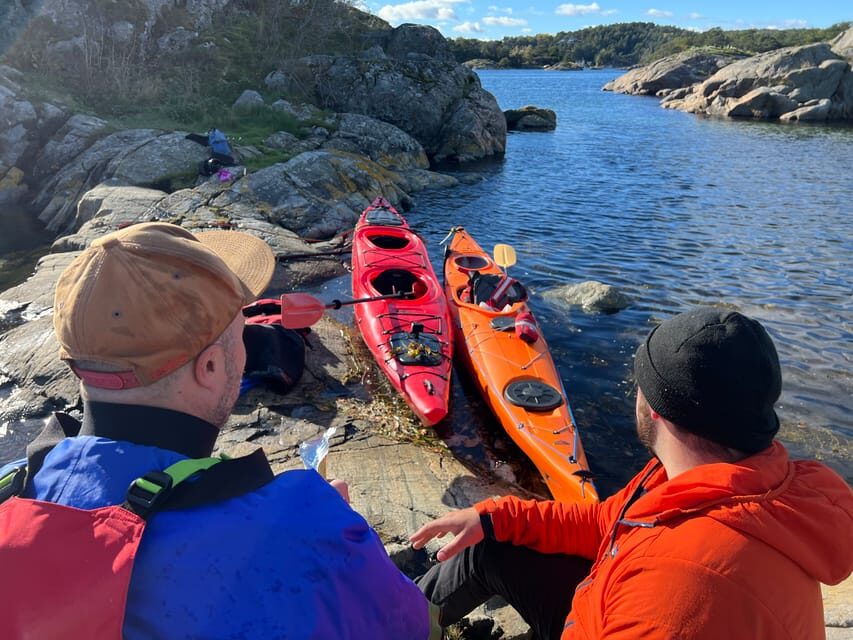
You’ll receive protective clothing, but you still need to dress for cold water and changing coastal weather. The tour specifically asks you to bring:
- Comfortable shoes
- Swimsuit
- Wool underclothes
- Warm clothing
- A change of clothes
- A towel
- Jogging shoes
That list is practical. Sea kayaking gear can keep you protected, but you’ll still likely get damp, especially in wind or light rain. A change of clothes and towel are what turn the end of the trip from “let’s hurry to warm up” into a smoother finish.
Also note what’s not allowed: no smoking, drones, or alcohol and drugs. Bare feet are also listed as not allowed, which is a reminder to keep everything footwear-safe.
Weather reality: why “rain” doesn’t have to ruin your day
The coastal skerries can be unpredictable. The experience notes that activities may be moved or canceled due to bad weather. At the same time, the feedback includes examples of the trip being great even with rain.
So here’s the practical mindset: if you’re planning around perfect weather, you may be disappointed. If you’re the type who can enjoy being on the water when clouds roll in, you’ll probably enjoy this more. The best part is that the route is in sheltered archipelago waters for much of the time, so conditions are often manageable even when the sky isn’t cooperating.
Should you book the Raet National Park sea kayaking trip from Hove?
Book this if you want a sea kayaking day that’s genuinely instructional, not just recreational. The combination of protective gear, safety briefing, and paddle practice makes it a strong choice for first-timers who want confidence quickly. I also think the Raet theme works well here—seeing the park’s underwater character from the surface is a perspective you can’t recreate any other way.
Skip it if you don’t want physical effort, if you’re not comfortable swimming, or if open water paddling for a few hours would feel stressful.
If your goal is clear-water skerries scenery, maritime life, and a guided route with history threaded in—this is a good use of your time in Agder County.
FAQ
Where does the sea kayaking tour start?
The tour meeting point is listed at Hoveveien 108 (Beach house at Hove on Tromøya), and the launch area is described at Hoveodden.
How long is the trip?
The experience lasts about 3 hours.
Is the tour suitable for beginners?
Yes. The tour is described as suitable for beginners, but you should be prepared to paddle for about 2 to 3 hours in open water.
What equipment is provided?
All water equipment is included, and you’ll be equipped with protective clothing. Your guide also provides paddle instruction and training.
What should I bring?
Bring comfortable shoes, warm clothing, a swimsuit, wool underclothes, a change of clothes, and a towel.
What languages are spoken?
The instructor speaks Norwegian and English.
Is there any swimming requirement?
Yes. The tour guidance says participants should be able to swim and be in good physical health.
Are drones or alcohol allowed?
No. Drones are not allowed, and alcohol and drugs are not allowed during the activity.