REVIEW · BERGEN
Bergen: Self-Guided Day Trip to Oslo
Book on GetYourGuide →Operated by Easy Travel Norway · Bookable on GetYourGuide
Fjord time without the planning headache. This Bergen-to-Oslo day trip strings together big Norway moments with a fjord cruise on Aurlandsfjord/Nærøyfjord and a ride on the legendary Flåm Railway. I especially like the way it mixes train, bus, and boat so you’re always moving through new views, not stuck in one scenic bubble. The main drawback is simple: it’s a long day, and if the weather turns rainy and cloudy, you may not see the sights as sharply as the bright-day photos.
Because it’s self-guided, you’re following a set route rather than chatting with a guide. You’ll want to show up ready to hop between modes of transport, dress in smart casual, and take care of food and drinks on your own. Also, the trip isn’t suitable for pregnant women or anyone with mobility impairments or wheelchair needs.
In This Review
- Key highlights and what they mean for you
- How this Bergen to Oslo day trip is built for maximum scenery
- A quick note on Bergen itself before you leave
- Bergen Railway to Voss: a smooth start that sets the tone
- What can slow you down here
- The Stalheimskleiva serpentine road by bus (May–September)
- If weather turns
- Aurlandsfjord and Nærøyfjord cruise: seeing UNESCO fjords from the water
- What to expect on the cruise experience
- Boarding and timing reality check
- Flåm village time: the base for the steepest rail thrill
- What makes the Flåm Railway legendary (numbers you can actually picture)
- Direction matters, but the feeling stays
- A small consideration: comfort after a long day
- The train to Oslo: finishing the day in Norway’s capital
- What you’ll likely feel when you arrive
- Price and value: why $628 can make sense for this kind of day
- Group size, self-guided reality, and who this trip fits best
- Who will love it most
- Who should think twice
- Weather, daylight, and managing expectations for fjord views
- Should you book this Bergen to Oslo self-guided day trip?
- FAQ
- How long is the Bergen to Oslo self-guided day trip?
- Is this tour guided?
- What transport is included?
- What’s not included?
- What does the Flåm Railway include in terms of scale?
- What is the maximum group size?
- Is free cancellation available?
Key highlights and what they mean for you
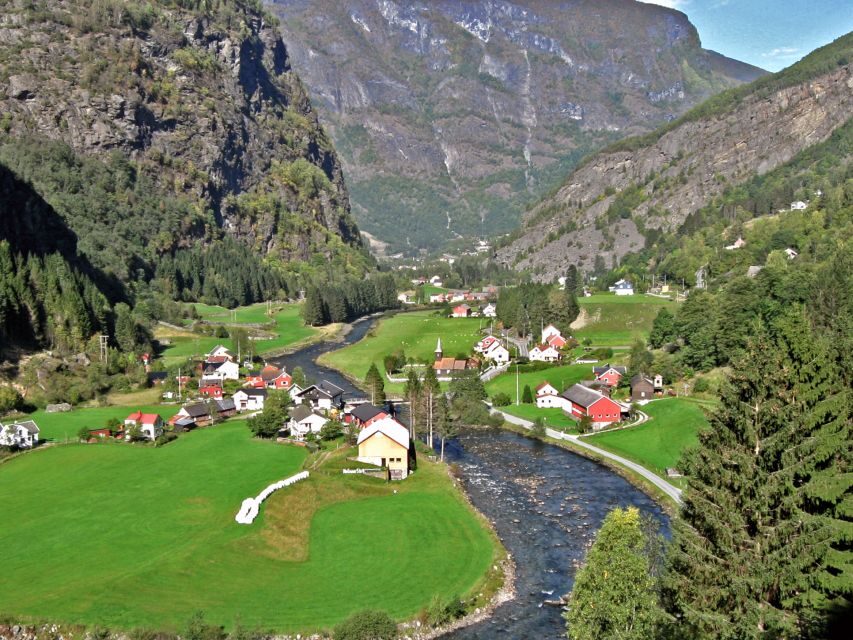
- Aurlandsfjord + Nærøyfjord by cruise: You get the UNESCO fjord views from the water, not just from the roadside.
- Flåm Railway engineering: A steep 20 km line with a dramatic 865 m descent (1 in 18) and 20 tunnels totaling 6 km.
- Stalheimskleiva serpentine road (May–September): A bus segment with classic hairpin-road drama.
- Small group size (max 15): Still small enough to feel manageable on busy travel days.
- Self-guided, no guide: You’ll rely on your timing and the provided plan rather than on-the-spot explanations.
How this Bergen to Oslo day trip is built for maximum scenery
This trip is designed like a scenic chain. You start in Bergen, then work your way through rail, road, and water so the “wow” factor keeps resetting. Norway’s fjord country is UNESCO-listed, and the route is framed by mountain scenery that changes character as you move from city edge to fjord narrowness.
What I like most is the variety. One stretch is about rolling inland views from the Bergen Railway corridor, then you hit the fjords where the water squeezes between steep walls. After that, the Flåm Railway gives you the thrill of serious engineering, not just pretty scenery.
There’s also a practical angle to this plan. If you’ve ever tried to stitch together trains, boats, and transfers on your own, you know how fast it can turn into a stress hobby. Here, the included transport segments are already linked into a single day rhythm—then you just execute.
You can also read our reviews of more guided tours in Bergen
A quick note on Bergen itself before you leave
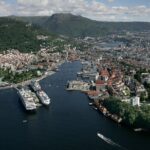
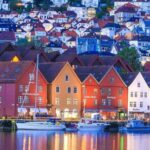
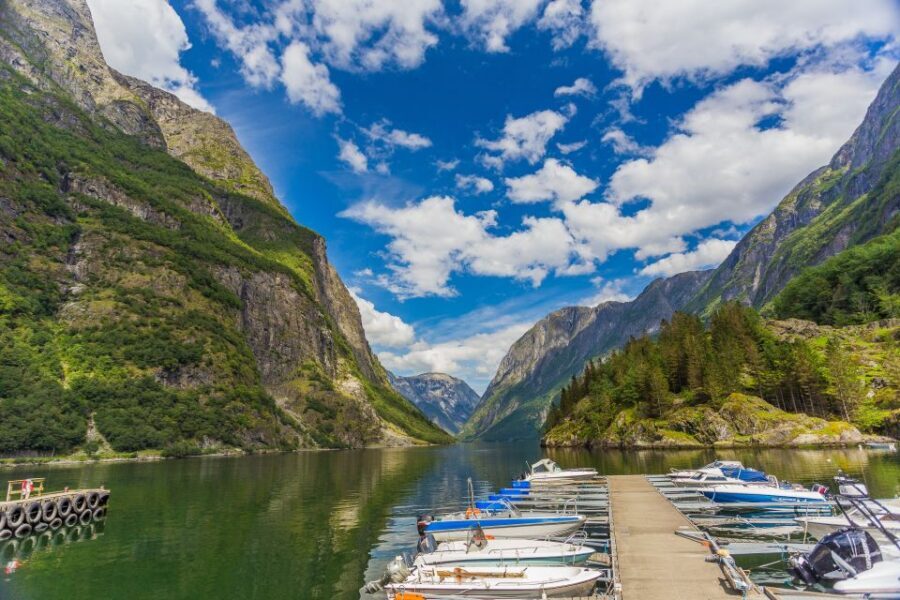
Even if you don’t spend much time sightseeing in the center, Bergen has a real geographic personality. The city sits around Byfjorden—the city fjord—with mountains rising right up around town. Bergen is also called the city of seven mountains, and that steep, dramatic setting is part of why the fjords feel like they’re “right there.”
If you have time before departure, a short wander helps you get oriented on the terrain. If you don’t, no worries. The day trip does the scenic heavy lifting.
Bergen Railway to Voss: a smooth start that sets the tone
A big piece of your morning is the train between Bergen and Voss as part of the Bergen Railway network. This is one of the most comfortable ways to begin a long day because the scenery rolls by without the fuss of multiple transfers right away.
Why this matters for you: it lowers friction early. On a route like this, the later segments (bus bends, fjord cruise boarding, railway timing) require focus. Starting with a train gives you an easier rhythm while you settle into the day.
You’ll also get a taste of Norway beyond the waterfront. Voss is known for its inland character, and the views shift from city-edge terrain toward broader countryside. That matters because when you later reach the fjords, the contrast makes them feel even more dramatic.
What can slow you down here
The only “risk” on a train start is the usual one: arriving late to the platform. Because this is self-guided, you’re not relying on a guide to herd you along. I’d treat station arrival like a check-in: give yourself buffer time so you’re not sprinting in a cold station.
The Stalheimskleiva serpentine road by bus (May–September)
In the May–September window, the included bus route includes the Stalheimskleiva serpentine road. This is one of those stretches where road travel becomes part of the sightseeing.
Why I think it’s worth it: you don’t just watch scenery pass. You feel the elevation changes as the bus winds along hairpin curves. You also get quick, angled views into valleys that are easy to miss from flat ground.
The practical side: bus riding means you’ll want to think about comfort. Bring what you’d want for a longer seat time—especially if the day turns chilly. If you’re sensitive to motion, know that winding roads can be more noticeable than straight stretches.
A few more Bergen tours and experiences worth a look

If weather turns
Fjord days are weather-sensitive. On rainy or cloudy conditions, you can lose that crisp contrast between snow-capped peaks and dark fjord water. The bus segment still delivers shape and depth, but the “poster effect” depends on visibility.
Aurlandsfjord and Nærøyfjord cruise: seeing UNESCO fjords from the water
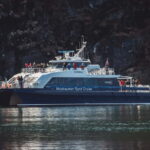
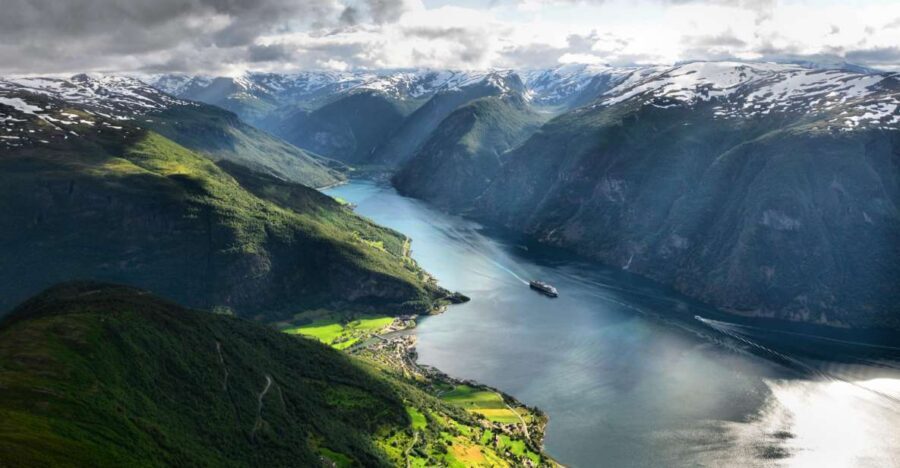
The heart of the day’s scenery is the fjord cruise, including time on Aurlandsfjord and then the narrow Nærøyfjord. This is where the route earns its reputation.
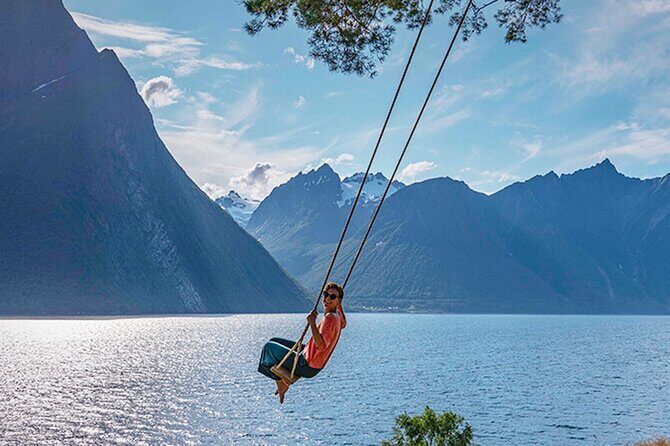
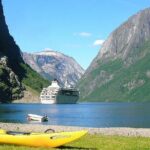
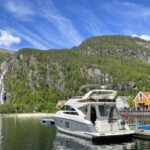
I love fjords best from the water because you get scale. From shore, cliffs look tall; from a boat, you feel how steep and close they are. The Nærøyfjord in particular is famous for that narrow, enclosed feel, and cruises are one of the best ways to experience it without requiring long hikes or driving distances.
What to expect on the cruise experience
A cruise adds two layers to your day:
- You get “moving viewpoints,” which reduces fatigue compared to constant static sightseeing.
- The fjord lighting changes as you progress, so the same walls can look different from one stretch to the next.
Also, it’s a built-in reset. After train and bus segments, a fjord cruise gives you time to breathe, look, and let the route unfold around you. This is the part where many people go quiet with the phone down.
Boarding and timing reality check
Because this is self-guided, you’ll want to be on top of boarding windows. If you’re late, you can miss the boat. I’d recommend keeping your schedule info handy and your daypack organized—no digging for tickets once you’re at the dock.
Flåm village time: the base for the steepest rail thrill
Once you reach the Flåm area, you’re in the right spot to experience what makes the railway famous. Flåm is the village tied to the Flåm Railway, and it’s where the fjord atmosphere meets a transport-focused hub.
This is also where you’ll likely notice something important about Norway travel: towns are small, but transport connections are tight. So the value isn’t only the view—it’s the efficiency. You’re not losing hours trying to get from one attraction to the next.
What makes the Flåm Railway legendary (numbers you can actually picture)
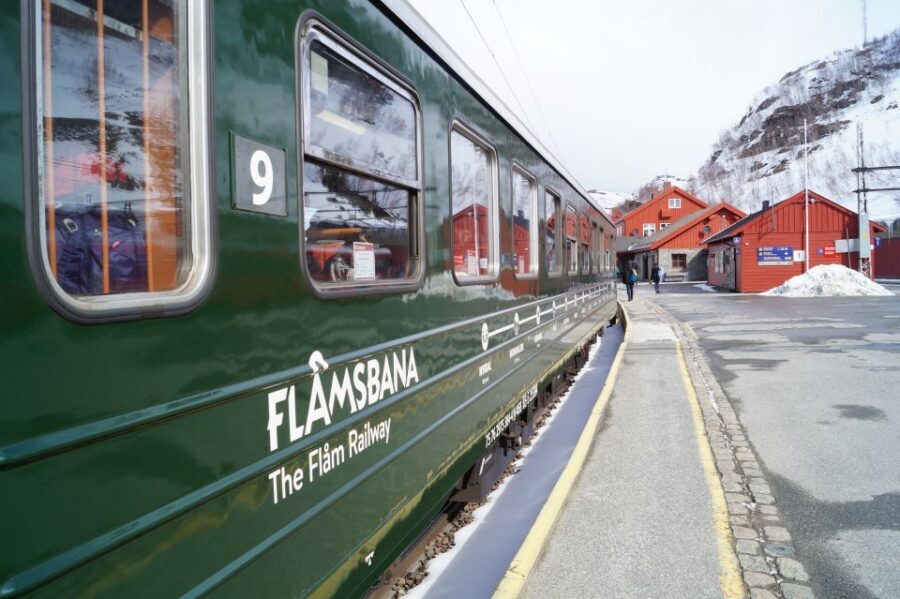
The Flåm Railway is one of the world’s steepest railways. It’s 20 kilometers long, with a descent of 865 meters and a gradient of one in 18. It also runs through 20 tunnels with a total length of 6 kilometers.
When you’re sitting in the car, those stats translate into real sensation. The angle is the point. The tunnels add the “pressure shift” effect—light changes, and suddenly you’re back in open views. This isn’t just a scenic ride; it’s a ride built around dramatic elevation change.
Direction matters, but the feeling stays
The railway is famous for its descent figure, but you can still experience the core thrill either way. Whether you’re riding down or up, you’ll feel the steep grade and see the mountain cutlines that make this route an engineering problem solved with daring.
A small consideration: comfort after a long day
You’re stacking a cruise, then a railway, then later a train toward Oslo. By the evening, seats and standing time can add up. One practical takeaway from long-day feedback: after sunset, it can feel physically harder than you expect. Plan for it. Wear shoes you can stand in without suffering, and avoid going too light on warm layers.
The train to Oslo: finishing the day in Norway’s capital
After the Flåm Railway segment, you continue by train to Oslo. The big win here is continuity. You’re still on rail for the final push, which is a calmer way to close out a day packed with multiple transport modes.
Why this ending works: it keeps you from turning the last hours into another scramble. Trains are straightforward compared to bus transfers and cruise boarding. You can settle in, watch the countryside blur by, and arrive with less stress than if the plan switched to more moving parts.
What you’ll likely feel when you arrive
By the time you reach Oslo, you’ll probably have that mix of satisfaction and fatigue that comes from doing a lot of scenery in one shot. That’s normal. If you still want energy for the evening, you’ll likely have the most luck doing something simple—walk a bit, grab dinner, then sleep early.
This is not a “slow travel” day. It’s a “see it all” day. If you accept that trade-off, you’ll enjoy it.
Price and value: why $628 can make sense for this kind of day
At $628 per person for about 16 hours, this isn’t a budget outing. But it’s also not only paying for views—it’s paying for bundled transport across a long route: train, bus, fjord cruise, and the Flåm Railway all included.
Here’s how I judge value for a trip like this:
- You get multiple high-cost segments covered together.
- You avoid coordinating separate bookings for each leg.
- The day is long enough that you’re getting real distance, not just a couple of quick stops.
The main value catch is what’s not included: food and drinks. That can quietly add up, especially in fjord-area stops where you might not find lots of cheap options. I’d budget for meals separately and keep some snacks on hand so you don’t get caught hungry between segments.
Also note what isn’t included: the tour is built for a one-way experience that includes the train to Oslo, but it doesn’t include the train back to Bergen. Make sure you already have a plan for how you’ll handle the return on your own.
Group size, self-guided reality, and who this trip fits best
This is a self-guided day trip with a maximum of 15 travelers. That small cap matters more than it sounds. Smaller groups usually feel less chaotic around boarding points and easier to manage if there’s a crowd.
But self-guided is the real personality of this tour. There’s no guide joining you. You’re not getting narration or on-the-spot advice. So your experience depends on how comfortable you feel following a schedule and finding your next platform/boat/rail step.
Who will love it most
You’ll likely enjoy this best if:
- You want fjords and trains in one day without building the route yourself.
- You like structured sightseeing with clear transport connections.
- You’re okay with a long day and don’t need a slow, lingering pace.
Who should think twice
This isn’t suitable for pregnant women, people with mobility impairments, or wheelchair users. Beyond that, if you know you struggle with tight timing, motion, or long sitting stretches, plan extra comfort carefully.
Weather, daylight, and managing expectations for fjord views
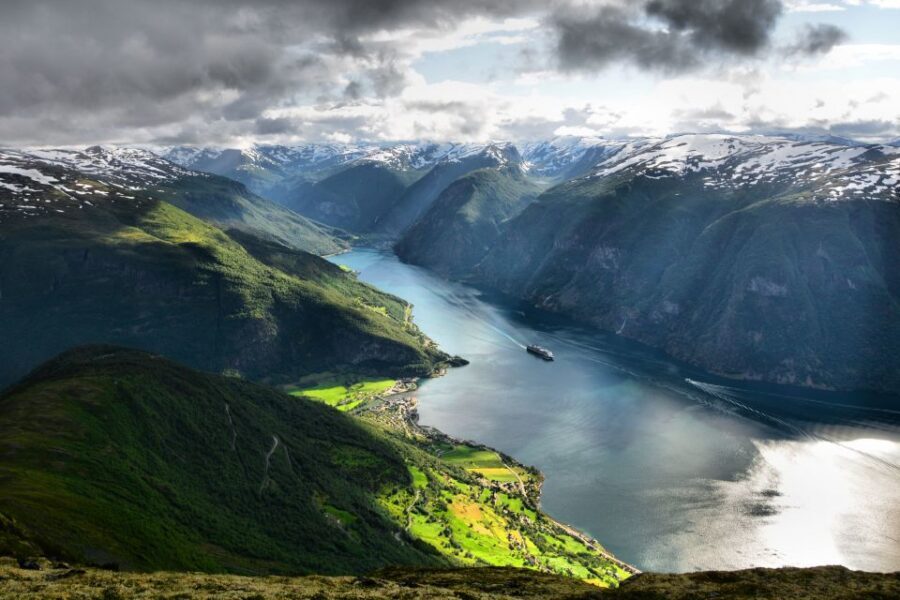
Norway fjords look their best when visibility is crisp. On a gray, rainy day, the scenery can still be stunning, but it changes character—less sharp contrast, more misty mood. The itinerary is still worth it because the route includes moving viewpoints and major engineering highlights, but photos can’t fully prepare you for the real weather.
If your trip falls in a shoulder period or you get cloudy skies, don’t panic. You’re still riding into UNESCO fjord country, and the fjord walls don’t vanish just because the sky turns. It’s more about adjusting the emotional expectation: you’re trading “bright and dramatic” for “moody and atmospheric.”
Should you book this Bergen to Oslo self-guided day trip?
Book it if you want a full Norway fix in one day: Aurlandsfjord + Nærøyfjord cruises, a serious chunk of rail travel, and the steep, famous Flåm Railway—all without a guide and with transport already handled.
Skip it if you hate long days, need lots of downtime, or rely on accessibility support you can’t provide on your own. Also think twice if you’re expecting the day to run like an easy sightseeing stroll. This is a packed travel day with tight connections, so comfort and timing matter.
If you’re the type who likes checklists done right and sights that don’t require extra planning, this is a strong value-for-effort choice—just go in knowing it’s 16 hours of moving through Norway, not 16 hours of relaxing in one place.
FAQ
How long is the Bergen to Oslo self-guided day trip?
The duration is 16 hours.
Is this tour guided?
No. It’s self-guided, and you won’t be joined by a guide.
What transport is included?
It includes a Bergen–Voss train ticket, a bus trip through scenic areas (including Stalheimskleiva serpentine road in May–September), fjord cruises on Aurlandsfjord and Nærøyfjord, the Flåm railway, the scenic Bergen Railway, and a train to Oslo.
What’s not included?
Food and drinks are not included, and the tour does not include the train back to Bergen.
What does the Flåm Railway include in terms of scale?
The Flåm Railway is 20 kilometers long with a descent of 865 meters and a gradient of one in 18. It includes 20 tunnels totaling 6 kilometers.
What is the maximum group size?
The maximum is 15 travelers.
Is free cancellation available?
Yes. You can cancel up to 3 days in advance for a full refund.