REVIEW · TROMSO
Tromsø: Horseback Riding Tour
Book on GetYourGuide →Operated by TROMSØ TURHEST AS · Bookable on GetYourGuide
The Arctic on horseback feels quietly unreal. You’ll ride on Kvaløya Island near Tromsø with a small group, guided start-to-finish, plus a real chance of seeing arctic wildlife. I especially like how the guide focuses on safety and horse care before you ever mount, and I also love the chance to learn the story behind Norway’s national horse breeds. One consideration: in deep winter, snow can affect how much of the coast you can ride along.
This is the kind of activity that turns a Norway postcard into something you can feel. You meet the team at the farm, get a quick safety briefing, and then spend real time with the horses—brushing, saddling up, and getting ready the right way. The total ride time is about two hours inside a 150-minute experience, which means you’re not just “doing a quick loop” and leaving.
A trip like this also rewards preparation. If you show up underdressed, you’ll feel it fast out on cold wind and wet ground, even with a helmet and a safety-minded guide. If you can dress warm and bring sturdy footwear, it’s a memorable way to experience Tromsø’s winter (or summer) outdoors.
In This Review
- Key things to know before you go
- Horseback riding on Kvaløya: what makes it feel Arctic
- Straumsvegen to Mari Sletta Farm: how the tour sets you up
- Safety briefing and helmets: the part that makes riding easier
- Meet the Norwegian breeds: why this tour feels more than riding
- The 150-minute flow: from barn time to riding time
- Where you ride: tide-timed shore, beach stops, and winter route changes
- What wildlife watching actually feels like here
- Price and value: is $262 worth 150 minutes?
- Who should book this (and who should think twice)
- Should you book Tromsø horseback riding on Kvaløya?
- FAQ
- How long is the Tromsø horseback riding tour?
- Where do I meet the guide?
- How do I get there by bus?
- What should I bring?
- Are helmets included?
- Is the tour suitable for children or pregnant travelers?
- What happens if the weather is bad?
Key things to know before you go
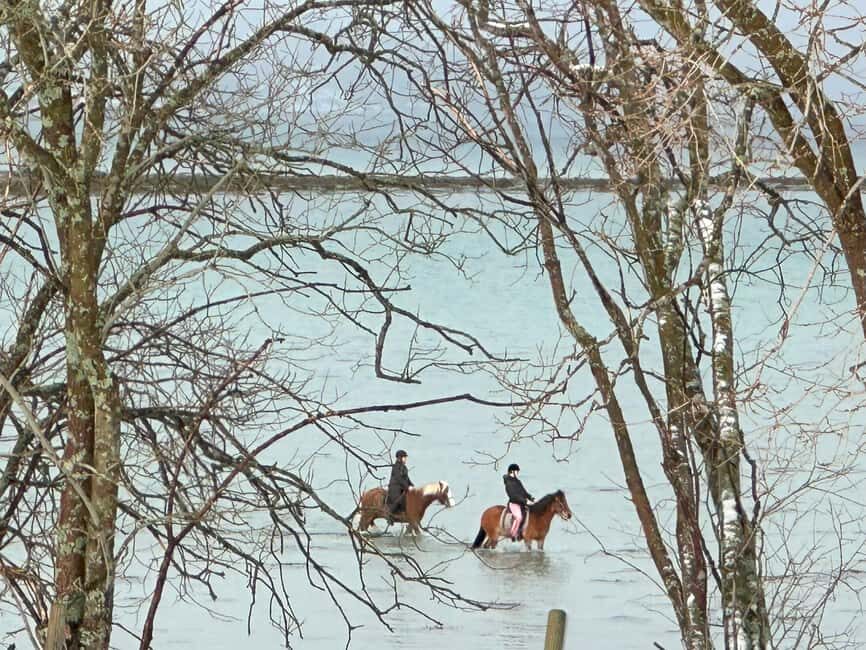
- Small group (max 5 riders): you get more attention while tacking up and during the ride.
- Norwegian national breeds: you may ride Lyngenhorse, Fjordhorse, and Dølahorse, each with its own history.
- Tides shape where you ride: depending on low/high tide, you may go to shore or beach.
- Safety is handled up front: you’ll get a briefing and gear like helmets before you mount.
- Wildlife sightings are possible: moose, eagles, and even seals in the sea may show up.
- Winter routes can change: snow may limit coastal sections, shifting you toward woodland.
Horseback riding on Kvaløya: what makes it feel Arctic
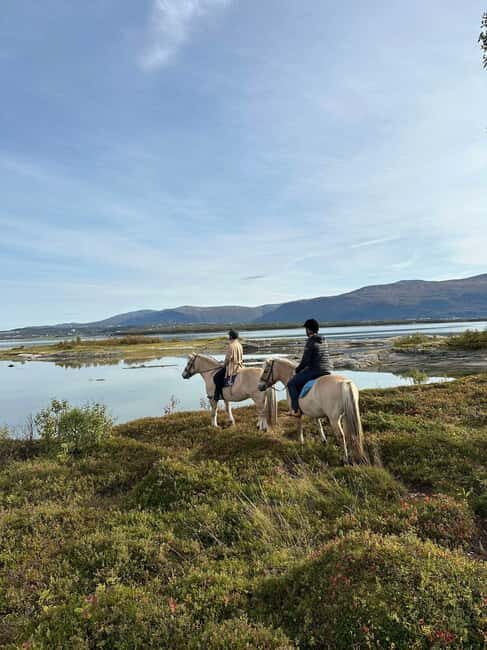
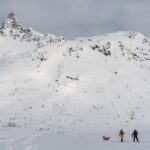
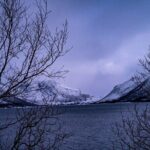
Kvaløya is one of those places where the air seems to sharpen everything. Even without going far from Tromsø, you’re out in an arctic setting that feels open, quiet, and big. The tour is designed for that reality: you start at a working farm, then you ride out into the island’s winter/summer outdoors with a guide watching both you and the horses.
What makes the experience stand out for me is the combination of calm horsemanship and real environment. It’s not just riding in a yard. Depending on conditions, you’ll be near the coast at shore or beach times, and you’ll also spend time in areas that can be sheltered from wind. That mix matters because it makes the ride feel varied instead of repetitive.
And then there’s the wildlife possibility. This is a place where moose can wander close enough to matter, eagles can be seen while you pause, and seals may be visible in the sea from the right stretch. You’re not guaranteed sightings, but the setting is built for them.
A few more Tromso tours and experiences worth a look
Straumsvegen to Mari Sletta Farm: how the tour sets you up
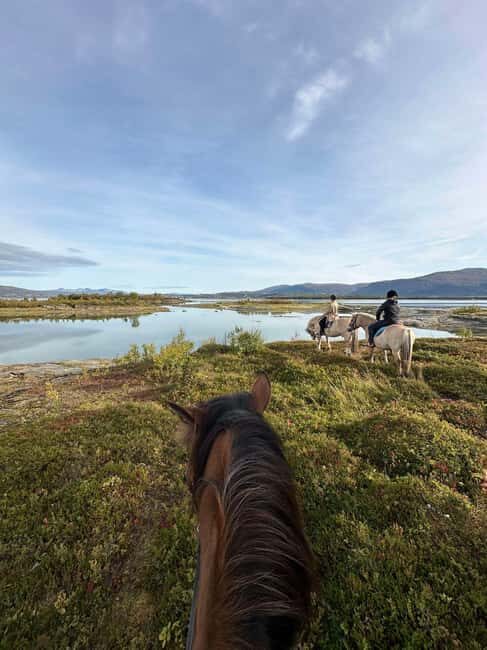
The experience starts at Straumsvegen 766a and it centers on Mari Sletta Farm in the Mari Sletta area. The practical win here is that you’re not dealing with a complicated rendezvous in Tromsø city. Once you find the farm, everything else is straightforward.
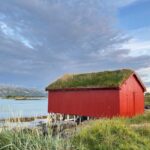
If you’re coming by bus, you can use Svipper bus 420 to the Marisletta stop, then walk about 3 minutes to the farm. If you’re driving, the instructions are very clear: there’s a free parking lot, and you park by the first red building on the right after turning off from the main road. From there, you walk down to the biggest red barn on the left side to meet your guide.
Why I like this setup for visitors: it keeps your energy for the ride. You’re not losing time figuring out obscure access roads in the dark or in winter weather. You’ll also want to arrive early enough to settle in and get ready—warm layers, gloves, and comfortable shoes matter more than you’d think once you’re outdoors.
Safety briefing and helmets: the part that makes riding easier
This tour is explicit about safety and the horse’s welfare. Before any riding starts, you get a short safety briefing (about 5 minutes). Helmets are included, and the guide is there to make sure you can handle the basics and stay safe during transitions like mounting, moving, and stopping.
In cold weather, it’s the small safety habits that make the biggest difference. When the guide checks that you’re comfortable before the ride, you move differently—less tense, more attentive. Several riders highlighted how patient and supportive the guides can be, including making sure anxious riders feel steady before you head out.
You should also know that the horses are part of the safety system. The tour operator emphasizes horse living conditions and welfare, and it shows in how the whole session is structured. You don’t rush the setup. You meet the horse, get to know it, and then you ride.
One more practical note from the experience itself: if conditions are poor, the tour can be canceled. That’s not a nuisance—it’s part of the operator’s approach to keeping things safe when storms create risky footing or visibility.
Meet the Norwegian breeds: why this tour feels more than riding
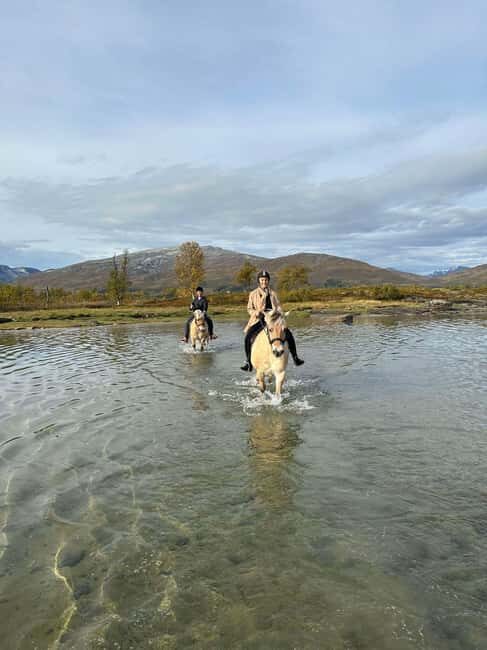
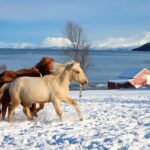
This tour is designed around Norway’s national horse breeds, not a random mix. You may ride Lyngenhorse, Fjordhorse, or Dølahorse—and you’ll also learn some of what makes each breed historically important.
That “why” is what turns the ride into something you can talk about later. You’re not only thinking about holding the reins; you’re also learning how different Norwegian regions and histories shaped horse breeding. It’s a neat contrast to the usual tourist experience where you’re simply photographed in front of scenery.
In winter especially, calm horses matter. Cold air, wind, and sometimes slippery ground can make anyone feel less confident. The better the horse, the easier your job is as a rider. Multiple rider accounts describe horses that feel well cared for and well mannered, which is exactly what you want when you’re mixing arctic conditions with a first-time riding moment.
The 150-minute flow: from barn time to riding time
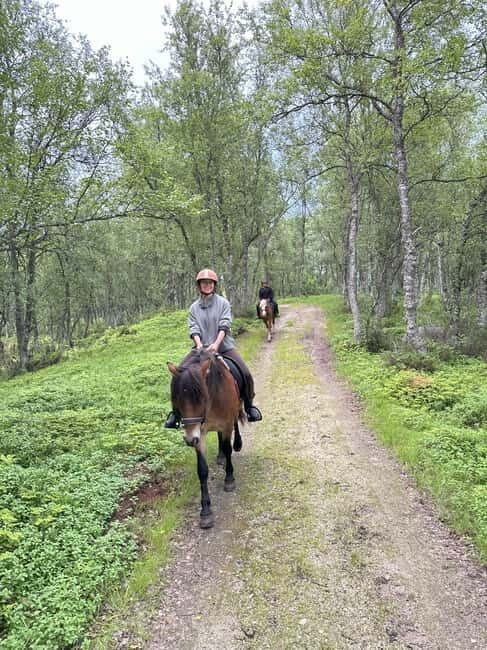
The whole experience is about 150 minutes, with around two hours focused on riding and sightseeing once you’re kitted up. The rhythm is simple:
1) You arrive at the farm and meet your guide.
2) You get a short safety briefing.
3) You ride for about two hours while the guide manages the pace and route.
This kind of timing works well because you get enough “horse time” to feel the outdoors properly. You’re not just doing a quick photo moment and leaving. You’re out long enough to notice weather changes, feel the ground under the horse’s hooves, and see wildlife if it comes close.
Also, if you’re the type who enjoys the animal side of the activity, you’ll probably appreciate the pre-ride moments. Several riders described brushing and helping with tack before mounting. One person even mentioned a guide named June, who made time for her riders before the ride and helped riders feel comfortable.
After the riding, there’s time to regroup and warm up. In at least one account, the group warmed in a heated tack room while waiting their turn or settling after the ride.
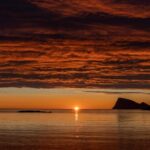
Where you ride: tide-timed shore, beach stops, and winter route changes
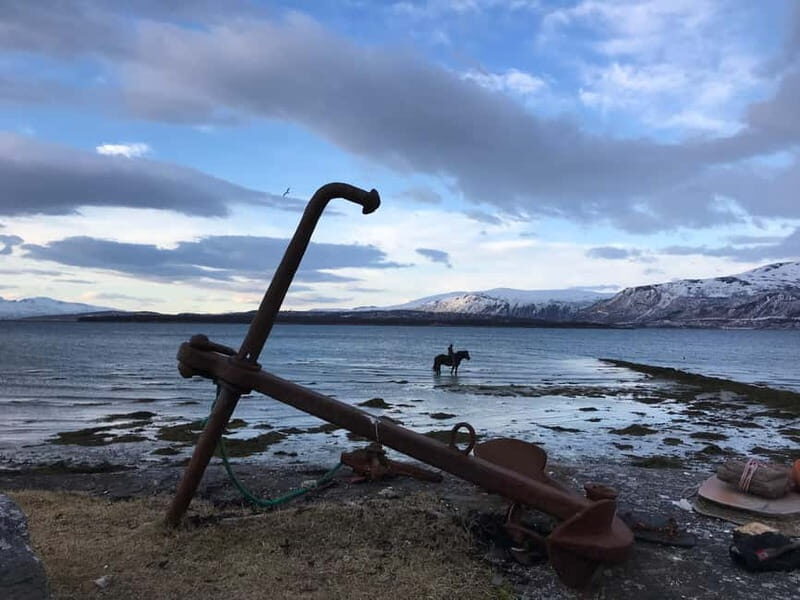
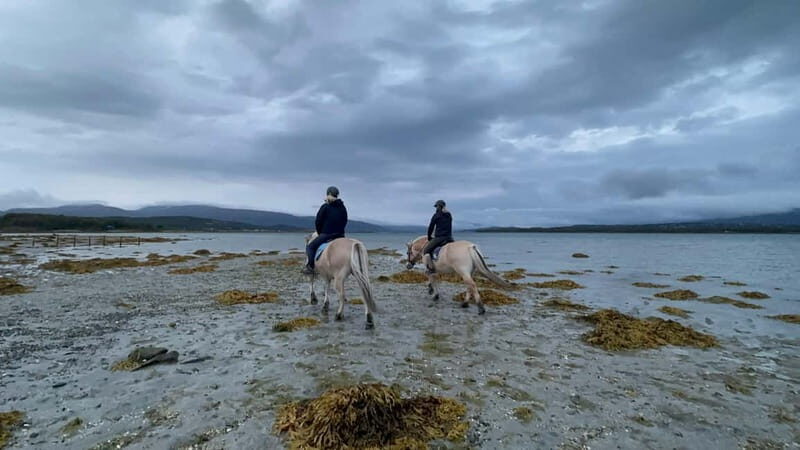
One of the most interesting details is that the route depends on the tides. Depending on low/high tide, your ride may include the shore or a beach section. That isn’t a random choice—it changes the feel of the whole experience, from coastal walking to open views toward the sea.
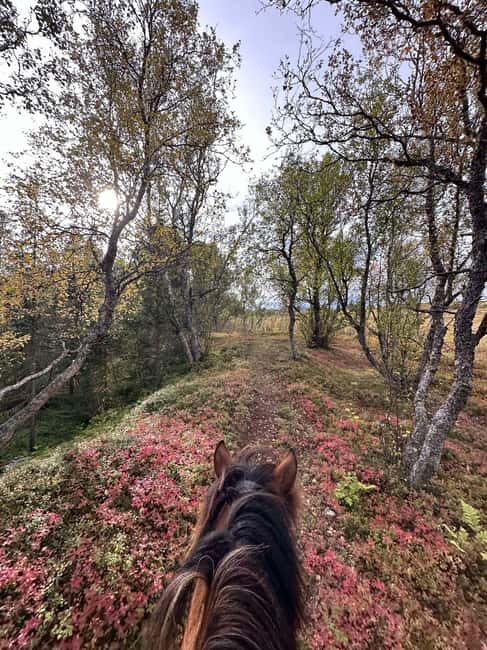
Expect a mix. Even when you go toward the water, your ride isn’t necessarily all coastline all the time. In snowy conditions, the ride may shift away from longer coastal stretches and toward woodland. That matters because deep snow can change what’s safe and practical for horses.
In one winter example, riders noted that parts of the coastal area around Grindøysundet weren’t possible due to snow, so the route focused more on other terrain. Translation for you: if you’re hoping for a specific coastline version of the ride, understand that weather can steer the plan. The upside is that your guide will choose routes that keep both riders and horses safe.
If you’re riding in winter, pack for wind and cold. Gloves are strongly suggested, warm layers are a must, and comfortable shoes are essential. Some riders also mentioned being offered extra warmth like fleece chaps over pants, which is exactly the kind of help you’ll appreciate if you forget something important.
What wildlife watching actually feels like here
Wildlife in the Arctic isn’t like a zoo. It’s more like: you ride, you pause, you look, and then something might appear. When moose show up, it changes the whole mood fast. Seeing an eagle up high can feel instant and sharp, like the landscape suddenly comes alive overhead. And seals in the sea can be especially memorable because you’re watching movement that’s happening parallel to your route.
Here’s the key practical takeaway: your guide can’t guarantee animals, but the tour is timed and routed in a way that gives you real chances. That’s why a small group is valuable too. In a big group, you might not hear the quiet cues that the guide uses. With fewer riders, it’s easier to stay calm and notice what’s happening.
Price and value: is $262 worth 150 minutes?
At $262 per person for about 150 minutes, this isn’t the cheapest activity in Tromsø. But it’s also not priced like a mass product. You’re paying for:
- a small group capped at 5
- helmets and a guided setup
- the time it takes to properly care for and tack horses
- a guided ride that can include shore or beach depending on tides
- expert handling of arctic conditions (and route changes if weather shifts)
To me, value comes from how “full” the experience feels. This tour isn’t just sitting on a horse and moving on. You get time before the ride to meet the horse and learn basics, then you’re outside for long enough to feel like you actually did something in the Arctic.
If you’re on a tight budget, you might treat it as a one-off signature experience. If you want a genuine connection to Norway’s working horse culture and a winter adventure that feels controlled and safe, the price starts to make more sense.
Who should book this (and who should think twice)
This tour is described as suitable for people who want horseback riding in an arctic environment, and it suggests you can try riding regardless of age and experience. Still, the operator lists clear “not suitable” limits:
- children under 10
- pregnant women
- people with animal allergies
- people over 95 kg (209 lbs)
Also, you’ll want to be physically comfortable with outdoor conditions. Even if you’re not experienced on horses, you’ll need mobility and balance for getting set up and riding in cold weather.
Who I think it suits best:
- first-timers who want patient instruction and calm horses
- anyone who loves animals and wants a farm-to-ride flow, not just a quick mount
- visitors who want one guided arctic experience that’s small-group and time-efficient
If you’re traveling with limited time in Tromsø, this is attractive because it’s close to the city’s airport area and doesn’t require a complicated day structure. If you hate being cold outside, you may need to be honest with yourself before you book.
Should you book Tromsø horseback riding on Kvaløya?
I’d book it if you want a guided, safety-first arctic activity where the horses and the environment both matter. The small group size, helmet gear, and the focus on horse welfare mean you’ll likely feel looked after from the moment you arrive. And if you can dress warm, you’ll get a real sense of Kvaløya’s coast and woods, with wildlife sightings possible.
I would pause before booking if you don’t handle cold weather well, or if you’re in one of the “not suitable” categories. And if you’re specifically chasing a long coastal ride, remember winter snow can change what’s possible.
If your goal is a memorable Norway experience that feels grounded in real farm life and real horsemanship, this one is worth your time.
FAQ
How long is the Tromsø horseback riding tour?
The total duration is 150 minutes, including a short safety briefing and about two hours of sightseeing and horse riding.
Where do I meet the guide?
The tour meeting point is at Marisletta gård. If you park, you should park beside the first red building on the right after turning off from the main road, then walk down the road to the biggest red barn on the left side.
How do I get there by bus?
You can take Svipper bus 420 to the Marisletta stop. From there, walk about 3 minutes toward the farm.
What should I bring?
Bring comfortable shoes and warm, weather-appropriate clothing. Gloves are recommended as well.
Are helmets included?
Yes. Helmets are included with the tour.
Is the tour suitable for children or pregnant travelers?
No. The tour is not suitable for children under 10 years old, and it is also not suitable for pregnant women.
What happens if the weather is bad?
The operator prioritizes safety and horse welfare, so tours may be canceled due to bad weather conditions such as storms.