REVIEW · TROMSO
Reindeer Sledding Experience and Sami Culture Tour from Tromso
Book on Viator →Operated by Tromso Arctic Reindeer · Bookable on Viator
Cold air. Warm fire. Reindeer everywhere.
This half-day Tromsø tour is built around a simple, memorable loop: you ride a reindeer-pulled sleigh, then you get up close to a big herd, and you warm up in Sami-style tents with food and stories. I love that it feels hands-on without turning the day into a theme park. I also love the Sami culture program, including joik (traditional singing) around the campfire, with guides such as Maria, Irja, Tea, and Andreas named in past sessions as standouts.
One thing to plan for: you’ll be outside in winter conditions, and the experience can run colder than you expect—dress like you mean it, and accept that crowding can happen (the tour caps at 70).
In This Review
- Key highlights to plan your day
- From Prostneset bus terminal to a Sami camp in the frozen wilds
- The 30-minute reindeer sleigh ride: fun, not frantic
- Feeding about 300 wild reindeer up close (yes, bring patience)
- Warming up in the lavvu with coffee, cookies, and hot meal
- Sami stories and joik around the campfire: the cultural core
- Itinerary pacing: why this feels like a half-day that works
- Price and value: what $225.64 really buys you
- What to pack and wear so winter doesn’t steal your joy
- Group size, timing, and the crowd factor (quick reality check)
- Who this tour fits best (and who should choose something else)
- Should you book Tromsø reindeer sledding plus Sami culture?
- FAQ
- How long is the reindeer sledding and Sami culture tour?
- Where do we meet in Tromsø, and how do transfers work?
- What activities are included besides the sleigh ride?
- Is the tour offered in English?
- Can I get vegetarian or vegan options?
- What should I wear for the tour?
- Are baby car seats available on the bus?
- What happens if weather is poor?
Key highlights to plan your day
- A 25-minute coastal drive from central Tromsø to the Sami camp at Prostneset bus terminal
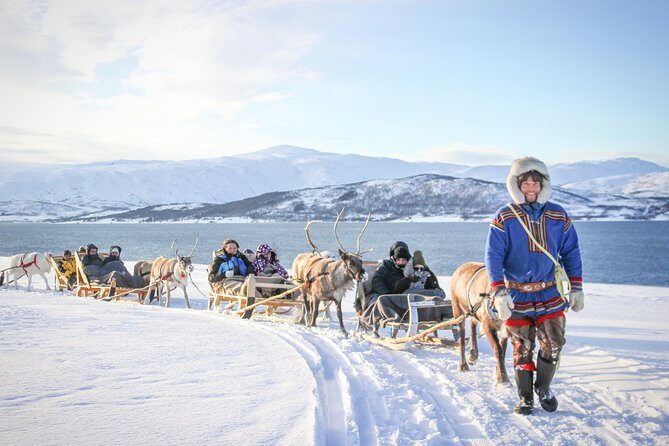
- 30-minute sleigh ride through snow and forest at a walking pace with the reindeer pulling the sled
- Feeding about 300 reindeer right at the camp, with time to hang out near them
- Warm lavvu-style stops with log fires, hot drinks, and snacks while you wait your turn
- Sami food and joik: expect coffee/tea and a hearty Sami meal cooked over fire, plus stories and songs
- Smallish group feel for a big activity (max 70), with guides working to keep it organized
From Prostneset bus terminal to a Sami camp in the frozen wilds
Your day starts at the bus terminal meeting point in Tromsø, specifically Prostneset. You’ll board a coach and ride about 25 minutes to the camp. This part matters because it sets the mood: you’re leaving the city behind without doing anything complicated with shuttles or taxis.
Once you arrive, you’ll meet the guides and move into the rhythm of the camp. That usually means warm greeting, clear instructions, and a smooth transition into the first big moment: reindeer time.
What I like about the setup is that you’re not guessing what happens next. You get carried from check-in to camp, then everything is paced around your group—feeding first, then riding, then food and stories.
You can also read our reviews of more tours and experiences in Tromso.


The 30-minute reindeer sleigh ride: fun, not frantic
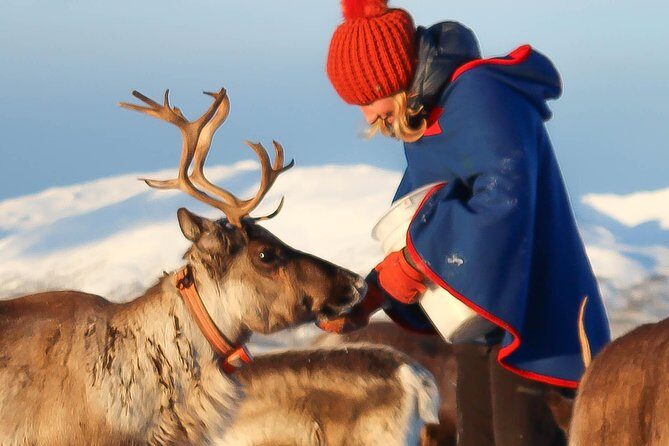
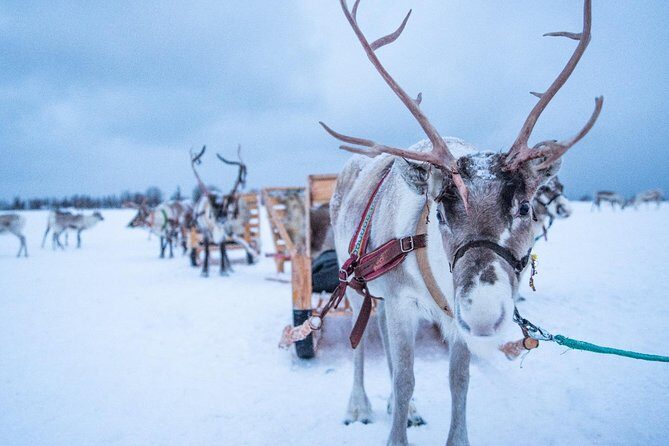
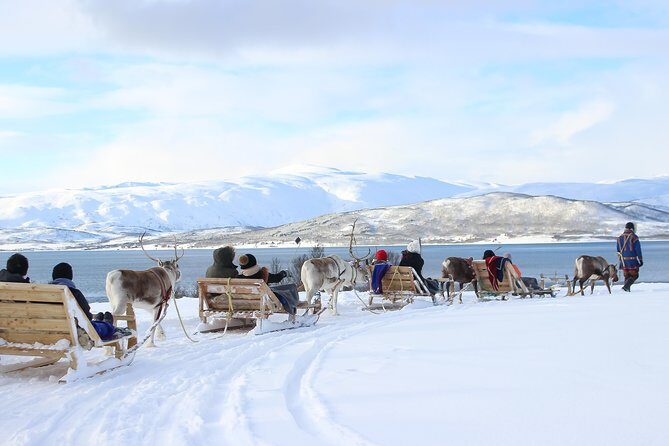
The highlight for many people is the sleigh ride, which is about 30 minutes. You’ll sit on a sleigh pulled by reindeer, guided along the valley and along the coast area. Expect winter air on your face and that steady, old-school movement that makes you look up instead of scrolling your phone.
A detail worth knowing: the experience isn’t designed like every person gets their own private sleigh. You might ride as part of a longer connected line, with groups cycling through. That’s still enjoyable—the ride length is real, and you’ll likely have photo moments—but if you want a totally individual, quiet ride, this may not be the exact style you imagined.
When the ride ends, the day shifts from viewing to interacting. That’s where the tour really earns its reputation.
Feeding about 300 wild reindeer up close (yes, bring patience)
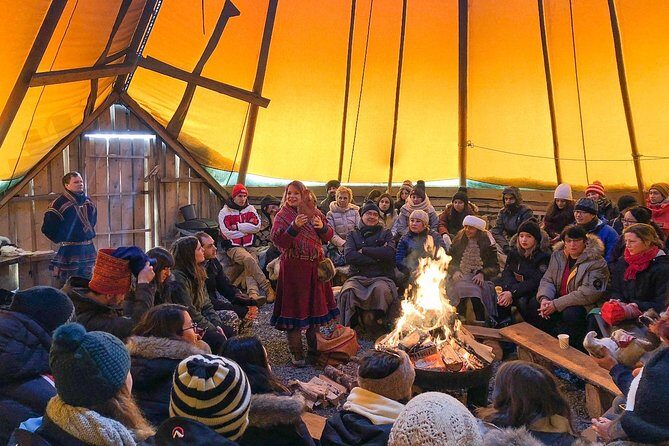
Feeding is not an afterthought here—it’s a core activity. After the sleigh ride, you get the chance to feed a herd of around 300 reindeer. You’ll be near big, curious animals in a snowy enclosure, so the vibe is equal parts magic and reality check. They’re strong, they’re fast, and they’re not toys.
This is also where you’ll learn the practical side of being around reindeer: stay aware of where you’re standing, keep your body steady, and let the handlers guide the flow. A couple of guides’ instructions help you avoid getting too close to antlers while still getting that special “I’m right here” moment.
The value of this feeding time is how much it slows the day down. In many tours, you rush through animals. Here, you’re given time to interact and observe, including their individual personalities—some are bold, some are more curious about what’s in your hands, and some act a bit disinterested in the exact moment you want them to be interested.
Warming up in the lavvu with coffee, cookies, and hot meal
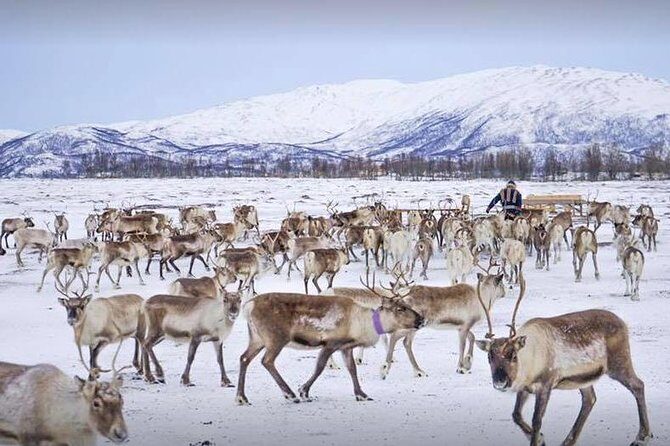
After you’ve done the outdoor parts, you pivot into the warm lavvu experience. This is where the tour earns major points for comfort. Expect coffee and/or tea, plus snacks while you’re at the camp. Log fires in tents are part of the day’s structure, not just a nice bonus.
Food is also central. You’ll have a hot traditional meal cooked over fire, and the Sami menu includes items like bidos (a hearty Sami soup) and sweet cake. You’ll also want to pace yourself because hot drinks and warm food help your body recover fast in cold conditions.
If you’re the picky-soup type, plan for that one possibility: while many people rave about the stew, not everyone loved the exact flavors. If you’re curious but not sure, go in with the attitude of trying one Sami comfort dish in a winter setting, rather than expecting your favorite restaurant meal.
Sami stories and joik around the campfire: the cultural core
Here’s the part that turns a reindeer tour into a cultural experience. After lunch/meal time, the group gathers around a fire for Sami history, stories, and joik (traditional singing).
This is where the guide’s role really shows. In past sessions, guides such as Irja and Maria have been specifically praised for being engaging and able to handle a crowd without losing the thread. Other names that come up in guide praise include Tea, Marja, and Andreas—each mentioned for making the culture talk clear and interesting, not just scripted.
One consideration: some cultural themes can land heavy. Topics may include colonization and the hard parts of Sami history and life. That’s not wrong or out of place in a serious cultural program—it just means this day isn’t only fairy-tale wonder. It’s both: warm cookies and also real history.
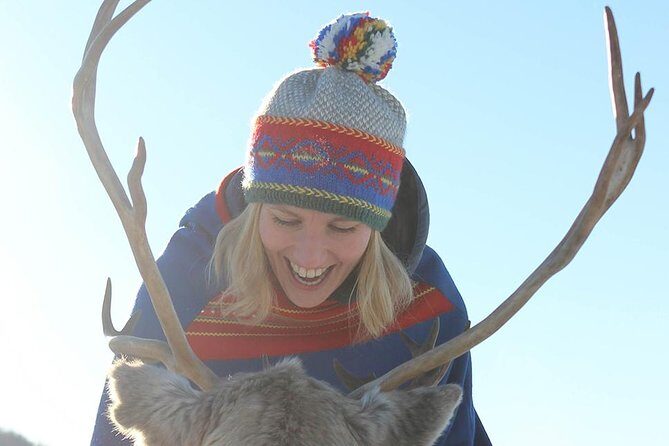
And yes, joik can be a real wow moment. It’s not a background song—it’s presented as something meaningful and part of living identity.


Itinerary pacing: why this feels like a half-day that works
The whole experience runs about 4 hours (approx.). The rhythm is built around keeping you active but not exhausted.
- First, you travel from Tromsø to the camp.
- Next, you do 30-minute sleigh time.
- Then you feed the reindeer.
- After that, you warm up, eat, and listen to Sami stories and songs.
- Finally, you return by bus to the same meeting point.
That sequencing matters. You don’t eat first and then freeze. You get the cold work done, then move into warmth and food right when you’re ready for it.
It also helps that the tour is offered in English, and you’ll receive a mobile ticket. These are small details, but they reduce friction when you’re already dealing with winter logistics.
Price and value: what $225.64 really buys you
At $225.64 per person, it’s not a cheap activity. So the real question is: does it feel worth it day-of?
In my view, it’s priced for a complete package:
- Transport round-trip from central Tromsø (so you’re not arranging your own ride)
- A guided experience with Sami cultural storytelling
- A meaningful animal interaction: a 30-minute sled ride plus feeding a large herd
- Warm facilities with coffee/tea, snacks, and a hot meal cooked over fire
This is one of those tours where the “value” isn’t just the reindeer ride. The warmth stops, the meal, and the cultural part are part of what you’re paying for. If you only wanted a quick photo with a sled and then to leave, you’d feel the price more sharply.
But if you want a full cold-weather experience that includes both animals and culture—with time to settle in by the fire—this is one of the better-structured options in Tromsø.
What to pack and wear so winter doesn’t steal your joy
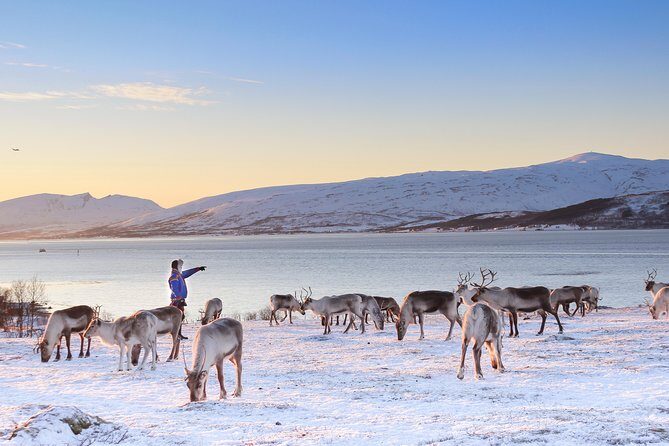
The tour is outdoors for long enough that clothing choices matter. The guidance is straightforward: bring warm clothes (at least two layers), gloves, a hat, and good winter boots.
A few practical tips from the reality of cold-weather tours:
- Choose boots you can walk in firmly. You’ll be standing and moving near snow and uneven ground.
- Bring gloves you can actually handle with when holding food.
- Layer so you can adjust if you warm up during feeding and walking around.
You might be offered help with warmth gear in some situations, but don’t count on miracles. If you get cold quickly, your experience will feel shorter than the clock says.
Also note: baby car seats aren’t available on the bus; booster seats are available.
Group size, timing, and the crowd factor (quick reality check)
The tour caps at a maximum of 70 travelers, and that number affects your comfort. Some reviews note it can feel crowded even though it’s well run.
That doesn’t mean chaos. It means you should expect:
- short waits between activities,
- a shared pace at the lavvu,
- and limited room at the fire while everyone warms up.
If you prefer quiet, private experiences, you may enjoy the peace more in less popular time slots. If you’re flexible and ready to share, the energy can actually be fun.
Who this tour fits best (and who should choose something else)
This works best if you want:
- a reindeer experience with hands-on feeding,
- a Sami-led cultural program (including joik),
- and a warm food-and-fire break that’s built into the schedule.
It’s also a good choice if you’re visiting Tromsø for a limited time and want one organized, round-trip activity that doesn’t require planning. The easy structure—meet at Prostneset, bus to camp, return—helps a lot when daylight and weather are unpredictable.
You might want to skip or compare if:
- you hate cold-weather outdoor time,
- you dislike groups or prefer totally individual animal interaction,
- you only want a short, light cultural element and not history discussions (the fire talk can include difficult topics),
- or you’re very sensitive to the exact style of meal served (it’s Sami comfort food, not everyone’s favorite “stew”).
Should you book Tromsø reindeer sledding plus Sami culture?
Book it if you want a genuinely well-rounded cold-weather day: sleigh ride, feeding a big herd, warmth by the fire, and Sami joik and stories. The tour’s structure is practical, and the cultural part is clearly treated as the main event, not a side lecture.
Hold off or look for an alternative if you want a private, quiet animal encounter or if cold conditions would ruin your day. Also go in knowing the food is hearty and traditional—some people love the stew, and a small number don’t.
If you’re coming to Tromsø and you’d like one experience that matches the Arctic vibe—reindeer first, fire second, meaning third—this is a solid bet.
FAQ
How long is the reindeer sledding and Sami culture tour?
It runs about 4 hours (approx.).
Where do we meet in Tromsø, and how do transfers work?
You meet at Bus Terminal, Tromsø, Norway (Prostneset bus terminal). You’re picked up and returned to the same meeting point.
What activities are included besides the sleigh ride?
You get a 30-minute reindeer sleigh ride, time to feed about 300 reindeer, and a warm camp experience with coffee/tea, snacks, and a hot traditional meal plus Sami stories and joik around the fire.
Is the tour offered in English?
Yes, it’s offered in English.
Can I get vegetarian or vegan options?
Yes. There is a vegetarian/vegan option available, and there’s also a gluten free option.
What should I wear for the tour?
Bring warm clothes (at least two layers), gloves, a hat, and good winter boots.
Are baby car seats available on the bus?
Baby car seats are not available. Booster seats are available instead.
What happens if weather is poor?
This experience requires good weather. If it’s canceled due to poor weather, you’ll be offered a different date or a full refund.