REVIEW · MOLDE
Molde: Serial Killer Escape Room Game
Book on GetYourGuide →Operated by We Escape AS · Bookable on GetYourGuide
A missing neighbor and a murder scene—then you start solving. This Molde serial killer escape room turns panic into teamwork with a full setup, decorated rooms, and clue hunting that feels fast and focused. I especially like the varied puzzle style (not just one type of lock-and-key trick) and the fact that you get a real introduction plus an end debrief. One thing to consider: the theme is dark, with disappearances and dead bodies, so it may not be everyone’s cup of tea.
The format is simple, but it works: you build a detective team, follow clues across the story, and try to find the killer within the game time. Because it’s run as a private group, you won’t be stuck squeezing in around strangers, which usually makes it easier to coordinate and stay immersed in the mystery. If you prefer very light, funny rooms, you might find the tone a bit intense.
In This Review
- Key things I’d watch for in Molde’s Serial Killer Escape Room
- Molde’s Serial Killer Scenario: the mystery setup you’ll work through
- The 75-minute format: how intro, 60-minute game, and debrief connect
- Inside the decorated rooms: solving brand-new tasks under pressure
- Detective teamwork in Norwegian or English: working fast as a private group
- Price and value in Molde: what $47 per person buys you
- Who this Molde escape room suits best (and who should be cautious)
- Practical tips so your team gets more from the 60 minutes
- Should you book Molde: Serial Killer Escape Room Game?
- FAQ
- Where does the Molde serial killer escape room take place?
- How long is the experience?
- How much of that time is actual gameplay?
- How much does it cost?
- Is this a private group experience?
- What languages are available?
- What happens before the game starts?
- What happens after the 60 minutes are over?
- What’s included in the price?
- Is anything not included?
Key things I’d watch for in Molde’s Serial Killer Escape Room

- Complete escape room intro before the game starts, so you’re not guessing the rules
- 60 minutes of gameplay built around solving brand-new tasks in decorated rooms
- Detective-team structure: you’ll be coordinating roles and clue decisions as a group
- Puzzles with variety, which keeps the experience from feeling repetitive
- Debrief and walkthrough after the game, so you leave with clarity instead of wondering what you missed
- Norwegian or English support from the instructor, which matters for smoother teamwork
Molde’s Serial Killer Scenario: the mystery setup you’ll work through
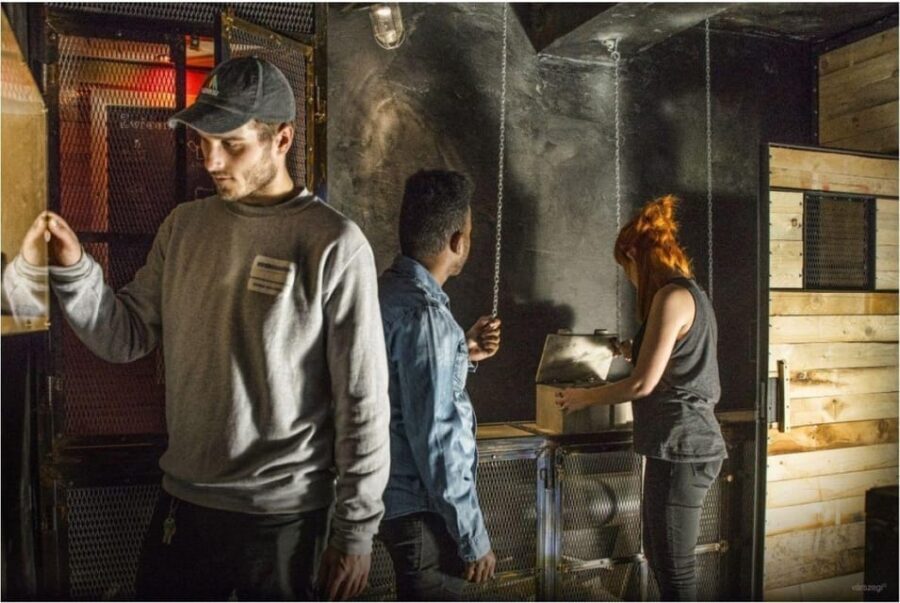
This escape room is built like a crime investigation you can actually do, not just watch. The story starts with people in the neighborhood disappearing without a trace, and then dead bodies turn up. Rumors spread that a serial killer is on the loose, and you’re the group asked to figure out who—and how—before the case gets worse.
That matters for how you’ll experience the rooms. When the stakes are clear, every clue feels like it’s moving the investigation forward, not just filling time. The “find the killer” goal is also direct, so your team has something concrete to aim for instead of getting lost in side quests.
The tone is clearly thriller-dark: disappearances, murder, and an active killer plot. If your idea of fun is mostly puzzle logic with no grim story, you may want to double-check whether this theme fits your comfort level. But if you enjoy crime-mystery energy, this setup is the kind that keeps momentum high.
You can also read our reviews of more tours and experiences in Molde.



The 75-minute format: how intro, 60-minute game, and debrief connect
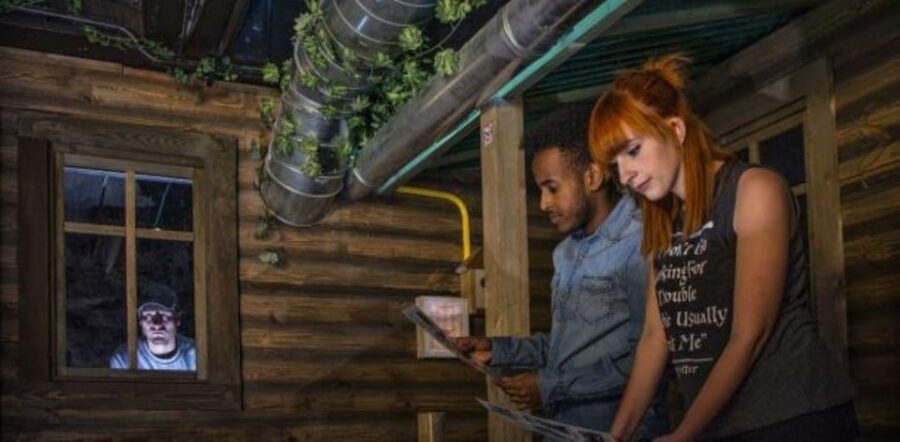
You’re in the activity for 75 minutes total, but the core gameplay is 60 minutes. That extra time isn’t filler—it’s there so you can start quickly and finish with understanding. You’ll get a full introduction to the escape room concept, then you’ll jump into the scenario as a detective team.
Here’s what the timing usually means for your brain. In many escape rooms, people spend the first chunk learning how the room works. Here, the intro is included, which reduces that early confusion. You’ll likely spend more of your time on solving the story instead of figuring out how to interact with the room.
After the game, there’s a debrief and walkthrough. That’s a big deal for value and satisfaction. If you don’t solve something during the run (it happens), you won’t just leave with a shrug—you’ll get the explanation afterward, which turns the experience into learning, not frustration.
If you’re short on time, this length is also friendly. It’s long enough for a real team challenge, but not so long that it becomes exhausting by minute 55.
Inside the decorated rooms: solving brand-new tasks under pressure
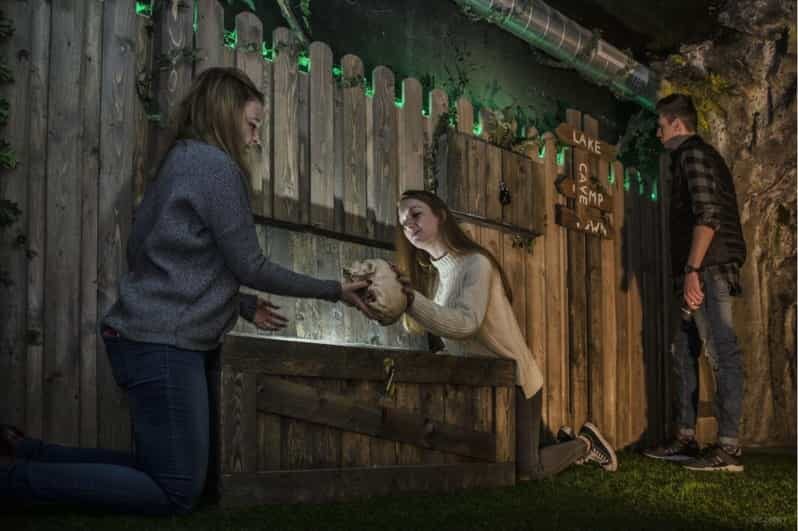
The heart of this experience is what you do during the 60 minutes of gameplay: follow clues, solve tasks, and piece together the case. The rooms are described as beautifully decorated, and that’s not just aesthetic. When rooms feel intentional, they help you think like investigators—looking, checking, connecting.
The tasks are presented as completely new within the scenario, which is exactly what you want from an escape room. Repetition is what kills interest. Variety—different types of clue logic, different ways to interact—keeps your team switching gears, and that’s where adrenaline comes from.
One detail that stands out from the reviews is the sense of varied puzzles, which lines up with the idea of multiple clue types rather than one single mechanism. You’ll likely feel that the room keeps changing rhythm: solve, interpret, search again, and then link it to what you learned earlier.
You’re also not just solving “to solve.” The clues point toward finding the killer. That goal can make the last stretch of the game feel sharper, because your team is trying to confirm a conclusion, not just end a timer.
Potential drawback: if your team prefers straightforward tasks and hates hunting, you might need to be ready for searching and clue interpretation. The game is designed as an investigation, so observation and cross-checking are part of the job.
Detective teamwork in Norwegian or English: working fast as a private group
The instructor speaks Norwegian and English, which is a practical advantage in a country where mixed-language groups can happen. It means you’re not dependent on everyone sharing one language at the start. Clear communication is how you avoid wasted minutes—especially in rooms where clues stack.
You’ll also be in a private group, not a mixed shared slot. That changes the team dynamic. In a private setup, it’s easier to decide who handles what without crowding, and it’s easier to keep everyone focused on the same thread of the mystery. If you’ve ever done group activities where half the people are always slightly out of sync, you’ll appreciate this format.
I like that the experience emphasizes building a detective team rather than just “work together.” That small difference matters. It encourages coordination—who reads, who tests options, who keeps track of what you’ve already tried.
If you travel with friends, family, or coworkers, a private group can be a strong fit. You’ll likely get more satisfaction because everyone contributes, and you won’t feel like you’re negotiating space with strangers.
Price and value in Molde: what $47 per person buys you
At $47 per person, you’re paying for a time-boxed, story-driven experience with a guided flow. The price is easier to justify when you know what’s included and how much of the session is actual game time.
Here’s the value equation that stands out from the details you’re given:
- 60 minutes of gameplay (the main event)
- a full introduction to the escape room concept (so you’re not wasting time learning basics)
- debrief and walkthrough after (so the ending makes sense, even if you missed clues)
- private group format
- instructor support in Norwegian and English
Many escape rooms charge similar rates for the game alone, leaving you to figure out the solution on your own. The walkthrough/debrief is a nice upgrade. It turns the activity into something you can discuss afterward, instead of leaving with half-answered questions.
So yes, the price isn’t “cheap,” but for a 75-minute, guided, private, story-heavy puzzle session in Molde, it reads as fair value—especially because you’re not just paying for a room, you’re paying for the whole detective process.

Who this Molde escape room suits best (and who should be cautious)
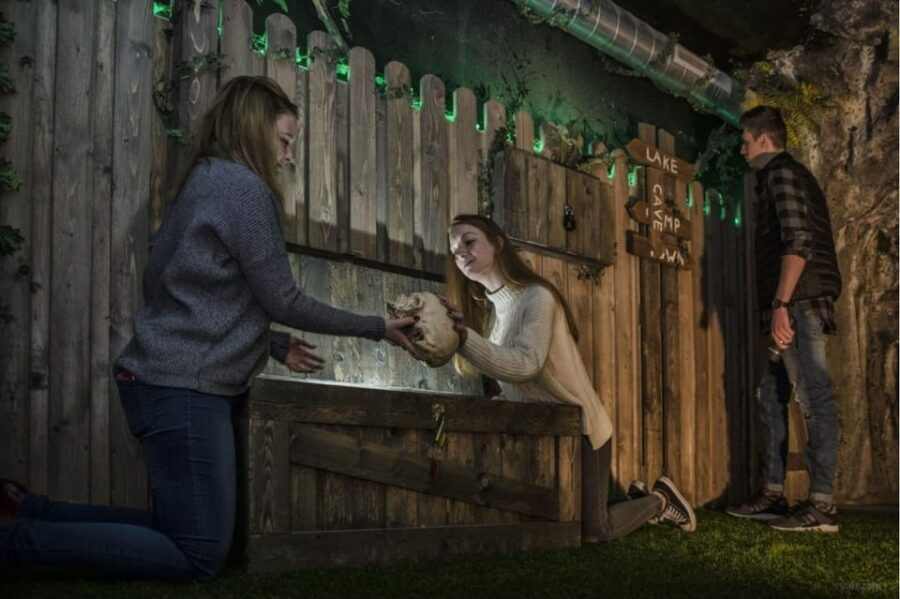
This is best for you if you like:
- mystery storylines with a clear objective (find the killer)
- puzzle solving that doesn’t rely on one repeated trick
- team problem-solving where communication matters
- a structured start and a structured finish, not just a random room with props
It also works well for visitors who want something different from standard sightseeing. In a place like Møre og Romsdal, an experience like this gives you a focused indoor activity that still feels like part of the local evening routine.
Who might be cautious?
- If you dislike thriller-dark themes (disappearances and dead bodies), the scenario tone may feel uncomfortable.
- If you’re expecting purely light entertainment, you might want to choose something with a gentler premise.
- If your group hates searching for clues and prefers direct step-by-step instructions, you may need to adjust expectations. This room is built around investigation work, not just following one path.
Practical tips so your team gets more from the 60 minutes

You’ll enjoy this more if you go in with a simple game plan.
First: decide roles quickly. One person can watch for details, another can test interactions, and someone else can track information you find. The “detective team” concept works best when your group splits attention instead of all trying the same thing.
Second: treat clues like evidence, not trivia. If you find something that seems important, write it down mentally and compare it to other pieces later. Escape rooms often reward connecting two clues you found at different times.
Third: ask questions during the intro, not during the run. Since the full introduction is part of what’s included, use that time to understand the room’s rules and how the instructor expects you to interact.
Fourth: don’t get stuck in one area. If a task feels dead-ended after a few tries, shift focus. The room is designed as a sequence of investigations, so a team that keeps moving often finds the thread faster.
And finally: plan for the debrief. If you’re the type who gets annoyed by not knowing the ending, you’ll be glad there’s a walkthrough afterward. It’s part of why this experience feels complete.
Should you book Molde: Serial Killer Escape Room Game?
If you want a crime-mystery escape room in Molde with a real guided structure—intro before you start and a walkthrough after—you should book it. The story is clear, the puzzles are designed to be varied, and the private group setup helps your team stay coordinated.
Book it if your group enjoys thriller themes and doesn’t mind that the case involves disappearances and murder. Skip it if you want a light, playful adventure or if the darker premise would spoil your fun.
If you’re deciding between options and only care about one thing: choose the room that gives you the clearest pathway to solving and understanding the mystery. This one does, thanks to the full intro, the 60-minute gameplay window, and the debrief that brings the case together.
FAQ
Where does the Molde serial killer escape room take place?
It’s listed in Møre og Romsdal County, Norway.
How long is the experience?
The total duration is 75 minutes.
How much of that time is actual gameplay?
The included game time is 60 minutes.
How much does it cost?
The price is $47 per person.
Is this a private group experience?
Yes, it’s set up as a private group.
What languages are available?
The instructor speaks Norwegian and English.
What happens before the game starts?
You get a full introduction to the escape room concept.
What happens after the 60 minutes are over?
You’ll have a debrief and walkthrough after the game.
What’s included in the price?
Included are the full introduction, 60 minutes of game time, and the debrief and walkthrough.
Is anything not included?
Nothing is listed under not included (N/A).