REVIEW · TROMSO
Minibus Northern Lights Chase with Photography from Tromsø
Book on Viator →Operated by Northern Soul Adventures · Bookable on Viator
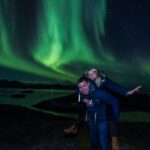
The aurora hunt starts the moment you leave town. This is a small-group minibus chase from Tromsø focused on helping you actually see the northern lights, then photograph them well. I especially like the provided thermal suits and heated insoles, because cold stops being the main obstacle to enjoying the sky.
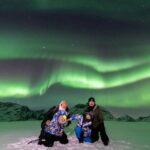
What makes this tour feel worth it is the hands-on photo help. You get tripods (not for mobile phones), headlamps, and clear guidance on how to capture the aurora, plus free professional photos in web resolution after the night.
The one downside to plan for is timing: this is a late-night outing, and you may be outdoors and searching for a while depending on conditions. If you hate long waits and just want a quick look, you’ll want to manage your expectations going in.
In This Review
- Key things to love about this Tromsø northern lights chase
- How the minibus chase changes your odds in Tromsø
- Starting in Tromsø: meeting point and the “get dark fast” mindset
- First big driving push: Tromsø fjords and quiet coasts
- When the route stretches toward Finland
- Aurora photography help that’s actually timed to the moment
- Warmth and food: the comfort plan behind the scenes
- What happens during the long wait outside
- Small group energy: guides who keep you pointed the right way
- Free professional photos in web resolution: how to use them
- Price and value: what you’re really paying for
- Who this tour is best for (and who might want another style)
- Practical checklist before you go
- Should you book this Tromsø northern lights photography chase?
- FAQ
- How long is the Northern Lights chase from Tromsø?
- Where do you get picked up and where do you get dropped off?
- What’s included to keep you warm and comfortable?
- Are the tripods suitable for mobile phones?
- What are the minimum age and height requirements for kids?
- Do you only look for the aurora around Tromsø?
- What happens if the weather is bad?
Key things to love about this Tromsø northern lights chase
- Small group up to 15 travelers: more eyes on the sky and more chance to get personal photo help.
- Warmth kit that’s actually useful: thermal suits, heated foot insoles, and headlamps.
- Photography support that goes beyond vibes: tripods, aurora photo instructions, and guide-led pointing-on-what-to-do.
- Campfire moments plus hot food: cookies, hot drinks, and expedition-style warm meals while you wait.
- Pro photos included afterward: free images in web resolution so you’re not stuck with only your blurry first attempts.
- Flexible searching route: you start around Tromsø fjords and may drive farther, even toward Finland, when skies need it.
How the minibus chase changes your odds in Tromsø
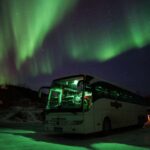
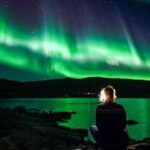
Tromsø is a great launch point, but the aurora usually needs two things: dark skies and patience. This tour leans into both by using a custom minibus to move you away from city light and toward calmer, quieter spots when the sky is cooperating.
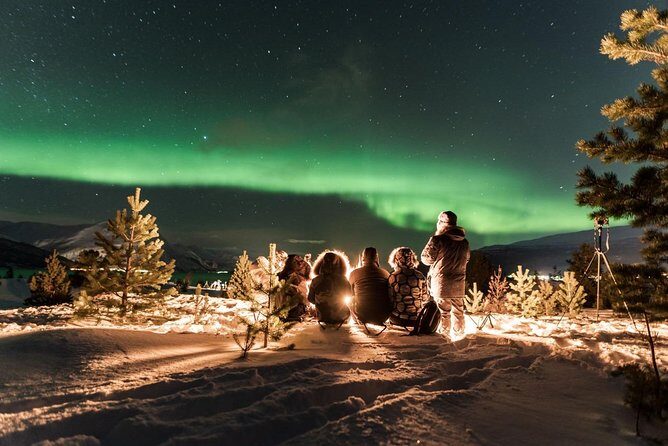
The group size matters. With a maximum of 15 travelers, it’s easier for guides to keep an eye on everyone’s setup, point out what to look for, and keep the energy steady as the evening drags toward that magic moment.
I also like the vibe that comes through in the way the guides work as a team. You’ll see names come up repeatedly in past groups, like Filip and Lucas, Joaquin and Lucas, and Bogdan, and the pattern is the same: they keep searching, keep explaining, and keep helping you take pictures without making it feel like a classroom.
You can also read our reviews of more photography tours in Tromso
Starting in Tromsø: meeting point and the “get dark fast” mindset
You meet in Tromsø’s historic city center at Kirkegata 2. From there, the pick-up is in Tromsø City Center, and the overall plan is simple: get you out of bright areas, then give you enough time in the right locations to catch the lights when they show up.
This isn’t a tour that sends you out for a five-minute look and calls it done. The night is paced around searching and repositioning, and that’s the whole point of a Northern Lights chase by minibus.
One practical detail that matters for your sleep plans: you get dropped back at Tromsø Island only, at/near your hotel or accommodation on Tromsø Island. So if your lodging is outside that area, double-check it before you book, because the route ends there.
First big driving push: Tromsø fjords and quiet coasts
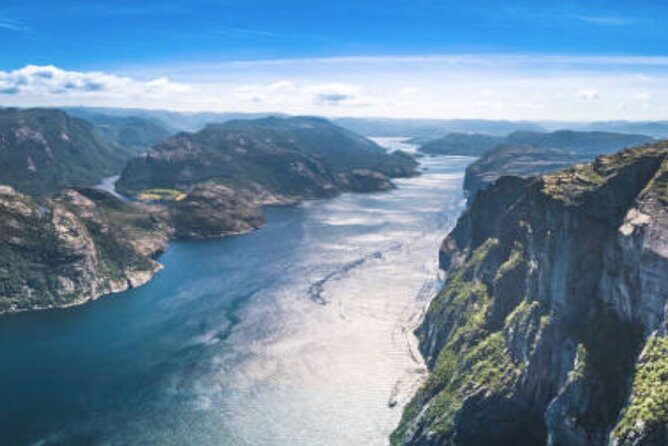
Early in the evening, the focus is on moving into Tromsø fjords and nearby coastal areas where it’s easier to see what’s happening above the dark horizon. Sometimes the drive is shorter, just around the surrounding coast, and sometimes it’s longer if the sky in the closest spots is too cloudy.
On good nights, this strategy helps you get to a calm viewing setup without spending the entire evening commuting in circles. On tougher nights, it’s still useful because it buys you time in multiple locations, which is what you want when clouds roll in or the aurora fades and returns.
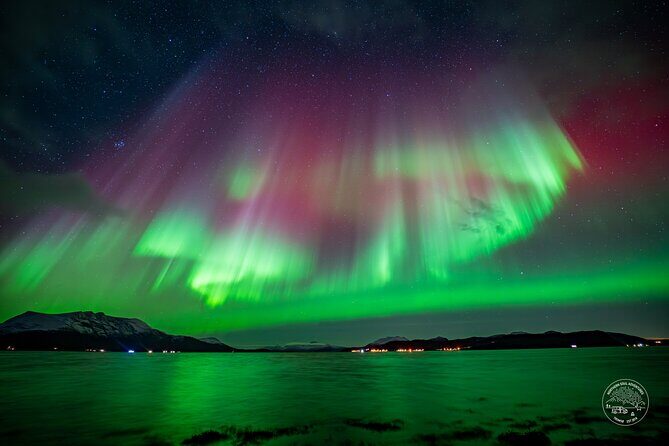
You’ll also notice that the guides treat the “where” as part of the photo plan. Even a slightly different angle can change what your camera captures, especially when you’re trying to balance stars, horizon glow, and the green-and-pink motion that makes the aurora so memorable.
When the route stretches toward Finland
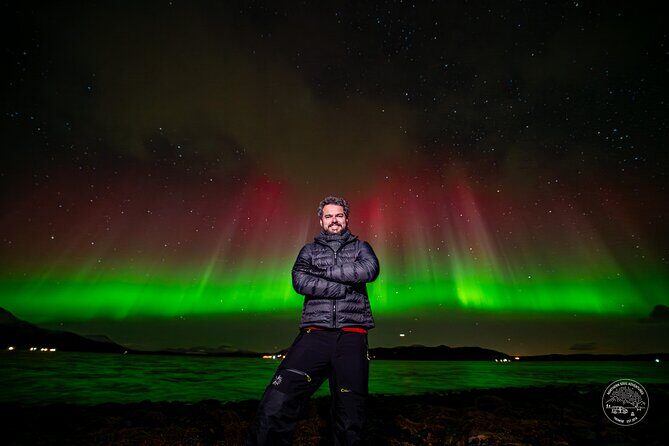
A key feature here is flexibility. The plan can include a longer drive into Finland when the lights need it. You don’t just sit and hope from one stop.
This is a big deal for you because conditions around Tromsø can change quickly. If Tromsø is stuck under cloud, the only way to keep your chances alive is to keep moving, and this tour is built to do that.
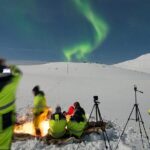
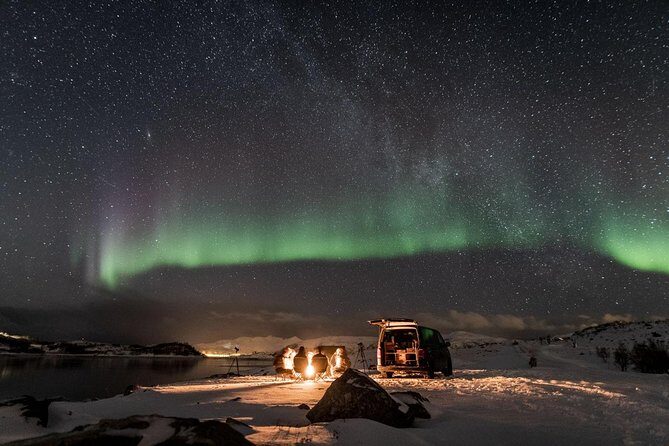
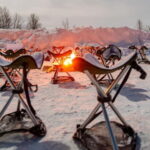
And it’s not just about chasing. Guides also try to pick places that feel less crowded, more quiet, and better for photography. Some nights you’ll end up with a campfire setup in a secluded area, which makes the experience feel more like Arctic night-time hanging out than a bus-station photo session.
Aurora photography help that’s actually timed to the moment
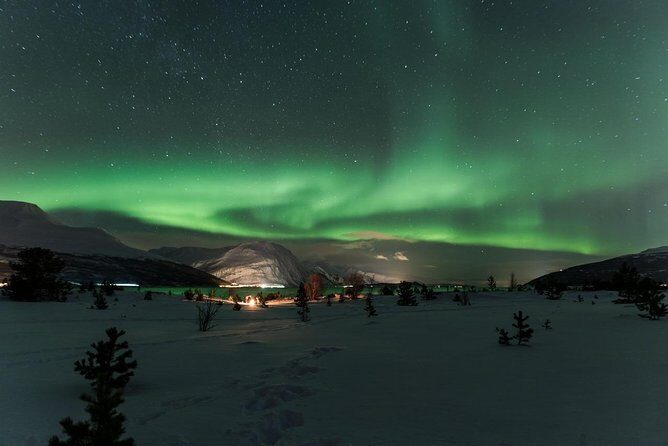
This tour doesn’t pretend you’ll become an astrophotographer in one outing. But it does give you something more useful: guidance when the sky is alive.
You get instruction on how to photograph the aurora, plus tripods and headlamps. The important catch is that the tripods are not suitable for mobile phones, so if your main camera is your phone, you’ll need to be comfortable shooting handheld or using your own setup. The tour’s gear is geared toward cameras.
One thing I love about this kind of tour is that the best lessons happen in context. When the lights start, you can follow the guide’s cues on what to adjust, where to aim, and how to steady your frame. That’s a better way to learn than memorizing settings at home.
In past groups, guides like Michael, Thomas, and Joaquin are repeatedly praised for helping people get photos, including taking shots on their own cameras. That’s a practical safety net when you’re still learning how the aurora behaves over time.
Warmth and food: the comfort plan behind the scenes
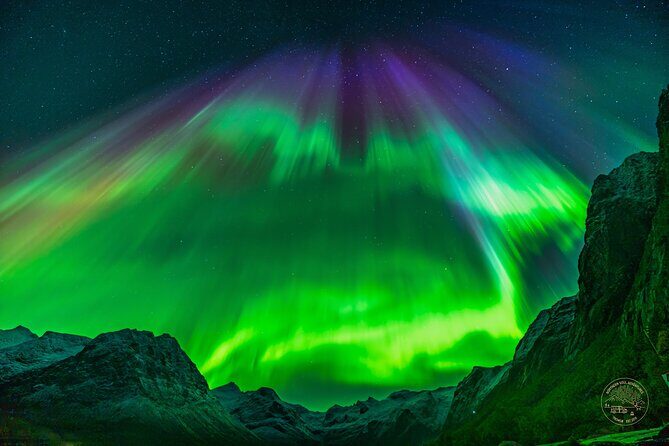
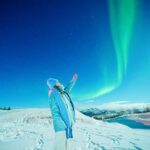
Northern lights nights can turn into a cold endurance test if the warmth plan is weak. Here, the tour covers the essentials: thermal suits, heated insoles for your own boots, and headlamps so you can handle the viewing and setup without guessing where your footing is.
The food and drinks are also built into the pacing. You get cookies and hot beverages like tea, coffee, and hot chocolate, plus warm expedition-style food. Many nights include a campfire, and that matters because it gives you a real break point instead of standing frozen in one spot.
In multiple experiences, soup shows up as the warm reset: tomato soup in particular gets mentioned as a lifesaver when your hands and feet have been fighting the cold. If you’re worried about whether you’ll actually stay comfortable for a long evening, this is the section that should calm your nerves.
What happens during the long wait outside
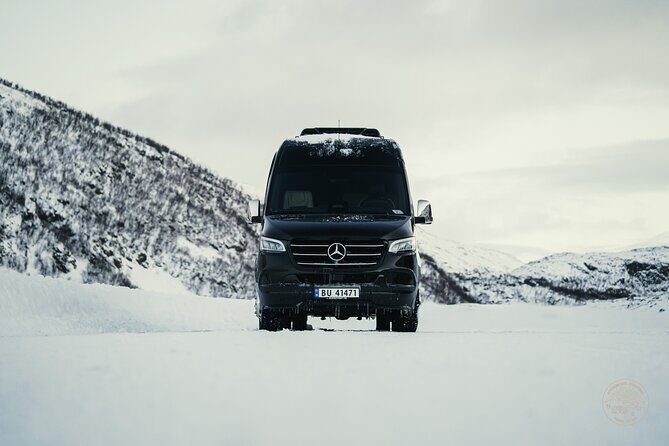
Even with careful planning, the aurora can be faint or delayed. The tour handles this by building in time for repositioning and by keeping you warm while you wait.
You should expect multiple steps in the night: driving, spotting, stopping in safe areas to shoot, then settling down with campfire warmth when conditions look promising. Some groups report stops along the way when lights show up before the final camp.
One small but meaningful detail: guides sometimes help with the ground conditions. In past nights, crews have cleared snow so the area is easier to stand and shoot from. That’s not glamorous, but it directly affects how much you enjoy the session instead of battling your surroundings.
Small group energy: guides who keep you pointed the right way
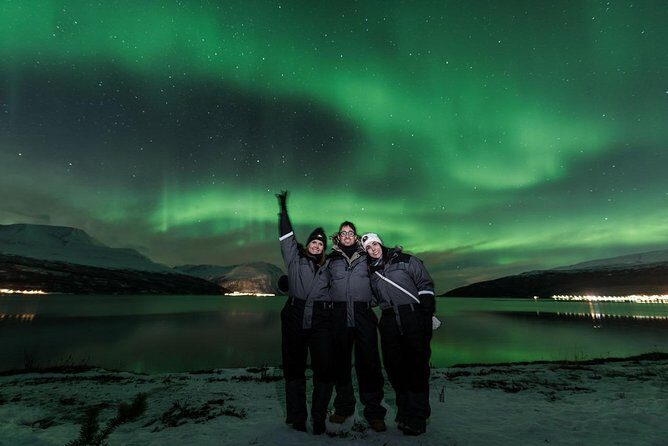
With a maximum of 15 travelers, the guides can do more than just talk. They can check camera setups, help people get oriented, and respond quickly when the aurora shifts.
You’ll also feel the team dynamic. Names like Ana show up as part of the driving and support side, while guides such as Filip, Lucas, Bogdan, Thomas, and Fede are repeatedly praised for being energetic and persistent during the hunt.
The overall impression is that the guides are trying to keep everyone together and focused on the moment, not just waiting passively for the sky to do the work.
That said, balance matters. One past experience mentioned that the pace felt like too much waiting, especially if you’re hoping for nonstop action. So if you prefer constant movement or you dislike long explanations, keep that in mind and bring a patient mindset.
Free professional photos in web resolution: how to use them
You’re not left with only shaky phone shots. This tour includes free professional photos from the tour in web resolution.
That’s a smart value add for you because the best aurora moments can be hard to capture when you’re still learning. Even if your own photos are great, having a polished set afterward gives you something to share immediately and something to compare your settings against.
Also, because you’ll be wearing thermal gear and working with camera setups in the dark, it’s easy to focus on seeing the moment and forget to nail every frame. The included pro photos cover that gap.
Price and value: what you’re really paying for
At $242.92 per person, this isn’t a budget activity. You’re paying for a lot of moving parts that would cost money and stress to assemble on your own.
You get the warmth kit (thermal suits and heated insoles), the transport in a winter-ready minibus, and the guided photography support with tripods and instructions. You also get the meal breaks, hot drinks, and campfire setup that keep you functioning during a long night outdoors.
Add in the included pro photos, and the value calculation starts to make sense. You’re not just buying a seat; you’re buying a package designed to reduce the two biggest risks: missing the show and not getting photos worth keeping.
Who this tour is best for (and who might want another style)
This is a strong fit if you want a small-group aurora hunt with a photography focus and you’d rather be coached than wing it. It’s also a good match if you’re traveling in winter and want the gear and comfort handled without hunting for rentals.
Families can join, but there are clear age and size limits. The minimum age is 8 years old, and children must be over 120 cm. Car seats are required for children under 120 cm, and a booster may be possible if you enquire.
If you’re a solo traveler who wants guidance and company, the group size is a plus. If you’re a photographer who already knows your settings, you’ll still benefit from on-the-spot help and from having tripods available for your camera.
If you want a short outing with minimal waiting, this may not be your best fit. The experience is designed around searching, and that can mean long stretches outside, depending on weather.
Practical checklist before you go
Because the tour provides thermal suits, heated insoles, headlamps, and tripods for camera use, your main job is to show up ready to function comfortably outdoors. Here’s what I’d plan around:
- Wear boots you’re comfortable standing in; the heated insoles are meant for your own boots.
- Plan for late-night timing so your next morning doesn’t feel ruined.
- If you shoot with a phone, know the included tripods are not suitable for mobiles, so adjust your expectations and setup.
- Use the provided headlamp and suit system so you’re not trying to manage cold clothing while also trying to aim a camera.
Should you book this Tromsø northern lights photography chase?
I’d book it if you want the “Arctic night, done properly” approach: small group, warmth handled, real photo coaching, and pro photos included. It’s also a solid choice if you’re the kind of traveler who wants to feel like the guides are actively working the sky, not just handing you a warm drink and waiting.
I’d think twice if you hate long nights outside or you dislike tours with a search-and-wait rhythm. The aurora is weather-dependent, and this tour’s value comes from the willingness to keep moving and keep trying.
If you’re ready for a late, cold, and hopeful night in the dark, this is one of the more focused ways to chase the northern lights out of Tromsø.
FAQ
How long is the Northern Lights chase from Tromsø?
The tour runs about 6 to 9 hours, depending on where the group needs to go and how the night develops.
Where do you get picked up and where do you get dropped off?
You start at Tromsø’s historic city centre at Kirkegata 2. You’ll be picked up in Tromsø City Center and dropped off at your hotel or accommodation on Tromsø Island only.
What’s included to keep you warm and comfortable?
You get thermal suits, heated insoles for your own boots, headlamps, warm cookies and hot beverages, and warm expedition-style food, with a campfire during the evening.
Are the tripods suitable for mobile phones?
No. The included tripods are not suitable for mobile phones, though the tour still provides aurora photography instructions.
What are the minimum age and height requirements for kids?
The minimum age is 8 years old, and children must be over 120 cm. A child safety car seat is required for children under 120 cm, and a booster may be available if you enquire.
Do you only look for the aurora around Tromsø?
Not always. Sometimes the drive stays around the Tromsø fjords and nearby coasts, but the route can extend farther, including into Finland, depending on conditions.
What happens if the weather is bad?
The experience requires good weather. If it’s canceled due to poor weather, you’ll be offered a different date or a full refund. You can also cancel for a full refund up to 24 hours in advance.