REVIEW · TROMSO
From Tromsø: Northern Lights Tour in Minibus with Photos
Book on GetYourGuide →Operated by El Gigante Tour Aurora · Bookable on GetYourGuide
A good aurora night is equal parts luck and planning. This Tromsø minibus tour focuses hard on both, with warm gear and photo support built in.
The energy comes from the guide team—Nelson (often with driver Carl) hustling to find clear skies and making the wait feel purposeful. You’ll also get snacks and hot drinks while you stand still, look up, and hope your camera doesn’t betray you.
One thing to consider: it can run cold inside the vehicle on the way back, so I strongly suggest bringing extra layers and ideally hand and foot warmers.
In This Review
- Key points I’d prioritize before you book
- Northern Lights tour from Tromsø: what you’re really buying
- Pickup and timing: plan for a long night, not a quick stop
- The minibus advantage: small group, less friction in winter
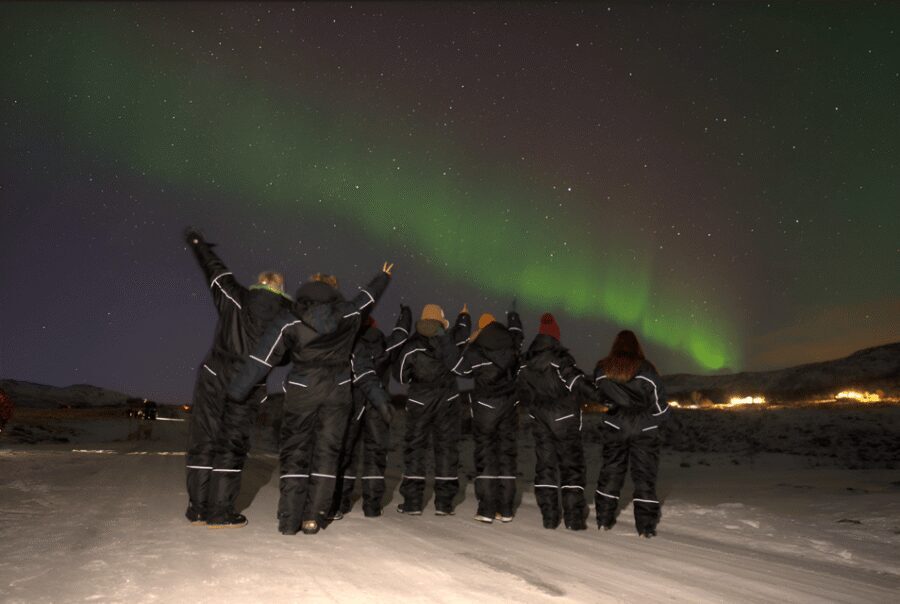
- Staying warm for real: suits, spikes, and head lamps
- What happens at the viewing spot: waiting, then the show
- Photo help that actually matters in the cold
- Expect the route to change: sometimes you chase farther
- Value check: is $152 fair for what you get?
- Guides and language: Nelson and Carl keep the night moving
- What to pack so you don’t regret it
- Who should book this, and who should skip it
- Should you book this Northern Lights minibus tour?
- FAQ
- How long is the Northern Lights tour from Tromsø?
- Where do I meet the tour in Tromsø?
- What warm gear is included?
- Are photos included, and is anything like drinks included?
- Is seeing the Northern Lights guaranteed?
- What languages are offered for the guide?
- Who is this tour not suitable for?
Key points I’d prioritize before you book
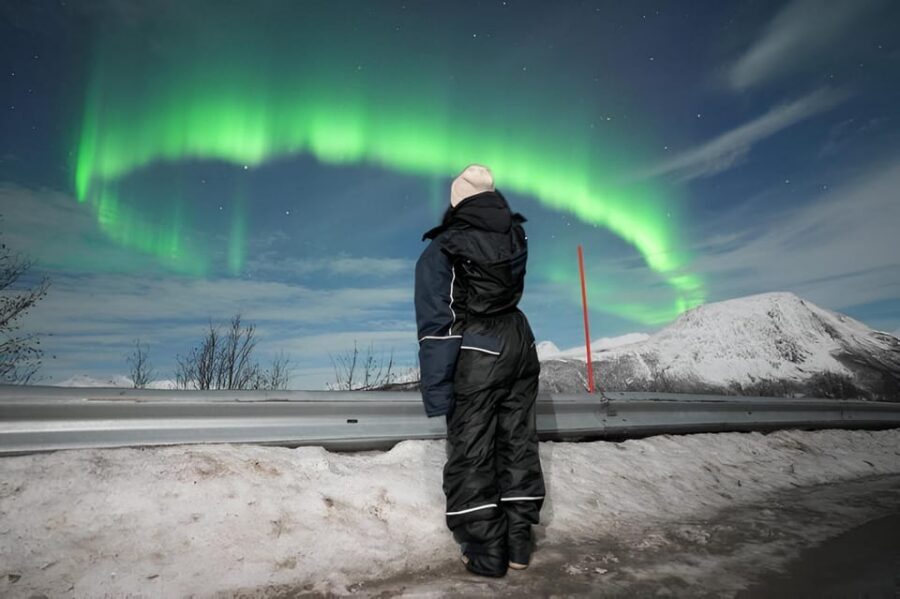
- 15-seater minibus for a cozier, more flexible group vibe than big buses
- Thermal suits, shoe spikes, and head lamps so you’re not improvising in winter darkness
- Hot drinks and cookies to take the edge off long pauses at viewing spots
- Nelson’s photo help and lots of shots so you don’t rely on your phone in the cold
- Weather-driven locations (the spot can change, and you may drive farther than you expect)
- No alcohol and no food in the vehicle, which keeps the tour focused and safer at night
Northern Lights tour from Tromsø: what you’re really buying
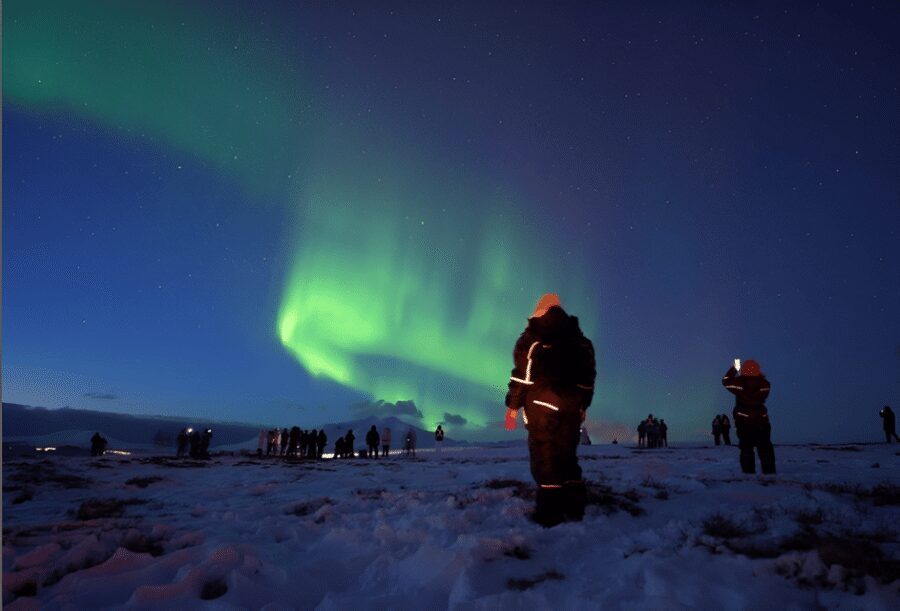
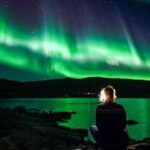
This is a Northern Lights tour in a small group, centered on one practical goal: get you to a dark, clear-enough place where the aurora has a chance to show itself. The package includes the stuff that usually ruins aurora nights—cold weather discomfort, hard-to-handle footwear, and the stress of trying to take decent photos while freezing.
At $152 per person for about 7 hours, you’re not paying for a fancy ride and hoping for the best. You’re paying for transportation plus the on-the-ground kit: warm suits, shoe spikes, head lamps, snacks (cookies), and hot drinks like coffee, tea, and hot chocolate. And the cherry on top is photo support, not just a casual “good luck” from the guide.
If you care about a smooth experience—getting picked up on time, staying safe on icy ground, and getting aurora photos that look like they came from a real camera—this kind of tour is a strong fit.
You can also read our reviews of more photography tours in Tromso
Pickup and timing: plan for a long night, not a quick stop
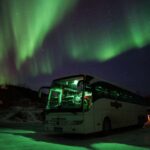
Your evening starts in Tromsø at the Tromsø City Library in the city center. You’re looking for a silver Mercedes Vito. Arrive about 10 minutes early. This matters because once you’re on a cold road in the dark, there’s little patience for late passengers and even less patience for wandering around outside.
The scheduled duration is 7 hours, but the real rhythm tends to fall in the 6–8 hour range. That’s normal for aurora chasing. Weather is the boss, and the route can change based on cloud cover, wind, and visibility. You might spend a chunk of that time driving, then a longer chunk outside waiting.
You should also treat it as an active cold-weather experience. You’ll be out at viewing spots long enough for the temperature to do its thing. That’s why this tour brings the warm gear and why packing smart makes your night dramatically more comfortable.
The minibus advantage: small group, less friction in winter
You’re in a 15-seater minibus, not a crowded cattle-car. That has a few real benefits:
First, the guide can manage everyone better. When you’re dealing with winter layers, head lamps, and people getting shoe spikes on correctly, small groups reduce the chaos.
Second, the minibus format tends to be more maneuverable when the driver needs to adjust plans quickly. Aurora nights often involve rapid decisions: take a turn, drive a bit farther, or stop somewhere new because the sky looks clearer ahead.
Third, the vibe stays more personal. Nelson and Carl aren’t just “present.” They’re actively running the night—setting up the spot, organizing people, taking photos, and keeping you warm with breaks and hot drinks.
The one drawback is that a vehicle can still feel chilly. One guest noted the van wasn’t warm enough on the return. So don’t assume the ride itself will magically keep you comfortable. Dress as if you’ll be standing still outside for a while.
Staying warm for real: suits, spikes, and head lamps
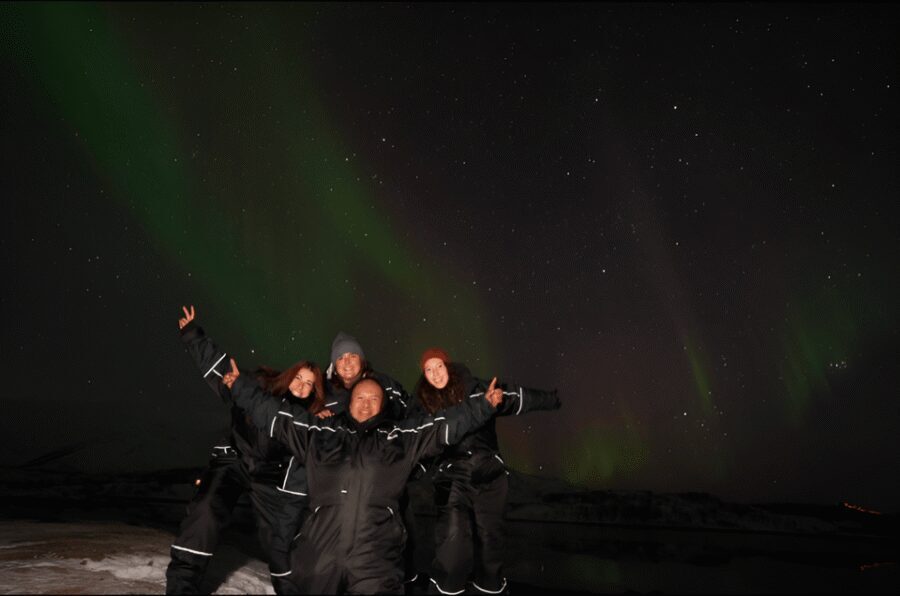
This tour gives you a kit designed for the worst parts of an aurora night: standing on cold ground, moving carefully on ice, and trying to see where you’re going without blinding everyone.
Included gear:
- Warm thermal suits
- Shoe spikes for grip on icy surfaces
- Head lamps
- Safety-related items (mentioned alongside safety gear and lamps)
This is the big deal. Many people underestimate how quickly cold becomes the main character of the night. Warm suits help a lot with that. Shoe spikes help you focus upward instead of stepping carefully like you’re defusing a bomb.
You still need to do your part. Wear at least two layers, plus gloves and a hat, and use good winter boots. If you run cold easily, add extra hand and foot warming supplies, even though the tour provides thermal suit layers—because the drive time and waiting time can stack up.
What happens at the viewing spot: waiting, then the show
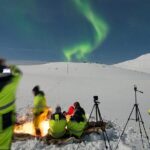
Once the guide finds a promising spot, the tour shifts from “travel mode” to “watch mode.” This is where patience pays. You’ll wait for the aurora to appear, and the tour is structured so you’re not just standing around doing nothing.
You’ll get:
- Snacks (cookies)
- Hot drinks (coffee, tea, hot chocolate)
Several guides in this setup also turn the waiting into a mini experience with light entertainment and quick facts. One guest described Nelson sharing insights on aurora history, local folklore, Norwegian history, and even touching on the Viking era. That kind of context helps because it turns the cold pause into something more engaging than silence and suspense.
On nights when the skies cooperate, you can get hours of aurora activity. That’s why it’s normal for this to be a longer tour rather than a quick “15-minute lookout.”
Photo help that actually matters in the cold
If you’ve tried taking aurora photos with your phone while wearing gloves, you already know the pain: the screen freezes, the settings are confusing, and your hands feel like they belong to someone else.
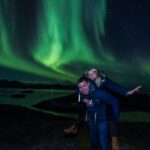
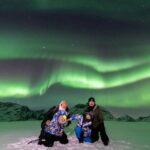
This tour includes photos, and the guide’s approach is a big part of the value. Guests specifically praised Nelson for taking a lot of pictures and delivering them to the group for free. Some guests also noted professional results far beyond what they could manage on their phones.
Here’s why that matters for you:
- You’ll spend less time fiddling with settings
- You’ll look up more instead of down at a screen
- You’ll get results you can actually share without editing everything for days
One small practical tip: keep your hands warm so you can handle your own phone briefly if you want. But let the guide do the heavy lifting for the best shots.
Expect the route to change: sometimes you chase farther
This is an aurora tour, so the real itinerary isn’t locked. The location may change based on weather, and you might drive farther than you expect to find clearer skies.
One guest mentioned the team drove out to Finland to improve the odds of clear skies. That’s a reminder that the tour’s promise is access to better chances, not a guaranteed exact geography.
So when you book, mentally set expectations like this:
- The guide is watching the sky and making calls
- You might cross borders or just drive deeper into the region, depending on conditions
- You’re choosing “flexibility and effort” over “fixed route sightseeing”
That’s also why the minibus works well here: it supports quick route changes when conditions shift.
Value check: is $152 fair for what you get?
At $152 per person for roughly 7 hours, the price makes sense if you’re comparing it to the full cost of doing an aurora night the hard way.
You’re getting:
- Transportation (including a driver and a multilingual guide)
- Warm suits
- Shoe spikes and head lamps
- Snacks and hot drinks
- Photos
The photos alone often justify part of the cost, because they remove the technical barrier. Add the warm suit system and icy footing support, and you’re no longer treating this as a DIY cold-weather challenge.
Could you do it cheaper by hiring something minimal? Possibly. But you’d still have to source gear, solve safety on ice, and deal with the photo problem. For many people, this tour’s “included kit” turns it from a survival project into a guided experience.
Guides and language: Nelson and Carl keep the night moving
This is one of those tours where the guide team feels like the engine.
Nelson is frequently mentioned by name, with guests praising his enthusiasm, his effort to find the right skies, and his photo-taking pace. Carl also appears as the driver in multiple accounts, which matters because aurora nights depend on reliable driving and timing—especially when you’re stopping in low visibility.
Language coverage includes:
- English
- Norwegian
- Portuguese
- Spanish
If you’re not fluent in English, that multilingual setup is a real comfort factor. It’s easier to understand safety instructions and enjoy the aurora explanations when you can follow the guide comfortably.
What to pack so you don’t regret it
Even with thermal suits included, you’ll still feel the environment. Your best strategy is layered warmth plus small “backup warmth.”
Pack essentials:
- Two layers minimum, more if you run cold
- Gloves and hat
- Good winter boots
- A plan for staying warm while waiting outside
A few extra items you should consider based on real cold-weather patterns:
- hand warmers and foot warmers (especially for the driving-and-waiting combo)
- spare gloves if yours get wet
Also remember what the tour forbids: no food in the vehicle, and no alcohol. So keep snacks limited to what the tour provides and plan on warm drinks instead of anything that could interfere with safety.
Who should book this, and who should skip it
This tour is a great match if you want:
- a small-group aurora hunt
- help staying warm and safe on ice
- photo support without needing to master camera settings
- a guide who can explain what you’re seeing while you wait
It’s not suitable for:
- children under 10
- wheelchair users
- people with vertigo
- visually impaired people
- people with pre-existing medical conditions
- people with recent surgeries
- people with motion sickness
That last group matters. Aurora tours involve time in a vehicle plus waiting outdoors in the cold and dark. If motion sickness is a problem for you, don’t assume you’ll be fine just because it’s a short trip in a minibus.
Should you book this Northern Lights minibus tour?
I think you should book if your goal is a guided aurora night that removes the most common trip-wreckers: cold discomfort, icy footing, and photo frustration. The mix of warm suits, shoe spikes, head lamps, hot drinks, and Nelson’s photo support makes this feel like good value for a one-night experience.
You might rethink it if:
- you get very cold in vehicles and you’re not planning extra layers
- you need easy accessibility accommodations (this isn’t set up for wheelchair use)
- you’re sensitive to motion or have conditions that make cold, dark, or vehicle time difficult
One smart move: bring your warmest mindset. Aurora nights reward people who show up prepared, not people who hope the thermal suit alone will do everything. If you do that, you’ll maximize your odds of a night you’ll actually remember.
FAQ
How long is the Northern Lights tour from Tromsø?
The tour runs for about 7 hours, with the overall experience typically taking around 6–8 hours depending on weather and where you end up going.
Where do I meet the tour in Tromsø?
Meet at the Tromsø City Library in the city center. Look for the silver Mercedes Vito.
What warm gear is included?
Warm suits are included, along with shoe spikes and head lamps to help you stay secure and visible in the dark.
Are photos included, and is anything like drinks included?
Yes, photos are included. You’ll also get snacks (cookies) and hot drinks such as coffee, tea, and hot chocolate.
Is seeing the Northern Lights guaranteed?
No. Northern Lights are a natural phenomenon, and sightings are not guaranteed.
What languages are offered for the guide?
The live guide speaks English, Norwegian, Portuguese, and Spanish.
Who is this tour not suitable for?
It’s not suitable for children under 10, wheelchair users, people with vertigo, people who are visually impaired, people with pre-existing medical conditions, people with recent surgeries, and people with motion sickness.