REVIEW · NARVIK
From Narvik: The Northern Lights Arctic Train Guided Tour
Book on GetYourGuide →Operated by Norwegian Travel · Bookable on GetYourGuide
Dark skies do the heavy lifting for you. This 3-hour Northern Lights guided tour pairs the historic Ofoten Railway with a warm stop at remote Katterat station, far from city light pollution. I like that you get both the science-and-story part (briefings, a documentary, photo guidance) and the cozy waiting part (campfire, hot drinks, and a sheltering lavvu).
One thing to plan around: the aurora is never guaranteed. Even with great conditions, clouds and timing can win, so come prepared for a cold night where your “win” might be stars, silence, and a fun Arctic rail adventure.
In This Review
- Entering the Arctic by Train from Narvik stasjon
- Key Moments That Make This Tour Worth Your Time
- The Historic Night Train: Your First Step Toward the Aurora
- Why Katterat (373 Meters Up) Boosts Your Odds
- Campfire Waiting: Warmth, Lavvu Shelter, and Hot Drinks
- Photo Tips That Actually Help (Bring Your Tripod)
- The Cultural Stops: Old Mountain Village and Katterat Museum
- Timing on the Route: When to Expect the Best Viewing
- Comfort and Group Flow: What to Watch Out For
- Value for $156: What You’re Really Paying For
- Who This Tour Suits Best (And Who Should Skip It)
- What to Bring for a Smooth, Warm Night
- Quick Reality Check: Northern Lights Are Natural, Not Scheduled
- Should You Book This Narvik Northern Lights Arctic Train Tour?
- FAQ
- How long is the Northern Lights Arctic Train Guided Tour from Narvik?
- Where does the tour start and end?
- Is seeing the Northern Lights guaranteed?
- What’s included in the price?
- Do I need thermal suits?
- Is the guide available in English?
Entering the Arctic by Train from Narvik stasjon
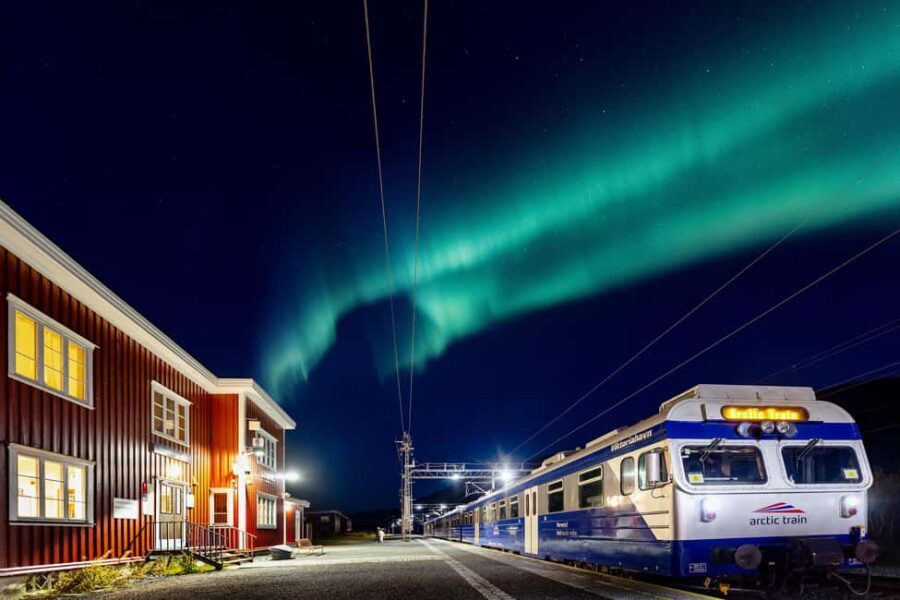
This tour starts right at Narvik stasjon, and it wastes no time putting you into darkness. You ride the historic line deep into the night, where the lack of light pollution makes the sky feel big and uncluttered.
What I really like is the mix of ways you get to experience the aurora hunt. You’re not just standing outside hoping for the best; you’re guided toward the best moments, with practical photo tips and a plan that balances open-sky viewing with warmth.
There’s also real personality from the hosts. In at least one recent tour, the guide Anajolie set the tone with upbeat, informative explanations and steady encouragement. That kind of “we’re in this together” energy matters when you’re waiting for lights that may take their sweet time.
Key Moments That Make This Tour Worth Your Time
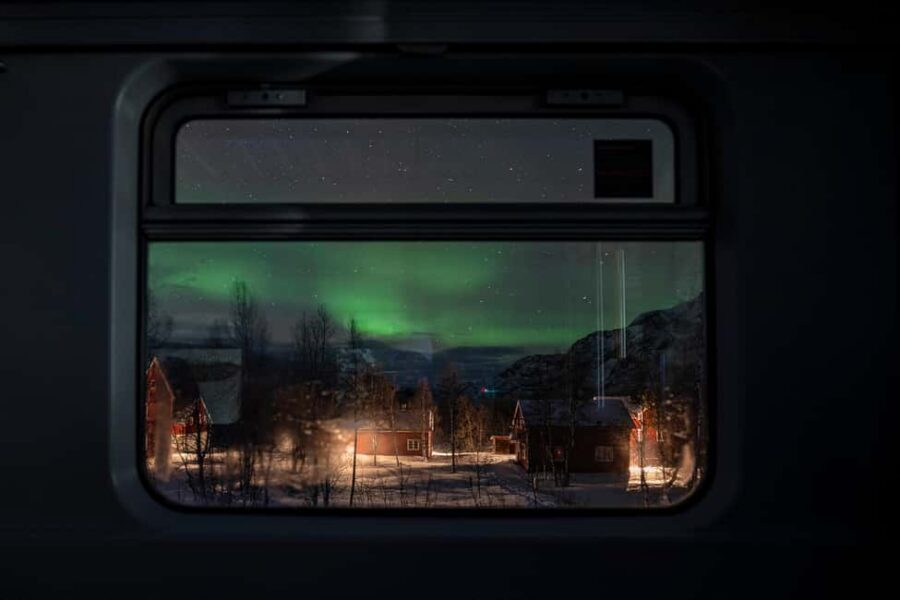
- Historic Ofoten Railway night run: 45 minutes away from Narvik to get you into proper darkness.
- Katterat station’s remoteness: a mountain stop at 373 meters with no road access.
- Warmth while you wait: campfire plus lavvu shelter, with hot drinks and a light snack.
- Guided viewing and photo help: photo tips, and guidance on when to go out if needed.
- More than aurora watching: an old mountain village visit and a museum stop at Katterat.
- Built for the cold: bring a tripod and thermal clothing since thermal suits aren’t provided.
You can also read our reviews of more tours and experiences in Narvik.
The Historic Night Train: Your First Step Toward the Aurora
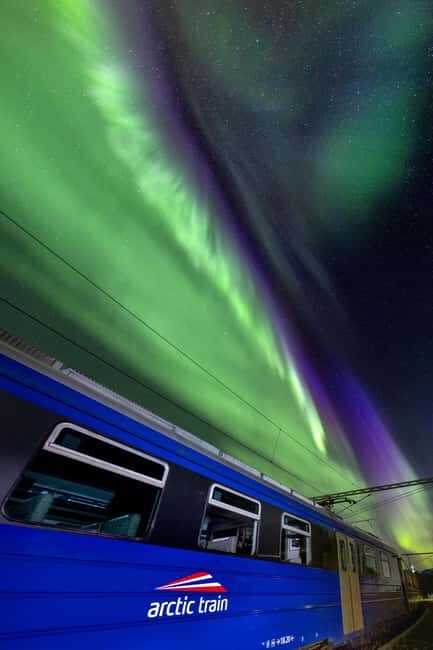
The rhythm of this tour is simple and smart: ride out, stop in darkness, then ride back. The first train segment is about 45 minutes, long enough for the surroundings to shift from town lights to almost pure black.
Even from the carriage, you get a better chance than you would if you tried to drive yourself. The train travels along a known route through the mountains, and the darkness along the way is part of what makes the whole experience work.
One practical tip: plan to test your seat location. A couple of people found they had a better view after changing where they sat on the train, especially for those first faint hints of aurora. If your side seems blocked or dull, ask the guide or move early rather than waiting until you’re already deep into waiting.
Why Katterat (373 Meters Up) Boosts Your Odds
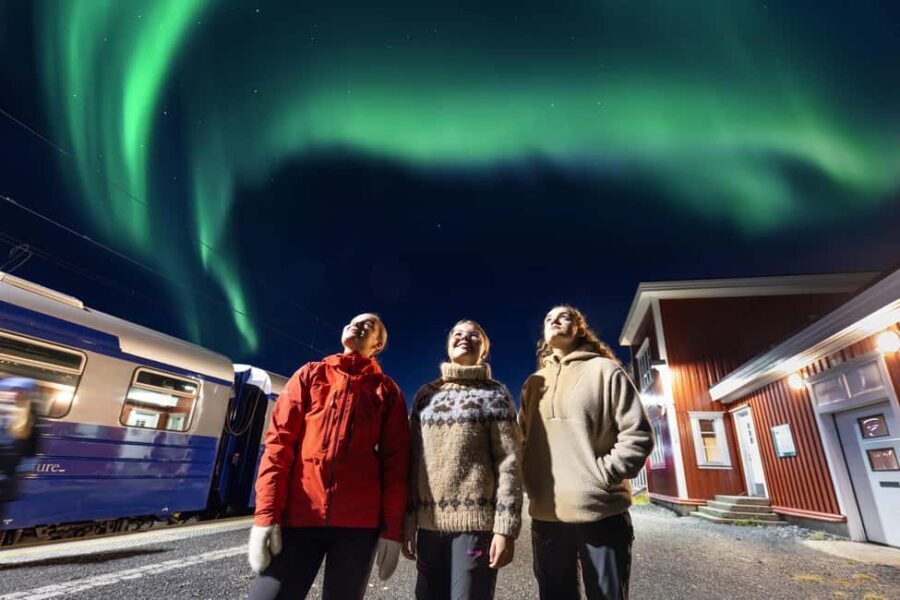
Katterat is the star of the show, and it’s not just because it sounds cool. It’s a remote mountain station sitting 373 meters above sea level, with no road access. That last detail is huge because it limits light and keeps the viewing conditions more serious.
You step off at Katterat and it feels different from anything city-based. There’s space around you for your eyes to adjust, and the night sky has room to show. When people do see aurora clearly here, it’s often because they’re finally far enough away from stray lights.
The timing at the stop is about 1.5 hours. That’s long enough for your eyes to adapt, for clouds to potentially pass, and for your guide to call when it’s worth going out beyond the shelter.
Campfire Waiting: Warmth, Lavvu Shelter, and Hot Drinks
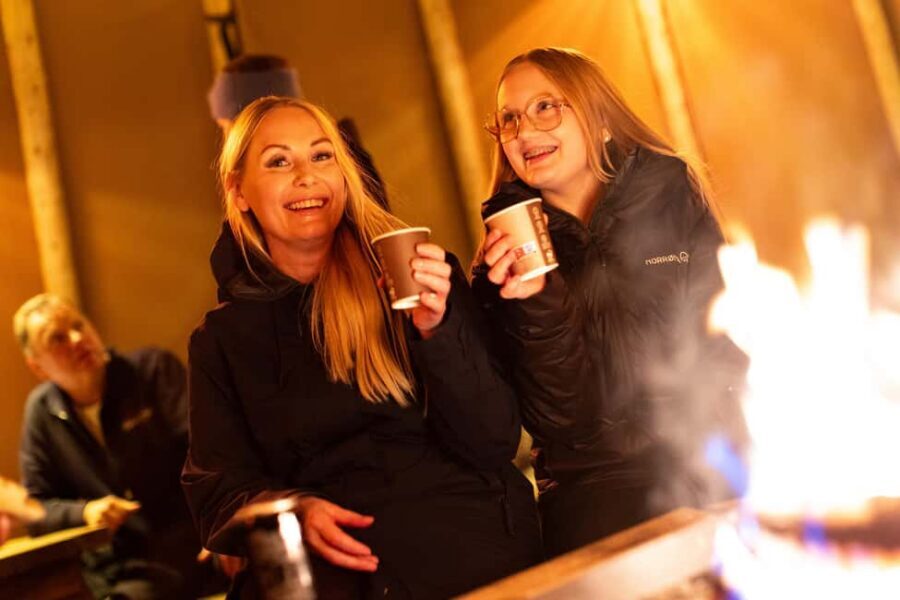
Let’s be honest: aurora watching can be slow. This tour handles that reality well by making warmth part of the schedule, not a last-minute rescue.
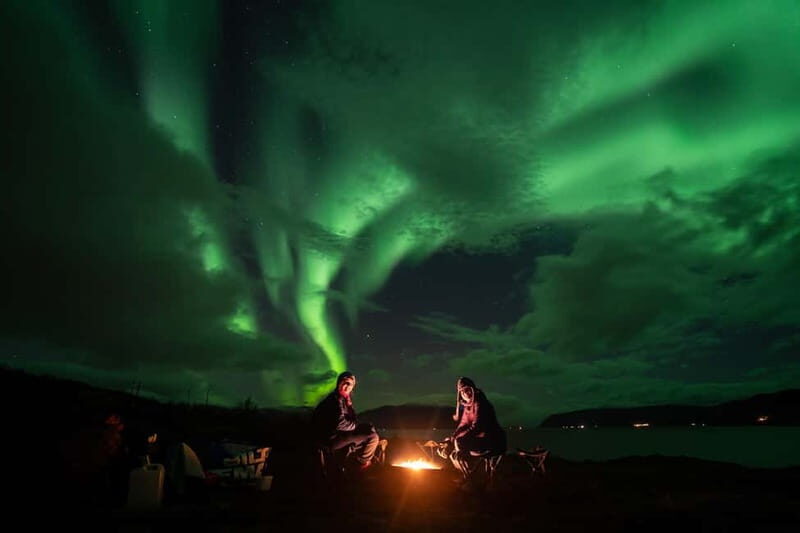
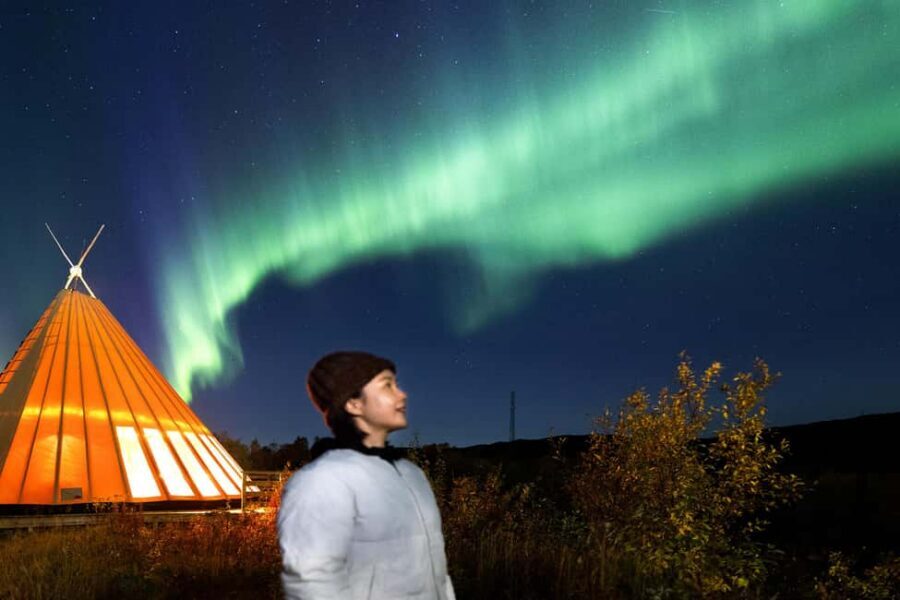
At Katterat, you gather around a campfire under the open sky, with a traditional lavvu nearby for shelter. The lavvu isn’t just for looks. It gives you a place to reset when the cold gets sharp, especially if you’re waiting longer than expected.
You’ll get hot drinks and a light snack while you wait. People often mention how comforting this is because the evening can be genuinely cold. If you’re thinking about skipping warm gear because you’ll be “fine on the train,” don’t. Your body will still pay the price during outdoor viewing.
Some groups also use a heated tent setup during the waiting period, and guides decide when it’s worth stepping out to watch. That’s a smart approach, and it helps you avoid the common mistake of rushing outside too early and then getting worn out.
Photo Tips That Actually Help (Bring Your Tripod)
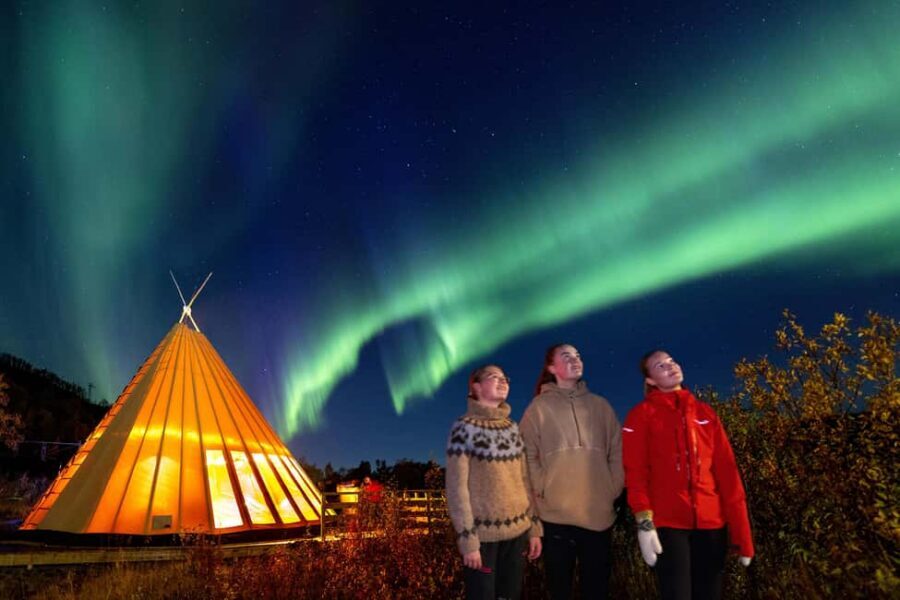
Aurora photos can be frustrating. The light is faint, the sky is moving, and your phone often turns it into a blurry rumor. This tour helps by including photo tips, and it makes sense because Katterat’s darkness is exactly where good shots can happen.
Bring your tripod if you have one. Your camera (or phone) will benefit from steadier positioning during long exposure attempts. Also bring socks, a warm scarf, and gloves you can use while handling gear. You’ll want your fingers functional, not frozen in “I can’t feel my hands” mode.
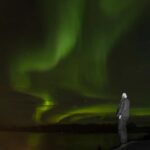
A quick mindset adjustment: you’re not just photographing the aurora itself. You’re capturing the moment when the sky starts to change. If the lights are faint at first, don’t pack up. Sometimes the sky builds slowly, and the guide’s calls help you stay patient.
The Cultural Stops: Old Mountain Village and Katterat Museum
This tour doesn’t treat the night as only “lights or nothing.” It adds context through a visit to an old mountain village and a museum stop at Katterat.
That matters because it changes your relationship to the place. You’re not just watching nature; you’re learning how people have lived with this region’s extreme seasons, and how the railway shaped everyday life in the Arctic.
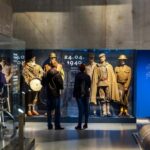
During the stop, your host shares stories about the railway’s history, the surrounding area, and daily life in the far north. It’s the kind of talk that makes the waiting feel purposeful instead of empty.
Even if the aurora doesn’t show, you still get a guided evening with a sense of place—snowy quiet, train sounds, and a couple of structured moments that add meaning.
Timing on the Route: When to Expect the Best Viewing
You’ll have two opportunities for “watching mode.” The big viewing window is the Katterat stop, but the ride itself can also offer hints as the train passes darker areas.
The stop is roughly 1.5 hours, which gives you time for the sky to respond. That’s important because aurora can be inconsistent. One moment you’re seeing nothing but stars, and the next you get motion and color.
If the sky is cloudy at first, don’t assume the night is over. People on these tours have had nights where aurora seemed unlikely—then the second part of the viewing made everything click. The guide’s pacing and warm-up breaks help you stay focused without constantly shivering.
Comfort and Group Flow: What to Watch Out For
Overall, the experience is well run, but you should go in with realistic expectations for group travel in winter conditions.
One minor drawback to note: some people experienced a slightly disorganized boarding flow, and at least one report mentioned refreshments running low for passengers at the end of the line. It’s not a deal-breaker, but it’s worth arriving a little early so you’re not scrambling in the cold.
Also, be prepared to stand and wait outside for periods. The tour gives you warm options (campfire and lavvu), but you’ll still have moments outdoors during viewing. Dressing properly is the difference between enjoying the sky and spending the whole night counting minutes.
Value for $156: What You’re Really Paying For
At $156 per person for a 3-hour outing, this isn’t a “cheap and cheerful” add-on. It’s priced like a guided experience that uses a real railway segment, includes a guide, and provides warmth and refreshments at a remote stop.
Here’s the value picture:
- Roundtrip train ticket to get you where most people can’t easily reach at night
- Snack and beverages plus the campfire setup
- Photo tips and a hosted approach to timing
- Northern Lights documentary and practical context during the evening
- Old mountain village + museum visit at Katterat
If you’re traveling without a car—or you simply don’t want to play meteorologist on your own—this price can feel fair. The big win is removing guesswork: you’re going to a known dark location with guides who know how to run the night.
And if aurora doesn’t appear, you still get a guided winter rail experience with cultural stops. That makes the cost easier to justify than a purely “stand outside and hope” option.
Who This Tour Suits Best (And Who Should Skip It)
This works especially well for adults and older kids who want an Arctic night activity that’s guided, structured, and genuinely remote. You’ll likely enjoy it most if you want the lights but also care about learning why the location and timing matter.
It’s not suitable for children under 7, and it isn’t set up for wheelchair users. If you have mobility challenges, you’ll want to choose an alternate aurora format that matches your needs.
Also, if you hate cold waiting, this still might be your style because the tour builds in warmth breaks. But you do have to dress for winter reality, especially since thermal suits aren’t included.
What to Bring for a Smooth, Warm Night
This tour asks more from your clothing than most city tours do. Make packing boring and practical.
Bring:
- A hat, scarf, and warm weather clothing
- Socks (spare if you get cold easily)
- Camera and tripod if you’re serious about aurora photos
- Thermal clothing layers
One simple rule: dress like you’ll be outside longer than you think. The tour gives warmth at set times, but the cold is still part of the experience, and you’ll feel it if you under-pack.
Quick Reality Check: Northern Lights Are Natural, Not Scheduled
The biggest truth you should carry into this tour is simple: you can’t guarantee the aurora. Clouds, solar activity, and timing all matter.
What you can control is your readiness. Bring the right layers, stay patient at Katterat, and take the guide’s lead on when to be outside versus sheltered.
Even on nights when the lights don’t show, the experience can still be memorable. Clear skies can mean a sky full of stars, and the guided railway + warm campfire setting still creates a strong “Arctic night” feeling.
Should You Book This Narvik Northern Lights Arctic Train Tour?
I’d book this if you want a guided Arctic aurora experience that takes you past city lights and gives you warmth, photo help, and culture at a remote station. It’s also a strong pick if you don’t want the stress of driving in the dark or trying to find a good viewing spot on your own.
I might skip it only if you’re unwilling to dress for cold, or if you need a guaranteed aurora. Since the lights aren’t guaranteed, you’re booking for the whole night experience, not a guaranteed show.
If you’re open to the possibility of a quiet starry evening, this is a well-shaped way to chase the aurora from Narvik.
FAQ
How long is the Northern Lights Arctic Train Guided Tour from Narvik?
The tour lasts about 3 hours total, with train time and a stop at Katterat for viewing and cultural activities.
Where does the tour start and end?
It starts at Narvik stasjon and returns to Narvik stasjon at the end of the tour.
Is seeing the Northern Lights guaranteed?
No. The Northern Lights are a natural phenomenon, and the tour cannot guarantee if and when they will appear or how strong they will be.
What’s included in the price?
The tour includes a roundtrip ticket, snack and beverages with a bonfire setup, a guide, photo tips, a Northern Lights documentary, plus visits to an old mountain village and a museum at Katterat.
Do I need thermal suits?
Thermal suits are not included. You should bring weather-appropriate clothing and thermal clothing for warmth.
Is the guide available in English?
Yes, the tour provides a live guide in English.