REVIEW · BERGEN
Bergen: Bergen Aquarium Entry Ticket
Book on GetYourGuide →Operated by Akvariet i Bergen · Bookable on GetYourGuide
Bergen’s ocean circus is better than it looks. I love the way the live feedings turn a walk-through into a real-time show, and I also enjoy spotting favorites like the penguin and crocodile areas without needing any special knowledge first.
One possible drawback: since the aquarium has been operating for decades, some parts feel a bit dated compared with brand-new attractions, so go in with the expectation of a classic venue.
In This Review
- Key highlights at Bergen Aquarium
- Bergen Aquarium: easy to reach, ideal for a one-day stop
- Inside the aquarium: how to enjoy three levels of sea life
- Penguins and sea lions: the classic crowd-pleasers
- Crocodiles, European otters, and the less-obvious stars
- Snakes and geckos: reptiles you’ll actually want to keep watching
- More than 100 fish species: why this part deserves time
- Feedings and presentations: plan your day around the live moments
- Cinema shorts and bilingual info: learning that doesn’t feel like homework
- Timing your visit: one day in Bergen without rushing
- Price and value: what you’re really paying for
- Practical notes: hours, rules, and getting there smoothly
- Who this ticket suits best
- Should you book Bergen Aquarium entry tickets?
- FAQ
- How long can I spend at Bergen Aquarium with this ticket?
- What animal exhibits can I see at Bergen Aquarium?
- Are presentations and feedings included?
- Is there information in English?
- What are the opening hours?
- Is Bergen Aquarium wheelchair accessible?
Key highlights at Bergen Aquarium
- Live feedings and presentations you can build your visit around (check the day’s program)
- Three-level layout that feels bigger once you’re inside
- Norway-focused sea life, from coast fish to polar-style penguin viewing
- Reptile exhibits including snakes and geckos, plus crocodile viewing areas
- Short films in the cinema to add context to what you’re seeing
- English and Norwegian information across exhibits and animal displays
Bergen Aquarium: easy to reach, ideal for a one-day stop
The Bergen Aquarium sits in Vestland County and is one of the city’s big “if the weather is messy” choices. It’s also a smart pick if you want a family-friendly indoor activity that doesn’t feel like a generic museum.
Location-wise, it’s about a 15-minute walk from the Tourist Information. You can also get there by bus, boat, or car if you’re moving around Bergen that day anyway. I like that you don’t have to plan a special route—just plug it into your day and go.
This is an entry ticket experience. That means you control your pace: wander at your speed, catch feedings when they happen, and spend more time with the animals you actually care about. With a full day ticket, you’re not forced into a rushed circuit.
A few more Bergen tours and experiences worth a look


Inside the aquarium: how to enjoy three levels of sea life
First impression matters here. From the outside, the aquarium can seem small, but once you’re in, it feels more articulated across three floors and easier to explore than you’d guess.
That layout is helpful because you can do the visit in “loops” instead of one straight line. I suggest you start by getting oriented, then let one or two exhibits pull you forward while you still have the energy to circle back.
Across the space, you’ll find a clear theme: animals that live along the Norwegian coast and in the wider sea environment. You’ll also get background info that explains why habitat matters, which is useful if you’re trying to turn a fun outing into something you can talk about later.
If you’re traveling with kids, the three-level design is great because it gives you more moments of discovery. If you’re traveling solo or as a couple, it helps you avoid the “same room, same tanks” feeling that some smaller aquariums can have.
Penguins and sea lions: the classic crowd-pleasers
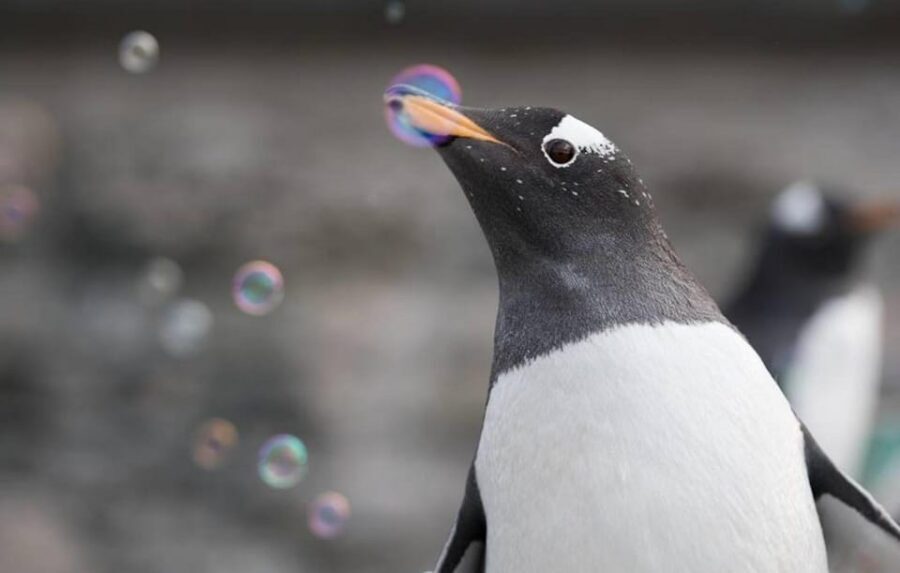
If you’re going to remember one part of this visit, make it the penguins and sea lions viewing. These are the kinds of exhibits that give you that full “I’m watching real animals” payoff, not just a list of species behind glass.
The penguin area is one of the aquarium’s headline stops. It works well because it’s visually engaging and easy to watch even if you’re just passing through between feedings. I find it’s also a good place to take a breather—sit, watch behavior, then move on when you’re ready.
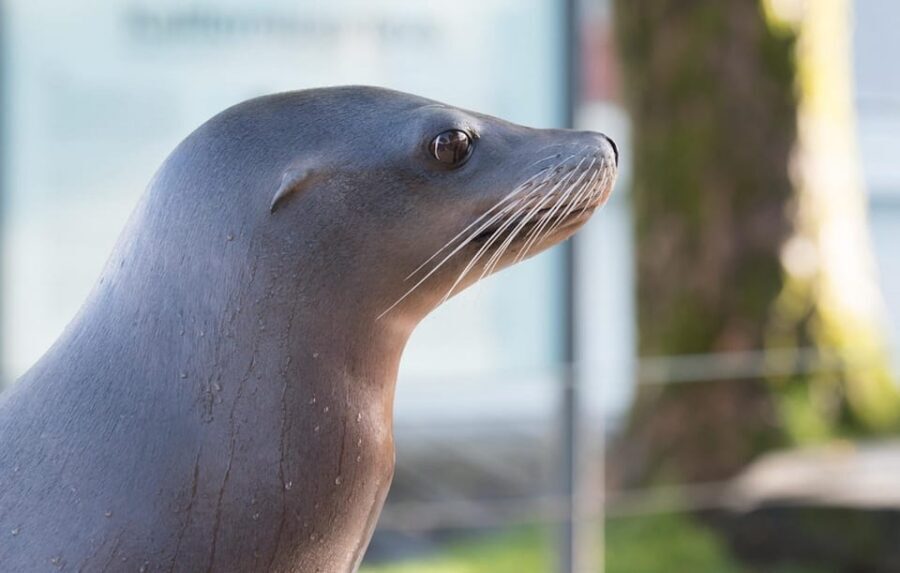
Sea lions tend to be the other big draw, and the viewing setup makes it simple to track what they’re doing. If you like animal behavior more than background science, these are the exhibits that keep you interested without needing a lot of reading.
The key is timing. Since presentations and feedings happen throughout the day, try to catch one near your favorite exhibit. That way, you get both the steady viewing and the “something is happening right now” moment.
Crocodiles, European otters, and the less-obvious stars

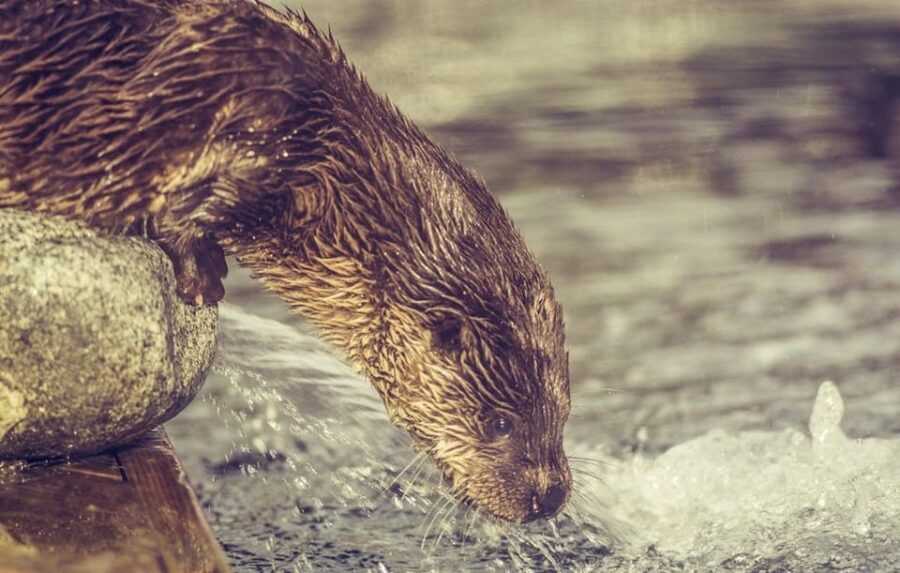
This aquarium isn’t only about cute or familiar animals. It also gives you a mix, including crocodiles and European otters, which change the feel of the visit fast.
The crocodile area is a must-see if you like animals that look powerful and ancient. Even if you’re not an “enclosure architecture” person, the exhibit helps you focus on how these creatures live and what they need to stay healthy. It’s one of those spots where you’ll likely pause longer than you planned.
European otters add another layer. They’re different from the “big dramatic show” vibe and more about movement and activity. Watching otters can feel surprisingly engaging because you’re looking for behavior, not just appearance.
I also like that the aquarium doesn’t treat these animals as separate worlds. The information is tied back to habitat and the idea that what they live in matters. That’s a simple lesson, but it lands better when you see the animal right there in front of you.
Snakes and geckos: reptiles you’ll actually want to keep watching
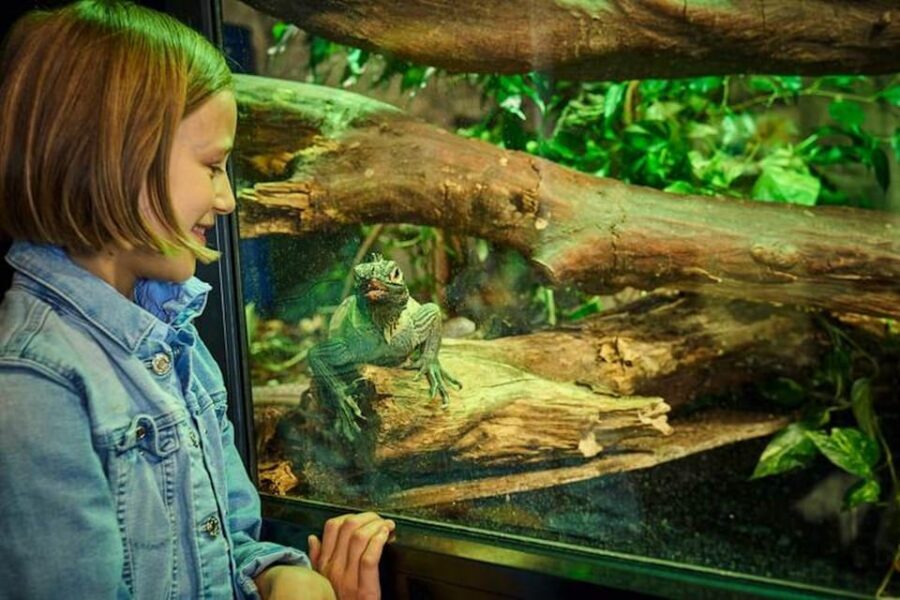
If you’ve ever walked past reptile exhibits and felt bored, this is where your opinion can change. Bergen Aquarium includes snakes and geckos, and the experience is more than just spotting a label on a tank.
Reptiles can be tricky to enjoy because they don’t move constantly. The trick is to slow down. Look for small changes—how they adjust, how they react during the day, and where they choose to rest.
I also like that these reptiles fit the Norwegian-coast theme. You’re not just getting a random mix of global species. The aquarium is organized around sea and coastal creatures, and the reptile exhibits complement that storytelling.
If you’re traveling with teens or adults who aren’t into “just fish,” reptiles add a more varied, interesting angle.





More than 100 fish species: why this part deserves time
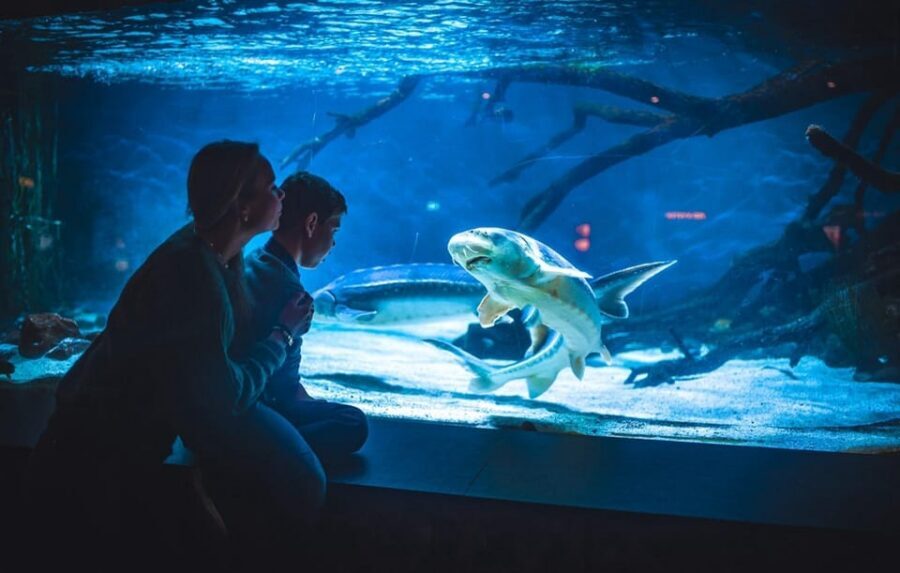
Fish tanks can feel repetitive in some aquariums, but here you’re looking at more than 100 fish species. That scale matters because it encourages you to see the differences instead of treating everything like “one big wall of fish.”
Instead of speed-walking, try a “compare and notice” approach. Pick a few tanks and focus on shapes, color patterns, and how groups behave together. When you look closely, fish viewing becomes more rewarding than it sounds.
This is also where the aquarium’s educational side really supports the fun. The staff-led presentations and feeding times help connect the animals to the broader idea of habitats, not just the animals as decoration.
If you only skim the fish sections, you’ll miss a big chunk of what makes this ticket worthwhile. Give it at least a solid chunk of time, even if you feel tempted to bounce straight to penguins.
Feedings and presentations: plan your day around the live moments
The big difference between “seeing tanks” and “enjoying an aquarium” is whether something changes while you’re there. Bergen Aquarium has presentations and feedings throughout the day, and the staff provides more context as the activity happens.
The day’s program can tell you what’s scheduled, so don’t treat it like a “when we get there, we’ll see.” Instead, aim for at least one feeding/presentation slot near your favorite exhibit.
This is especially useful on a one-day visit. You’ll end up getting two layers of value:
- The steady viewing as you walk around
- The live animal moment where the staff explain what you’re seeing
I’m also a fan of this for mixed ages. Kids like the “watching food happen” part. Adults can use the talk to connect the animals to habitat needs and survival in the sea.
Cinema shorts and bilingual info: learning that doesn’t feel like homework
You’ll also find short films in the cinema. These help break up the walk and add context without turning the day into a lecture.
The aquarium provides information in Norwegian and English, so you aren’t stuck guessing what you’re looking at. That matters because the best exhibits are the ones you understand at least a little, especially when you’re seeing animals you don’t meet anywhere else.
What you’re learning is framed around living in the sea and the importance of habitat. Even if you only catch part of the message, the visual experience makes it easier to remember.
If you want a “no stress” educational component, the cinema shorts plus bilingual labels are a good combo. You get to choose how much you read.
Timing your visit: one day in Bergen without rushing
This is a valid 1-day ticket, so you can treat it like an easy anchor in your Bergen itinerary. It’s open 361 days a year, so you’re more likely to find a slot that works even during busy travel weeks.
Opening hours shift by season:
- September 1 – April 30: 10:00 AM to 6:00 PM
- May 1 – August 31: 9:00 AM to 6:00 PM
Plan around your own energy. If you get motion-sick easily, staying longer in one section at a time can help you pace the day. If you travel with kids, it’s smart to pick one main animal “target” and then build the rest of your route around where feedings land.
Because this isn’t a guided tour with a set order, you’ll get the most from it by doing two passes:
1) First pass: scan the whole aquarium so you know what’s where
2) Second pass: linger near your favorites and return for the feedings you didn’t catch earlier
Price and value: what you’re really paying for
At $40 per person, Bergen Aquarium sits in the mid-range for a major city attraction. The value comes from what the ticket includes, not just the entry doors.
You’re getting:
- Exhibits across several animal areas (not only fish)
- Presentations and feedings, which are hard to recreate elsewhere
- Information available in English and Norwegian
- Short films in the cinema
If you love animals, fish diversity, and live feedings, the ticket cost starts to make sense fast. If you’re someone who wants just a quick look at the tanks, you might feel it’s pricey for one hour.
So my practical advice is simple: don’t treat it as a “walk past and out.” Treat it as a time block where at least one feeding/presentation is part of your plan. That’s the moment that turns a visit from viewing to experiencing.
Practical notes: hours, rules, and getting there smoothly
You have multiple ways to reach the aquarium—walk from the city center, take a bus, ride a boat, or drive. Since it’s about a 15-minute walk from the Tourist Information, it’s also easy to combine with other central Bergen stops.
The aquarium is wheelchair accessible, which is a big plus if you’re traveling with mobility needs. I’d still plan extra time for aisles and viewing spots so you don’t feel rushed.
A couple of rules to know:
- No alcohol or drugs are allowed.
- The aquarium stays open most of the year, but it’s closed on 17 May, 24 December, 25 December, 26 December, and 31 December.
If you’re visiting around holidays, check the calendar before you commit your day. It’s also worth keeping your arrival early enough to see at least one scheduled activity.
Who this ticket suits best
Bergen Aquarium is a strong fit for:
- Families who want animals plus scheduled moments like feedings
- Travelers who like coastal and sea-life education without heavy text
- Anyone who enjoys watching animal behavior rather than just reading about it
- Rainy-day planners who still want an authentic, local Bergen activity
It’s also a decent option for couples. The place is organized enough that you can focus on favorites—penguins, crocodiles, otters—and enjoy the day without needing to keep up with a group pace.
If you’re the kind of traveler who hates older venues or expects everything to be brand-new and ultra-modern, you might find parts feel dated. That said, the animal variety and the daily programming are the reason most people leave satisfied.
Should you book Bergen Aquarium entry tickets?
Yes, if you want a one-day Bergen indoor activity that’s more than static displays. The ticket gives you live feedings, bilingual info, and a real mix of animals—from penguins and sea lions to crocodiles, European otters, snakes, geckos, and a large spread of fish species.
Book it if you’re traveling during colder months or want flexibility, because the aquarium runs most of the year and offers a full day of wandering at your own pace. Skip it only if you’re strictly looking for a quick tank tour and don’t care about presentations or feedings.
FAQ
How long can I spend at Bergen Aquarium with this ticket?
The entry ticket is valid for 1 day, so you can plan a full visit within the aquarium’s opening hours.
What animal exhibits can I see at Bergen Aquarium?
You can see penguins, sea lions, crocodiles, European otters, snakes, geckos, and more than 100 fish species.
Are presentations and feedings included?
Yes. Presentations and feedings are included, and they run throughout the day. You should check the day’s program for times.
Is there information in English?
Yes. Information is available in Norwegian and English, and there are short films in the cinema.
What are the opening hours?
From September 1 to April 30, it’s open 10:00 AM to 6:00 PM. From May 1 to August 31, it’s open 9:00 AM to 6:00 PM.
Is Bergen Aquarium wheelchair accessible?
Yes, the aquarium is wheelchair accessible.