REVIEW · TROMSO
Tromsø: Summer Fjord Road Trip with Citizen Science
Book on GetYourGuide →Operated by Wandering Owl · Bookable on GetYourGuide
Fjords and science, four hours at a time. I like how this Tromsø trip turns Kvaløya into a fast-moving scenic sampler, with fjords, mountains, beaches, lakes, forests, and small countryside villages built into the drive and photo stops. I also love the viewpoint time that makes it easy to slow down, frame a shot, and actually take in the Arctic summer feel.
Photo-minded stops and a guided wildlife-and-nature talk make the route feel personal, not just scenic-from-the-bus.
My second favorite part is the citizen science work: you learn the method, then help collect data samples that get shared with research partners. I also appreciate the practical comfort extras like hot drinks, biscuits, and a homemade picnic with vegetarian and vegan options. One possible drawback to plan for is unpredictable coastal weather, plus limited toilet options (with only a gas-station stop while you’re driving).
In This Review
- Key takeaways before you go
- From Tromsø pickup to Kvaløya: the ride that sets the tone
- Kvaløya viewpoints and photo stops: how you get real variety
- Wildlife spotting in Arctic summer: what you can realistically expect
- The citizen science part: collecting data that matters (and how it works)
- A homemade Arctic picnic: food that fits the outing
- Group size and guide style: why “small” actually matters
- Route highlights beyond the big stop: fjords and water moments
- Price and value: what $152 includes in real terms
- What to bring (and what to expect on a windy coast)
- Who this Tromsø citizen-science fjord trip suits best
- Should you book this Tromsø summer fjord road trip with citizen science?
- FAQ
- How long is the Tromsø summer fjord road trip with citizen science?
- Where does the pickup happen in Tromsø?
- Is hotel pickup included?
- What’s included in the tour price?
- What wildlife might you see during the drive?
- Is the tour guide available in English?
- Is there a restroom available during the tour?
- What should I bring for the trip?
Key takeaways before you go
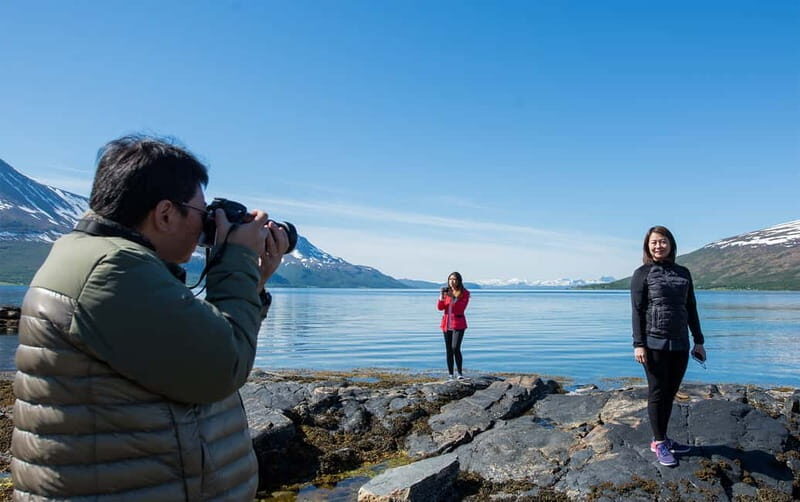
- Kvaløya’s viewpoint circuit: fjords, mountains, beaches, and villages in a single, manageable outing
- Wildlife spotting that’s built into the stops: reindeer, otters, seabirds, and sea eagles (when conditions line up)
- Citizen science you can explain: you’ll collect data samples after learning the method
- Homemade Arctic picnic: with hot drinks, biscuits, and vegetarian/vegan choices
- Small group cap (15): better chances for quieter conversations and easier spotting from the vehicle
From Tromsø pickup to Kvaløya: the ride that sets the tone
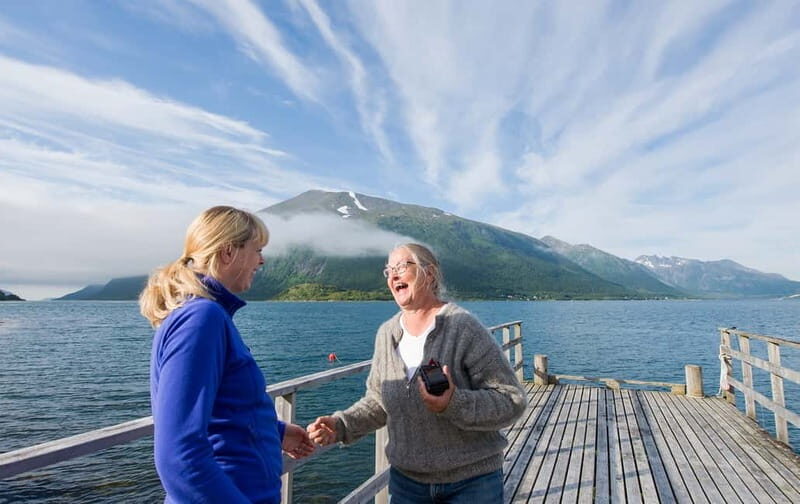
This is a short, focused 4-hour outing that starts right in Tromsø. Your pickup point is in front of the Scandic Ishavshotel (Fredrik Langes gate 2, 9008 Tromsø). The idea is simple: you step into a small-group vehicle, get oriented with an English-speaking guide, and head west of the city into the fjord country pretty quickly.
That speed matters. In places like northern Norway, the best weather windows can be short. A half-day tour lets you catch enough of the day without locking yourself into a full day of bus time. And since you’re starting close to central Tromsø, you don’t need a complicated pre-plan just to get rolling.
The route is also designed to feel different from a generic scenic drive. You’re not just passing by water views. You’re moving through real coastal and countryside terrain—the kind that shapes animal behavior, bird activity, and how the light hits the fjords. If you care about photos, this kind of route is helpful because it gives you repeated chances to stop, step out, and adjust.
You can also read our reviews of more tours and experiences in Tromso.


Kvaløya viewpoints and photo stops: how you get real variety
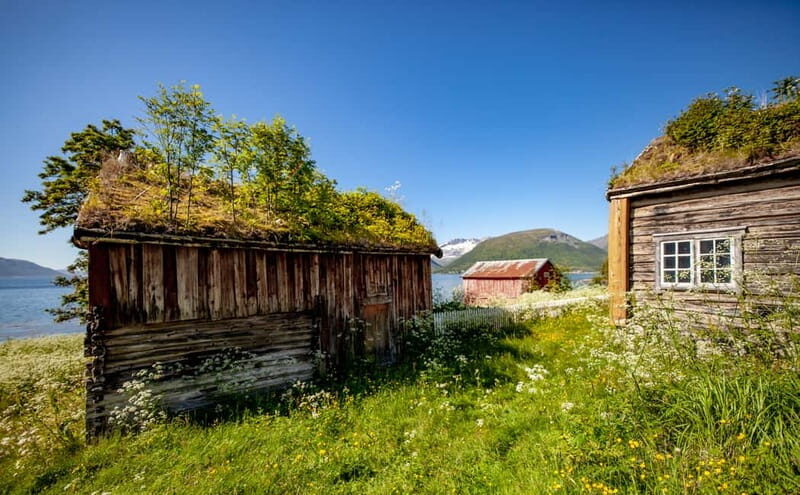
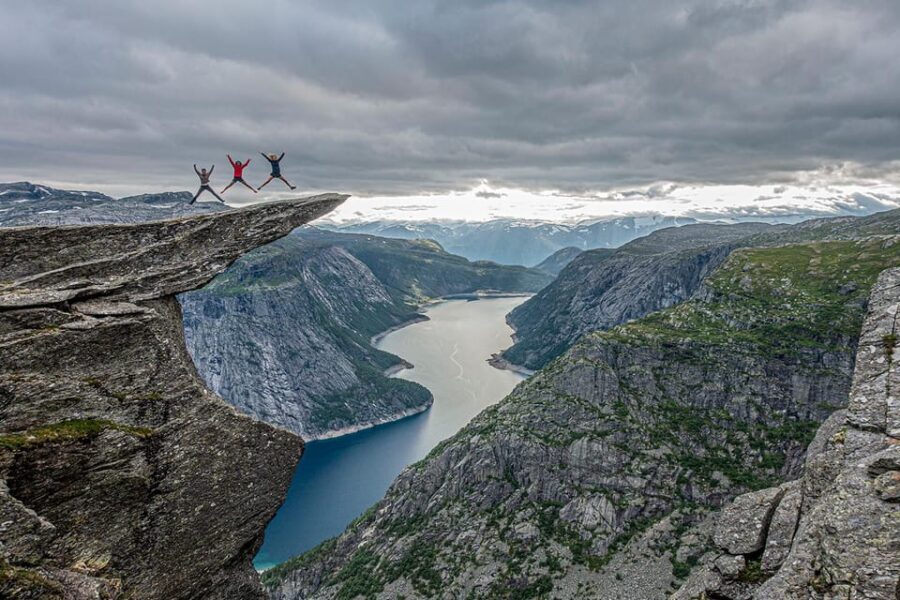
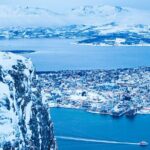
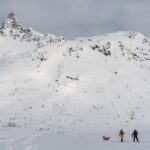
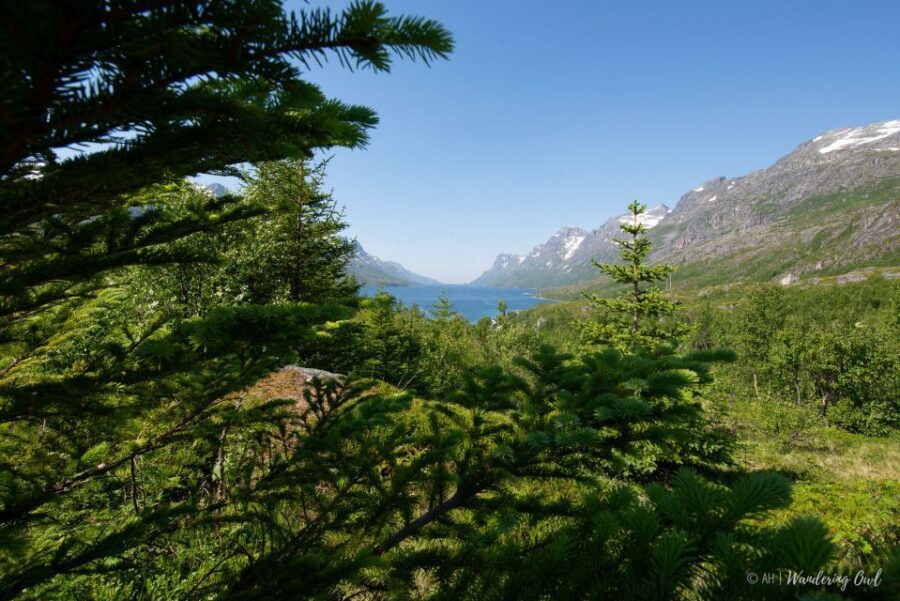
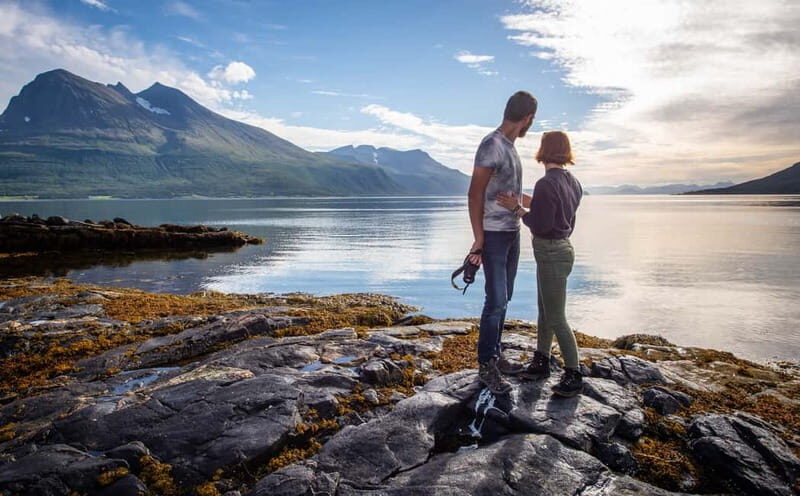
Kvaløya is the star of the show, and it’s a great choice for a short trip. One stop is set up around a viewpoint, where you can take in fjords, mountains, beaches, lakes, forests, and small villages across the region. That’s a lot of visual variety for four hours, and it’s exactly what you want when you’re short on time but still want a sense of place.
Here’s what you’ll likely love about the viewpoint approach:
- You can compare angles and pick the best perspective for your camera.
- You get time to absorb how the water and cliffs shape the coastline.
- It’s not just a single “look here” moment; it supports multiple photo tries.
A small practical note for picture people: light can change fast on the coast. Bring your patience for quick adjustments—camera battery, settings, and lens changes. The tour specifically suggests charging your camera battery beforehand, and that’s solid advice. You’ll probably be taking more photos than you think once you start spotting wildlife and getting repeated stop opportunities.
Wildlife spotting in Arctic summer: what you can realistically expect
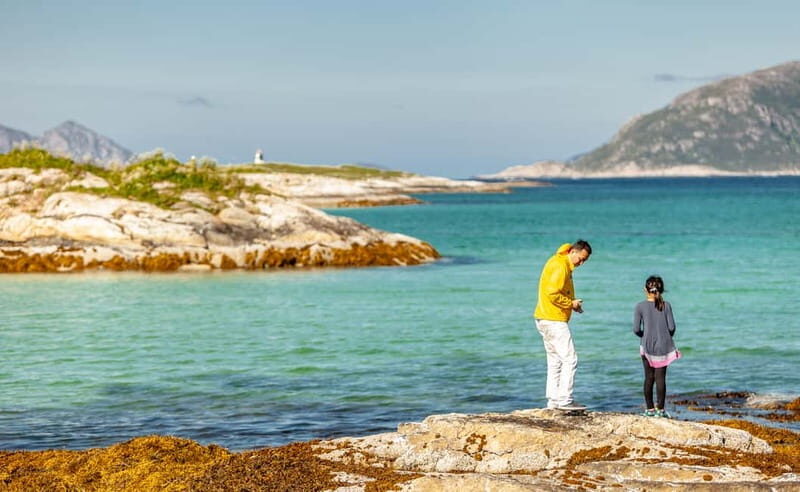
The guide’s job here isn’t to recite facts. It’s to help you notice what’s around you. During the drive and stops, you’ll learn about the area’s native flora and fauna, and the route is planned so you can keep an eye out for the wildlife that lives along this coastal habitat.
The wildlife possibilities explicitly include:
- reindeer
- seabirds
- otters
- sea eagles
Reality check (the helpful kind): wildlife spotting depends on weather, distance, and timing. But the good news is that the tour is structured to scan for signs—where animals feed, where birds gather, and where water life and shorelines tend to show up. If you’re the type who enjoys looking for movement and reading the environment, you’ll get more out of this than someone who expects a guaranteed wildlife parade.
If you want to maximize your chances:
- Dress for wind and sudden rain so you don’t rush back into the vehicle.
- Use pauses to scan both land and water, not just one direction.
- Bring sunglasses even though the day might start cloudy. That suggestion is simple, but it helps when the light cuts through.
The citizen science part: collecting data that matters (and how it works)
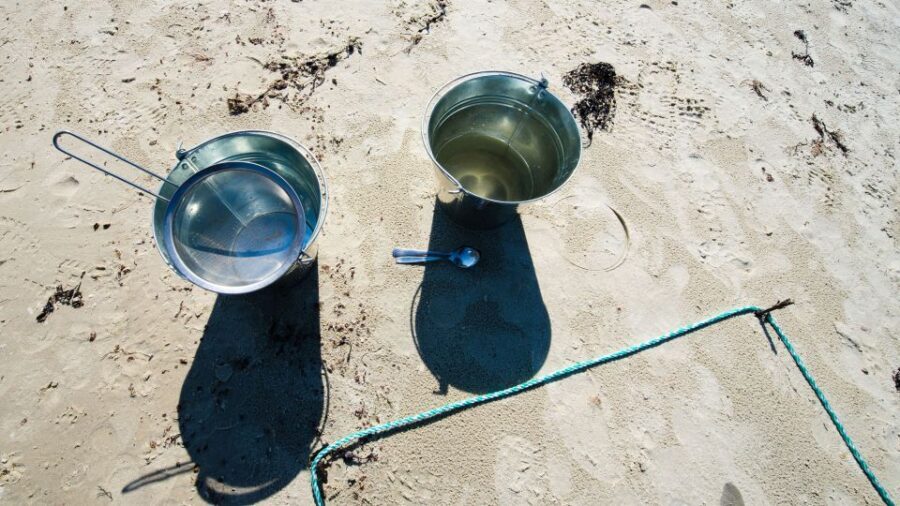
This is where the tour stops being just scenic. You’ll make a stop by the water, and the guide will walk you through an ongoing citizen science project. The key is that it’s not random “pick up samples and go” activity. You’ll learn the scientific method they’re using, then put that method into practice during the tour.
You’ll collect data samples together, and the results are shared with research partners. The tour explains that the data is used to inform policymakers and research institutions, which is a big deal if you like knowing your time has a real-world impact beyond souvenirs.
What I think makes this valuable for most people is the pacing. A short tour can easily turn science into a lecture. Here, you get both: the explanation first, then the hands-on part. That combo helps you remember the why, not only the how.
Also, the tour includes all the equipment needed for the scientific data collection, so you don’t need to show up researching gear. That’s part of what you’re paying for when the price includes the activity materials, not just transport.
A homemade Arctic picnic: food that fits the outing
After the first big scenery chunk, you’ll enjoy a picnic with a homemade meal. The atmosphere is intentionally relaxed—peaceful surroundings, Arctic sounds, and views that don’t feel staged. It’s also built with dietary flexibility: vegetarian and vegan options are available.
Beyond the meal itself, the tour includes:
- hot drinks
- biscuits
That’s practical in Tromsø. Even in summer, you can feel chilly fast with coastal wind. Hot drinks and a snack buffer also make it easier to stay outside longer for photos or wildlife scanning, instead of rushing back because you’re uncomfortable.
One note from what’s been said about the experience: people have found the lunch enjoyable and even a bit of a surprise in its setup. That suggests the picnic isn’t just a token bite—it’s meant to be part of the day’s rhythm, not a rushed stop.

Group size and guide style: why “small” actually matters
This outing runs with a small group capped at 15. That number might sound like marketing language, but on the ground it affects things you’ll feel right away:
- quieter time when the guide is explaining the environment or the citizen science method
- easier spotting from the vehicle during stop-and-scan moments
- less chaos at viewpoints where people want to take photos
The tour is English with a live guide, and guide personality plays a role. One guide name that’s come up is Evgeni (sometimes also spelled Eugene). When Evgeni is at the wheel, the experience includes multiple stops and time to actually enjoy the scenery, not just glance and move on. That matters because in coastal Norway, a stop can be “a photo” or it can be “a moment.” This one leans toward moments.
There is one practical consideration you should keep in mind: a mini van pickup delay has happened, and if you end up seated toward the back, you may want to position yourself so you can clearly hear the guide. If you’re sensitive to audio, I’d aim for a seat where the guide’s voice carries.
Route highlights beyond the big stop: fjords and water moments
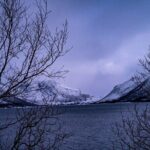
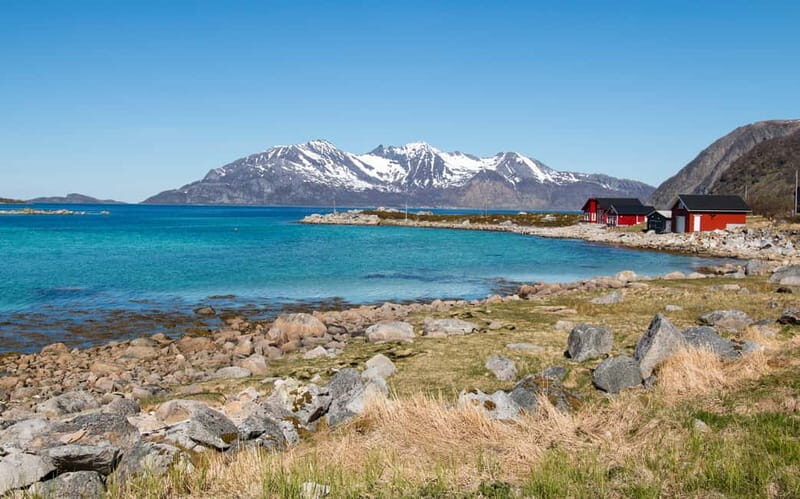
While Kvaløya viewpoint is the major anchor, you’ll also get additional scenery breaks that keep the day from feeling repetitive. People have enjoyed seeing places like Grotfjorden, including fjords, cascades, and a beach feel along the way.
That kind of variety is what makes a short road trip worth it. The coastline changes character fast. One stretch can feel steep and rugged. Another can feel open and beachy. Those shifts are part of what you came for when you picked Tromsø: the way the sea and land keep reinventing the view.
Also, there are water-focused moments tied to the citizen science activity. Those stops aren’t just for the scientific work. They reinforce the point that this isn’t abstract nature. It’s habitat—used by birds, mammals, and everything in between.
Price and value: what $152 includes in real terms
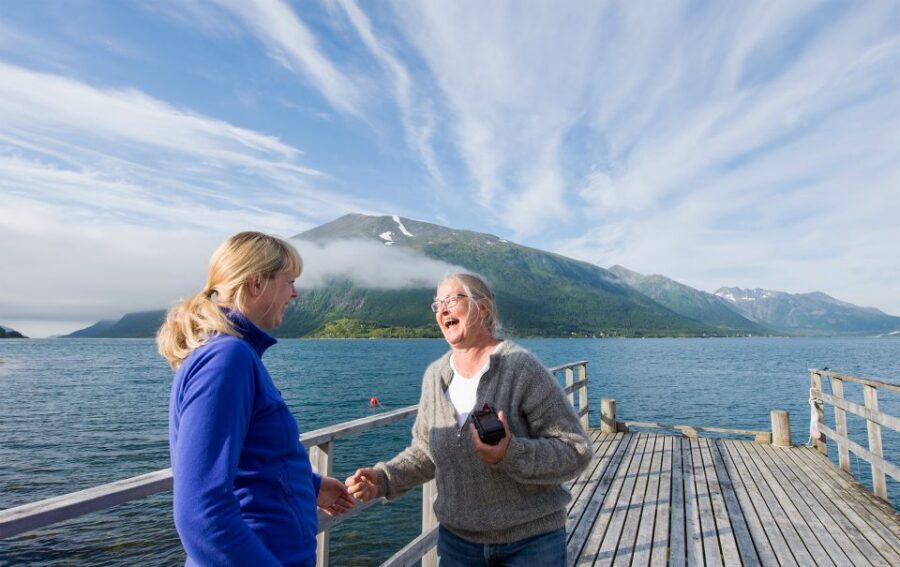
At $152 per person for a 4-hour experience, you’re paying for more than a drive. The included package covers:
- all equipment for the citizen science data collection
- citizen science participation itself
- a homemade picnic (vegetarian and vegan options available)
- hot drinks and biscuits
- souvenir photos via email after the tour
- all taxes, fees, and handling charges
If you break it down, the science gear and participation alone can be a meaningful part of the cost, because you’re not expected to supply anything. Then you add food, drinks, guide-led learning, and the photo handoff. For many people, that’s where the value shows: you don’t have to plan a picnic plus research activity plus a wildlife drive. It’s rolled into one time block.
The one thing not included is hotel pickup. Pickup is from Scandic Ishavshotel, so you’ll need to get yourself there unless you’re already based nearby.
What to bring (and what to expect on a windy coast)
The tour suggests bringing:
- comfortable shoes
- comfortable clothes
That’s the core. But with coastal Norway, you should plan for the weather to swing. The trip notes that conditions can change fast on the coast. Wind and rainproof layers are recommended, though not required. I’d treat that as the honest guidance it is: if you’re comfortable in rain and wind, you’ll enjoy more time outside and won’t feel rushed.
Other helpful tips based on the tour guidance:
- sunglasses can help if the light breaks through
- charge your camera battery
- toilet options are limited; there’s a gas station stop during the drive if needed, otherwise the forest serves as the toilet
That last part is worth reading twice, especially if you’re used to easy amenities. You’ll want to plan your water intake and timing so you’re not surprised by how simple things get once you’re out in the wooded areas.
Who this Tromsø citizen-science fjord trip suits best
This outing is ideal if you want three things at once:
- Fjord scenery around Tromsø without committing to a full day
- Wildlife spotting that’s guided and realistic
- An environmental activity where you contribute real data, not just listen
It also fits well if you like structure. The tour has a clear flow: viewpoint first, then appetite and picnic, then citizen science work near the water. That structure helps you enjoy the day even if your weather isn’t perfect.
If you’re traveling with someone who loves photos and someone who loves science (or you’re both), this is a surprisingly good compromise. You get the “wow, look at that” factor and the “wait, what are we measuring” factor in the same half-day.
Should you book this Tromsø summer fjord road trip with citizen science?
I’d book it if your goal is meaningful scenery in a time-efficient format. Four hours is enough to feel like you escaped Tromsø without getting tired. The citizen science element gives the day purpose, and the included picnic keeps it from feeling like you’re rushing from stop to stop.
I’d think twice if you dislike weather uncertainty. Coastal wind and rain can affect how long you want to stand outside, and wildlife spotting is never guaranteed. Also, because pickup is fixed at Scandic Ishavshotel, you’ll want to be able to get there easily.
Overall, if you want a small-group Tromsø outing that mixes Arctic views with hands-on science, this one delivers a lot for $152, especially because it includes the gear, the food, and the photo follow-up.
FAQ
How long is the Tromsø summer fjord road trip with citizen science?
It lasts 4 hours.
Where does the pickup happen in Tromsø?
Pickup is in front of the Scandic Ishavshotel, Fredrik Langes gate 2, 9008 Tromsø. Your guide picks you up in front of the main entrance.
Is hotel pickup included?
No. Hotel pickup is not included.
What’s included in the tour price?
You get all equipment for scientific data collection, souvenir photos via email after the tour, a homemade picnic (with vegetarian and vegan options), hot drinks and biscuits, citizen science participation, and all taxes, fees, and handling charges.
What wildlife might you see during the drive?
The tour mentions the possibility of spotting reindeers, seabirds, otters, and sea eagles.
Is the tour guide available in English?
Yes, the live tour guide speaks English.
Is there a restroom available during the tour?
Toilet options are limited. The tour makes a gas station stop if needed, and otherwise the forest serves as the toilet.
What should I bring for the trip?
Bring comfortable shoes and comfortable clothes. Wind and rainproof clothes and good shoes are recommended, and sunglasses can be helpful. Also, charge your camera battery.