REVIEW · TROMSO
Tromso: Northern Lights Tour with Photographer
Book on GetYourGuide →Operated by FRAMTours · Bookable on GetYourGuide
The Arctic sky is picky. This Tromsø Northern Lights tour pairs a small group with hands-on photographer help so you spend less time guessing and more time seeing.
I like that the operation is built for real-night conditions: you get head torches, tripods, warm suits (if needed), and a guided science-and-story briefing, not just a stand-and-wait moment. The main drawback is weather: if the clouds don’t cooperate, the experience becomes more about learning, warmth, and the chase than guaranteed fireworks.
- Small-group cap (8 people max) keeps the vibe calm and the camera help actually useful.
- Professional photographer on the move and in the field offers practical setup guidance without turning it into a workshop.
- Flexible remote spotting based on current conditions, sometimes driving toward the Finnish border.
- Fire camp comfort with hot meal and drinks while you wait for the sky show.
- Gear for photos included: tripods, head torches, and warm suits when temperatures drop.
- Photos aren’t included (you can buy portraits and other images later), so don’t plan on free keepsakes.
In This Review
- Tromsø pickup that’s easy to find, and a van that works at night
- Chasing clear skies: why the drive matters more than you think
- A realistic time pattern for your expectations
- Fire camp dinner and Aurora Borealis lessons you’ll actually use
- The photographer component: helpful setup, not a full photo workshop
- What you might see in the sky (and what to do if clouds win)
- Value for $278: what you’re paying for beyond the minivan ride
- Packing and rules: how to stay comfortable and not ruin the night
- Who this fits best (and who should skip it)
- Should you book this Tromsø Aurora chase with a photographer?
- FAQ
- How long is the Northern Lights tour?
- What’s the group size?
- What’s included for photography?
- Are photos included in the price?
- Will the tour run if the weather in Tromsø looks bad?
- What do I need to bring?
Tromsø pickup that’s easy to find, and a van that works at night
This tour starts right in central Tromsø. You meet in front of YONAS PIZZA, with tables and benches there, and the guides come pick you up.
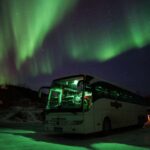
Once you’re in the minivan/minibus, the tone is set: this is a short, efficient ride to get you away from town light pollution and into deeper darkness. The group is limited to 8 participants, so you’re not squeezed between strangers while you try to handle a tripod in the cold.
A lot of Northern Lights tours feel chaotic on the logistics side. Here, the plan stays straightforward: meet, drive, stop, wait for the sky, then return to the starting area at the end of the evening.
Chasing clear skies: why the drive matters more than you think
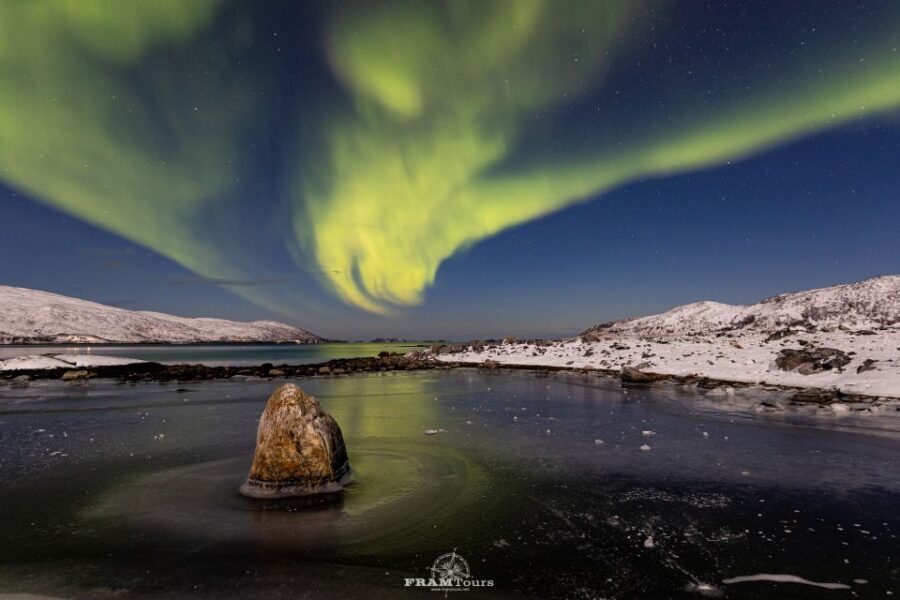
The core idea is simple: the lights are fragile. They show up best when the sky is dark and there’s a gap in the clouds, so the guide’s job is to find better conditions than what you can see from Tromsø itself.
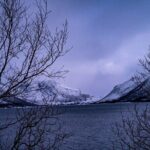
You’ll drive past fjords and mountains until you reach a spot chosen for that night’s viewing. The decision is based on up-to-date forecasts and regional technical resources, and on some nights you may travel far—one recent group credited a guide for driving so they could reach near the Finnish border when local conditions weren’t great.
That’s the big value of this tour: it treats the Aurora like fieldwork. Instead of staying near town lights and hoping for a break, you’re actively moved to where the odds improve.
You can also read our reviews of more photography tours in Tromso
A realistic time pattern for your expectations
You’re out for about 6 hours. The pacing is built around a long viewing window once you stop, with time to watch, then time to return.
In past nights, people reported seeing aurora activity spread out over roughly 3–4 hours total, with bursts that come and go. So if you’re the type who wants action nonstop, adjust your mindset. The best approach is patience with camera-ready downtime.
Fire camp dinner and Aurora Borealis lessons you’ll actually use
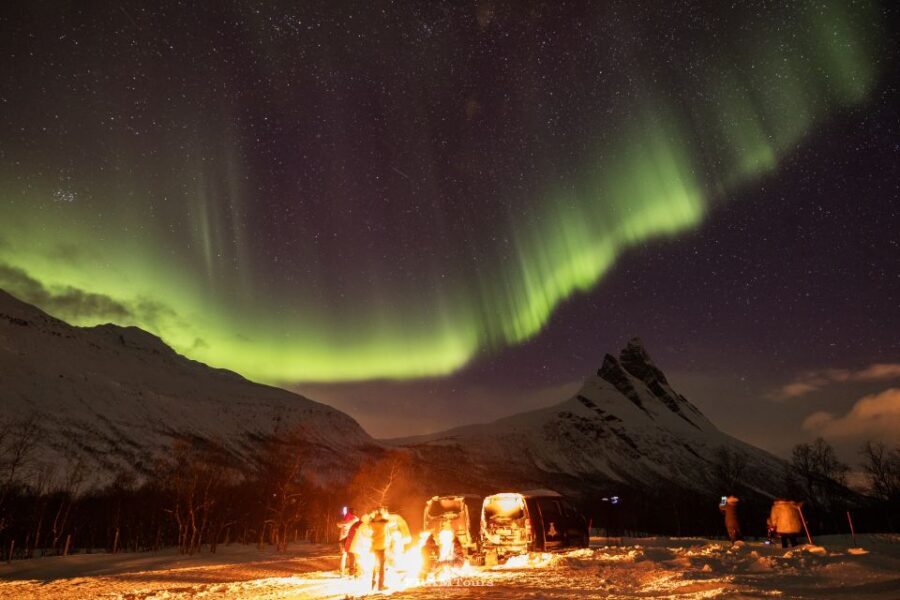
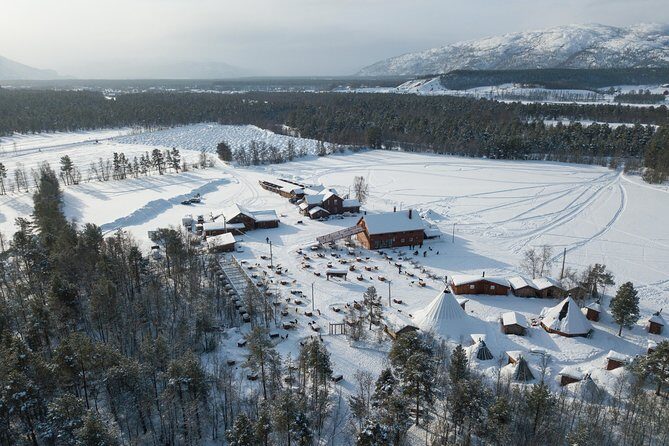
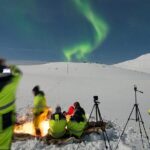
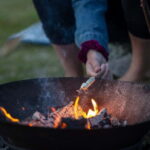
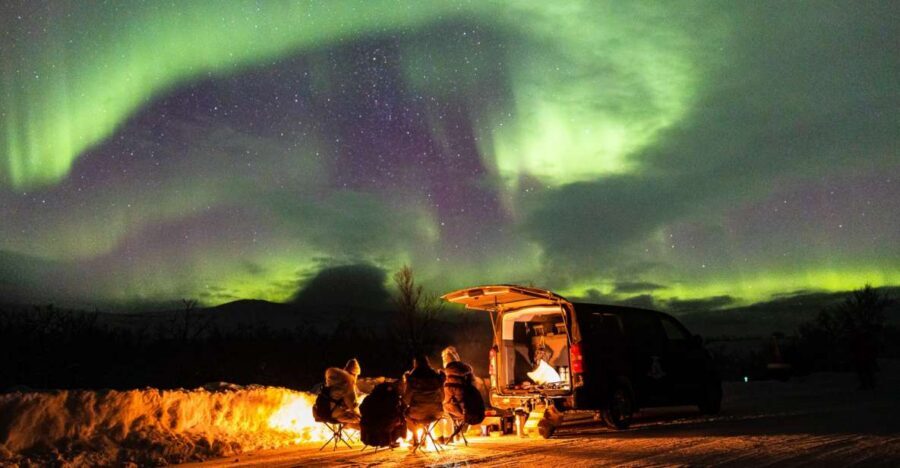
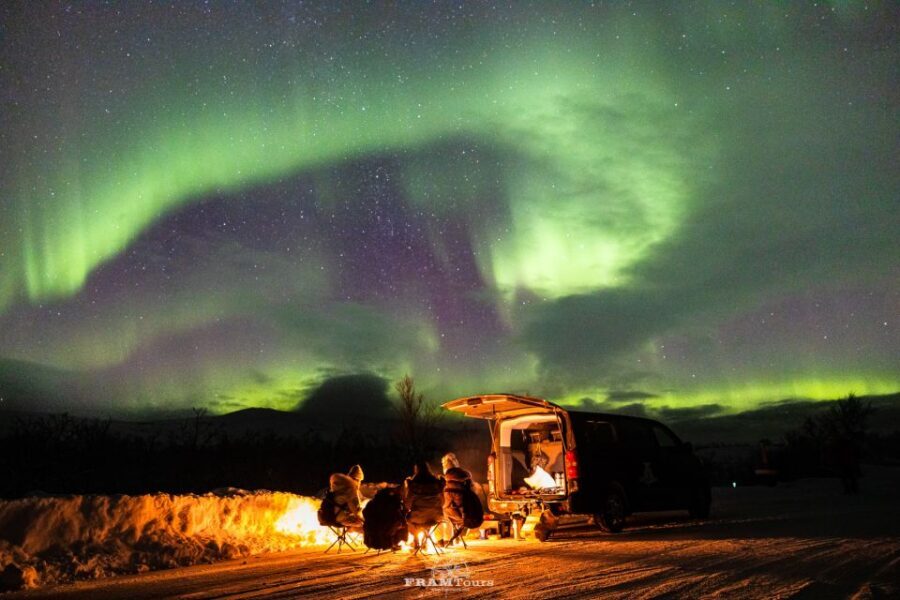
A major plus here is that you don’t just stand outside in silence. If conditions allow it, you’ll build a campfire and settle in warm enough to wait comfortably. You get hot drinks and a warm meal (with vegetarian and vegan options).
This matters for two reasons. First, your body temperature affects how long you can focus on framing and exposure. Second, the guide’s explanation gives you a framework for what you’re seeing, so the lights feel less random.
You’ll get stories and science behind the Aurora Borealis and how it works, plus local Arctic context. One guide named David stood out for being especially enthusiastic and for constantly engaging the group while also pushing hard to find clearer conditions.
A camp setup also turns the night into something social. You share a quiet corner of the Arctic with other people, talk through settings and timing, and keep warm between potential bursts.
The photographer component: helpful setup, not a full photo workshop
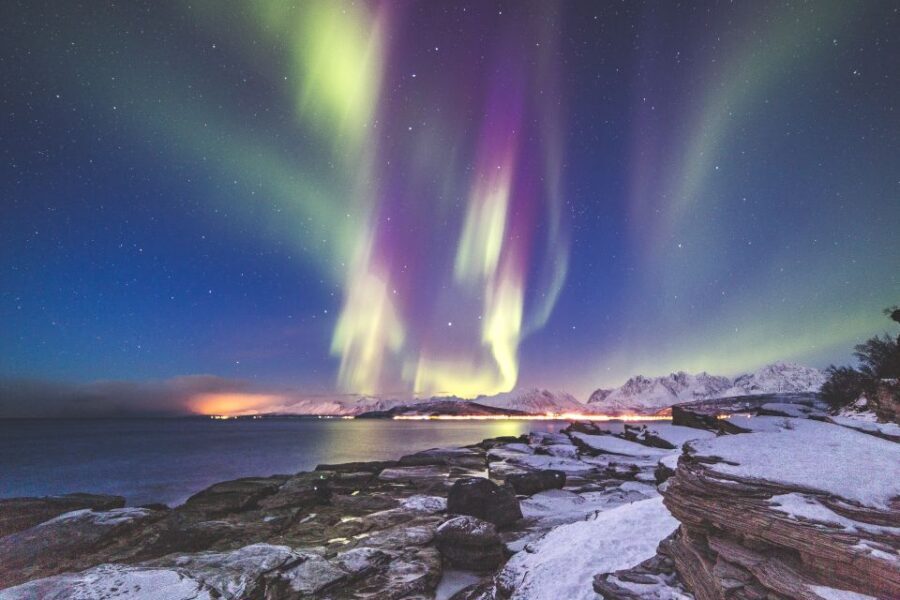
This tour includes a professional photographer, and that’s where the experience gets sharper for anyone who wants better images.
Key point: this is not a full photo workshop. You’ll get basic-to-medium photography guidance, plus real help on the ground for setting up your camera and getting ready. The photographer can also take portraits under the Northern Lights, but those images are something you can purchase later.
What you get for the price is the “I can finally do this” support:
- You’re provided with tripods and head torches.
- You get help with camera setup when you’re already cold and dealing with darkness.
- You’ll receive practical direction rather than a classroom style lesson.
If your goal is heavy technical learning or a more instruction-heavy shooting workflow, this isn’t that. The operator is clear that for a proper photo-focused experience, you’d want their dedicated Aurora Discover Photo Workshop instead.
Still, for most people, this is the sweet spot: enough photography help to level up your chances and your photos, without dragging the night into a long, rigid training session.
What you might see in the sky (and what to do if clouds win)
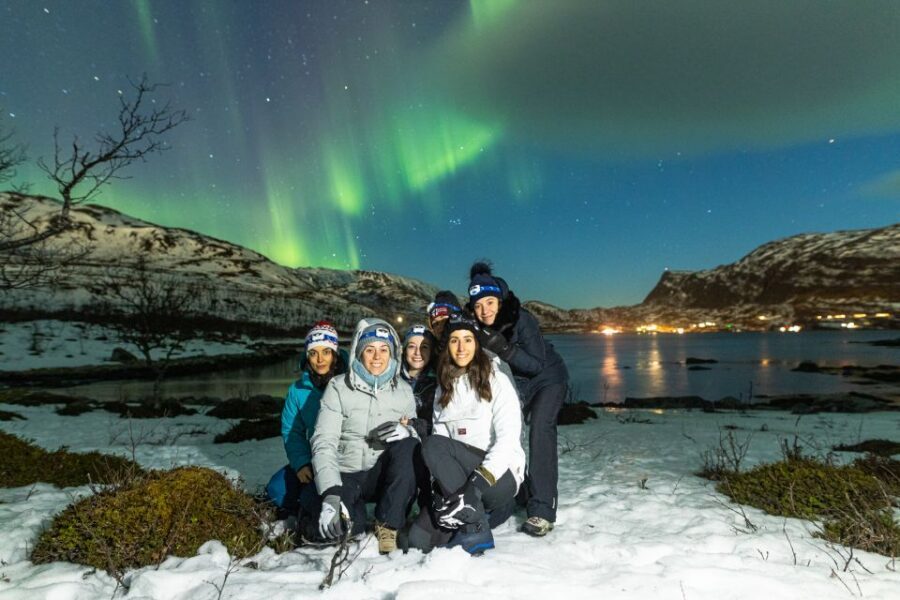
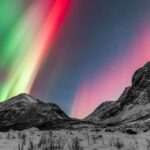
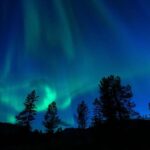
The Aurora Borealis is nature’s light show, but it’s not a rented stage light. You can have snow, cloud cover, or an intermittent sky, and it can still be worth it.
From recent nights, people reported everything from clear aurora bursts to a cloudy outcome where they didn’t catch much activity. One person noted that overcast conditions can limit what your eyes see, and cameras often perform better because they can capture longer exposures and faint color that the naked eye might miss.
So here’s the practical mindset I’d bring:
- Focus on the process, not just the outcome.
- Keep your camera ready, but don’t panic if the sky goes quiet for a while.
- Trust that the guide may reposition based on conditions.
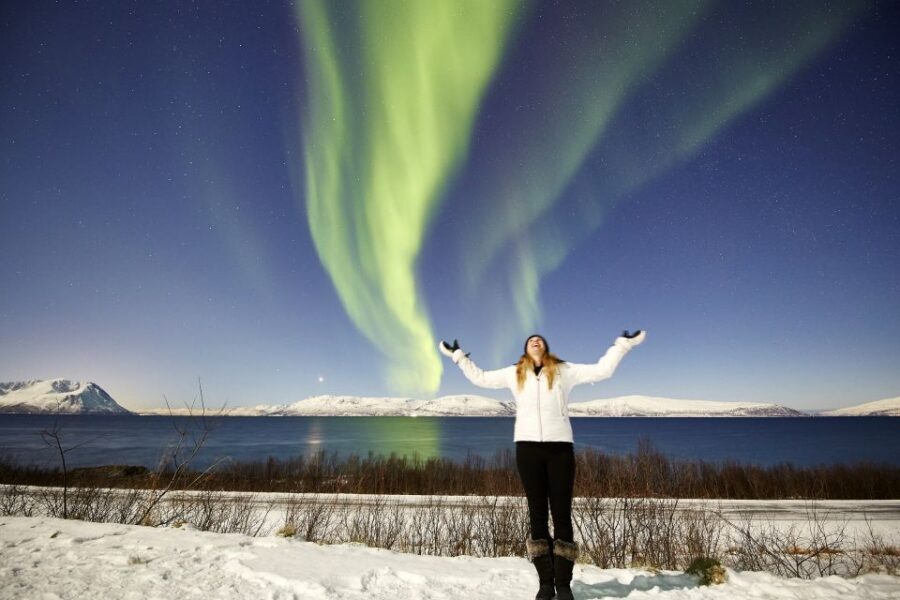
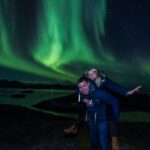
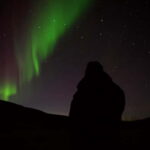
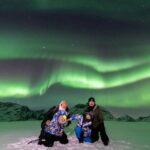
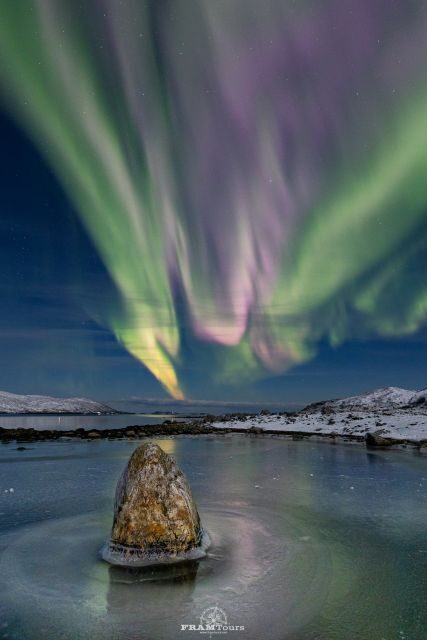
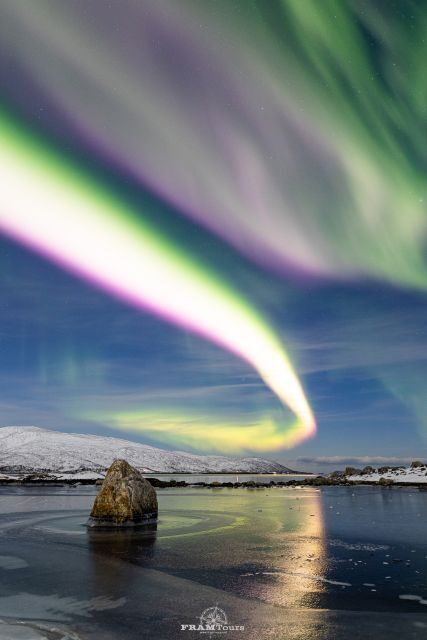
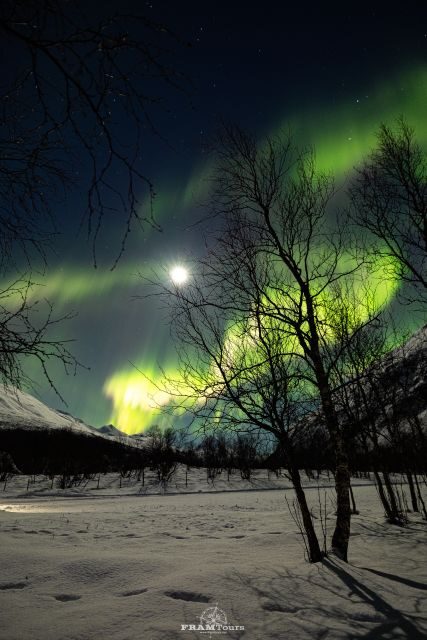
And when the sky does cooperate, it can get magical fast. One group shared they saw a heart-shaped aurora and strong green tones. Another described multiple bursts that made the effort feel completely worth it.
Value for $278: what you’re paying for beyond the minivan ride
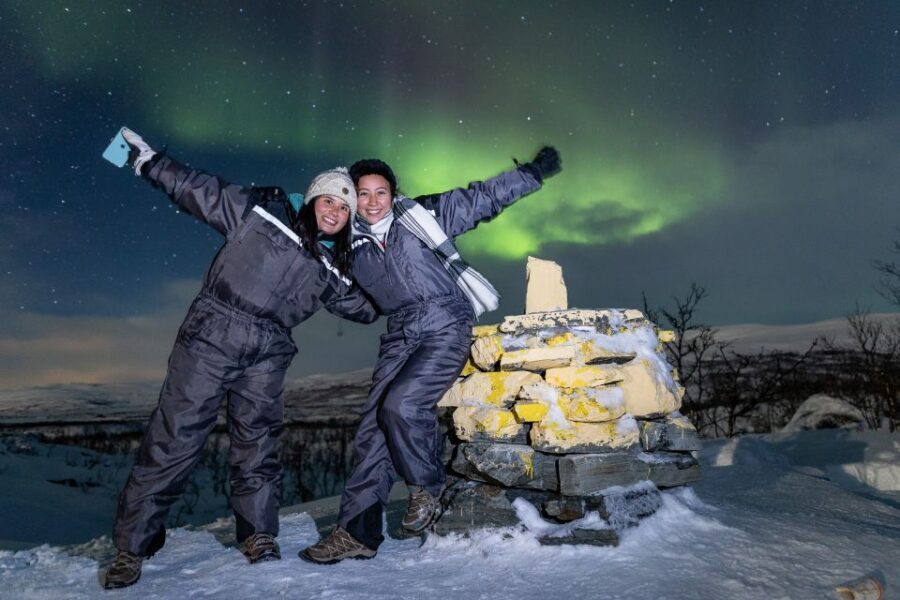
At $278 per person for 6 hours, you’re paying for more than transportation. You’re buying three things that usually cost extra on Northern Lights trips:
1) A remote-chasing strategy
You’re driven away from Tromsø’s light pollution, and the guide can go far when needed. That adds time, effort, and planning.
2) Comfort and time on site
You’re not just outfitted with a parka and pointed outside. The tour provides warm suits when needed, head torches, and a planned break with fire camp warmth, dinner, and hot drinks.
3) Photography support with included gear
Tripods and setup help reduce the “new camera owner” frustration. You’re also getting a photographer present on the way and on location, which helps you get organized before the best moment.
The one thing to keep straight: photos are not included. If you want portraits or purchased images, budget for that after the tour.
Overall, I see the value as practical. You’re paying for a smoother night, less cold-stress, and better odds of both seeing and capturing the Aurora.
Packing and rules: how to stay comfortable and not ruin the night
This tour is run for cold-weather success, but you still need to show up prepared.
Bring:
- Passport or ID card
- Warm clothing
- A camera
- Weather-appropriate layers
- Motion sickness prevention (because you’ll be in a vehicle on dark roads)
They also provide warm suits if needed due to low temperatures, plus the head torches and tripods.
Rules to note:
- No pets are allowed (assistance dogs are allowed).
- No alcohol or drugs, and alcoholic drinks in the vehicle aren’t allowed.
Also plan for a real Arctic start. You’ll want gloves you can handle camera controls with, and shoes that don’t slip when you’re stepping around in snow or icy ground.
One small operational detail that can matter when you’re dressed for winter: the group can wait up to 5 minutes after departure.
Who this fits best (and who should skip it)
This is a solid tour if you want a guided Northern Lights chase without feeling like you’re on your own in the dark.
Best match:
- Adults and families who like small-group comfort
- People who want basic photo help and actual gear support
- Anyone who appreciates a guide who explains what’s happening, not just where to look
Not suitable (based on the tour’s stated limits):
- Children under 6
- People with mobility impairments or wheelchair users
- People over 200 cm (6 ft 6 in)
- People visually impaired
- People over 125 kg (275 lbs)
If you’re unsure because of height, weight, or mobility, it’s worth checking the exact limits before booking.
Should you book this Tromsø Aurora chase with a photographer?
Book it if you want:
- A small group with serious attention to comfort
- A guide who actively searches for better conditions, not just one viewing spot
- A photographer who can help you set up and improve your results without turning the night into a workshop
Skip it if:
- You need a guaranteed light show. Nobody can promise that with Arctic weather.
- You’re the type who wants photo instruction only, all night. This is support, not a full photo class.
My call: for most visitors, this tour is a strong balance—Aurora chasing, warm camp comfort, and practical photo assistance in a compact 6-hour window. If you prepare with warm layers and a patient mindset, you’ll get a night that feels like real Arctic time, not just a quick photo stop.
FAQ
How long is the Northern Lights tour?
The duration is 6 hours.
What’s the group size?
It’s a small group, limited to 8 participants.
What’s included for photography?
You get a professional photographer, plus photography tips, and included gear like head torches and tripods. The photographer provides basic-to-medium guidance to help you set up your camera.
Are photos included in the price?
No. Photos are not included. Portraits taken under the Northern Lights can be purchased after the tour.
Will the tour run if the weather in Tromsø looks bad?
Yes. The tour goes out even if the weather forecast in town is bad, and it cancels only for bad road warnings.
What do I need to bring?
Bring your passport or ID, warm clothing, a camera, and weather-appropriate gear. It’s also recommended to bring motion sickness prevention.