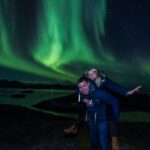
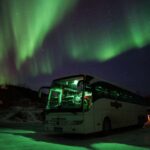
Northern Lights night comes down to timing and location. This Tromsø tour uses a van-and-guide plan to get you far from city glow to Kvaløya, and it keeps moving when weather changes so you’re not stuck in one spot.
Two things I really like about the setup are the included thermic suites (so you can wait comfortably outside) and the photographer service, which helps you get more usable photos than a trial-and-error phone approach.
One consideration: the whole hunt is weather-dependent, and the van ride is in a tight 8-person layout. If you’re picky about comfort in the back seats, plan for that.
In This Review
- Key points to know
- Chasing the Northern Lights from Kvaløya instead of staying put
- The 6:30 pm plan and why the timing matters
- Small-group minivan comfort: convenient, but pack for reality
- Kvaløya first stop: finding clear sky the hard way
- Campfire warmth and dinner: more than a break
- Thermic suits: the comfort upgrade that makes patience possible
- Photographer service: making the aurora feel less like a guessing game
- Weather dependence: how to manage expectations without giving up
- Price and value: what you’re really paying for
- Who this tour suits best (and who should rethink it)
- Should you book this Northern Lights tour?
- FAQ
- How long is the Northern Lights tour?
- What time does the tour start in Tromsø?
- Where do I meet the tour?
- What’s included in the price?
- What should I bring since boots aren’t included?
- How big is the group?
- What happens if weather is poor or I need to cancel?
Key points to know
- Kvaløya first, with flexibility: you’ll head away from Tromsø lights and may drive further depending on conditions
- Small group, up to 8: easier to hear instructions and adjust quickly
- Thermic suits + campfire dinner: you’re not just freezing while waiting
- Photographer support: better odds of getting sharp, well-exposed aurora shots
- No boots included: bring your own winter footwear planning for snow and slush
- Start 6:30 pm, ~7 hours: you’re committing to a full evening window
Chasing the Northern Lights from Kvaløya instead of staying put
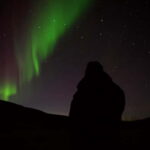
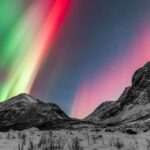
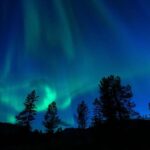
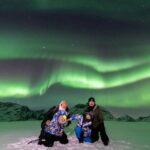
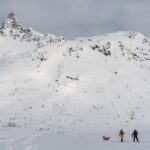
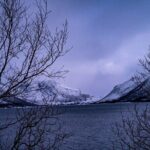
The big idea behind this tour is simple: aurora spotting improves when you get out of town light and into the right sky conditions. Starting from Tromsø and heading toward Kvaløya gives you that shift away from glow that can wash out faint colors. It also gives the night a real structure—this isn’t a short walk-and-hope outing.
A strong detail here is how responsive the route can be. Depending on the weather, the guide may drive deep into the fjords or even head across the border to Finland to chase clearer skies. That doesn’t guarantee success, but it does increase your odds compared to staying fixed under a cloudy patch.
One more thing I appreciate is that the tour is built around patience. One of the clearest lessons from the experience is that aurora watching is not instant gratification. Clear skies might take a while. Your job is to stay warm, stay ready, and let the guide do the searching.
You can also read our reviews of more photography tours in Tromso
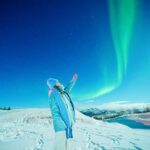
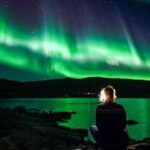
The 6:30 pm plan and why the timing matters
This tour starts at 6:30 pm and runs for about 7 hours. That matters because aurora activity often shows up in waves through the evening. You’re not just catching a quick window and hoping it hits on cue. You’re giving the sky time to cooperate.
Also, leaving later in the day helps you transition from daylight conditions to the true “dark sky” phase. When the sky gets fully dark, the aurora—especially if it’s faint at first—becomes easier to notice. If you’re the kind of person who gets impatient when nothing happens within minutes, build your mindset around a longer watch. The best moments can come after you’ve already settled in.
Small-group minivan comfort: convenient, but pack for reality
The tour runs in a minivan capped at 8 travelers. In practical terms, that’s a sweet spot. It’s small enough for quick movement and clear communication. It also helps on the photo side, because the guide and photographer can manage positioning without a crowd.
Now the tradeoff: the van seating can be tight. If you end up in the back seats, you may find it moderately uncomfortable. This is one of those “don’t let it surprise you” items. If you have back or neck sensitivity, you’ll want to plan for it on the ride out and back.
What you can control: bring layers that keep you comfortable even if you’re not perfectly cozy in transit. The included thermic suites help with the outdoor waiting part, but the ride time still counts. Once you’ve warmed up, the rest of the evening becomes more enjoyable.
Kvaløya first stop: finding clear sky the hard way
Your first named stop is Kvaløya, the launch point for the hunt away from Tromsø lights. This is where the guide starts making real decisions based on conditions: cloud cover, visibility, and where the sky looks cleanest.
The most important practical skill on nights like this is knowing where to go next. In one standout account, the guide—Vera—kept driving through snow storms and multiple locations until the sky opened up. That kind of persistence isn’t about luck. It’s about experience reading weather patterns and moving before frustration sets in.
So what should you do as the passenger? Stay mentally flexible. If you keep stopping and starting, don’t assume the tour is failing. In aurora tours, moving often is the strategy. You’re chasing clear more than you’re chasing static.
Campfire warmth and dinner: more than a break
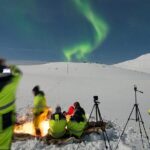
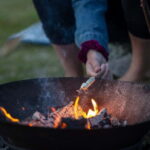
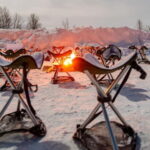
A tour that’s only “stand in the cold and stare” can turn into a miserable evening. Here, you get dinner and an included campfire moment. That’s valuable because it resets you. It reduces that tired, shivery feeling that kills attention.
There’s also a psychological benefit: when you’re warm and fed, you actually pay attention to subtle aurora changes. Sometimes the first hint is faint—then it grows. If you’ve already survived the cold comfortably, you’ll notice those early moments instead of missing them.
One more practical angle: the campfire time is where you’re likely to get reminders about what to watch for and how to prepare for the next stop. It helps the night feel organized, not random.
Thermic suits: the comfort upgrade that makes patience possible
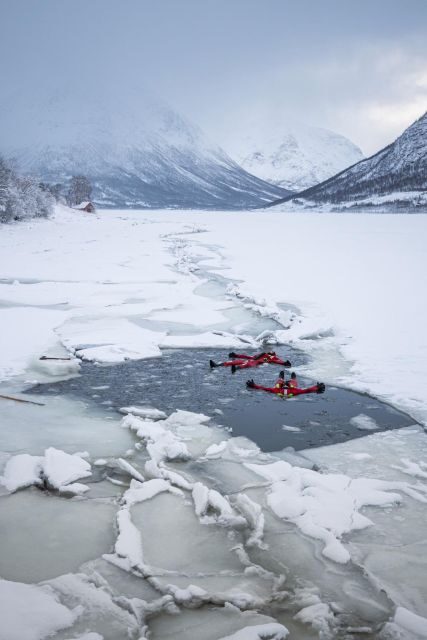
The tour includes thermic suits, and that’s a big deal. Northern Norway in winter is not “cute cold.” It’s cold that drains energy quickly. When you’re properly insulated, you can stay outside long enough for the aurora to show itself.
Thermic suits also change your behavior at stops. You can hang back and wait calmly instead of constantly adjusting clothing, flexing fingers, or trying to stay warm by moving around. That’s a quiet advantage for both watching and photography.
One caution that keeps showing up in advice: boots are not included. If you don’t already have proper winter footwear, plan to wear your best snow-ready boots. You’ll be happier standing still longer and you’ll handle slush and uneven ground with more confidence.
Photographer service: making the aurora feel less like a guessing game
Aurora photography is its own skill set: long exposures, the right framing, and timing. This tour includes service of a photographer, which helps you avoid the common mistakes that lead to blurry or overexposed shots.
While the exact approach isn’t spelled out in the details, the effect is clear from how the tour is positioned: you’re not just handed a hope-and-a-phone. You have someone focused on getting images of what’s actually happening in the sky.
And that matters for two reasons:
- If the aurora shows fast changes—colors shifting across the sky—you’ll be better set up to capture them
- If the aurora is faint at first, you’ll have a better chance to detect it and photograph it instead of only noticing after it gets bright
Even if you don’t care about photography, this support often improves your viewing because you’ll be coached on where to look and when to adjust your position.
Weather dependence: how to manage expectations without giving up
This experience requires good weather. In real life that means: if conditions are poor, the tour can be canceled, and you’ll be offered a different date or a full refund.
On the nights when weather does cooperate imperfectly, you may experience moving between locations. One of the strongest lessons from the experience is that clear skies can be elusive and it can take time to find the right break. The best approach is to expect a process, not a single moment.
Here’s my practical advice for your mindset:
- Layer up and treat waiting as part of the plan
- Keep an eye on the sky throughout—not just when you’re told it’s time
- Remember that aurora strength can change quickly, so staying attentive pays off
The “slow start” situation is real. There’s no magic switch. The payoff comes from sticking with it until the guide finds clearer skies.
Price and value: what you’re really paying for
At $253.79 per person, this isn’t a budget activity. But it also isn’t just paying for a ride and a hope. Your money goes into:
- Transportation in a small 8-person minivan
- A hunt plan that can involve multiple locations away from city lights
- Included dinner and a campfire experience
- Included thermic suits
- Photographer service
When you add up what you would otherwise spend on winter gear, a guided attempt, and food during an evening out, the price starts to make more sense. The real value is in the effort and logistics: getting away from Tromsø glow, then continuing the search when conditions change.
Could you do aurora chasing on your own? Sure. But you’d be paying in time, stress, and guesswork. This tour buys you structure plus the ability to move quickly when the sky doesn’t cooperate.
Who this tour suits best (and who should rethink it)
This Northern Lights minivan tour is a strong fit if:
- You want a guided plan rather than self-drive guesswork
- You care about taking better aurora photos thanks to a photographer
- You appreciate comfort supports like thermic suits and a campfire dinner
- You don’t mind being flexible if the route changes to find clearer sky
It might be less ideal if:
- You strongly dislike tight van seating, especially in back rows
- You don’t already have proper winter boots and don’t want to buy/bring them
- You’re expecting a guaranteed aurora show regardless of weather (no reputable aurora tour can promise that)
Should you book this Northern Lights tour?
If you’re going to Tromsø for the aurora, I think this is the kind of tour that raises your odds without turning your evening into a cold, lonely slog. The biggest reasons to book are the Kvaløya location strategy, the included warmth (thermic suits plus campfire dinner), and the photographer support.
I’d book it if you want the “go find the sky” style of experience and you can handle a van ride that’s functional rather than luxury. Skip it only if you know you’ll be miserable in tight seating or you’re not prepared to bring proper boots.
Bottom line: for most people, this is a well-rounded Northern Lights evening that focuses on the things that actually matter—getting away from city light, staying warm enough to wait, and having help aiming your camera at what the sky does.
FAQ
How long is the Northern Lights tour?
It runs for about 7 hours.
What time does the tour start in Tromsø?
The start time is 6:30 pm.
Where do I meet the tour?
The meeting point is Kaigata 4, 9008 Tromsø, Norway. The tour ends back at the meeting point.
What’s included in the price?
Dinner, thermic suits, a campfire, and service of a photographer are included. Admission ticket is free as part of the experience.
What should I bring since boots aren’t included?
Boots are not included. Plan to wear or bring proper winter boots for snowy or icy conditions.
How big is the group?
The tour has a maximum of 8 travelers.
What happens if weather is poor or I need to cancel?
There is free cancellation. You can cancel up to 24 hours in advance for a full refund. The experience requires good weather; if it’s canceled due to poor weather, you’ll be offered a different date or a full refund.