REVIEW · TROMSO
From Tromsø: Northern Lights Visit at Camp Tamok
Book on GetYourGuide →Operated by Norwegian Travel · Bookable on GetYourGuide
Northern Lights feel close at Camp Tamok. This 7-hour Aurora Borealis outing from Tromsø takes you into a remote valley for darker skies, with thermal suits and practical help that makes the cold feel manageable instead of stressful.
I especially like the cozy rhythm: Sámi lávvu fire-meal afterward, plus real guidance on how to photograph the sky. The only real drawback to plan around is simple: the Northern Lights are never guaranteed, since the aurora depends on the weather and the sky that night.
In This Review
- Key things to know before you go
- Tromsø to Camp Tamok: why the ride matters for aurora viewing
- Meeting point in Tromsø: arrive ready so the evening stays smooth
- Getting geared up: thermal suits, boots, mittens, and photo setup
- The evening plan at Camp Tamok: walks, sky-watching, and timing
- Dinner in a Sámi lávvu: why the warm meal is more than food
- Guides on the ground: what good leadership looks like
- Price and value: is $250 per person fair for this Arctic night?
- Who should book this Northern Lights trip (and who should skip it)
- Should you book Camp Tamok with Norwegian Travel?
- FAQ
- Where do I meet the tour in Tromsø?
- How long is the tour, and how much time is spent at Camp Tamok?
- What winter gear is included, and what should I bring?
- What happens at Camp Tamok before dinner?
- Is the Northern Lights guaranteed?
- What food and drinks are included?
- Is this tour suitable for children?
Key things to know before you go
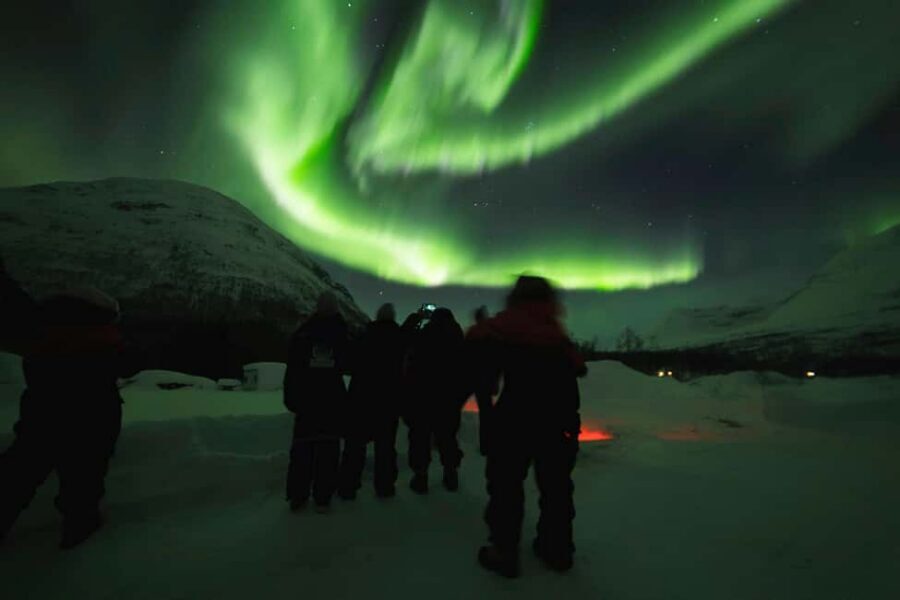
- A remote valley setup: Camp Tamok is chosen for winter skies, and the bus ride gets you away from city light.
- Small group (12 max): You’ll move as a unit, which helps with staying together in the dark.
- Cold-proof gear included: Thermal suit, winter boots, mittens, and hat are part of the package.
- Tripod + headlamp provided: That little combo matters once you’re setting up for long-exposure photos.
- Short viewing walk, then outside time if the lights show: Your guide adjusts based on what the sky does.
- Hot meal in a Sámi tent: Warm stew and coffee/tea keep the evening comfortable even when the aurora is quiet.
Tromsø to Camp Tamok: why the ride matters for aurora viewing
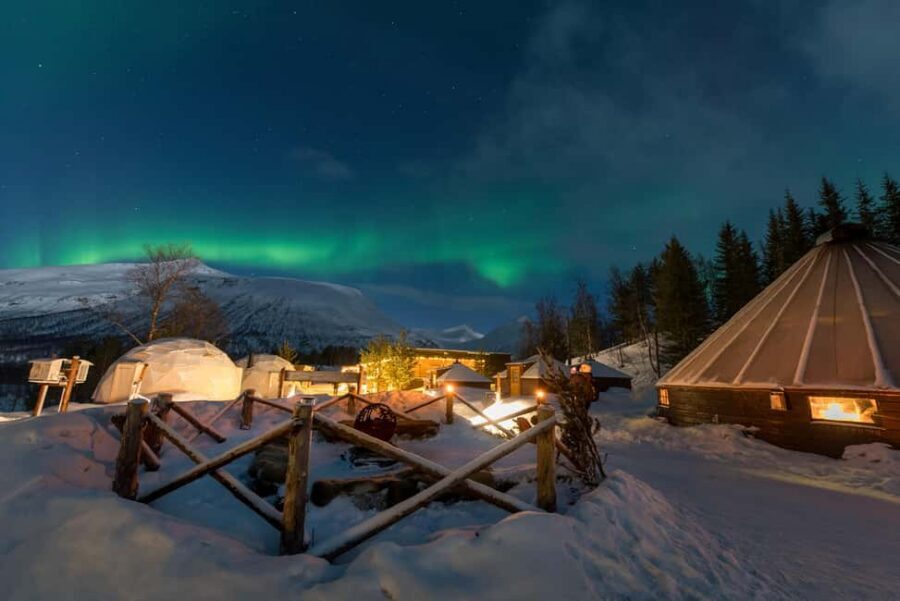
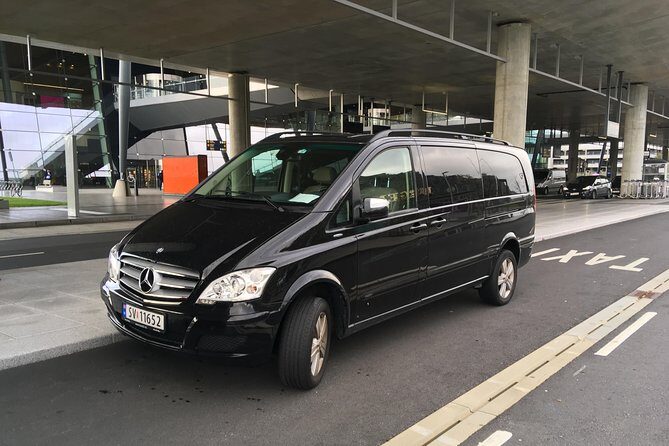
This is one of those Northern Lights plans where the timing is built around darkness and visibility. You start from central Tromsø, then take about 90 minutes by bus out to Camp Tamok. That might sound like travel time, but it’s actually the point: getting farther from city lights can make the aurora easier to see, and it also helps your eyes adjust for night-sky viewing.
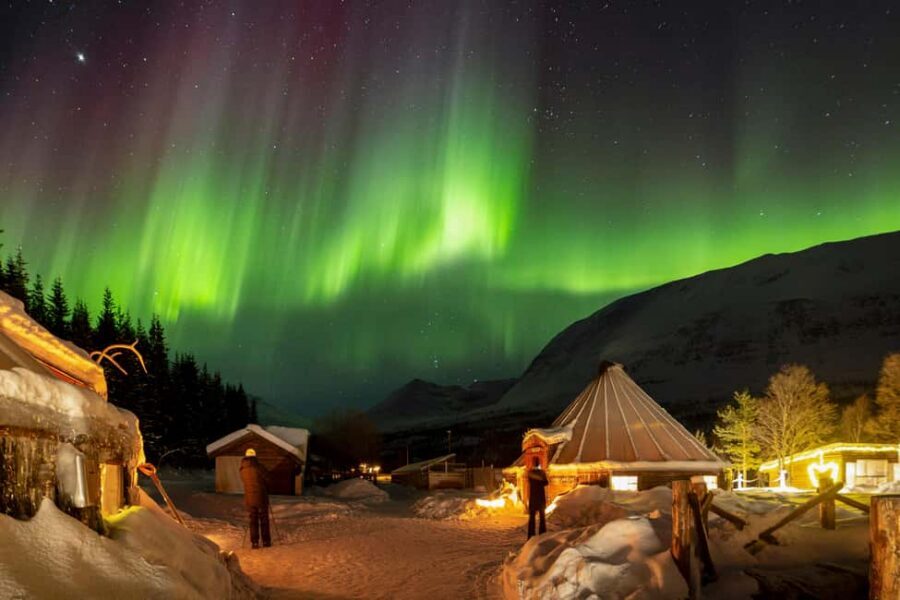
Once you reach Camp Tamok, the experience shifts from city logistics into true winter outdoors time. The camp setting is in a remote valley of Tamok, which is exactly where you want to be if you’re chasing clear skies. If you’ve done aurora trips before, you already know the biggest challenge isn’t just the cold—it’s cloud cover. This tour is designed to put you in a good place to deal with that.
You can also read our reviews of more tours and experiences in Tromso.
Meeting point in Tromsø: arrive ready so the evening stays smooth
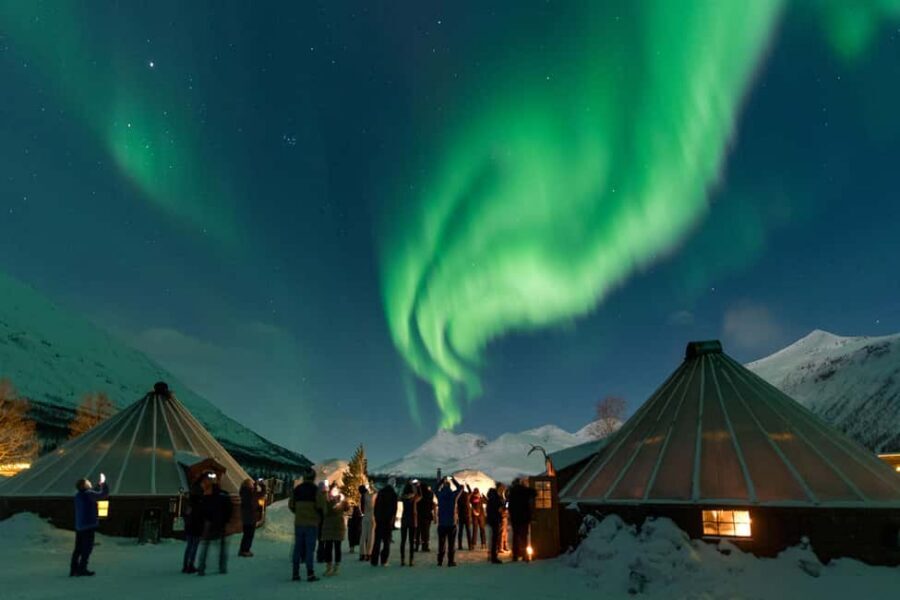
You’ll meet at the main entrance hall of Tromsø Havn Prostneset. This matters because the tour runs like a coordinated evening: you’re going to change into winter layers, get gear, and be ready to move before it gets really late.
The itinerary is straightforward: bus outbound, about 4 hours at Camp Tamok, then a bus ride back to the same pickup area. Since the group is limited to 12 participants, the flow tends to feel organized—but it also means delays with clothing changes or instructions can ripple through the group.
A practical tip: go with the expectation that you’ll be layering fast in the cold. In one case, a participant had trouble switching gear and ended up waiting longer than expected. That’s not the norm you should plan on, but it’s a good reminder to listen carefully when you’re being guided from the changing area and to follow the group timing closely.
Getting geared up: thermal suits, boots, mittens, and photo setup
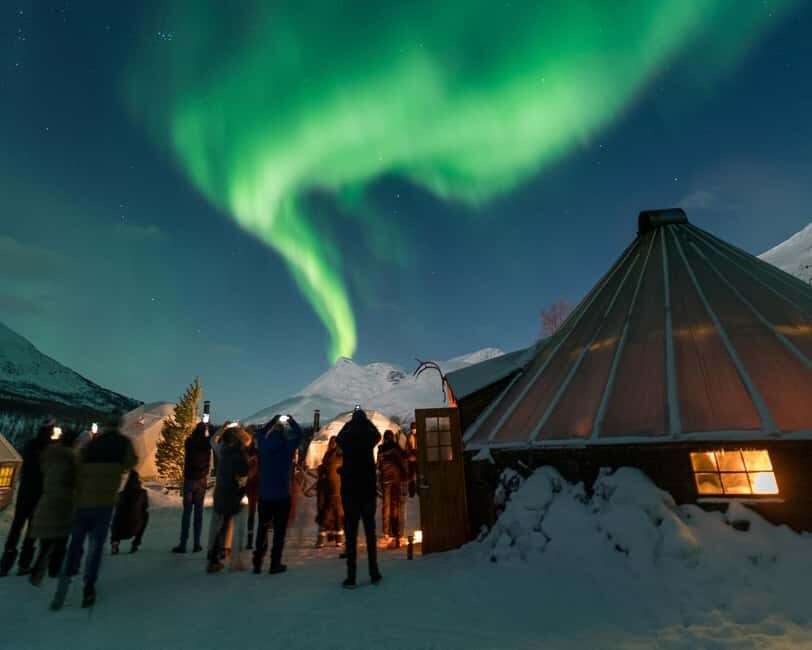
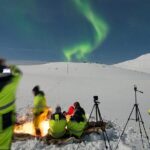
Right when you arrive at camp, your guide welcomes you and handles the most important step: winter layering. You’ll be given a thermal suit, winter boots, mittens, and a hat so you can stand around outside without turning your outing into a battle with numb hands.
Then you’ll get a quick Aurora Borealis presentation and photography tips. I like that this isn’t a vague lecture. The tour also provides tools that solve real problems:
- Tripod for steadier long-exposure shots
- Headlamp so you’re not wandering with bare phone-light chaos
If you care about photos, this is a big part of the value. Aurora photography can be tricky—especially when you’re also trying to stay warm, find your framing, and not trip in snow. A guide who’s helping you set up correctly usually saves you time and makes the results more likely.
And yes, you should still bring your own camera and weather-appropriate clothing—because even with a thermal suit, you’ll want whatever layers you personally prefer underneath.
The evening plan at Camp Tamok: walks, sky-watching, and timing
Once the gear is on and the short presentation is done, the evening usually turns into a mix of two things: gentle movement and waiting. The plan depends on weather, but you can generally expect a short walk to nearby viewing spots around the camp.
This is where the small-group limit helps. With a group of up to 12, your guide can keep eyes on everyone in the snow. That matters because you’re often moving in darkness, on winter ground, and with low visibility. If you’re prone to getting distracted, set your phone aside and focus on where your guide is leading the group.
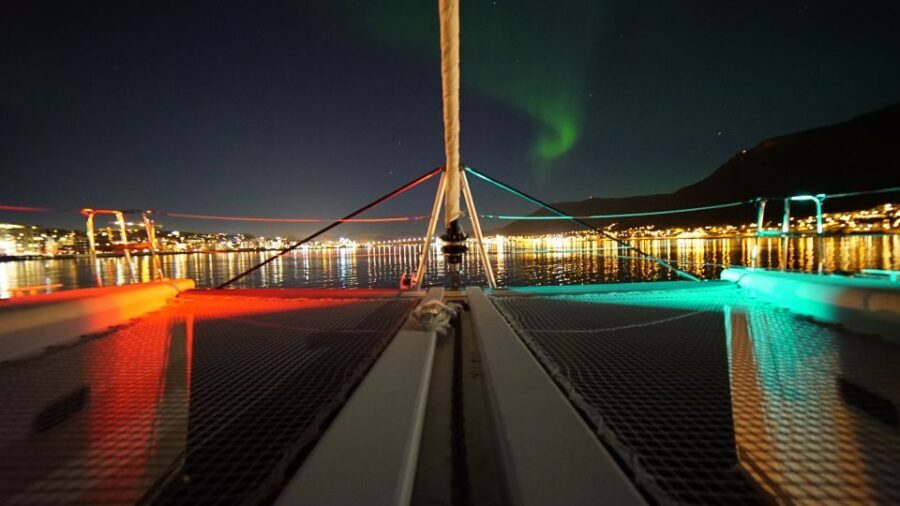
Then comes the key decision point: if the Northern Lights appear, you’ll stay outside to enjoy the full experience. If you don’t see much aurora activity, the evening still has structure—you’re not simply dropped into the wilderness with no guidance. You’re still part of a guided night at camp, with time to enjoy the sky and surroundings.
One helpful way to think about this: aurora trips are partly weather forecasting and partly mindset. Even when the aurora is absent, you’ll still get that Arctic-night feeling—dark horizons, winter air, the quiet after city noise. And if you do get aurora, you’ll be ready to photograph it rather than scrambling for gear.
Dinner in a Sámi lávvu: why the warm meal is more than food
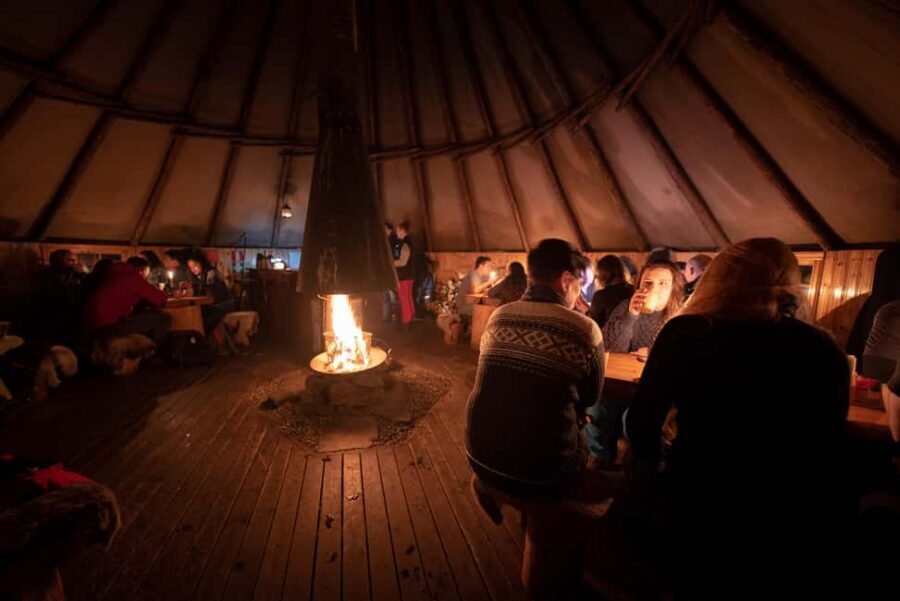
After the outside time, you’ll warm up with a hot meal served around an open fire inside a traditional Sámi lávvu (a tent). The menu is simple and Arctic-friendly: warm stew, plus drinks like coffee/tea.
I like meals like this because they change the whole tone of the evening. You go from cold waiting to warmth and conversation, with the kind of comfort that helps you enjoy the rest of the night sky instead of racing for the next chance to thaw.
Also, it’s a cultural setting, not just a restaurant stop. In one positive account, the group sat around the fire and enjoyed dinner in the tent even when the Northern Lights didn’t show. That tells you something important about the experience design: it’s not built solely around the aurora appearing. You’re also there for the atmosphere of an Arctic winter night.
One note on expectations: the included meal is described as warm stew with drinks. If you’re expecting a big multi-course dinner, you might feel the portion is basic. But for cold weather touring, a hot bowl and warmth around a fire often hits the sweet spot.
Guides on the ground: what good leadership looks like
This tour uses an English-speaking guide, and that human factor matters a lot in winter conditions. People report friendly, helpful local guiding, and some evenings include memorable stories shared during the night.
In one well-rated night, guides named Magnus and Alejandro helped set the mood and made the walk and camp time feel meaningful, especially when the aurora was faint or absent. That’s the difference between watching the sky and actually understanding how to enjoy the whole evening.
Still, there are occasional red flags to consider. A participant reported the group got temporarily separated during gear changing, and another described getting lost briefly in the forest due to local uncertainty. Those sound like rare operational problems, not a constant issue—but they’re worth keeping in mind if you hate waiting or don’t handle cold-group logistics well.
What you can do: keep track of your group, double-check your essential gear (camera, tripod, headlamp), and stay close when the guide calls for movement. When things go smoothly, you’ll barely think about it. When it doesn’t, your readiness helps.
Price and value: is $250 per person fair for this Arctic night?
At $250 per person, this isn’t a budget outing. The value comes from what’s included and what’s being optimized.
You’re paying for:
- a full round-trip transfer from Tromsø by bus
- a small-group experience (up to 12)
- winter gear (thermal suit, boots, mittens, hat)
- photo support equipment (tripod, headlamp)
- a guided night with an aurora presentation and flexible viewing time
- a warm meal in a Sámi lávvu (stew, coffee/tea)
If you tried to DIY this, you’d spend time figuring out transport, winter clothing, safe night navigation, and where to stand for clear skies. You’d also risk ending up stuck in a cloudier spot than you wanted. Here, you’re outsourcing all of that coordination to a team that focuses on aurora viewing and comfort.
The one value-risk is the same for every aurora tour: the sky may not cooperate. If the aurora is absent, the evening still has camp time, fire warmth, and a guided atmosphere—just don’t treat the lights as a sure thing.
My practical take: if you want an organized, gear-provided Arctic night that maximizes your chance of seeing the aurora and gives you a good evening even without it, the price is easier to justify. If you’re strictly hoping for dramatic lights and nothing else will satisfy you, you may feel the cost more sharply.
Who should book this Northern Lights trip (and who should skip it)
This tour is a strong fit if you:
- want a guided, small-group Northern Lights experience with real winter gear
- care about aurora photos and appreciate tripod/headlamp help
- like the idea of warm stew and fire-time in a Sámi lávvu, not only standing in the cold
- prefer a structured evening with bus transfer and set timing
It’s not a great fit if you:
- are traveling with children under 4 years (it’s not suitable for that age group)
- get easily frustrated if your group has to wait, switch gears, or move in the dark
- expect guaranteed aurora strength and timing (nobody can promise that)
Should you book Camp Tamok with Norwegian Travel?
If you’re planning to chase the aurora from Tromsø, I think this is a sensible choice. The tour is designed around actual comfort and actual guidance: winter suits and boots keep you outside longer, and the tripod/headlamp setup plus the guide’s photo tips improve your odds of capturing what you see.
I’d book it if you want a full Arctic evening—dark sky, guided viewing, and a warm return-to-yourself moment by the fire. I’d hesitate only if aurora is your single non-negotiable goal, because this trip can’t guarantee whether and when the lights will appear.
If you go in with flexible expectations and a camera-ready mindset, Camp Tamok is the kind of night that can still feel special—even when the aurora is shy.
FAQ
Where do I meet the tour in Tromsø?
Please meet inside the main entrance hall of Tromsø Havn Prostneset.
How long is the tour, and how much time is spent at Camp Tamok?
The total duration is about 7 hours, with roughly 1.5 hours by bus each way and about 4 hours spent at Camp Tamok.
What winter gear is included, and what should I bring?
The tour provides a thermal suit, winter boots, mittens, a hat, a tripod, and a headlamp. You should also bring a camera and weather-appropriate clothing, and the tour information also suggests bringing a tripod.
What happens at Camp Tamok before dinner?
After arrival, you’ll receive a short Northern Lights presentation and photography tips, then depending on weather you’ll take a short walk to nearby viewing spots around the camp. If the aurora appears, you stay outside to enjoy it.
Is the Northern Lights guaranteed?
No. The aurora is a natural phenomenon, and the tour cannot guarantee if and when it will show or how strong it will be.
What food and drinks are included?
You’ll have a warm meal (warm stew) and drinks such as coffee and tea.
Is this tour suitable for children?
It’s not suitable for children under 4 years old.