REVIEW · TROMSO
From Tromsø: Evening Reindeer Sledding at Camp Tamok
Book on GetYourGuide →Operated by Norwegian Travel · Bookable on GetYourGuide
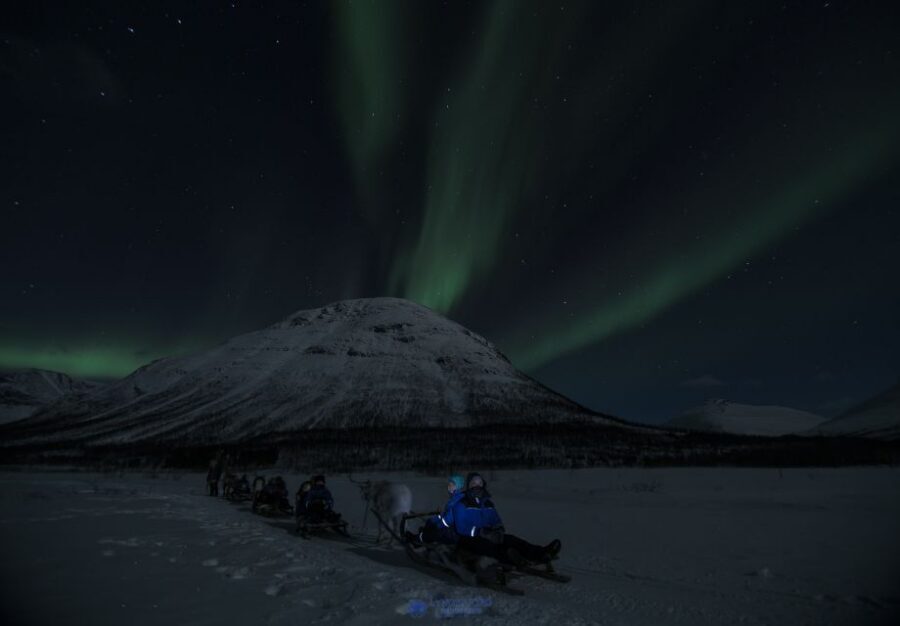
There’s something old and steady about riding reindeer in the dark. This Tromsø evening trip takes you out to Camp Tamok, where you’ll meet a small Sami camp community, feed the reindeer, and take a short sled ride through snowy Arctic night. If the sky cooperates, you might even catch the Northern Lights far from city light pollution.
I love that the tour mixes real culture with hands-on time: you’ll hear Sami storytelling in a traditional setting and then get practical contact with the animals (feeding plus sledding). I also like the small group size (max 8), which keeps the pace calm and lets you ask questions.
The main consideration: this is not a full-on Northern Lights hunt. You’re in darkness, away from light pollution, so it can happen, but you shouldn’t build your whole night around chasing aurora.
In This Review
- Key points to know before you go
- The real reason this tour works: Sami culture plus reindeer time
- Tromsø to Tamokdalen: the bus ride that sets your expectations
- Suit up: what the provided gear gets right (and what you should still bring)
- The short minibus transfer: why it’s not just a quick walk
- Feeding the reindeer: gentle contact you can actually enjoy
- Sami storytelling in a lavvu: what to listen for
- The reindeer sledding ride: short, scenic, and worth planning for
- Northern Lights: how to enjoy the chance without gambling your whole night
- Dinner in the lavvu: why the warm meal matters in real life
- Price and value: what you’re paying for (and what’s included)
- Group size and guide style: what small usually means here
- Who should book this (and who should skip it)
- Should you book the Evening Reindeer Sledding at Camp Tamok?
- FAQ
- How long is the Evening Reindeer Sledding at Camp Tamok?
- Where do I meet for the tour in Tromsø?
- Is the Northern Lights guaranteed on this tour?
- What winter gear is provided?
- Do I get to feed the reindeer?
- How many reindeer are at the camp?
- What food is included?
- What should I bring with me?
- Is this tour suitable for wheelchair users or young children?
- How big is the group?
Key points to know before you go
- Small-group pacing (up to 8) helps you actually talk with your guide during the Sami stories and camp time
- Warm gear provided means you can focus on the experience, not figuring out what to wear
- Sami lavvu dinner by the fire adds atmosphere beyond a quick photo stop
- Reindeer feeding and a short sled ride give you that hands-on, gentle Arctic feeling
- Northern Lights are possible, not guaranteed, since the tour isn’t built around hunting the aurora
- Plan for a long evening: you’re out about 7 hours with transfers included
The real reason this tour works: Sami culture plus reindeer time
I’ve learned that the best winter animal experiences aren’t just about the ride. They’re about context: why the animals matter, how people live with the seasons, and what the landscape means to an indigenous culture.
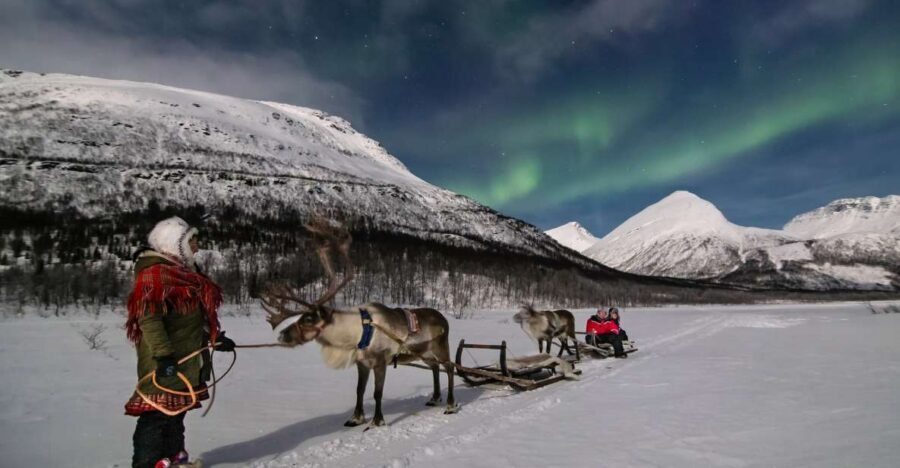
At Camp Tamok, you get exactly that mix. You start with reindeer interaction—feeding comes early, and you’ll also take a sled ride. But the heart of the night is the Sami cultural element: storytelling, traditions, and the human side of reindeer herding.
And you get something practical too. You’re outfitted for cold weather with thermal suit gear plus boots, mittens, and a hat. That matters because it keeps you comfortable enough to pay attention to the people and the animals, not just your hands trying to survive.
You can also read our reviews of more evening experiences in Tromso

Tromsø to Tamokdalen: the bus ride that sets your expectations
You’ll meet inside the main entrance hall of Tromsø Havn Prostneset. Then it’s a bus transfer from the city center that runs about 1.5 hours each way.
Here’s how I’d think about that first ride: it’s not “wasted time.” It’s your buffer. By the time you reach Tamokdalen, you’re mentally switched into night-out mode. You’re also already warm from the thermal layers you’ll soon need for the camp.
One small comfort tip based on real experience: a rider noted that the bus temperature can swing a lot—cold at first and then much warmer later. I’d dress in layers you can adjust fast, and keep a scarf or hat handy even if you think you won’t need it. That way, you won’t get chilled or overheated while you wait for the next segment.
Suit up: what the provided gear gets right (and what you should still bring)
When you arrive at Camp Tamok, your guide gets you equipped with what you need: a thermal suit, winter boots, and mittens and hat. You also bring your own basics—especially a scarf and weather-appropriate clothing beneath the suit.
This matters more than it sounds. In the North, being slightly under-dressed can ruin your focus. With the gear provided, you’re much more likely to stay warm during the outdoor portion and enjoy the calmer parts: listening to stories, watching reindeer up close, and waiting for the right moment for photos.
One thing I’d add for your packing list: keep your hands free for feeding and gripping reins. Mittens are provided, but if you run cold easily, bring an extra thin layer for under the mittens if your tour outfit allows it. The goal is simple—stay warm enough to relax.
The short minibus transfer: why it’s not just a quick walk
Before the reindeer activity, there’s a short transfer by minibus because the herd is not right beside the camp setup.
This detail actually makes the experience feel more real. You’re not being funneled in a flat, pre-designed loop. Instead, you’re moving with the realities of where the animals are kept and how the camp works.
Expect a calm, brief move, then you’ll start the interaction. The herd at the camp is small—about 5–6 reindeer—so your time is intimate. You won’t feel like you’re watching animals from a safe distance behind a fence the whole evening.
Feeding the reindeer: gentle contact you can actually enjoy
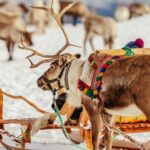
The tour includes reindeer feeding, and it’s one of the reasons people come back smiling.
Feeding does two things well:
1) It gives you a connection before you sit on a sled.
2) It slows everything down. You’re watching how the reindeer move, how they respond, and how your guide explains what you’re seeing.
I like that the camp keeps the herd number small. It creates a quieter atmosphere where you’re not competing with a crowd for the one second the guide points at the animal.


Sami storytelling in a lavvu: what to listen for
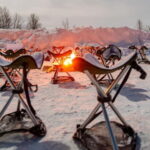
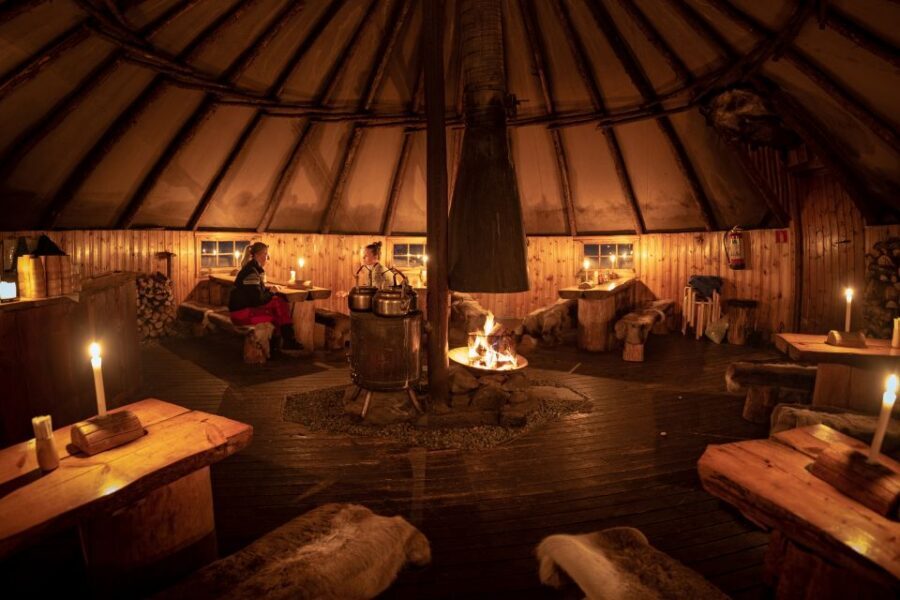
After the reindeer portion, you return to Camp Tamok, where you’ll sit in a lavvu—a traditional Sami tent—for food and warmth around the fire.
The cultural talk is part of the core experience. The best part is the human voice: how Sami culture connects to reindeer, seasons, and daily life. In one case, a guide connected their talk to history and how things have changed over time—exactly the kind of insight that turns this from a winter theme-park evening into something more meaningful.
How I’d approach this part: don’t treat it like background noise. Ask questions. Even if your English is solid but not perfect, this is the kind of setting where the guides adapt. With a small group (up to 8), you’re less likely to feel like one face in a crowd.
Also, a nice staff note: one guest described guide Anna going out of her way to help after a phone was lost, organizing a taxi and waiting until it arrived. You don’t book a tour for emergency phone logistics, but it does hint at what kind of calm professionalism you’ll get once you’re out there in the dark.
The reindeer sledding ride: short, scenic, and worth planning for
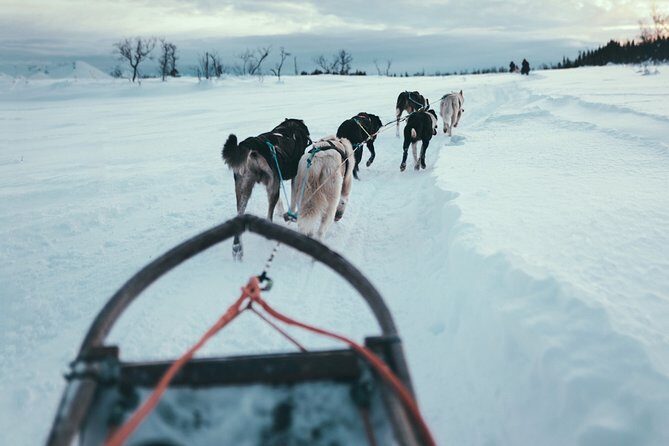
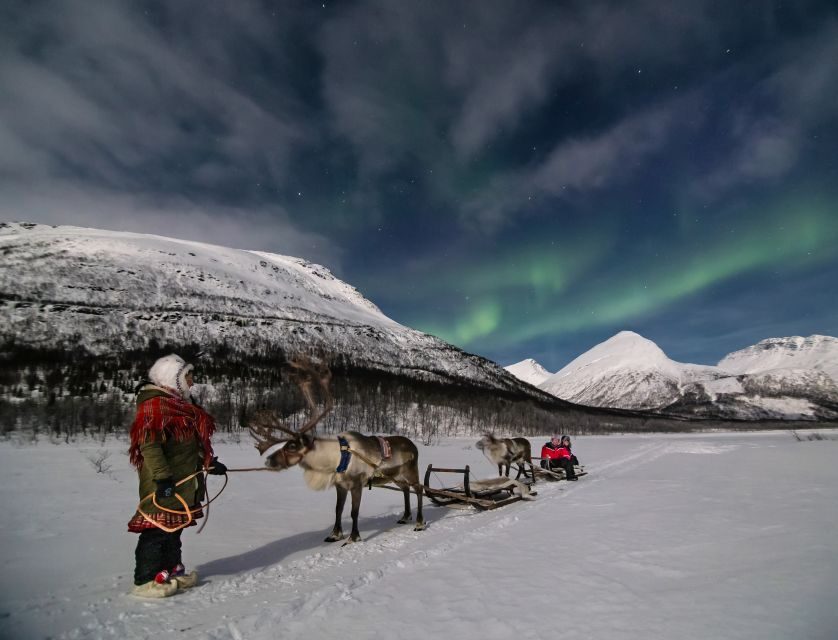
You’ll take a short sledding trip through snowy Arctic scenery. The tour isn’t about extreme speed. It’s about the atmosphere: stillness, motion, and that feeling of traveling the old way through winter night.
A useful expectation to set: the sled ride length isn’t the whole evening. You have time before and after it—feeding, cultural talk, and then the meal. That’s good if you’re here for the whole experience, not only the ride.
Still, consider this as a potential drawback: some guests felt the sledding wasn’t quite what they expected or wished it could last a bit longer. So if your #1 priority is long-distance sledging, this may feel shorter than the adrenaline-style tours you might compare it to.
Northern Lights: how to enjoy the chance without gambling your whole night
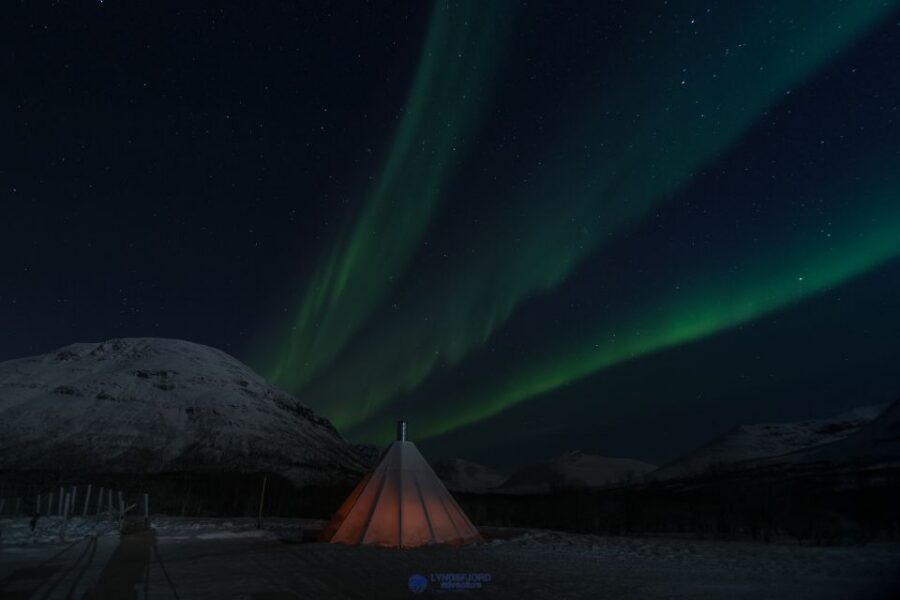
This is not a tour focused on hunting the aurora. But it’s also not a random “maybe” thrown in.
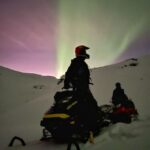
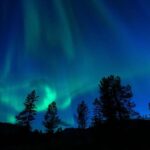
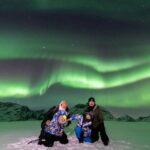
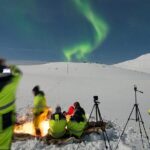
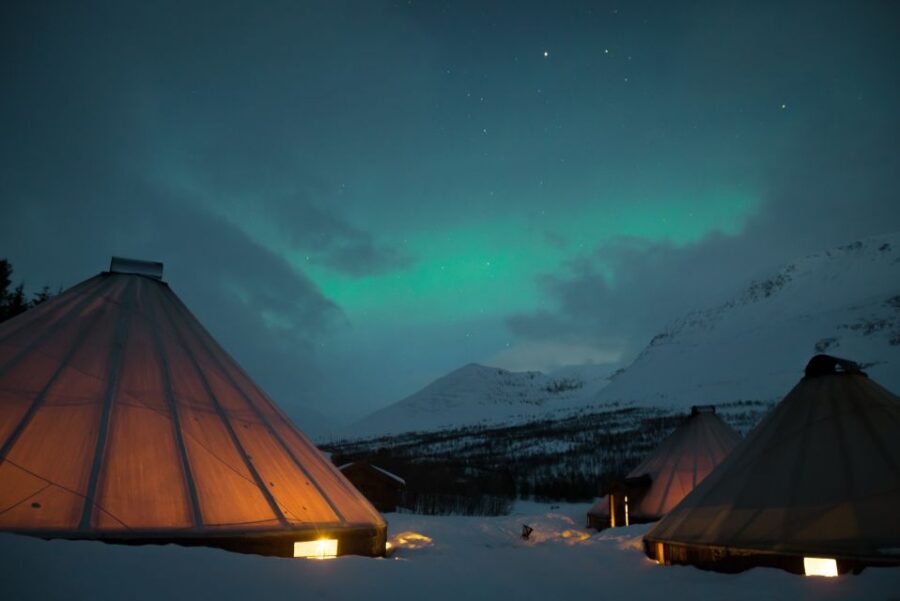
You’re in a remote area away from light pollution, surrounded by total darkness. That environment is exactly what helps your eyes see faint aurora if it appears. One guest even saw the aurora while on the ride, and others described the sky show as special—even when the lights were faint or cloudy.
Here’s how to maximize your chance without stressing:
- When you’re outside in the dark, look up and let your eyes adjust.
- Keep your phone use limited. The goal is spotting faint light, not filming bright scenes.
- If you do see aurora, enjoy it as a moment—not a performance to capture perfectly.
You’ll still have a full evening if the lights don’t show. The camp, the reindeer interaction, and the Sami storytelling are the anchor.
Dinner in the lavvu: why the warm meal matters in real life
After the cultural portion, you get a warm meal: stew plus drinks, served in the lavvu around the open fire. This is exactly the kind of food you want at the end of a winter evening—warm, hearty, and comforting.
Why I value this: it’s not tacked on as a quick fuel stop. It gives you time to cool down, sit with the group, and process what you just saw—reindeer up close, then a human story about how reindeer herding fits into Sami life.
And it’s also practical. Even if you wear a thermal suit, the outdoor cold builds up. Having dinner before the return trip helps you avoid that post-activity freeze that hits right after you step away from the fire.
Price and value: what you’re paying for (and what’s included)
The price is $242 per person, and for Tromsø winter experiences, that’s not cheap. But it’s not just a “ride to nowhere” either.
What you’re actually paying for:
- Round-trip transfer from central Tromsø by bus (plus short minibus transfer for the herd)
- English-speaking guide(s)
- Thermal suit, boots, mittens, and hat
- Reindeer sledding and reindeer feeding
- Sami culture storytelling
- Warm meal in a lavvu (warm stew) and drinks
When you tally it up, the included gear alone reduces the cost and hassle of what you need to stay comfortable. The rest is mostly labor and coordination: the camp setup, the guide time, and the animals. In a small-group format (max 8), you’re also paying for less crowding and more attention.
If your budget is tight, the main “value question” for you is this: do you want culture + camp atmosphere, or do you want a longer ride focused almost entirely on sled time? This tour is a balanced package, not a single-activity marathon.
Group size and guide style: what small usually means here
With a maximum of 8 participants, this tour feels controlled and personal. In practice, that means:
- You’re more likely to hear the stories clearly.
- Questions are easier to ask.
- The pace doesn’t feel rushed.
Your guide’s tone matters too. The strongest moments tend to be the ones where the guide connects what you see—reindeer behavior, camp routine—to what it means culturally. In other words, the guide helps you interpret the experience.
And the earlier example with Anna is a good signal: the staff attention is real. It’s not only about delivering the tour; it’s about taking care of people when something goes wrong.
Who should book this (and who should skip it)
I’d recommend this tour if:
- You want a Sami culture experience alongside a winter animal activity
- You’re happy with a short sled ride as part of a broader evening
- You want good odds for seeing aurora because you’ll be away from light pollution
- You prefer small-group pacing over big buses and fast stops
I’d skip it if:
- You’re using a wheelchair (it’s listed as not suitable)
- You’re traveling with children under 4
- You want a Northern Lights chase itinerary with dedicated aurora-focused viewing (this is culture-first, aurora-second)
Should you book the Evening Reindeer Sledding at Camp Tamok?
I think you should book it if your ideal Tromsø night includes more than a quick thrill ride. This one gives you the full rhythm: a careful transfer to a remote camp, reindeer feeding, cultural storytelling in a lavvu, and a warm meal by the fire—plus a realistic chance at aurora simply because you’re somewhere dark enough to see it.
Before you book, do one honest check:
- If your top priority is chasing aurora on a strict schedule, consider an aurora-focused tour.
- If your top priority is experiencing Northern Norway through Sami culture + reindeer time, this is a strong match.
If the weather cooperates and you show up dressed for real cold, you’ll leave with a memory that feels both Arctic and human.
FAQ
How long is the Evening Reindeer Sledding at Camp Tamok?
The tour lasts about 7 hours, including the transfers to and from Tromsø and time at the camp.
Where do I meet for the tour in Tromsø?
Meet inside the main entrance hall of Tromsø Havn Prostneset.
Is the Northern Lights guaranteed on this tour?
No. The tour is not focused on hunting the Northern Lights, but you may get lucky because you’ll be surrounded by darkness and away from light pollution.
What winter gear is provided?
You’ll be provided a thermal suit, winter boots, mittens, and a hat.
Do I get to feed the reindeer?
Yes. The experience includes reindeer feeding as part of the cultural camp time.
How many reindeer are at the camp?
The camp has about 5–6 reindeer.
What food is included?
You’ll have a warm meal (warm stew) plus drinks served in a traditional lavvu.
What should I bring with me?
Bring a scarf and wear weather-appropriate clothing. Thermal clothing is also recommended as part of what you wear.
Is this tour suitable for wheelchair users or young children?
No. It’s not suitable for wheelchair users, and it’s not suitable for children under 4 years old.
How big is the group?
The group is kept small, limited to 8 participants, with an English-speaking guide.