REVIEW · EGGUM
From Svolvaer: Private Lofoten Islands Tour with Transfer
Book on GetYourGuide →Operated by HEART OF LOFOTEN · Bookable on GetYourGuide
A road trip through Lofoten feels like moving through postcards. This private tour packs in Flakstad fjord views, Reinefjorden scenery, and real fishermen life in places like Hamnoy and Reine—without the hassle of waiting around with strangers. One trade-off: it is a long day on the road, so bring proper layers if you want to stay comfortable when the weather shifts.
What I like most is the way this tour blends scenery with context—skrei (arctic cod) and the story behind stockfish, plus the famous red rorbuer and wooden drying racks you’ll see along the way. You also get built-in photo stops, and the tour guide can provide a photo service on request, which helps a lot when clouds roll in.
If you’re short on time or you prefer to wander at your own pace in tiny streets for hours, you may feel a bit guided. But if you want a smooth, focused route through the West Lofoten highlights, this setup is an efficient way to do it.
Key highlights at a glance
- Flakstad fjord and Ramberg beach views with water that looks almost tropical
- Fishermen villages like Hamnoy and Reine, including red rorbuer and classic work rhythms
- Wooden drying racks along the roads, tied to the skrei/stockfish story
- Scenic lookouts over Reinefjorden, with time for photos even when weather turns
- A food stop at Anita’s Seafood in Sakrisøy for fish soup or fish burgers
In This Review
- Private Lofoten Tour From Svolvær: Why small groups matter here
- The 450-minute day: How to plan your energy and expectations
- Pickup and drop-off logistics: Easy start, fewer hurdles
- Flakstad fjord and Ramberg beach: The “Caribbean” feeling in northern Norway
- Hamnoy and Reine: Red rorbuer and fishermen life that feels lived-in
- Skrei, stockfish, and drying racks: The coast as an old food system
- Reinefjorden viewpoints: How guides help you get the right angle
- Sakrisøy at Anita’s Seafood: The fish soup and burger moment
- Photo stops and guides who make weather work for you
- Languages, pacing, and the “no waiting” advantage
- Price and value: Is $1,154 per group fair for two (and beyond)?
- Who should book this West Lofoten private tour?
- Should you book Heart of Lofoten’s Private Lofoten Islands Tour?
- FAQ
- How long is the private tour?
- How many people can be in the private group?
- Is hotel pickup and drop-off included?
- What languages are the live guides?
- Is lunch included?
- Is the tour wheelchair accessible and can I cancel if plans change?
Private Lofoten Tour From Svolvær: Why small groups matter here
Lofoten is famous, so it can also feel crowded—unless you plan around it. This is a fully private tour (one group at a time), and the provider notes a max group size of up to 8 people, which keeps the day flexible and calmer than big-bus touring.
What you gain is control of the pace. The stops are scenic, but they also need patience—because the light changes fast, fog rolls in, and the coastline looks different from each angle. A smaller group makes it easier for your guide to choose the best viewpoint at that moment.
Guides can strongly shape how much you get out of the drive. In the feedback for this experience, you’ll see names like Damiano, Andrea, and Eric credited for spotting great vantage points and making the day feel smooth and picture-friendly.
The 450-minute day: How to plan your energy and expectations
450 minutes is about 7.5 hours. That’s long enough to cover multiple West Lofoten zones, but it still means you’ll be moving through the region rather than spending an entire day parked in one village.
For you, that’s the point: you’ll get a “greatest hits” route that still leaves time to step out and look around. The tour includes local snacks and bottled water, but it does not include lunch, so you’ll want to decide in advance whether you’ll eat at the fish stop (Anita’s Seafood) or bring extra snacks if you’re sensitive to long gaps.
Also remember: Lofoten weather can be moody. Even with rain, the tour is designed around photo stops and viewpoints, and the guide’s job is essentially to help you see the coast well despite the sky.
You can also read our reviews of more tours and experiences in Eggum.
Pickup and drop-off logistics: Easy start, fewer hurdles
This tour includes hotel pickup and drop-off. If you’re staying in Svolvær or nearby, that removes one of the biggest travel headaches—getting everyone to the same starting point on time.
Your meeting note is practical: you should be out on the street about 5 minutes before the agreed pickup time. That small detail matters when cruise schedules shift and roads can get busy.
Another helpful line item: the tour is marked wheelchair accessible, so if you have mobility needs, you can plan this day without having to hunt for a separate option.
Flakstad fjord and Ramberg beach: The “Caribbean” feeling in northern Norway
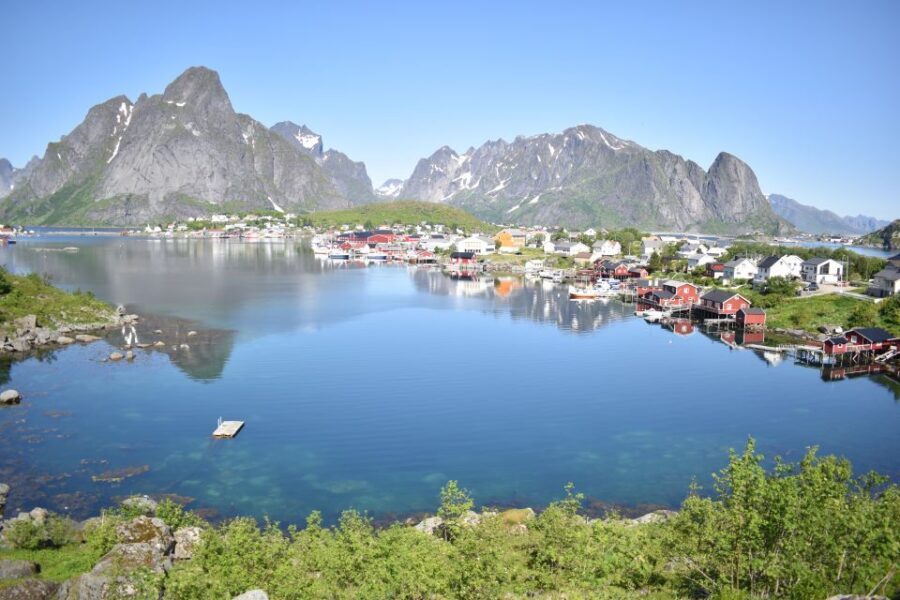
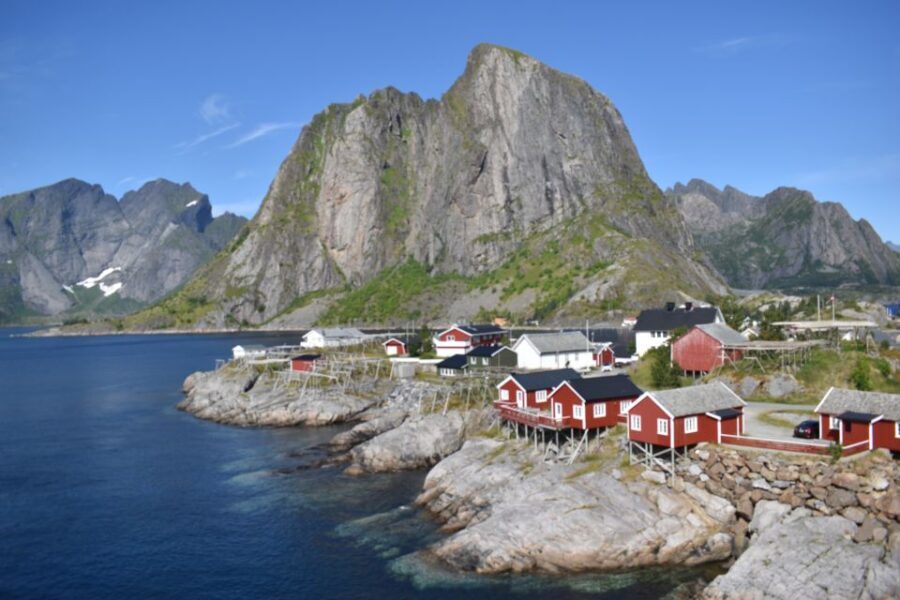
The highlight list calls out Flakstad fjord and Ramberg beach, and you’ll see why these places earn their reputation. This is where the coastline looks dramatic and the water color does something unusual—bright and vivid even when the air is cool.
Flakstad fjord is all about scale and shape: narrow water channels, layered rock, and the way peaks frame the motion of the sea. It’s the kind of view where you can take a few photos, then look again five minutes later and notice new details.
Ramberg beach is different: it’s more open, more “place to stand and stare.” You’ll likely get photo time and a chance to take in the shoreline without feeling like you’re in a rush.
A practical consideration: beaches and viewpoints can get windy. Pack a wind layer. If it’s raining, bring a rain jacket and consider wearing shoes you don’t mind getting wet.
Hamnoy and Reine: Red rorbuer and fishermen life that feels lived-in
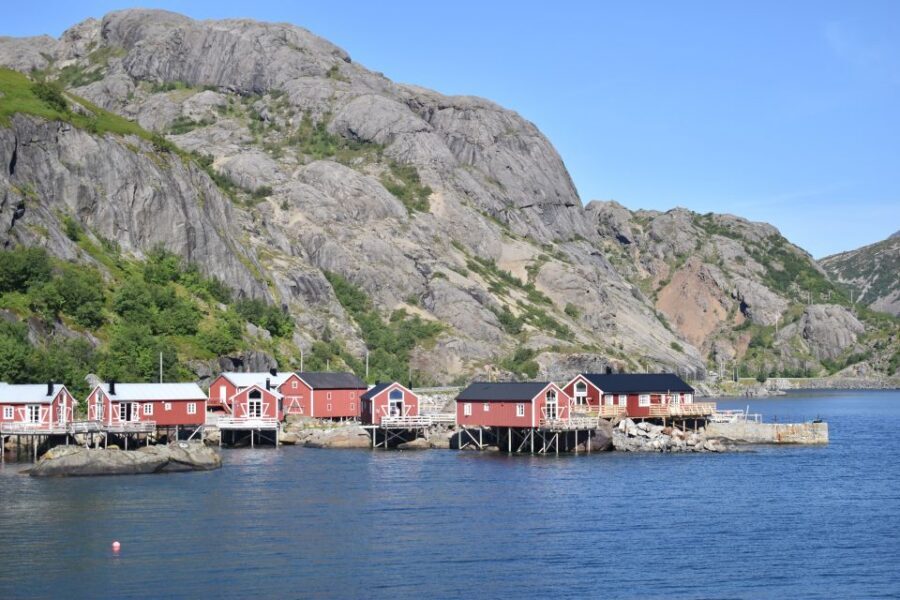
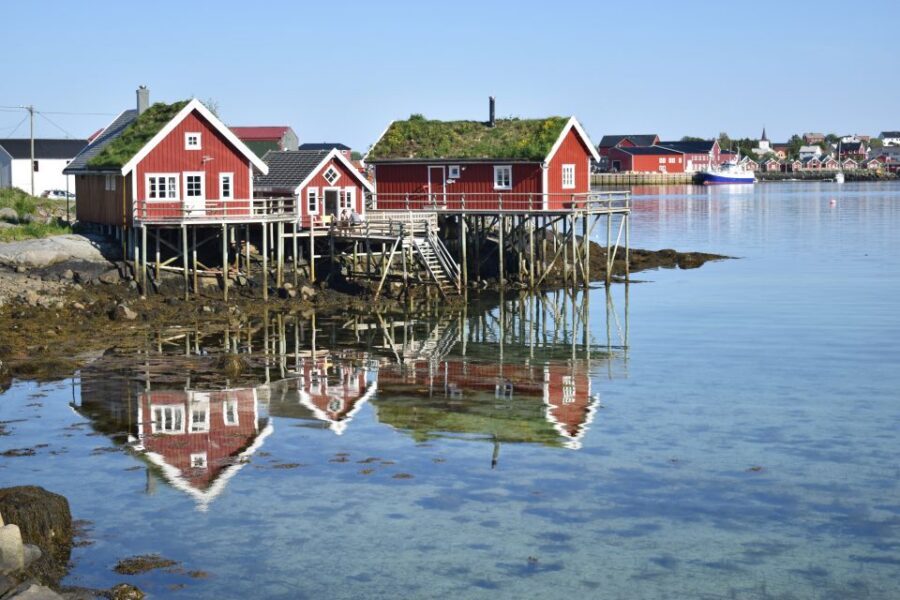
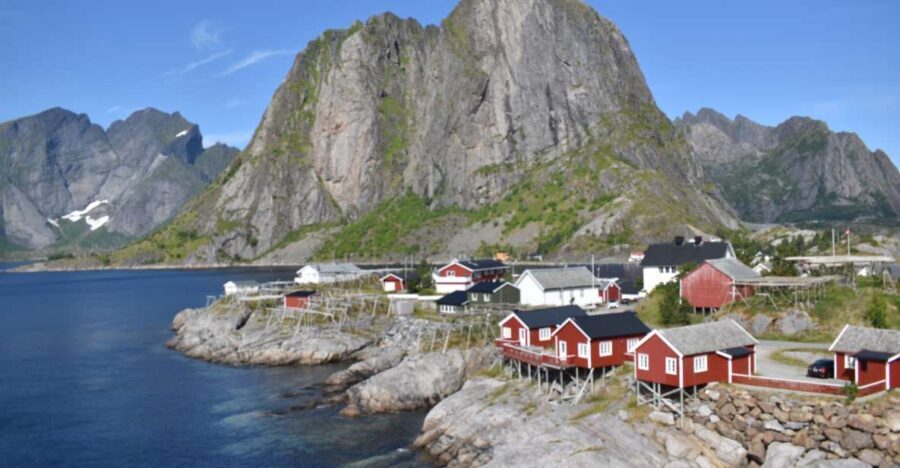
Hamnoy and Reine are where Lofoten stops being scenery and starts becoming culture. The tour highlights the life of ancient fishermen at these spots, and you’ll see that in the details—especially the red rorbuer, the classic fishermen’s cabins that dot the shoreline.
Hamnoy tends to hit that emotional “this looks real” button. You’ll be near working-style coastal settings: old structures, racks and tools associated with fish processing, and villages that evolved around maritime weather and seasons.
Reine is the bigger visual hit. It’s where you’ll feel the “Lofoten postcard” energy at full volume. Your guide will connect what you’re seeing to how fishermen historically depended on specific seasonal cycles—especially the fish behind skrei and the tradition of stockfish.
One drawback to flag: these areas are famous, so views can be busy. The private nature helps, but you still should expect that popular photo angles might not be totally empty.
Skrei, stockfish, and drying racks: The coast as an old food system
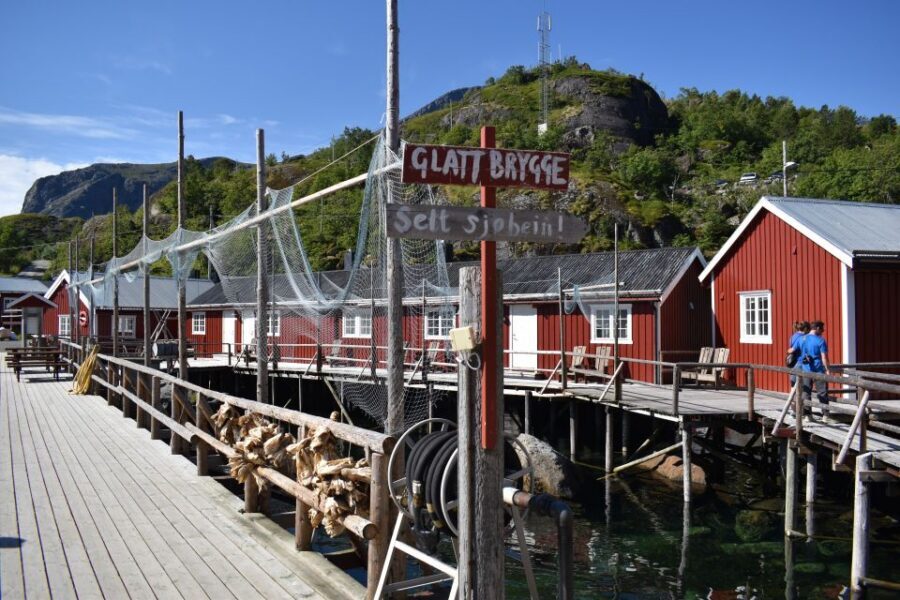
If there’s one theme that makes this tour more than a drive for photos, it’s the explanation of skrei (arctic cod) and how it connects to stockfish production. You’ll also see the physical evidence: wooden drying racks stretching along roads and in coastal village areas.
This is where you learn to read the landscape like a working system. Drying racks aren’t just decoration. They show how communities handled timing, storage, and preservation—turning seasonal fish into food for months when fresh catches weren’t possible.
Even if you’re not a history buff, this context helps your photos make sense. Instead of snapping random red cabins, you start seeing the relationship between the sea, the structures, and the season.
Reinefjorden viewpoints: How guides help you get the right angle
The tour highlights Reinefjorden views, and this is where your guide earns their paycheck. Fjord photography is tricky. The same coastline can look flat from one spot and dramatic from another, depending on light, haze, and the angle of the rocks.
In the feedback for this experience, guides like Andrea and Damiano are praised for taking people to the best vantage points and helping with photos—especially when weather is gray. Rainy days can actually be good for atmosphere, but you need the right stop.
A small but real tip: if you want your best photos, you’ll likely want to step out for a minute and let your eyes adjust. Don’t just shoot and move. Look around first, then frame the shot once you know where the water, village structures, and peaks line up.
Sakrisøy at Anita’s Seafood: The fish soup and burger moment
One of the tour’s most concrete highlights is tasting fish soup or fish burgers at Anita’s Seafood in Sakrisøy. This is valuable because it keeps the day grounded. You’re not only learning about fish; you’re eating it.
Fish soup is a comforting choice on a cool northern day. Fish burgers can be easier if you don’t want something brothy. Either way, it’s a practical meal option because lunch isn’t included—so the food stop helps solve that problem.
A consideration: because this is a scheduled day format, you won’t have endless wandering time around the restaurant area. If you love slow dining and want a long sit-down, plan on keeping it efficient.
Photo stops and guides who make weather work for you
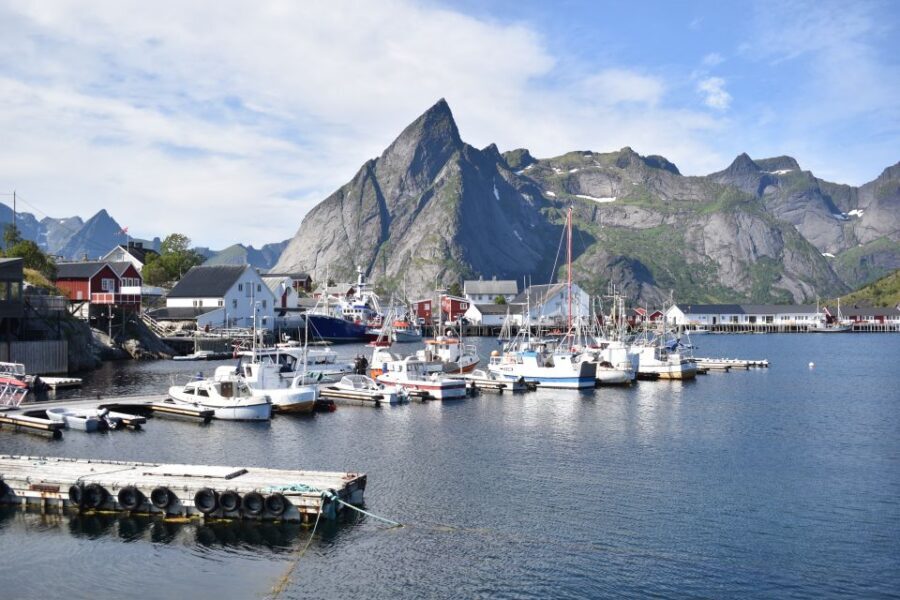
The experience is built with photo stops, and there’s also photo service on request. That matters in Lofoten because your best light might only show up between passing clouds.
In the feedback, guides are described as taking people to great viewpoints and helping with photography. Some days you’ll get clear air, and some days you’ll get rain. The win is that the tour still keeps moving toward photogenic moments rather than treating bad weather as a full stop.
My practical advice: pack for two conditions—dry and wet. Even if you’re bundled up, your phone camera struggles with raindrops and blurry breath fog. A small lens cloth or even a hand towel can save your shot.
Languages, pacing, and the “no waiting” advantage
The tour includes a live guide in English, Italian, Spanish, and German. That’s a real benefit if you want more than basic facts—because the skrei/stockfish story and village history make far more sense when you can ask questions or follow along easily.
Another theme from the feedback: because it’s private, there’s no waiting for other participants. That reduces wasted time and keeps the whole day feeling purposeful.
The pacing also helps you connect dots. You’ll see drying racks, then understand why they matter. You’ll see rorbuer, then learn how fishermen’s structures connect to seasonal fish. That cause-and-effect is what makes the tour feel coherent rather than random stop after stop.
Price and value: Is $1,154 per group fair for two (and beyond)?
The listed price is $1,154 per group up to 2, and the provider also suggests you can lower your per-person cost by building a group (especially for cruise guests). The math depends on how you split that group price.
If you share with one other person, your effective cost is about $577 per person. If you can split it among more people (the private max is noted up to 8), the per-person share drops—exactly what the provider is pointing you toward.
Is it good value? In my view, it can be, because you’re paying for:
- A private route across multiple key regions
- Hotel pickup and drop-off
- Included snacks and water
- A guide who explains what you’re seeing (skrei, stockfish, rorbuer, and drying racks)
- Photo support and photo stops
Where it might feel less worth it is if you only want one or two short photo moments and you don’t care about the history thread. For those travelers, a cheaper self-drive approach could work. But if you want the context plus the smooth logistics, the private price becomes easier to justify.
Who should book this West Lofoten private tour?
I think this fits best if you:
- Want a focused West Lofoten highlights route without juggling rentals
- Prefer a smaller group and less waiting
- Care about why the villages and structures exist, not just what they look like
- Enjoy stopping often for photos (and appreciate photo help when weather changes)
It may not be ideal if you:
- Want a very slow, wandering day with no scheduled stops
- Plan to bring a large group and expect a huge amount of free time
- Don’t want any structured meal stops and might feel time-pressured at lunch
Should you book Heart of Lofoten’s Private Lofoten Islands Tour?
If you want a day that balances scenery, fishermen culture, and practical food, this is a strong choice. The biggest selling points are the private pace, the skrei/stockfish context behind what you see, and the way the route targets high-impact views like Reinefjorden.
Before you book, I’d do two quick checks: confirm availability by sending a message to the provider (they ask you to verify), and plan your day for rain-friendly comfort. Pack layers, expect weather mood swings, and lean into the stops—because even when the sky isn’t perfect, the guide’s job is to help you still get the best angles.
FAQ
How long is the private tour?
The tour duration is listed as 450 minutes, which is about 7.5 hours.
How many people can be in the private group?
The experience is private and states a max group size of up to 8 people.
Is hotel pickup and drop-off included?
Yes. Hotel pickup and drop-off are included, and pickup is available at your address. You should be outside on the street about 5 minutes before the agreed meeting time.
What languages are the live guides?
The guide offers live narration in English, Italian, Spanish, and German.
Is lunch included?
No. Lunch is not included. The tour includes local snacks and bottled water, plus a stop for fish soup or fish burgers at Anita’s Seafood in Sakrisøy.
Is the tour wheelchair accessible and can I cancel if plans change?
The tour is marked wheelchair accessible. It also offers free cancellation up to 24 hours in advance for a full refund.